

SaaS development cost: the decisions that set the number
Why a SaaS product costs more than the same screens built once, how the tenancy model sets the running cost, the parts buyers forget to price, and the decisions that set a quote.
We build SaaS products for established companies launching a new product line and for funded scale-ups: the tenant model, billing, permissions and the admin tools your team will live in, delivered in stages you can sell from.
 Reviewed by Mayursinh Jadeja, Founder · Last updated 5 October 2026


A demo has one customer, one plan and one admin. The second year has hundreds of accounts that must never see each other’s data, upgrades and downgrades mid-month, failed card payments, a support team that needs to look inside an account safely, and an enterprise buyer asking for single sign-on and an audit log.
Those are not features to add later. They are decisions about the core, and changing them after launch means rebuilding the part every customer depends on.
So we settle them before the first screen is designed. It makes the first stage a little slower and every stage after it considerably faster.
Six kinds of SaaS work. A new product usually starts with the first three; an existing one usually needs one of the last three.
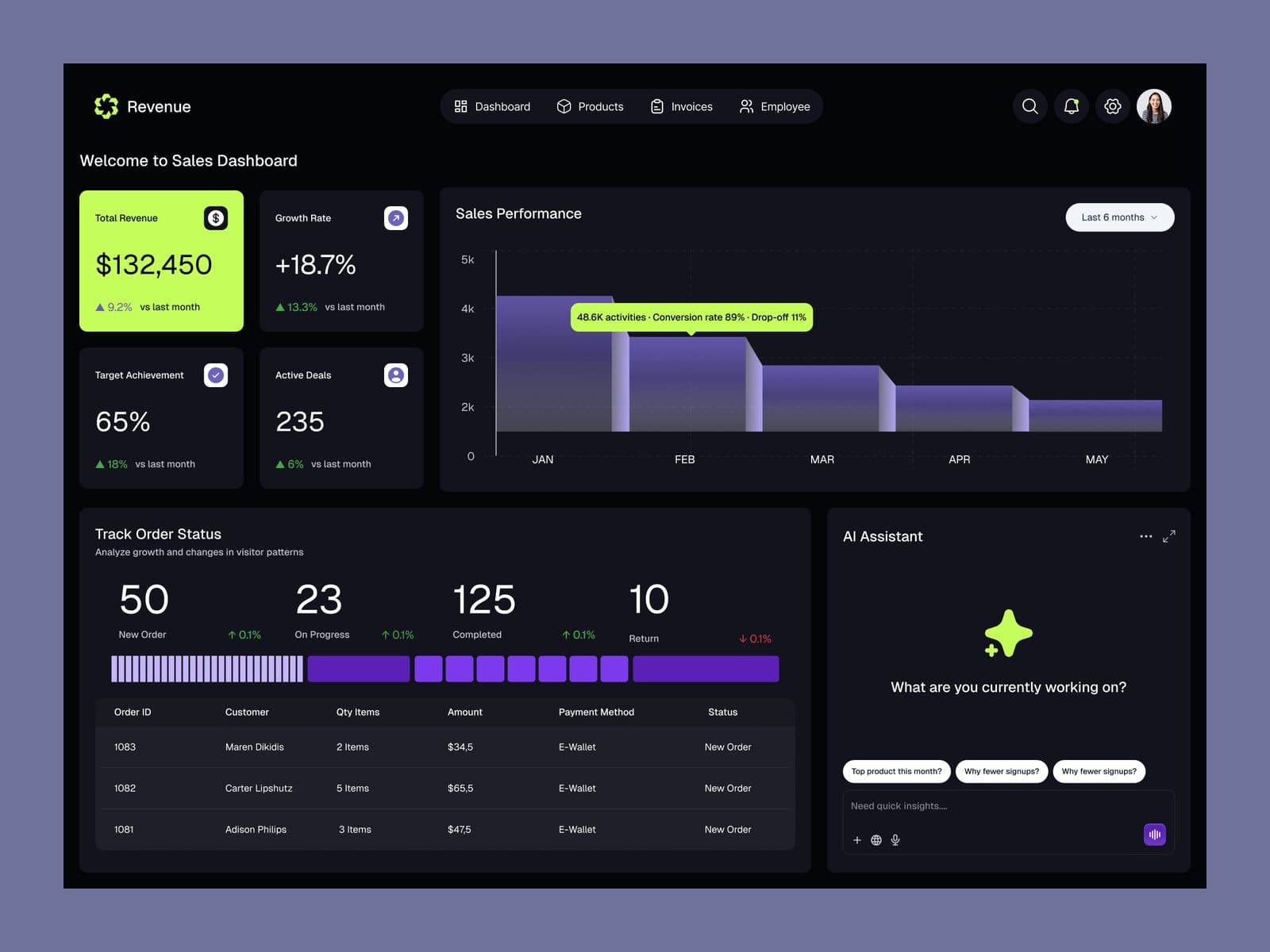
Three honest routes to a SaaS product. Custom is not always the right one, and the table says when it is not.
| White-label platform | Extend your current product | Custom SaaS build | |
|---|---|---|---|
| Fits when | The product is close to what the platform already does | The new product shares most of its data and users with one you run | The workflow is the product and nothing on the market does it |
| You own | Your brand on someone else’s product | A larger version of your current system | The product, the code and the roadmap |
| Cost shape | Low to start, a revenue share or licence for ever | Lower build cost, more coupling to the old system | Higher upfront, no per-seat licence to anyone |
| The real risk | The platform’s roadmap becomes your roadmap | Two products that cannot be separated later | Building the demo, not the second year |
If a white-label platform covers most of it, start there and learn what customers actually pay for. Build custom when the workflow itself is what you sell.
Before the first sprint
Six decisions that are cheap to make on paper and expensive to change once customers depend on them.
“Redlio Labs successfully delivered the project within schedule; they met all of our requirements. Their quality designs and in-depth knowledge of technology were key elements of their work.”
 Verified review on Clutch
1 / 4
Three cases where we will tell you to spend the money somewhere else first:
Where a custom SaaS build wins is the product nobody else sells: the workflow your customers already ask you for.
Step 1 of 5
We map your workflows, systems, and constraints with the people who use them every day, before anything is scoped. For SaaS: who the first customers are, what they will pay for, and the tenant, billing and access model.
Discovery
Step 2 of 5
You get a scope, a timeline, and a price that hold. Architecture decisions are made and documented before code starts. Plans, limits and roles are written down before the build is priced.
Scope and plan
Step 3 of 5
Senior engineers deliver in planned stages, with working software demonstrated at every step, not a reveal at the end. Each stage ships to real accounts, behind feature flags where it needs to.
Build in stages
Step 4 of 5
Data migration, training, and a production cutover planned around your operations and your calendar, not ours. Billing goes live on a payment provider account in your name.
Launch
Step 5 of 5
The team that built your system stays on it: monitoring, support, and the next improvements on one roadmap. Errors, uptime and usage are monitored from the first account, not after the first outage.
Run and improve
Pick the model that fits where your project is today. Start with one and move to another as the work grows.
A defined system, website or app delivered against a scope, a timeline and a price agreed before work starts. Fixed-scope software development for when you know what you need built.
Scope a projectEngineers and designers embedded in your team, on your tools and your roadmap. A dedicated development team or IT staff augmentation for when you have direction to give.
Add to my teamSEO, AI search and paid ads run month to month against qualified leads, reported in plain numbers you can check.
Plan my growthThe rules change by sector: what customers’ auditors ask for, what integrates with what, and what cannot go down.
 Fintech
 Healthcare
 Manufacturing
 LogisticsSaaS
 Ecommerce & D2C
 Real Estate
 Education
Why a SaaS product costs more than the same screens built once, how the tenancy model sets the running cost, the parts buyers forget to price, and the decisions that set a quote.

Why MVP cost depends on the question it answers, how a prototype, an MVP and a full product differ, which parts to build to last, and the questions that set an MVP quote.

Most organisations already run both custom and off the shelf software. The decision that costs money is the boundary between them: who owns the data model, what a vendor release breaks, and what it costs to change your mind.
If something here does not answer it, ask the founder directly.

Book an intro call
Talk through your goals, your timeline, and how Redlio Labs can support your team.
Prefer email?info@redliolabs.com
There is no fixed price for a SaaS product, only a price for a scope. What moves it most is the tenant model, the integrations, billing and the admin tools, and those are exactly the parts a quick quote leaves out. We scope them first and price against the scope. The custom software cost guide explains why quotes for the same product differ.
A first stage that real customers can use usually takes months, not weeks, and the product keeps growing after that. We plan in stages so each one ships something you can sell or test, rather than one release at the end.
SaaS development is building software that customers use through a browser and pay for by subscription, with every customer on one shared product. What separates it from building a website or an internal tool is the work around the features: keeping customers’ data apart, billing them, letting them manage their own users, and keeping the service up for all of them at once.
Most SaaS products are multi-tenant: one application and database serving every customer, with their data separated by account. Single-tenant, a separate instance per customer, costs more to run and is usually reserved for large customers whose security or data residency rules require it. Many products need both, and that decision belongs before the build.
Yes, for established companies testing a new product and for funded scale-ups. An MVP proves customers will pay; it should still be built so it can grow if they do. See MVP development.
Yes. We start with a review of the code, the architecture and the hosting, then stabilise what is fragile before adding anything new. If parts need rebuilding, that is a modernization decision made system by system.
Our default stack is Next.js and React on the front, Node on the back, and PostgreSQL or MongoDB for data, hosted on AWS, Azure or Google Cloud. The stack follows the product, and we will build on the one your team already runs if you have one.
You do. The code, the documentation and the accounts transfer to you, and handover is part of the engagement rather than a separate negotiation.
Tell us who the product is for and how it will charge. You will talk to the engineers who would build it.

Mayursinh Jadeja
Founder, Redlio Labs


