

SaaS development cost: the decisions that set the number
Why a SaaS product costs more than the same screens built once, how the tenancy model sets the running cost, the parts buyers forget to price, and the decisions that set a quote.
We design SaaS products and their marketing sites for established software companies and funded scale-ups: the first-run experience, the daily workflow, the admin screens, and the site that brings the trial in.
 Reviewed by Mayursinh Jadeja, Founder · Last updated 5 October 2026


A trial user signs up, looks around, and leaves before they reach the moment the product is worth paying for. The product was not wrong; the path to its value was too long.
Then the ones who stay meet the second problem: screens designed for the demo, not for the hundredth time someone does the same task, and admin tools nobody designed at all.
So we design the first session for the moment of value, the daily workflow for speed, and the admin side as carefully as the rest.
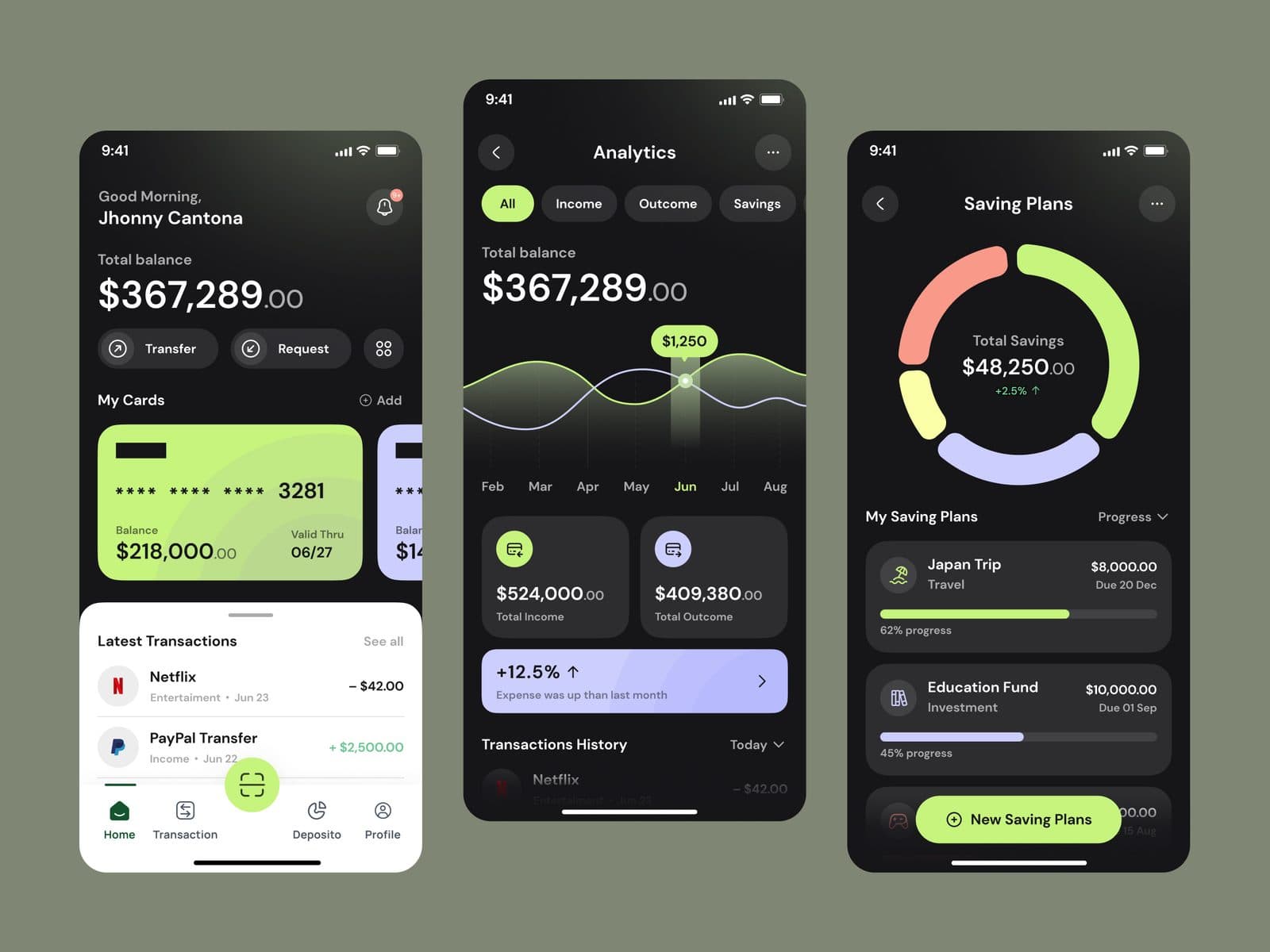
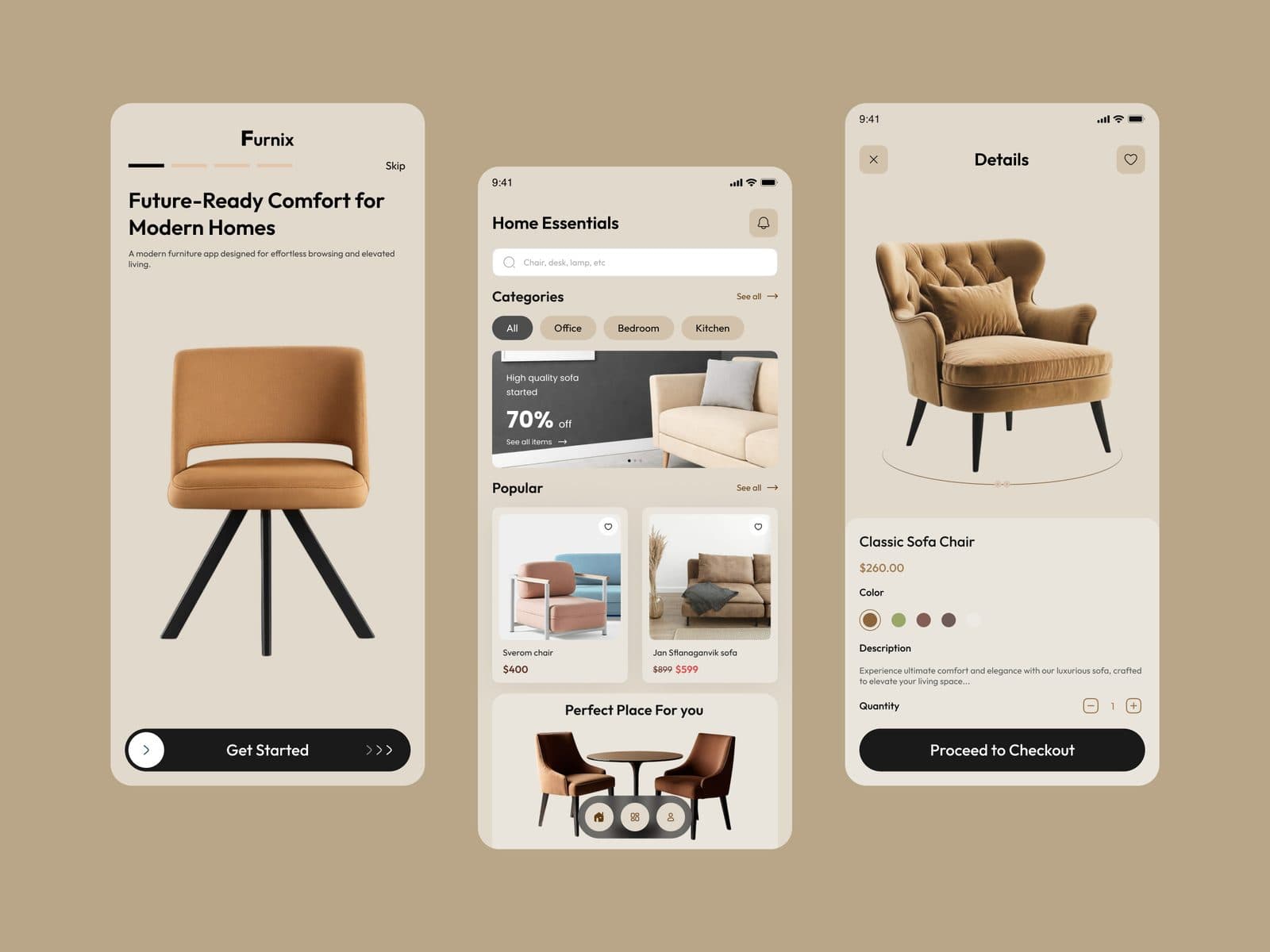
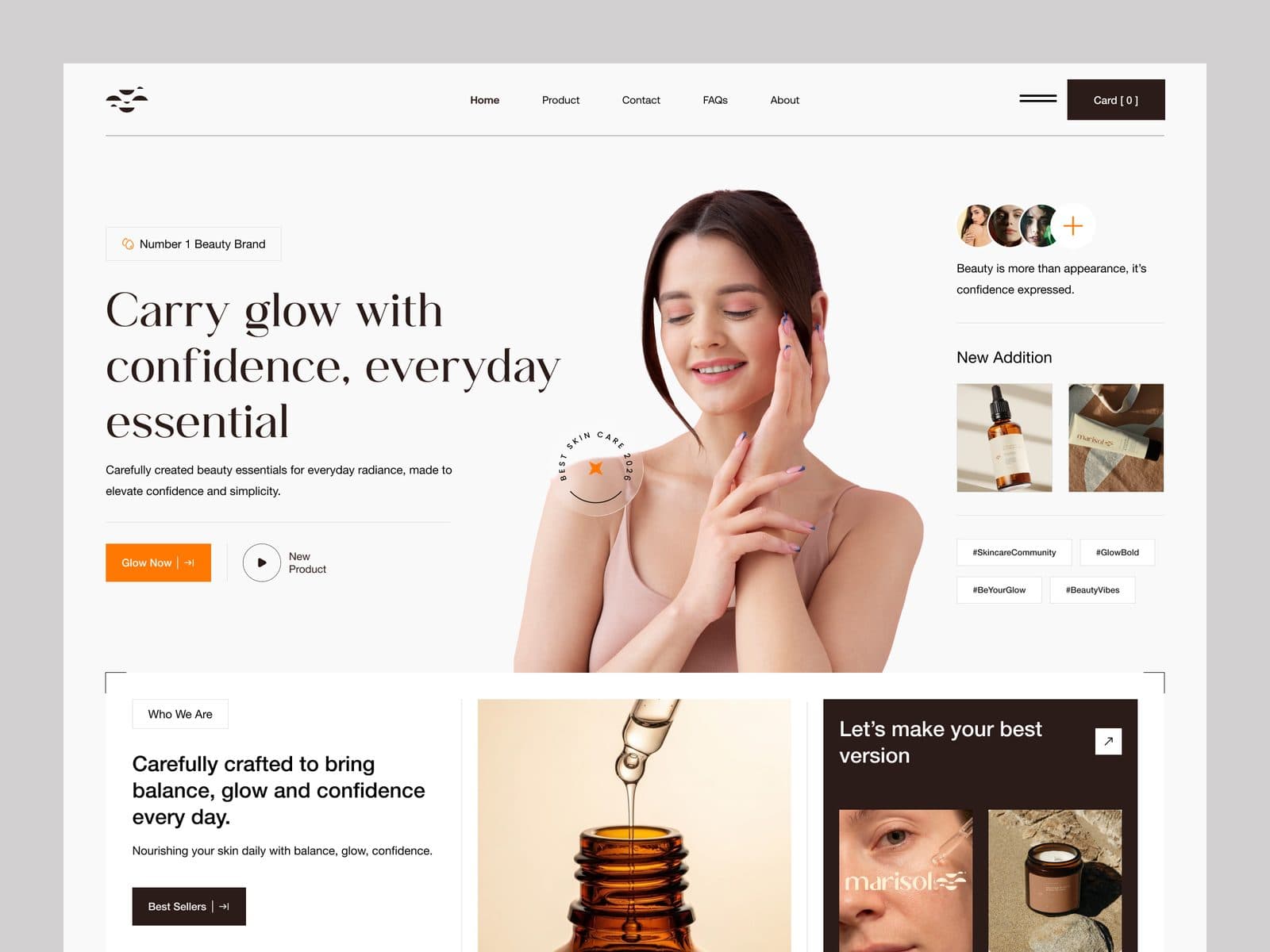
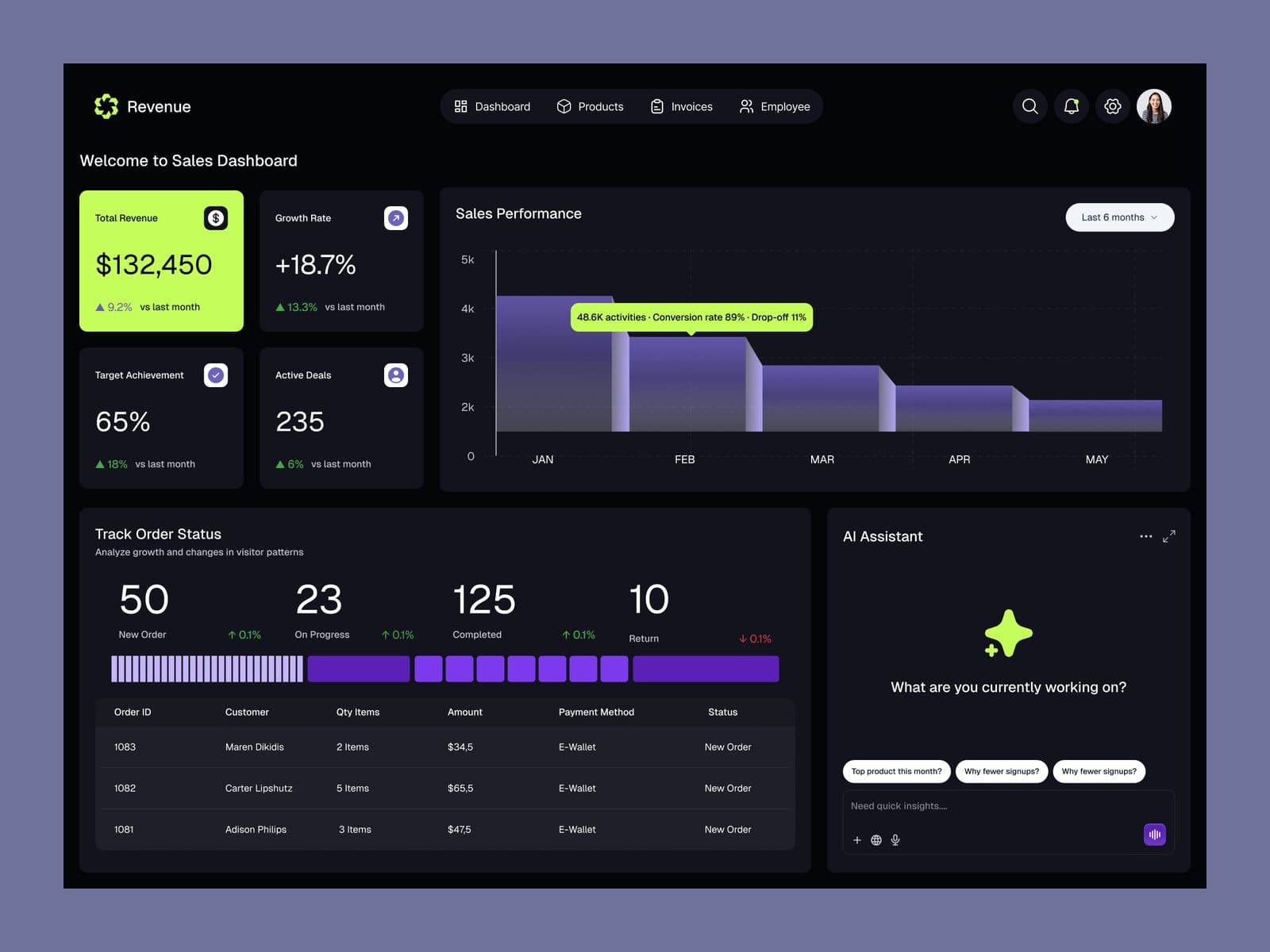
Six kinds of SaaS design work, across the product and the site that sells it.
“Redlio Labs successfully delivered the project within schedule; they met all of our requirements. Their quality designs and in-depth knowledge of technology were key elements of their work.”
 Verified review on Clutch
1 / 4
Three cases where we will say so:
SaaS design earns its cost when people sign up and do not stay, and the product’s value is there to be found.
Step 1 of 5
We map your workflows, systems, and constraints with the people who use them every day, before anything is scoped. For SaaS design: where trial users drop off, from analytics and from interviews with customers who stayed and who left.
Discovery
Step 2 of 5
You get a scope, a timeline, and a price that hold. Architecture decisions are made and documented before code starts. The flows in scope, ranked by how many users they lose.
Scope and plan
Step 3 of 5
Senior engineers deliver in planned stages, with working software demonstrated at every step, not a reveal at the end. Prototypes tested with trial-stage users before anything is handed over.
Build in stages
Step 4 of 5
Data migration, training, and a production cutover planned around your operations and your calendar, not ours. Handover in Figma with every state, and designers available through the build.
Launch
Step 5 of 5
The team that built your system stays on it: monitoring, support, and the next improvements on one roadmap. Activation and retention read after release, and the next round planned from them.
Run and improve
Pick the model that fits where your project is today. Start with one and move to another as the work grows.
A defined system, website or app delivered against a scope, a timeline and a price agreed before work starts. Fixed-scope software development for when you know what you need built.
Scope a projectEngineers and designers embedded in your team, on your tools and your roadmap. A dedicated development team or IT staff augmentation for when you have direction to give.
Add to my teamSEO, AI search and paid ads run month to month against qualified leads, reported in plain numbers you can check.
Plan my growthVertical SaaS carries its sector’s rules into the product: consent, audit trails, approvals.
 Fintech
 Healthcare
 Manufacturing
 LogisticsSaaS
 Ecommerce & D2C
 Real Estate
 Education
Why a SaaS product costs more than the same screens built once, how the tenancy model sets the running cost, the parts buyers forget to price, and the decisions that set a quote.

For SaaS growth leads already spending on Google and Meta: why accounts optimise for the wrong leads, the trade-off Google’s own guidance names, and the conversion setup that makes bidding learn from pipeline.

Why MVP cost depends on the question it answers, how a prototype, an MVP and a full product differ, which parts to build to last, and the questions that set an MVP quote.
If something here does not answer it, ask the founder directly.

Book an intro call
Talk through your goals, your timeline, and how Redlio Labs can support your team.
Prefer email?info@redliolabs.com
It designs subscription software products and the websites that sell them: onboarding, the core workflow, admin and billing screens, dashboards, and the marketing site. The measure is activation and retention, not how the screens look.
It depends on the flows in scope, the research and testing involved, and whether the marketing site is part of it. We scope those first and price against them.
Yes. We start with where trial users drop off and what the customers who stayed actually use, and redesign those flows first.
Yes, and doing both keeps the promise on the site and the experience in the product the same. See B2B web design.
Yes. See SaaS development: the same company designs and builds them.
Tell us how people sign up, where they drop off, and what the product does. We will come back with what to design first.

Mayursinh Jadeja
Founder, Redlio Labs


