Trading software development company with execution and data planned first

As a trading software development company, we design and build trading platforms, stock trading apps and investment tools for brokers, wealth managers and fintechs. We settle who executes the orders, which market data is licensed and what the regulator will read before the screens, then build in stages.

  • Order execution and broker APIs settled before design
  • Market data licensing scoped into the estimate
  • Audit-ready records planned into the data model

Reviewed by Mayursinh Jadeja, Founder · Last updated November 2, 2026

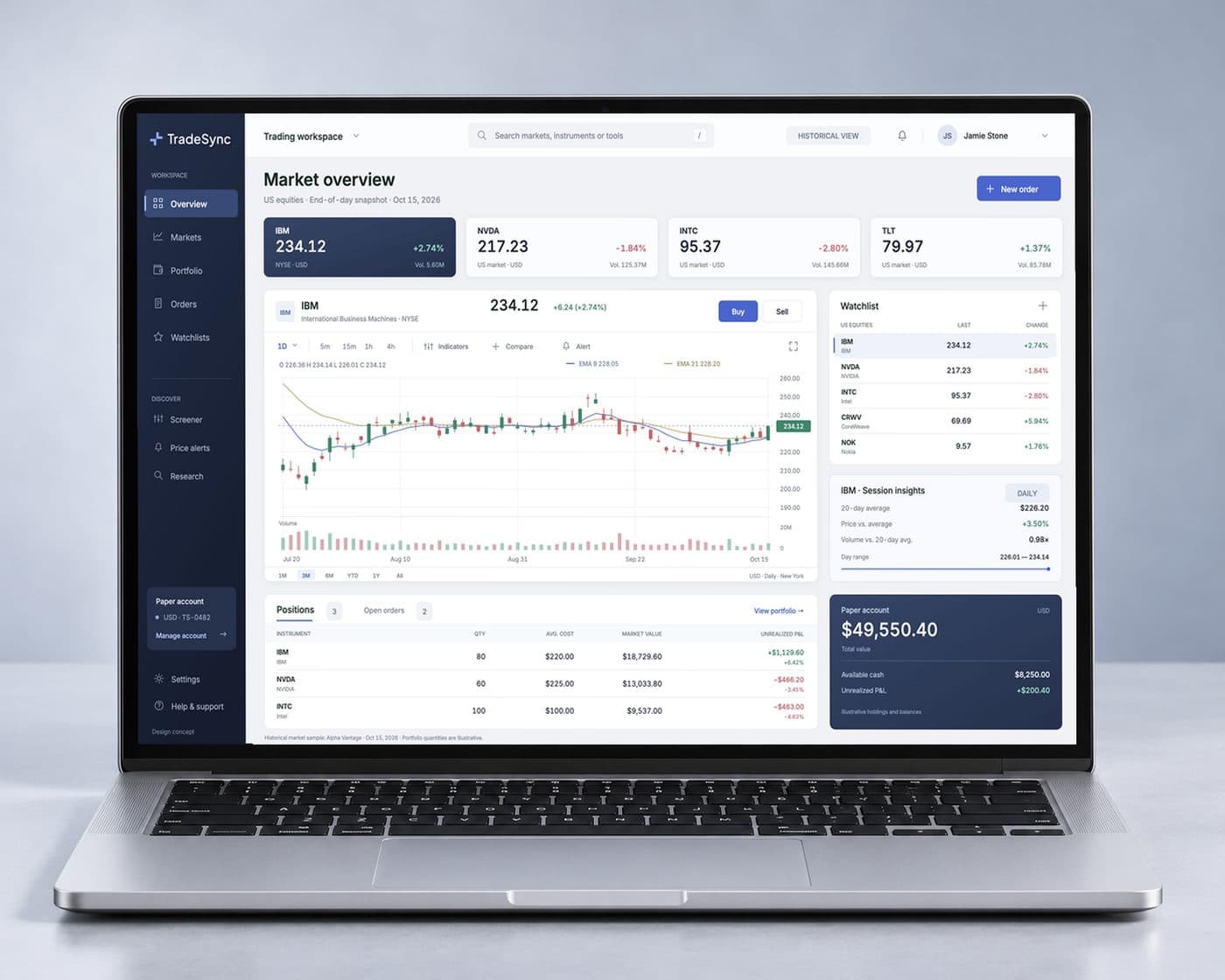
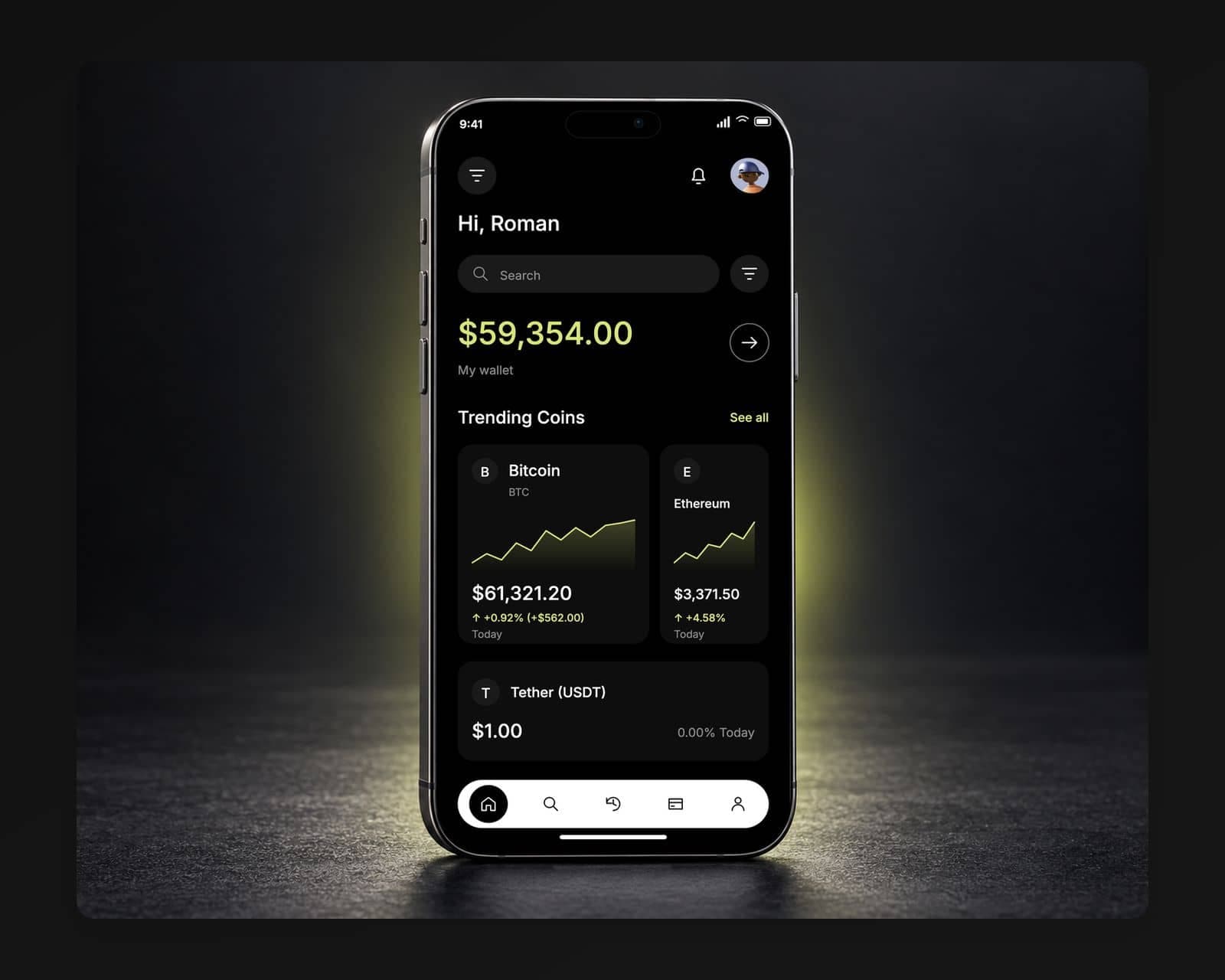
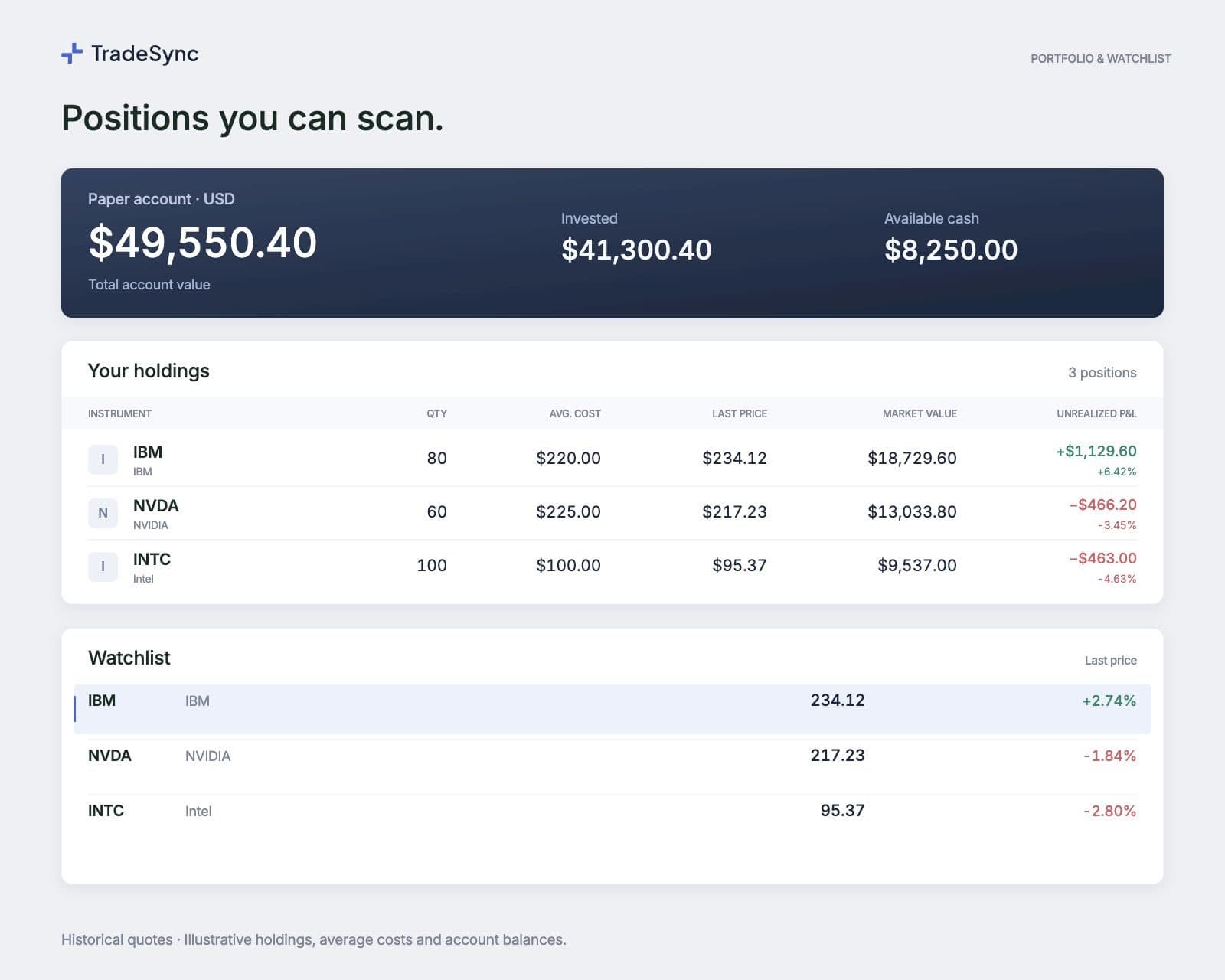
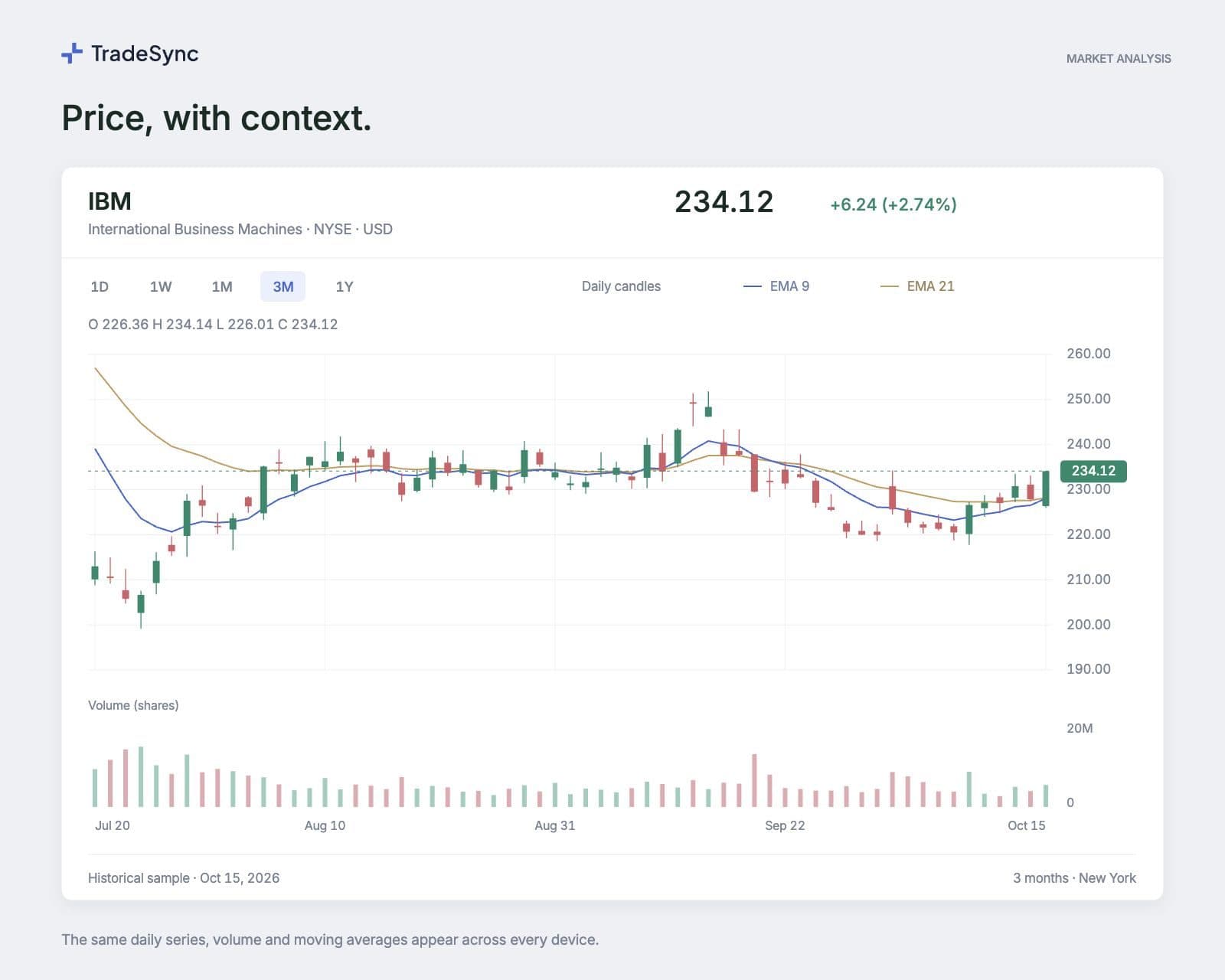
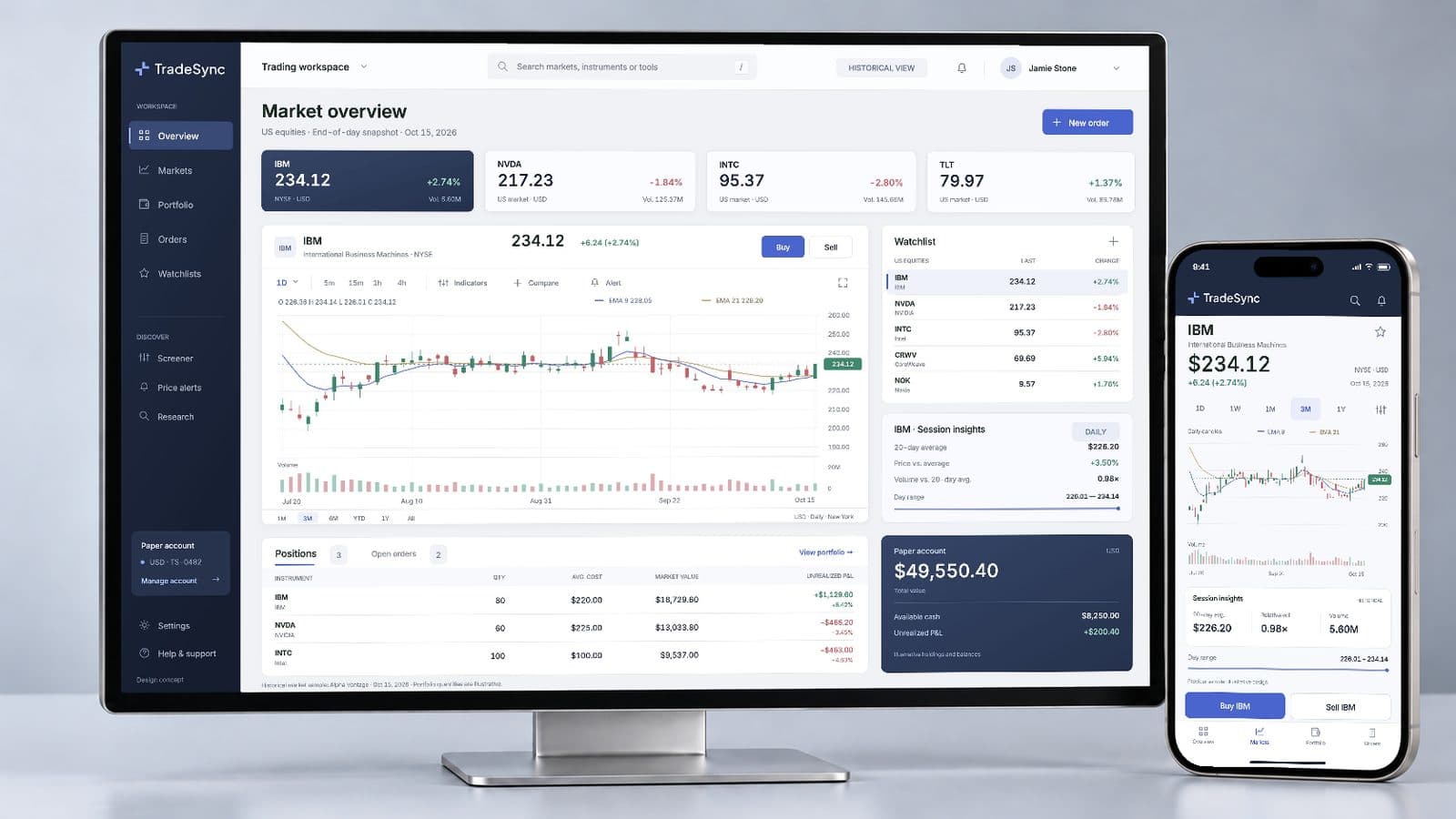
The TradeSync trading platform designed by Redlio Labs, on a desktop dashboard and a phone chart
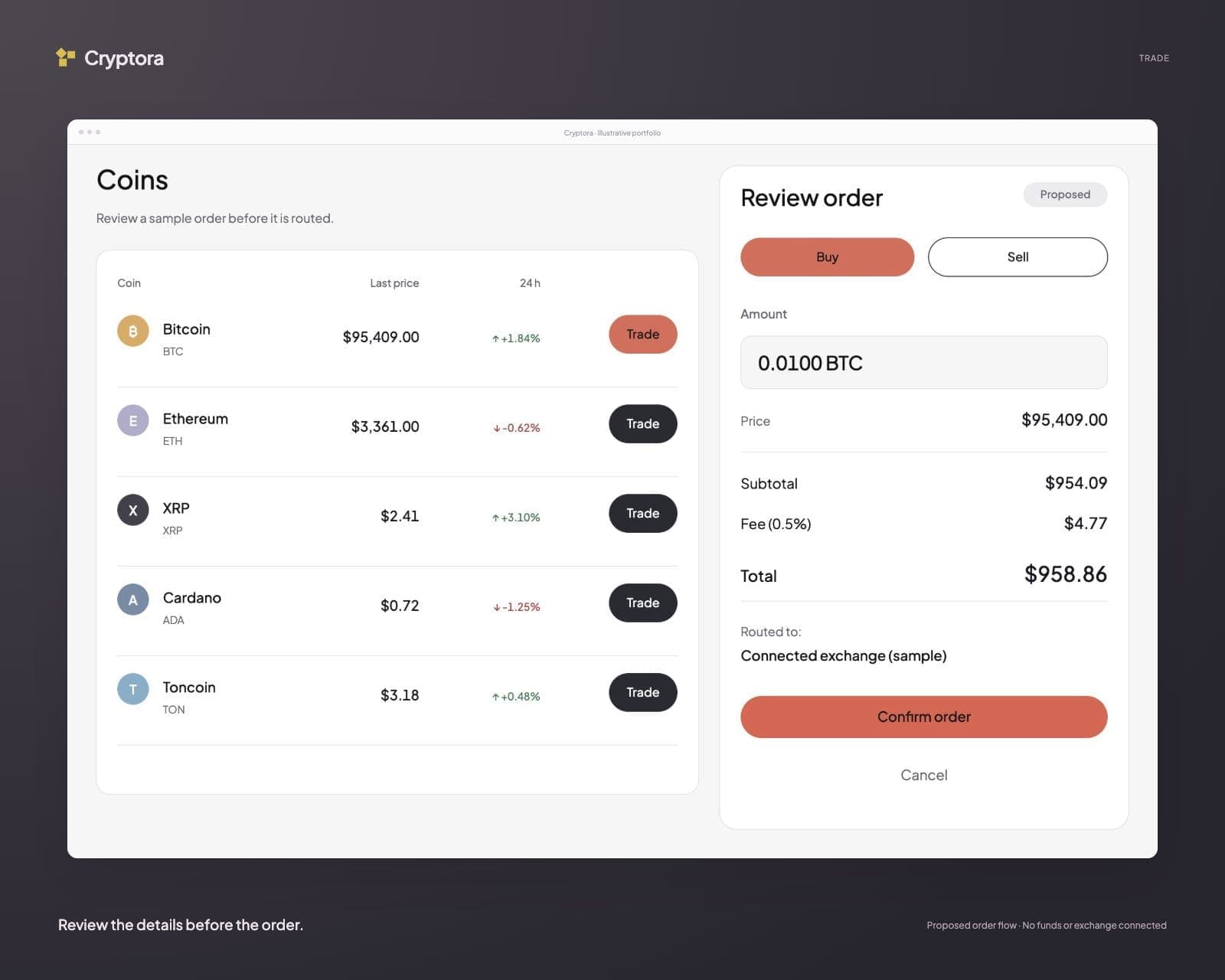
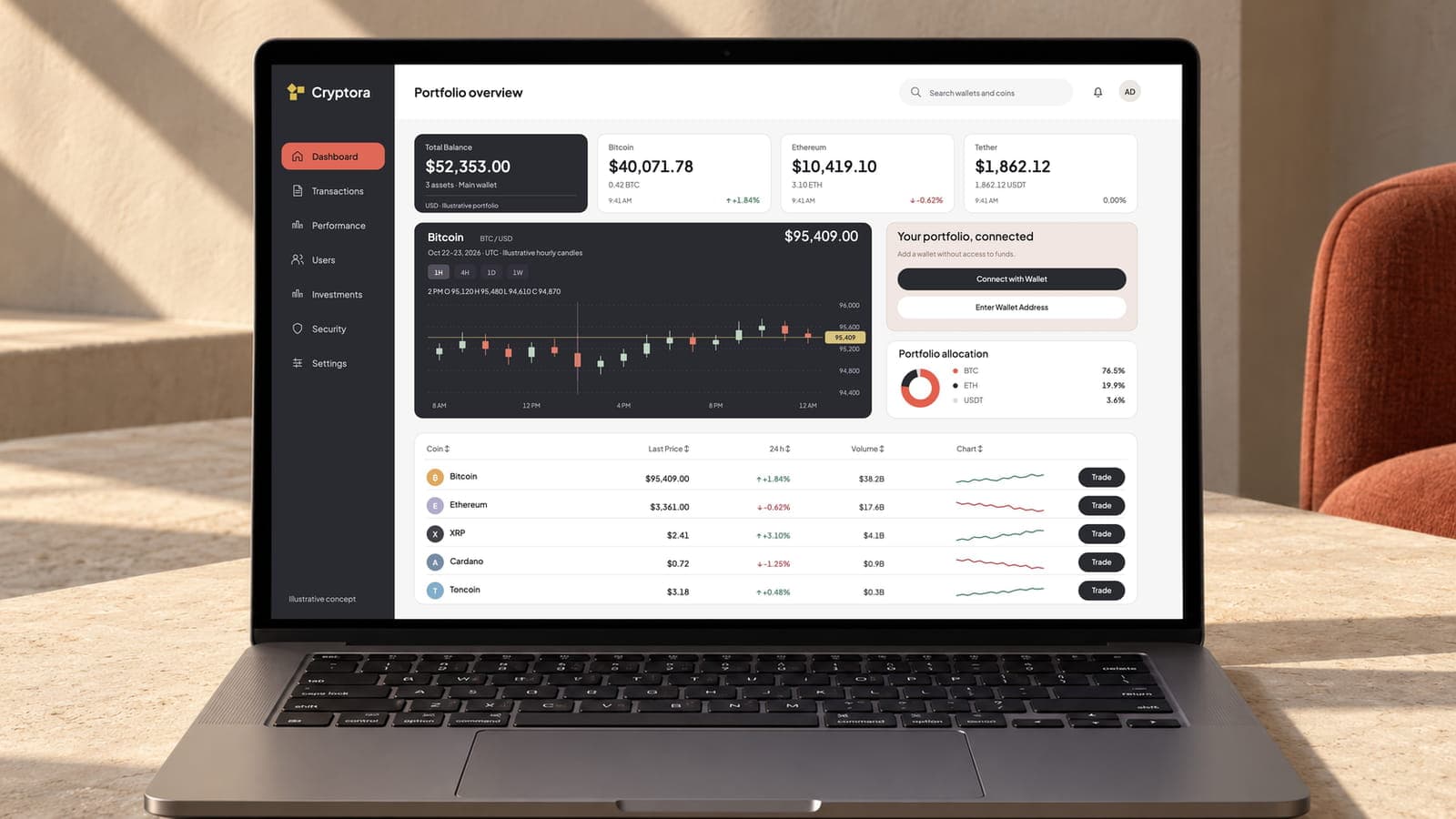
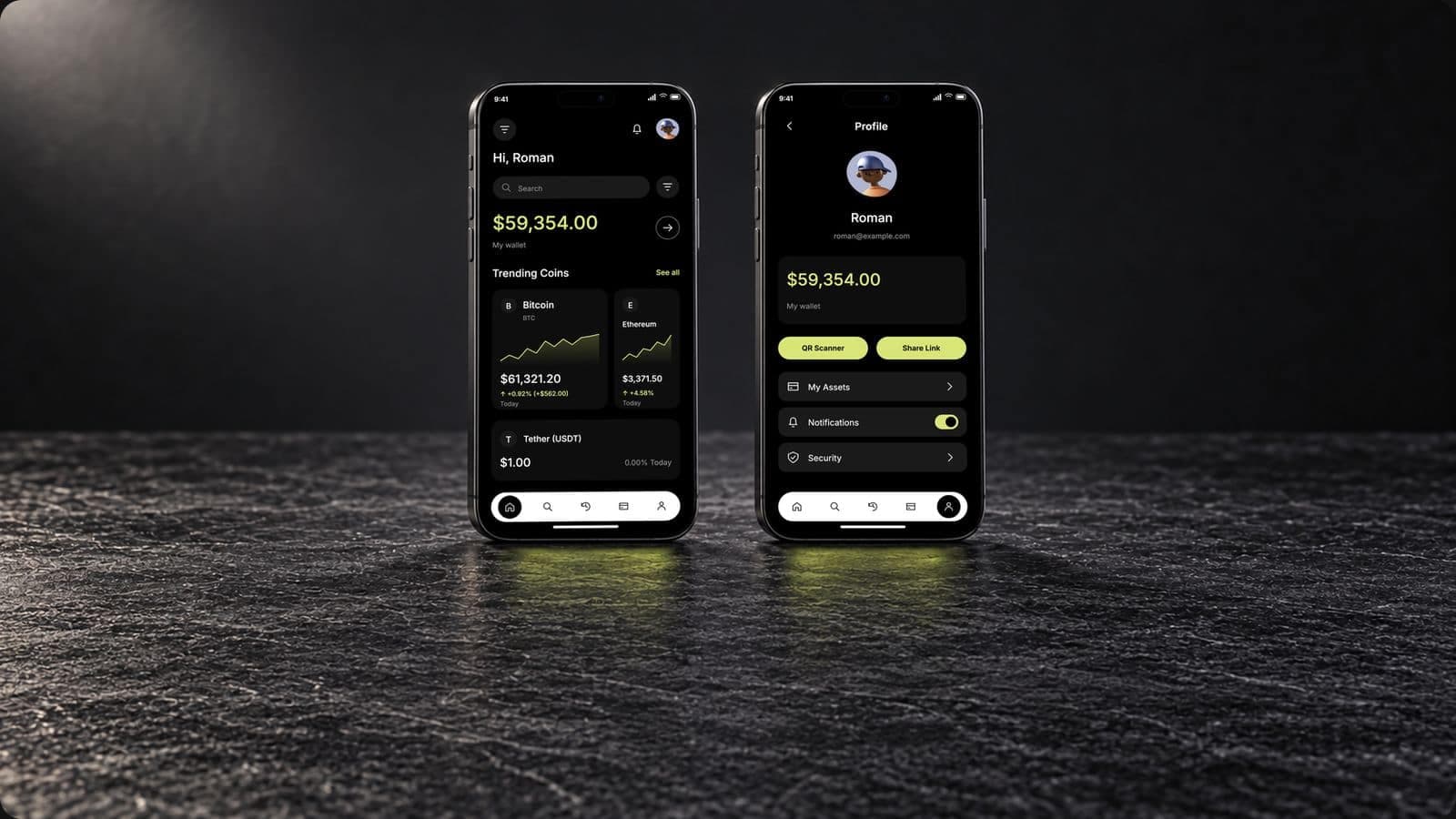
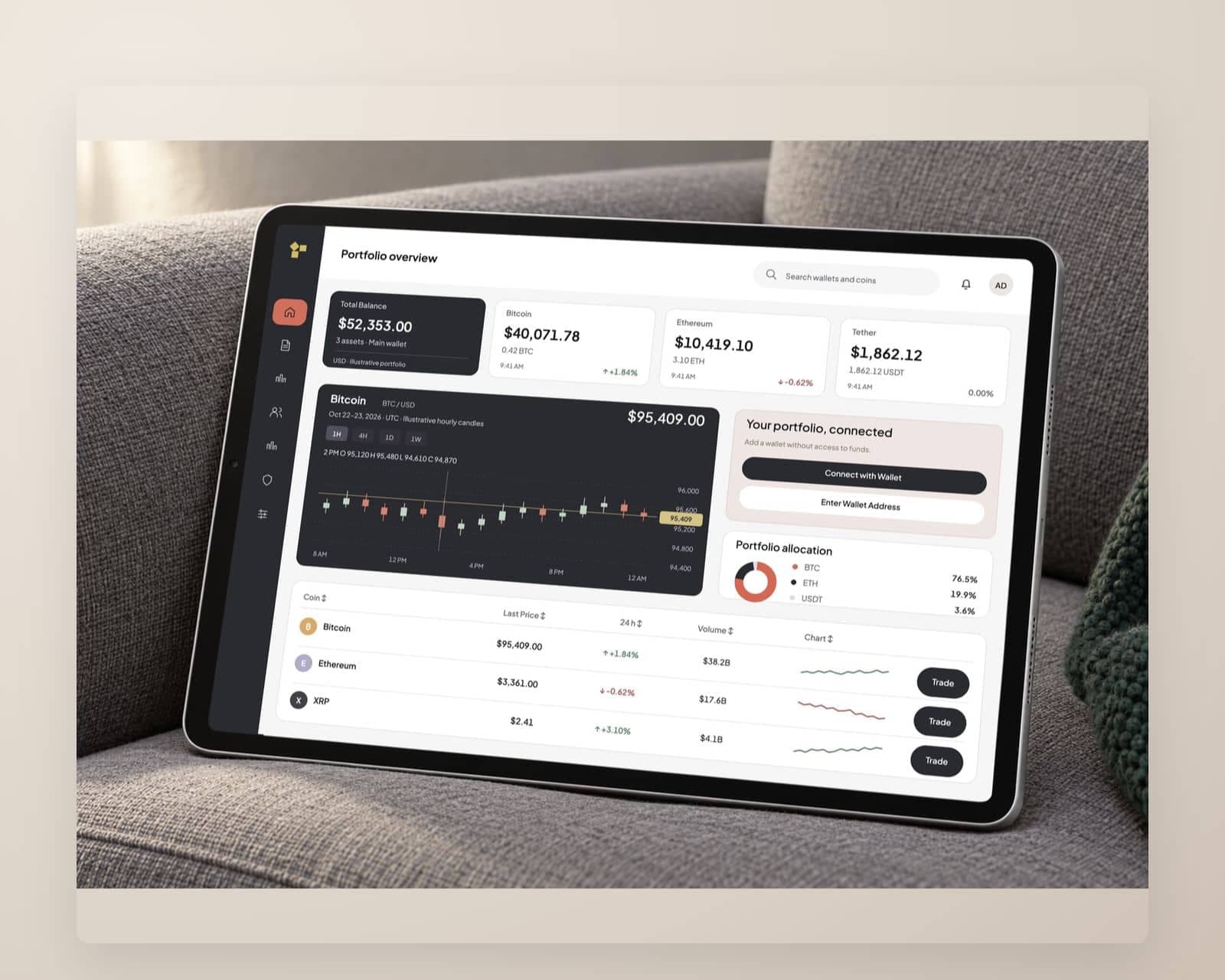
An order review screen from the Cryptora crypto dashboard designed by Redlio Labs

Rated 5.0 on Clutch and 5.0 on Google

“The admin panel feels like it was made specifically for us, because it was.”

Subhash TrivediVerified review on Clutch

Trusted by growing businesses

Why trading software development starts with who executes the trade

Trading software development means designing and building the platform a trader or investor uses to see the market, place orders and track a portfolio, with the systems behind it. The screens are the visible tenth. The rest is order execution, market data, accounts and records, and each of those belongs to someone outside the codebase.

The order goes to a broker. Either the client holds its own broker-dealer registration, and with it the market access rule and its pre-trade risk controls, or it builds on a partner broker’s API and inherits that broker’s order types and account model. The prices come under an exchange license that charges display and non-display use differently. The records go to the regulator.

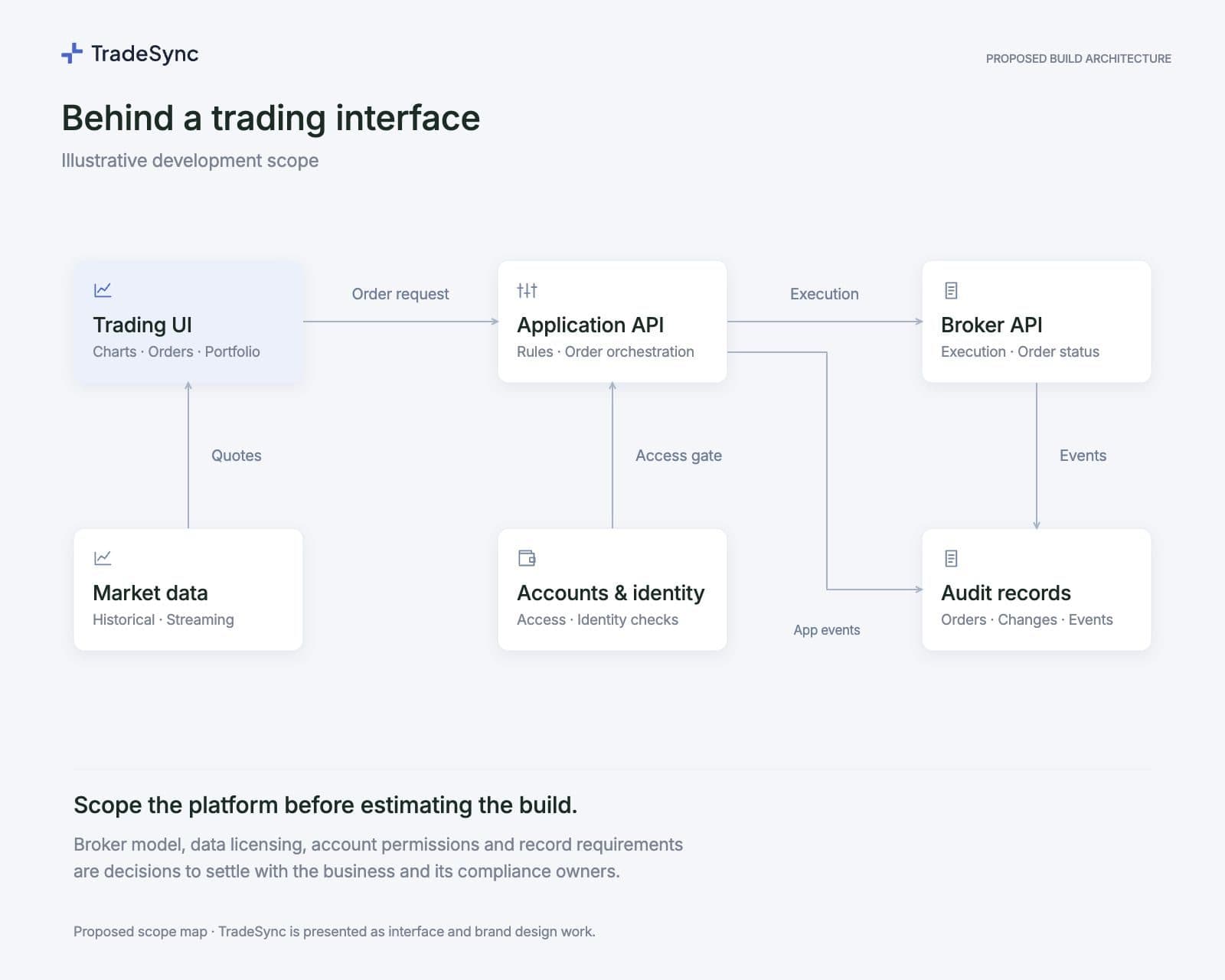
So at Redlio Labs we settle those three before the feature list. We map the execution path, the data license and the record keeping with the client’s compliance team, then design and build the platform around them. Our TradeSync trading platform design sets out the same order of work.

This is part of our fintech software development work and our custom software development practice: the same team designs the screens and builds the platform, with code, accounts and data in the client’s name.

Two colleagues going through work at a desk
  1. The execution pathWe settle who executes each order, the client’s own broker-dealer or a partner broker, and what that means for order types and accounts.
  2. The data licenseWe fix the market data feed, real time or delayed, and how its license treats each use before the estimate.
  3. The recordsWe plan the orders, changes and messages the regulator will ask for into the data model from the first sprint.

Our custom trading software development services

We offer six kinds of trading platform development, and a project can take any mix of them, from the trader’s screen to the back office behind it.

  • Custom trading platform development

    We build web and desktop trading platforms with charts, watchlists, order entry and positions, connected to the client’s broker or clearing partner.
  • Stock trading app development

    We build iOS and Android stock trading apps on the same API as the web platform, with the store rules for trading apps planned in.
  • Order and execution management

    We build order management (OMS) and execution workflows: order types, routing, stop-loss and take-profit, fills and pre-trade risk checks, over broker APIs or FIX.
  • Wealth management software development

    We build portfolio management, client onboarding, model portfolios, rebalancing and reporting on the custodian’s or broker’s data, so the assets stay with them.
  • Market data and analytics

    We connect real-time and historical market data feeds, screeners, alerts and backtesting, with one price source so every screen quotes the same number.
  • Trading back office

    We build KYC onboarding through a specialist provider, reconciliation against broker reports, commissions, statements and the audit trail compliance asks for.

Trading software development case studies

Client projects are told from the client’s own review. Design work is shown as work, with no client result claimed.

See all case studies

Reviews from clients we have designed and built for

  • Saurabh GoswamiManaging Director, Ultra Rich Weddings
    5/5★★★★★

    “Redlio Labs successfully delivered the project within schedule; they met all of our requirements. Their quality designs and in-depth knowledge of technology were key elements of their work.”

    Verified review on Clutch

1 / 4

A scoping call with the trading software developers who would build the platform

Thirty minutes on who trades on the platform, who executes the orders and which market data it needs, ahead of any proposal. Every inquiry gets an answer within 12 hours and an NDA ahead of the call, then a plain view on whether we are the right team.

Mayursinh JadejaFounder

Request a scoping call
  • Reply within 12 hours
  • A quote within 48 hours of the call
  • NDA before the first call
  • A straight answer on fit

Three ways a trading platform executes orders, and what each asks of the build

We compare the three routes before the feature list. The route decides the licenses, the order types, the account model and most of the testing.

The client’s own broker-dealerA partner broker’s APIA white label trading platform
Who executesThe client, under its own SEC and FINRA registrationThe partner broker, which holds the registration and the accountsThe vendor’s broker or the client’s, through the vendor’s system
What we buildThe platform, order management, risk checks, the connection to the market and the recordsThe platform, onboarding and portfolio views over the broker’s order and account APIBranding, configuration and the integrations the vendor allows
Rules that land on the buildPre-trade risk controls under the market access rule, best execution reviews, record keepingThe broker’s own compliance terms, which the platform must honorWhatever the vendor supports, and nothing it does not
App store submissionFrom the client, as the licensed institutionThrough the institution providing the trading service, as Apple requiresFrom the licensed institution, under the vendor’s app or the client’s
The real riskThe longest scope: licensing and clearing come before the first tradeA dependency on one broker’s API, products and pricingA product that looks like every other one built on the same vendor

Many fintechs start on a partner broker’s API with a custom platform on top, and move to their own registration once the volume justifies it. We design the data model so that move does not mean a rebuild.

Before the feature list

Six trading platform decisions we settle before design

Each takes an hour to agree at the start and months to unpick once traders hold positions on the platform. We agree them with the client’s team and write them into the scope.

  • Who executes

    We fix the execution route first: the client’s own broker-dealer, a partner broker’s API or a white label vendor, since it sets the rest.
  • Asset classes and order types

    We list the instruments the platform trades, stocks, ETFs, options or crypto, and the order types each one supports, before any screen.
  • Which market data, at what delay

    We choose real-time or delayed data, the feed and the license, since the license sets the latency, the disclaimers and a share of the running cost.
  • Accounts and identity

    We settle onboarding, KYC through a specialist provider and what each role may see and do, with the people who own compliance.
  • Records the regulator reads

    We plan orders, changes and messages into an audit trail from the first sprint, in the format the client’s regulator accepts.
  • Risk checks and limits

    We agree the pre-trade checks, position limits and the controls that stop an erroneous order before it reaches the market.

What trading software must settle about execution, data and records

Each point comes from FINRA’s, the SEC’s, NYSE’s, Apple’s or Google’s own documents, read on November 2, 2026. They apply whoever builds the platform, so we advise putting each one to any supplier before the estimate.

  1. A broker-dealer with market access must apply risk management controls on a pre-trade basis, under its direct and exclusive control, so the platform’s order path has to run through them (FINRA, SEC Rule 15c3-5)
  2. FINRA Rule 5310 requires reasonable diligence to find the best market for a customer’s order, and firms that route orders out review execution quality at least quarterly, by security and order type (FINRA Rule 5310)
  3. FINRA Rule 4511 requires books and records in a format that complies with SEA Rule 17a-4, kept at least six years where no other period is set, so retention and deletion are part of the design (FINRA Rule 4511)
  4. Rule 17a-4 allows electronic records in a non-rewriteable, non-erasable format or with a complete time-stamped audit trail of every change, which decides how the database stores orders (FINRA books and records)
  5. NYSE licenses non-display use of real-time data, such as algorithms or matching orders, separately from display use, so a platform that computes on prices needs that license too (NYSE market data policies)
  6. NYSE data delayed 15 minutes carries lighter reporting, but every screen that shows it must display a delay notice such as “Data Delayed 15 minutes” (NYSE delayed data policy)
  7. Apple accepts trading and investing apps only from the financial institution providing the service, so a fintech without its own license publishes through its broker partner (App Review Guideline 3.2.1(viii))
  8. Every app on Google Play completes a Financial features declaration, and stock trading and portfolio management is one of the features it names (Play Console Help)

We work through all eight in discovery and write the answers into the scope, so the estimate already carries them. The store rules for trading apps are set out in more detail on our TradeSync case study.

When custom trading software development is the wrong choice

Three cases where we advise a different route:

  • A white label platform does the job

    Where the product is close to what a white label vendor already sells, and speed to market matters more than difference, we advise the white label trading platform. Build vs buy software sets out where that line falls.
  • The edge is microseconds

    High-frequency trading that competes on co-located hardware and microsecond latency is specialist infrastructure work. We advise a firm that builds only that, and stay on the platform, data and back office around it.
  • No one holds the license yet

    Where neither the client nor a partner broker will execute the trades, the first task is the license or the partnership, not the software. We advise settling it before any build budget is spent.

Custom trading software development is the right choice where the order flow, the asset mix, the data or the client experience is what sets the business apart, and the execution route is already settled.

Our trading platform development process

Step 1 of 5

Discovery

We map your workflows, systems, and constraints with the people who use them every day, before anything is scoped. For a trading platform: we map the execution route, the asset classes, the market data license and the records the regulator will read.

Discovery

  • Workflow map
  • Systems inventory
  • Constraints and risks
A team reviewing work together around one screen

Why companies choose Redlio Labs as their trading software development company

  1. Execution and data first

    We settle who executes, which data is licensed and what the records hold before the screens, so the scope holds when compliance reads it.
  2. Design and build from one team

    We design the trading screens and build the platform with the same people. Our trading design work includes TradeSync and the Cryptora portfolio dashboard.
  3. Security in the data model

    Account and order data is encrypted in transit and at rest, with roles and permissions agreed in discovery and the audit trail built in.
  4. A straight answer on the route

    If a plan depends on a license nobody holds, or on data the budget cannot license, we say so in the first call, before any estimate exists.

Guides to read before commissioning trading software

  • Planning the integration boundary between an existing system and a custom workflow

    Software Development22 min read

    Build vs buy software is decided where the two meet

    Is it better, or cheaper, to build or buy? The statistic the debate leans on, traced to its source. Then who publishes the advice, a real project that went custom, the boundary no comparison prices, and what it costs to change your mind.

Trading software development FAQs

If something here does not answer it, ask the founder directly.

Mayursinh Jadeja

Talk to the people who do the work

A 30 minute scoping call with the team that would take the project on. We reply within 12 hours.

Request a scoping call

Prefer email?info@redliolabs.com

What is trading software development?

Trading software development is the work of designing and building the platform people use to see the market, place orders and manage a portfolio, with the order management, market data, accounts and records behind it. It differs from other software work in one way: the broker, the data license and the regulator each control part of the build. We plan those first.

Do we need a broker-dealer license to launch a trading platform?

No, a trading platform can launch without its own broker-dealer license if it builds on a partner broker that holds the registration and the accounts. The partner executes the orders and its terms shape the product. A company holding its own registration gains control and brings the market access rule, best execution and record keeping into the build. We set out both routes in the comparison above.

How much does trading software development cost?

We price trading software development against a written scope, so no figure is honest before scoping. The execution route, the asset classes, the market data license, the broker or FIX integrations and the compliance records move the price most, and the screen count moves it least. Our guide to custom software development cost lays out what to compare across quotes.

What market data does a trading platform need?

A trading platform needs a licensed price feed, real time or delayed, for every instrument it shows, and often historical data for charts and backtesting. The license matters as much as the feed: exchanges charge display and non-display use differently, and delayed data must carry a delay notice on every screen. We choose the feed and the license in discovery.

How long does it take to build a trading platform?

We set the timeline in discovery, once the execution route, the asset classes and the data feed are fixed, because those decide it more than the screens. A custom platform on a partner broker’s API is the shorter route; a platform on the client’s own broker-dealer adds licensing, clearing and market connectivity. We release in stages so the first version reaches users sooner.

Should we use a white label trading platform or build a custom one?

Use a white label trading platform when the product is close to what the vendor sells and launch speed matters most. Build custom trading software where the order flow, the asset mix, the data or the client experience sets the business apart, or where license fees outgrow the cost of owning the software. A hybrid, a custom front end on a partner broker, often sits between the two.

How do you build a stock trading app?

We build a stock trading app in this order: settle who executes the trades and which market data to license, design the chart, order and portfolio screens, connect the broker API and the data feed, add accounts, KYC and audit-ready records, then test real order scenarios before the store submission. Apple requires that submission to come from the licensed institution.

Do you integrate with FIX and broker APIs?

Yes, we connect trading platforms to brokers and venues through their REST or streaming APIs, or through the FIX protocol where the counterparty uses it. We build the order and execution management around that connection, with rejections, partial fills and reconnects tested against the broker’s sandbox before go-live.

Do you build algorithmic trading software?

Yes, we build algorithmic trading software for strategy rules, backtesting on historical data, alerts and automated order placement through a broker’s API, with pre-trade limits on every automated order. Strategies that compete on microsecond latency and co-located hardware are specialist infrastructure, and we say so before scoping.

Do you build wealth management and portfolio management software?

Yes, our wealth management software development covers client portals, portfolio management, model portfolios, rebalancing and performance reporting, on the custodian’s or broker’s data. The assets stay with the custodian; the software reads positions, proposes trades and keeps the records.

Are you a trading software development company in India?

Yes, our designers and engineers work from Ahmedabad, India, and we take on trading platform work for clients in the US and elsewhere. The people on the scoping call are the people who build the platform, and the code, accounts and data stay in the client’s name.
How do I choose a trading platform development company?

We advise choosing the company that can say, before it estimates, who will execute the orders, which data license the platform needs and how the records will be kept. The eight rules above are a fair test to put to any supplier. Our guide on choosing a software development company adds the checks that apply to any build.

Request a scoping call on your trading platform and the execution behind it

Half an hour with the designers and engineers on the build team. We ask who trades on it, who executes the orders and which data it needs. A reply follows inside 12 hours, the NDA comes before we talk, and the answer on fit is an honest one.

Prefer email?info@redliolabs.com

We use what you send to understand and answer your inquiry. Privacy policy

  • We reply within 12 hours
  • A quote within 48 hours of the scoping call
  • You talk to the people doing the work, never an account manager
  • Peer-reviewed releases
  • NDA before your first call
Mayursinh Jadeja

Mayursinh Jadeja

Founder, Redlio Labs

Rated 5.0 on Clutch and 5.0 on Google