
Retail software development services built around one stock figure
Our retail software development services keep the tills, the stockroom, the warehouse and the online store selling from one stock figure, one price and one customer record. We agree which system holds each before anything is designed.
- Each system’s job agreed before anything is designed
- Integrations scoped and priced before the build
- Go-live store by store beside the old process
 Reviewed by Mayursinh Jadeja, Founder · Last updated October 14, 2026
Rated 5.0 on Clutch and 5.0 on Google
“The admin panel feels like it was made specifically for us, because it was.”
Trusted by growing businesses


Why our retail software development starts with the stock figure
We start a retail build with one question: how many of this item can we sell right now? In a retailer with stores, a warehouse and an online store, several systems answer it. Each can give a different number.
Where nobody settled which number is right, people fill the gap. A store holds stock back from the website to be safe. A click and collect order is accepted for the unit a shopper just carried to the till. A promotion runs in stores and not online.
The US Census Bureau put e-commerce at 17.1 percent of US retail sales in the second quarter of 2026. The rest was not ordered online, so our custom retail software development starts in the store. We settle three things with you before anything is designed.

- The stock figureWe agree how each channel counts what it may sell, and which system wins when two disagree.
- The price and the promotionWe record where prices and promotions are set, and how a change reaches tills, shelf labels and the website.
- The store teamWe spend time with the people who sell, receive and count stock, and note what they need on the shop floor.
Our retail software development services
We build six kinds of retail software, on their own or connected to the platforms you already run. We scope each one around the stock, prices and customers it shares with the rest.
POS integration and store checkout
We connect the POS you run to stock, prices, promotions and loyalty, and build the store screens your POS does not offer.Inventory across stores and warehouse
We build one view of stock by location, with transfers, counts and a sellable figure every channel promises from.Click and collect, ship from store and returns
We build order routing that picks the right store or warehouse, and returns that put stock back where it can sell again.Loyalty, pricing and promotions
We build one customer record and one set of price and promotion rules that the tills and the website both apply.Store staff apps
We build phone and handheld apps for stock lookups, receiving, counts and picking, connected to the same stock figure.Retail ERP and supplier integration
We connect stores and channels to your ERP and suppliers, so purchase orders, costs and deliveries pass over monitored links.
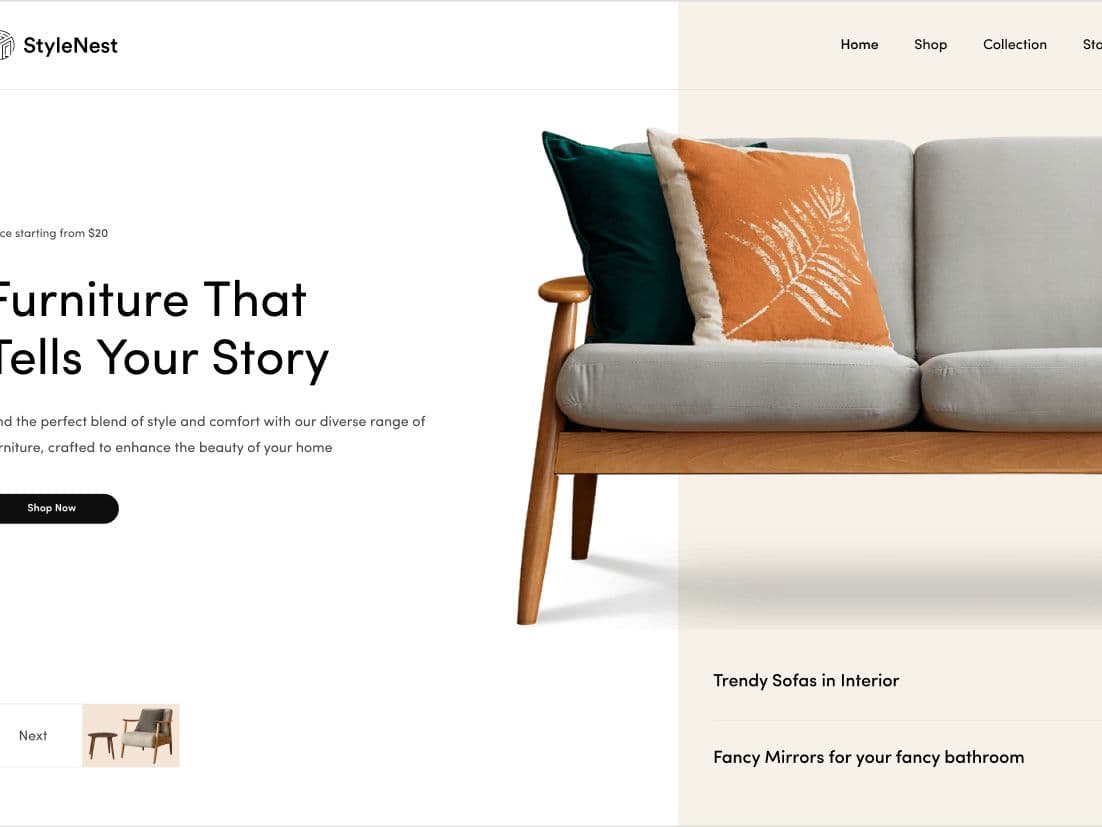
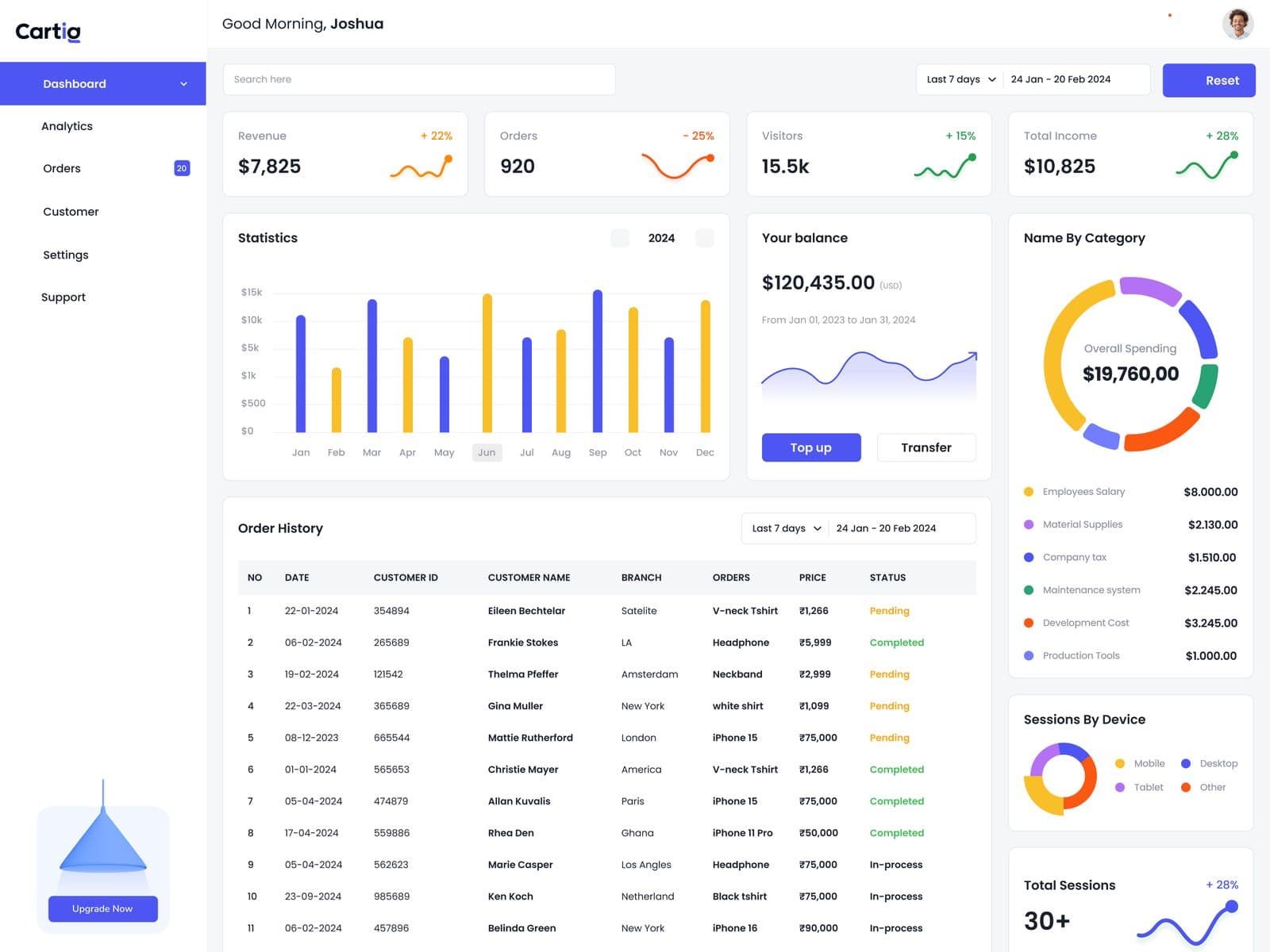


Retail case studies
Client projects are told from the client’s own review. Design work is shown as work, with no client result claimed.
Client project
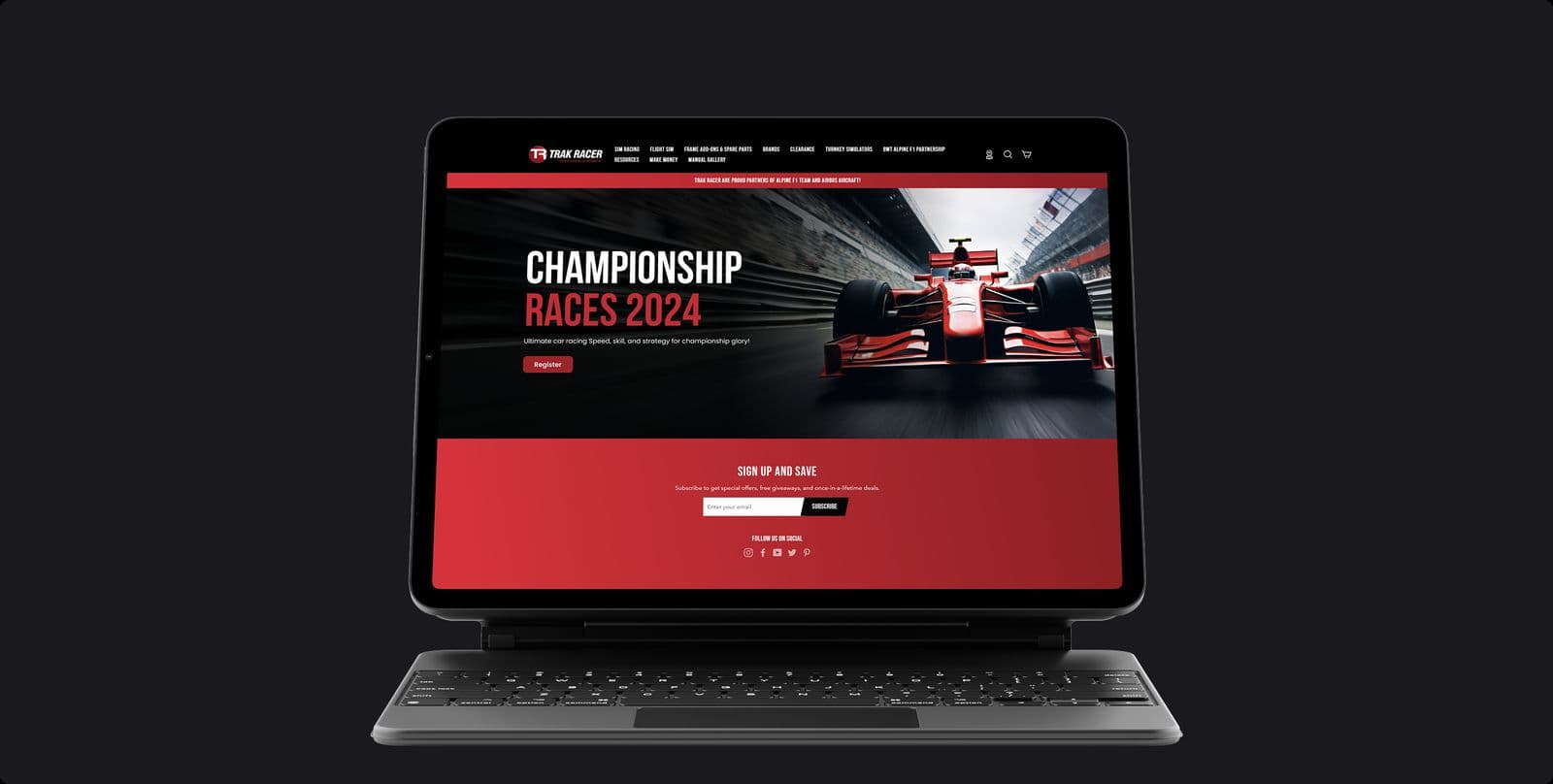
Shopify store development for a sim racing cockpit maker
A Shopify store for racing simulator rigs: more than 18 web pages and more than 20 mobile screens.
18+web pages developed for the store
Design work
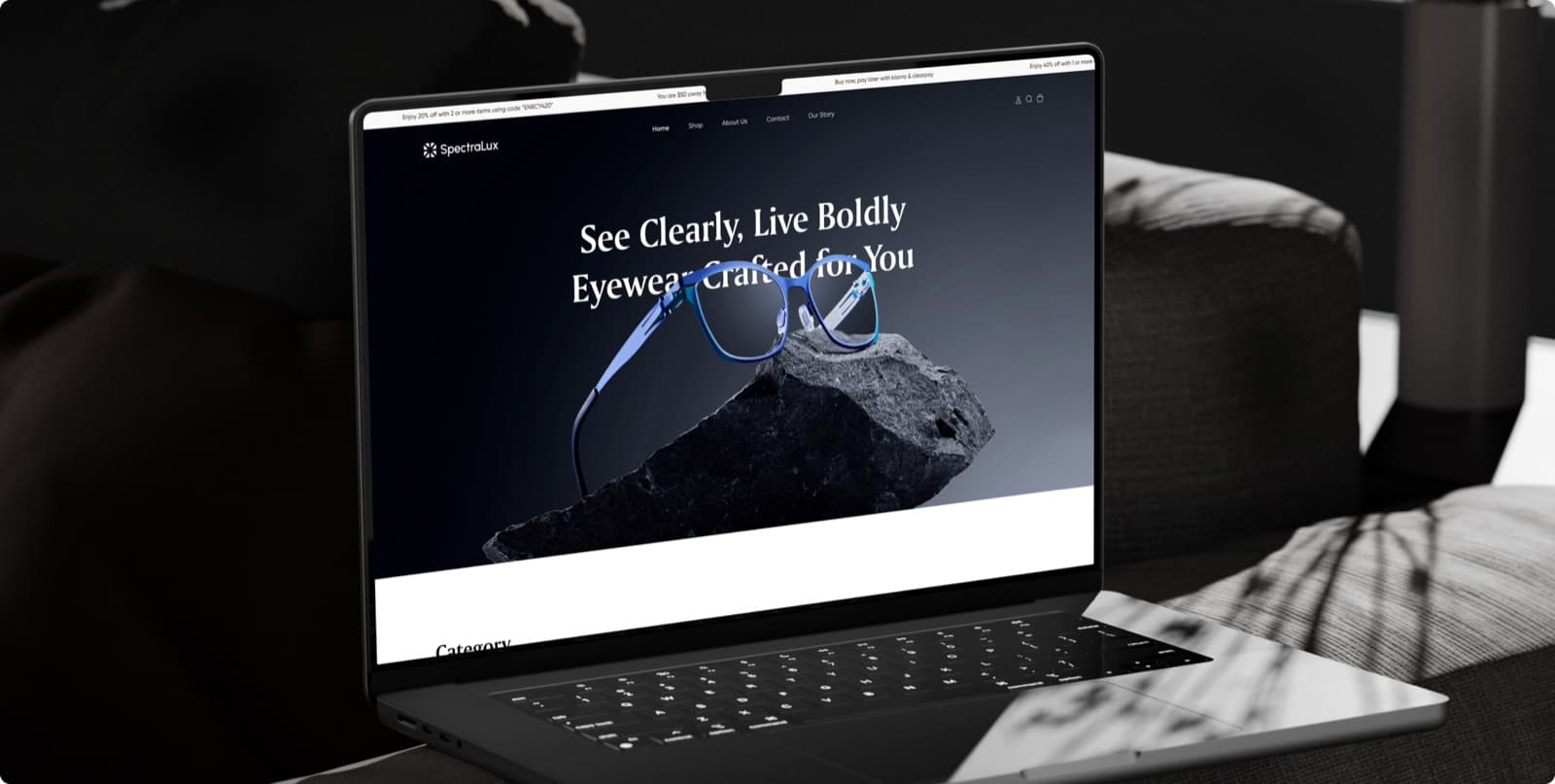
Eyewear store website design, with identity and packaging
An online store for an eyewear company, with a sign and a shipping box.
Design work
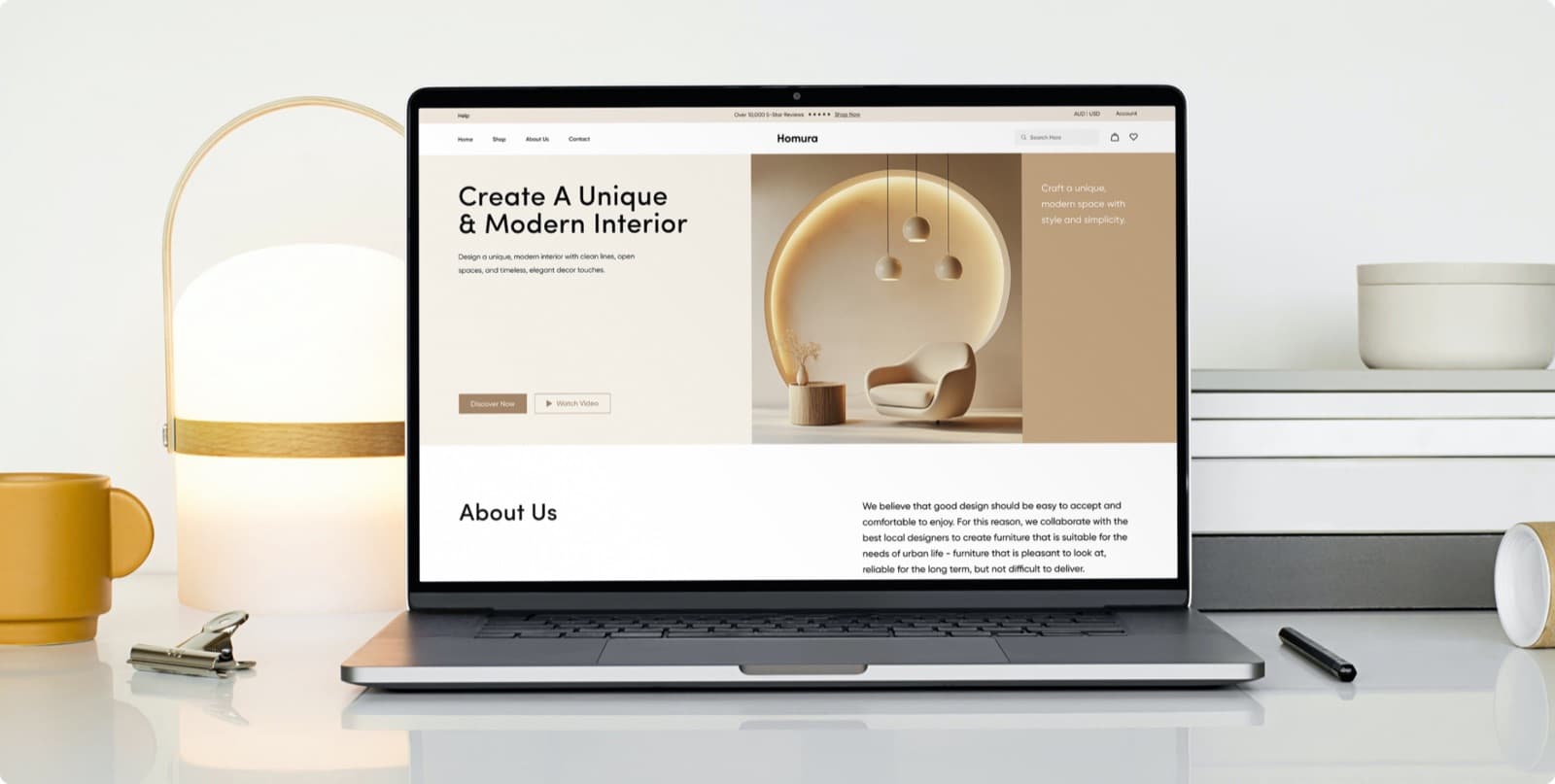
Furniture store website and brand design, with a billboard
A website and identity for a furniture store, on screen, tape and billboard.
Rated by the clients who have worked with us
Saurabh GoswamiManaging Director, Ultra Rich Weddings 5/5★★★★★“Redlio Labs successfully delivered the project within schedule; they met all of our requirements. Their quality designs and in-depth knowledge of technology were key elements of their work.”
 Verified review on Clutch
1 / 4
Find out which system should hold your stock figure before anyone prices the build
We give you thirty minutes with the people who would build it, on your tills, your stock and your channels. We give you a straight answer on whether to build custom, extend the platform you run or stay with a packaged one.
 Mayursinh JadejaFounder
- Reply within 12 hours
- NDA before the first call
- A straight answer on fit
Retail software integrations: POS, ERP, the online store and the warehouse
A retailer’s systems each hold part of the truth. We scope the six we usually meet: what each one should be the record of, and what goes wrong when nobody agreed it.
| System | What it should be the record of | What goes wrong |
|---|---|---|
| POS (the tills) | Sales and returns in each store, as they happen | A sale made while the till was offline reaches stock hours later, after the same unit sold online |
| ERP | Products, costs, purchasing and the books | A price change reaches the tills a day after the shelf labels |
| Warehouse and stockrooms | Physical stock by location | A store shows stock that is still on a truck between sites |
| Online store | Online orders and the stock they reserve | Click and collect is offered on a last unit that a store has already sold |
| Loyalty and customer records | One customer and their points across channels | Points earned online that the till cannot see |
| Payments | Card authorization, kept with the payment provider | Card data passing through software that was never designed to hold it |
We advise agreeing these six before anyone prices a feature, which is why our custom software development work scopes and prices every integration first. For the online store itself, our custom ecommerce development page covers the build, including a boutique fashion store we built in the UK.
Seven inputs to one stock figure across stores and channels
We advise agreeing in writing how each of these is counted before any vendor builds the stock logic, including us. Every channel then promises from the same number.
- Stock on hand at each location, and which system the store team updates when it moves.
- Units reserved by orders not yet picked: online orders, click and collect and customer holds.
- Units in transit between the warehouse and stores, and whether either location may sell them.
- Units that cannot be sold: damaged, display models and returns waiting for inspection.
- A safety buffer per item and location, so the last unit is not promised twice.
- How quickly each channel sees a sale, and what happens while a till is offline.
- Which system wins when a count disagrees, and who is allowed to correct it.
We treat these seven as the scope of the stock work. Left for later, they are why stores hold stock back from the website.
Card data, explained
How PCI DSS shapes retail software: keeping card data out of scope
Every store that takes cards handles payment data, and the standard that governs it decides how much of your software has to meet it. We design to keep that part small.
Who PCI DSS covers
The PCI Security Standards Council says PCI DSS applies to merchants and others that store, process or transmit cardholder data, or could affect its security. We design with that line drawn first.Card data stays with the provider
We design store and order software to carry the payment provider’s reference, never the card number. Less of the system then touches card data at all.Encryption at the terminal
The Council says merchants using PCI-listed P2PE solutions have fewer applicable PCI DSS requirements. We advise asking your payment provider about it before the store checkout is designed.Who decides what you validate
Whether a merchant must validate compliance is set by the payment brands and the acquirer, not by a software vendor. We advise confirming your requirement with your acquirer and designing to it.
When to buy a retail platform instead of custom retail software development
Mature retail platforms exist. We advise buying one in three cases, and we say so on the first call:
A standard way of trading
Where one packaged platform covers your tills, stock and online store as you trade today, we advise configuring it. Its terminal and payment connections already exist.One missing connection
Where stock or orders fail to reach your ERP or website, we build that one connection and you keep the platform you have.A new checkout at the till
Where the need is a new till, we advise a packaged POS with your payment provider’s own terminals. We build the stock, pricing and staff tools around it.
We recommend custom retail software development where your stock, pricing or store processes keep ending up in spreadsheets. We also build the layer that makes the platforms you keep agree.
How we deliver custom software development for the retail industry
Step 1 of 5
Discovery
We map your workflows, systems, and constraints with the people who use them every day, before anything is scoped. For retail: we spend time in a store and its stockroom, and list every system that holds stock, prices or customers.
Discovery
- Workflow map
- Systems inventory
- Constraints and risks
Step 2 of 5
Scope and plan
We write a scope, a timeline, and a price for that scope. Architecture decisions are made and documented before code starts. For retail: we agree which system holds each figure, and scope and price every integration before the build.
Scope and plan
- Written scope
- Timeline and milestones
- A price for that scope
- Architecture decisions
Step 3 of 5
Build in stages
Senior engineers deliver in planned stages, with working software demonstrated at every step, not a reveal at the end. For retail: we test the stock logic against copies of real sales, returns and transfers before any store uses it.
Build in stages
- Planned stages
- Working software every step
- Senior engineers on the code
Step 4 of 5
Launch
Data migration, training, and a production cutover planned around your operations and your calendar, not ours. For retail: we go live one store or region at a time beside the old process, outside your peak trading weeks.
Launch
- Data migration
- Team training
- Production cutover
Step 5 of 5
Run and improve
The team that built your system stays on it: monitoring, support, and the next improvements on one roadmap.
Run and improve
- Monitoring
- Support
- Improvement roadmap

Why retailers choose Redlio Labs for retail software development
Integrations priced first
We scope and price every connection to your POS, ERP, warehouse and online store before the build, so the quote you approve already includes them.One team for design and build
Our designers and engineers work on the same system, so the store screens you approve reach launch without a handover.Direct access to the team
We keep the people who built the system on it after launch. You talk to the people doing the work, never an account manager.A straight answer on fit
Where a packaged retail platform would do the job, we say so on the first call, before anyone writes a proposal.
FAQs about choosing a retail software development company
If something here does not answer it, ask the founder directly.

Talk to the people who do the work
A 30 minute scoping call with the team that would take the project on. We reply within 12 hours.
Prefer email?info@redliolabs.com
What is retail software development?
Retail software development is building the software a retailer runs its stores and channels on. It covers point of sale integration, stock across stores and warehouse, and order routing for click and collect and returns. It also covers loyalty and promotions, store staff apps, and the links to the ERP and suppliers.
Most of the work is making those systems agree on one stock figure, one price and one customer.
What does a retail software development company do?
As a retail software development company, we build and connect the systems behind a retailer’s stores and channels. We agree which system holds stock, prices and customers, then build the integrations, the stock logic and the tools store teams use.
Retail is one of the industries we build software for, alongside logistics and ecommerce.
How much does custom retail software development cost?
We base the cost of custom retail software development on three things: the number of systems to connect, the number of stores and devices, and how far your pricing and stock rules are from standard. Integrations weigh most, because each one has to be tested against real sales. We do not publish prices; our guide to what decides custom software cost explains the drivers.
How long does it take to build retail software?
We give a timeline after discovery, once every system that holds stock, prices or customers is listed. Those systems decide the time more than the number of screens does.
A rollout across stores also takes time of its own. We plan it one store or region at a time and keep it clear of your peak trading weeks.
Can you integrate our POS with our ERP and online store?
Yes, we connect the POS, the ERP and the online store you already run, through their APIs or scheduled files. Often that connection is the whole project and no new system is needed. We scope and price each integration before the build. Where the ERP itself is the gap, our ERP software development service covers it.
Should we build custom retail software or buy a retail platform?
We advise buying when one packaged platform covers your tills, stock and online store as you trade today. We advise building, or building the layer between the platforms you keep, when your stock, pricing or store processes keep ending up in spreadsheets. Our build vs buy guide covers where the boundary between the two usually falls.
Does custom retail software have to meet PCI DSS?
Custom retail software falls under PCI DSS if it stores, processes or transmits cardholder data, or could affect its security. That is how the PCI Security Standards Council defines who the standard applies to. We design store and order software to carry the payment provider’s reference instead of card data, so less of it is in scope. Your acquirer decides what you must validate.
Have you built software for retailers?
Yes, and our published retail examples are online stores. We designed and developed a Shopify store for a sim racing cockpit maker. Our design work includes eyewear, furniture and perfume store websites. On the first call we give you a straight answer on fit for the store side of your project.
Scope your retail build around one stock figure across every channel
Tell us how many stores you run, which systems hold your stock and prices, and where the channels stop agreeing. On a 30 minute scoping call, the people who would build it say which system should own each figure, and whether a packaged platform would do. We reply within 12 hours and sign an NDA before the first call.
- We reply within 12 hours
- You talk to the people doing the work, never an account manager
- Peer-reviewed releases
- NDA before your first call

Mayursinh Jadeja
Founder, Redlio Labs