

MVP development cost: what it depends on, and when a prototype is enough
Why MVP cost depends on the question it answers, how a prototype, an MVP and a full product differ, which parts to build to last, and the questions that set an MVP quote.
We design SaaS products, internal tools, dashboards and apps for mid-size and large companies: research with the people who use them, flows and design systems, and files your engineers can build from without guessing.
 Reviewed by Mayursinh Jadeja, Founder · Last updated 5 October 2026


A design gets approved in a meeting by people who will never use it. It fails months later, when the team that does use it every day needs a workaround, a spreadsheet beside it, or someone to show them where a feature went.
The second place it fails is the handoff. A beautiful file arrives with no states for errors, empty screens or slow data, and the engineers fill the gaps themselves.
So we design with the people who will use the product, for the tasks they do most, and we hand over files that answer the engineers’ questions before they ask.
Six kinds of design work. New products usually need the first three; existing ones usually start with an audit.
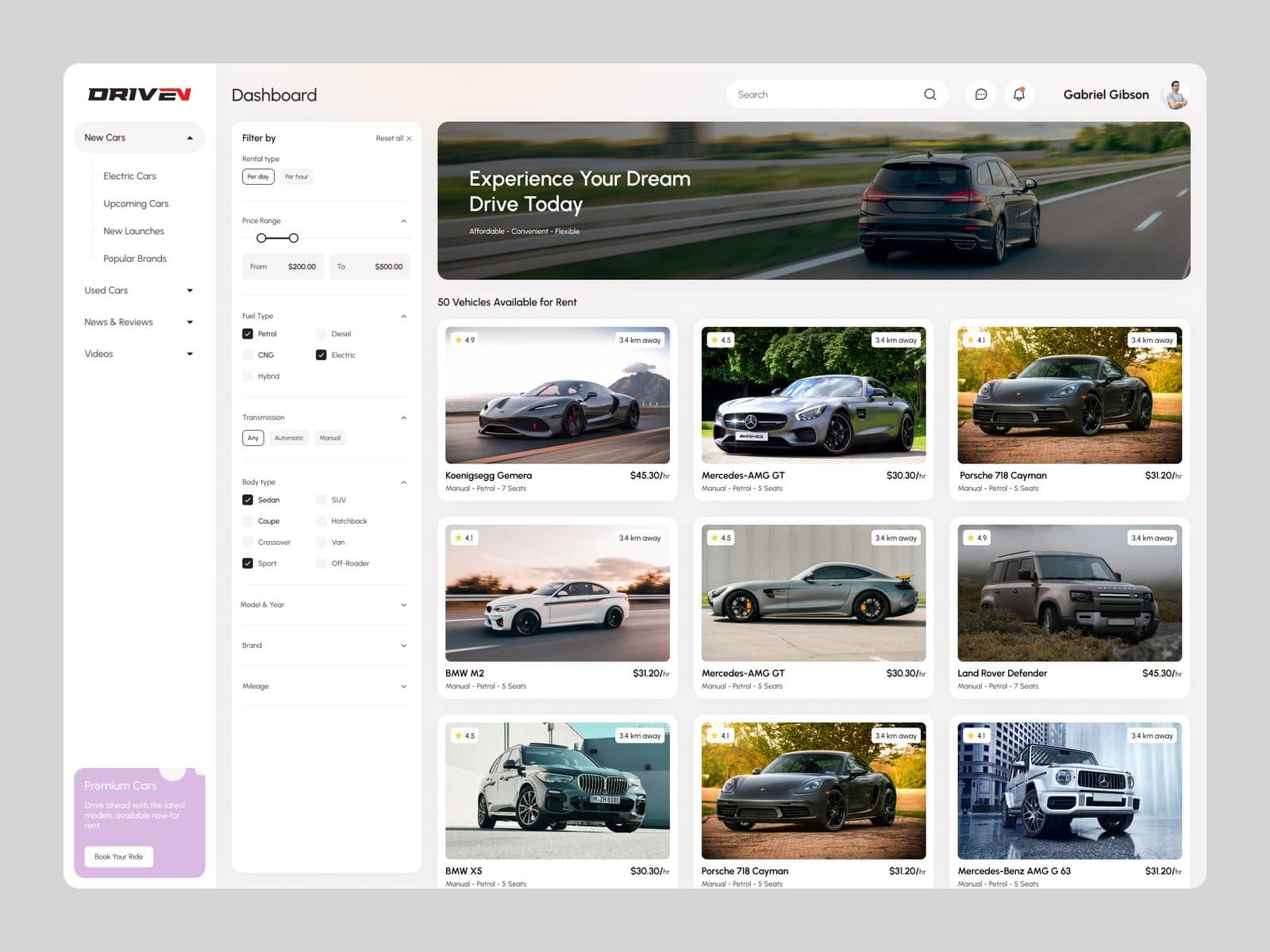
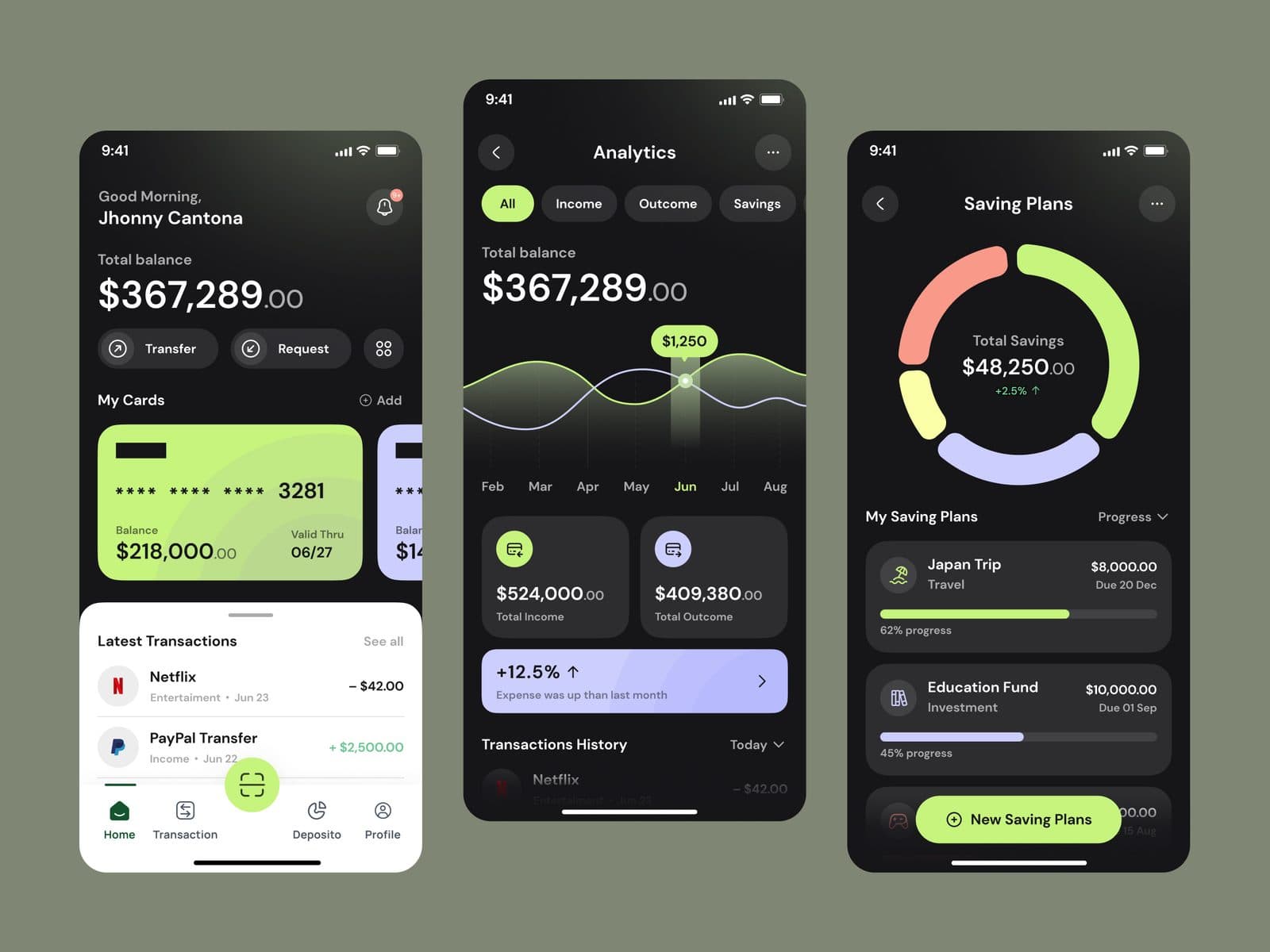
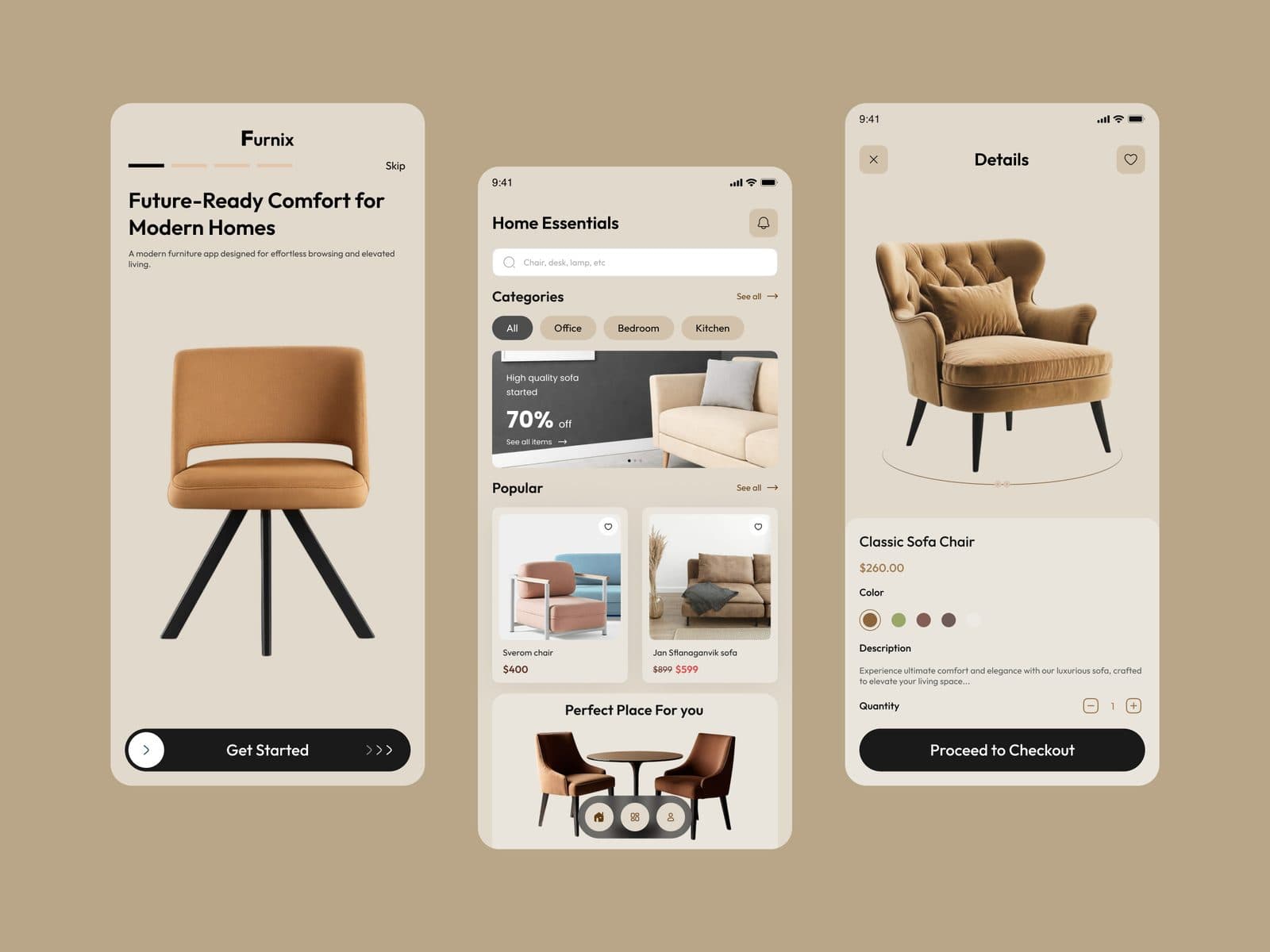
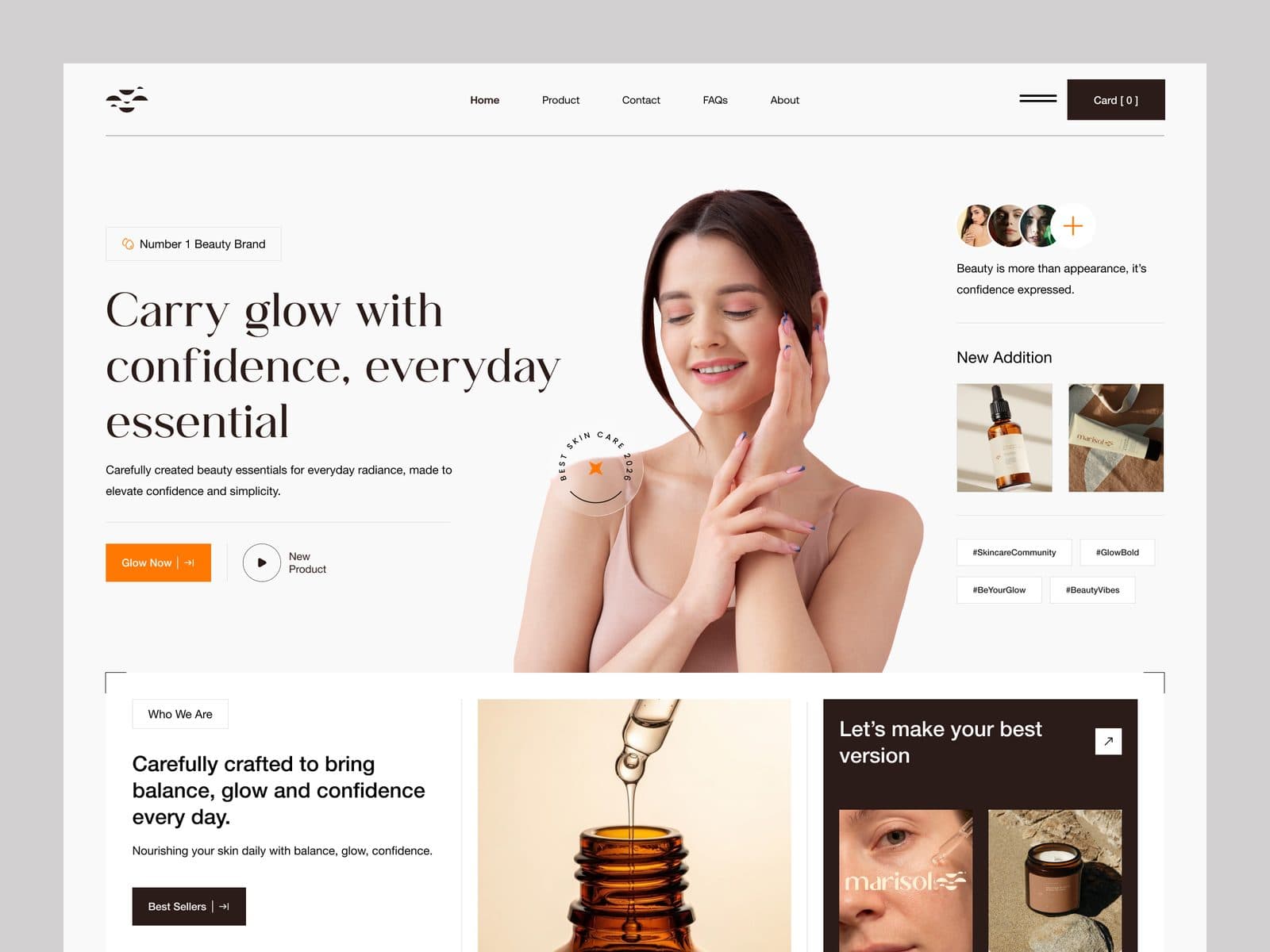
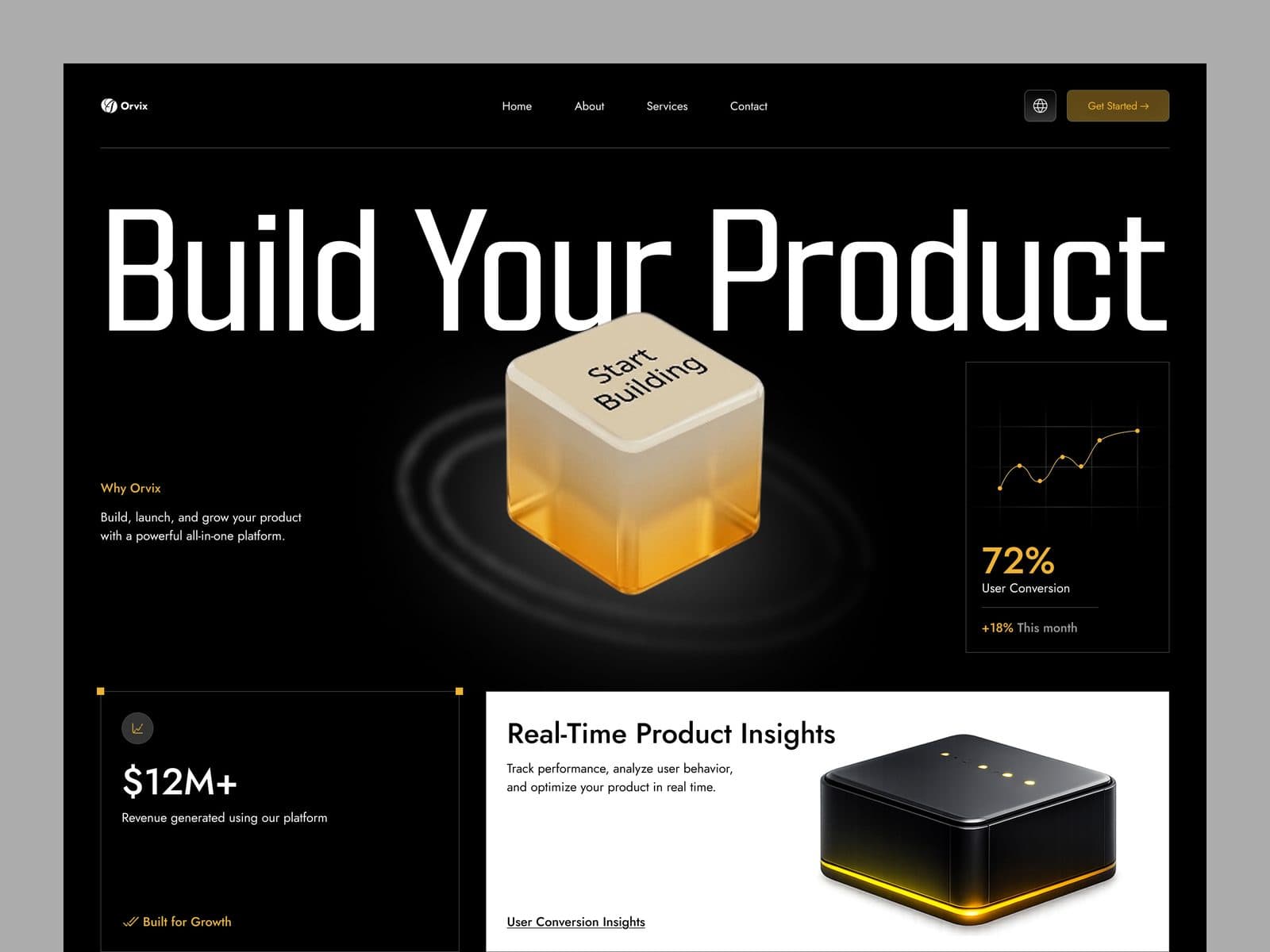
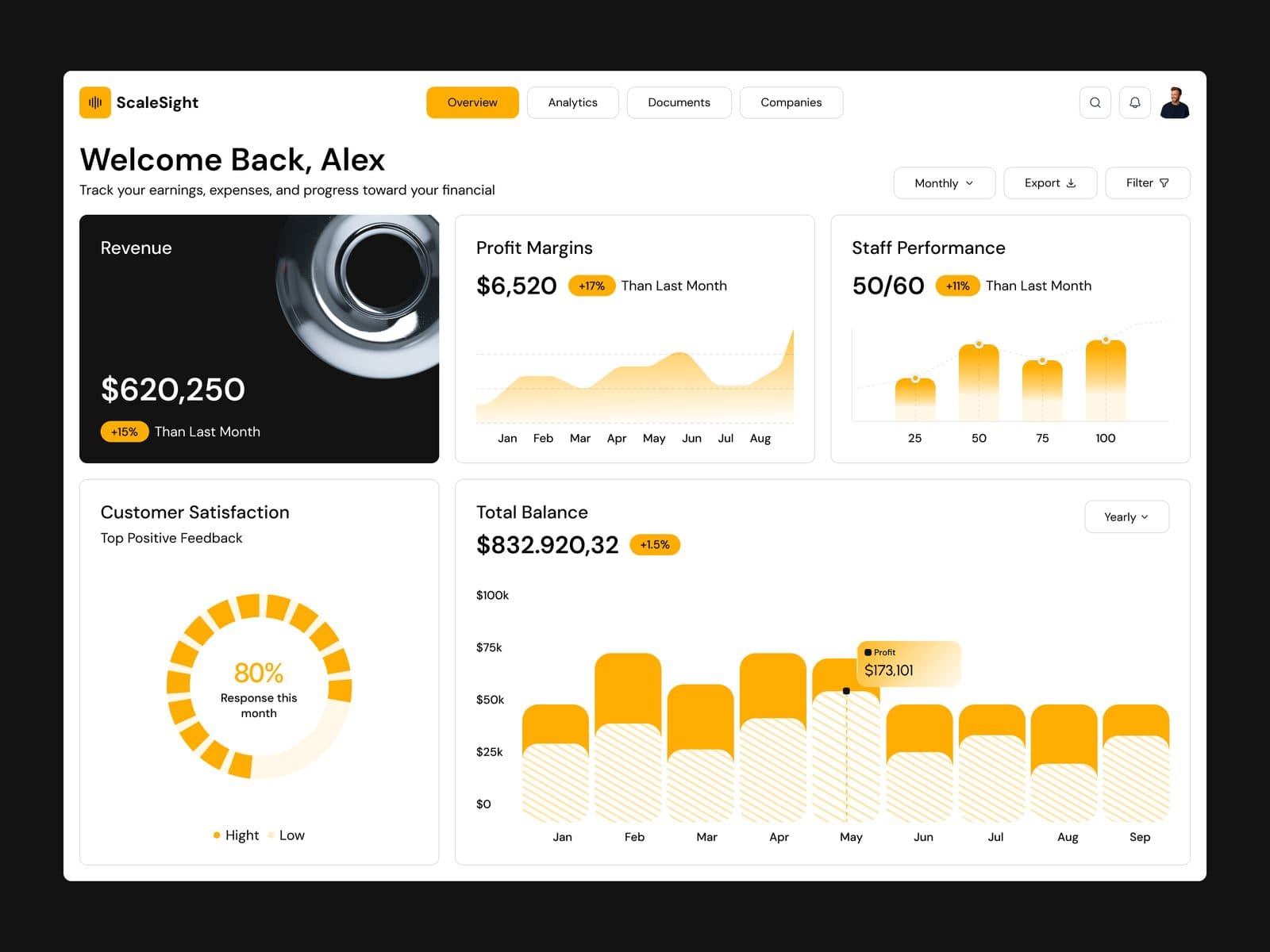
Dashboard design
Most dashboards show everything and help with nothing. We design them around the decisions the people reading them make.
If you buy a UX audit from anyone, us included, this is what to expect back. A slide deck of opinions is not one.
“Redlio Labs successfully delivered the project within schedule; they met all of our requirements. Their quality designs and in-depth knowledge of technology were key elements of their work.”
 Verified review on Clutch
1 / 4
Three cases where we will say so:
Design earns its cost when people use the product every day and the interface is what slows them down.
Step 1 of 5
We map your workflows, systems, and constraints with the people who use them every day, before anything is scoped. For design: interviews and observation with the people who use the product, and a review of the analytics.
Discovery
Step 2 of 5
You get a scope, a timeline, and a price that hold. Architecture decisions are made and documented before code starts. The flows and screens in scope, ranked by how often they are used.
Scope and plan
Step 3 of 5
Senior engineers deliver in planned stages, with working software demonstrated at every step, not a reveal at the end. Designs tested as prototypes with users before they are handed over.
Build in stages
Step 4 of 5
Data migration, training, and a production cutover planned around your operations and your calendar, not ours. Engineers get components, states and specs in Figma, and designers stay through the build.
Launch
Step 5 of 5
The team that built your system stays on it: monitoring, support, and the next improvements on one roadmap. Adoption and task times measured after launch, and the next round of fixes planned from them.
Run and improve
Pick the model that fits where your project is today. Start with one and move to another as the work grows.
A defined system, website or app delivered against a scope, a timeline and a price agreed before work starts. Fixed-scope software development for when you know what you need built.
Scope a projectEngineers and designers embedded in your team, on your tools and your roadmap. A dedicated development team or IT staff augmentation for when you have direction to give.
Add to my teamSEO, AI search and paid ads run month to month against qualified leads, reported in plain numbers you can check.
Plan my growthRegulated sectors change the design work: consent, audit trails, accessibility and data shown with care.
 Fintech
 Healthcare
 Manufacturing
 Logistics
 SaaS
SaaS Ecommerce & D2C
 Real Estate
 Education
Why MVP cost depends on the question it answers, how a prototype, an MVP and a full product differ, which parts to build to last, and the questions that set an MVP quote.

A website redesign checklist organised by phase, from the baseline before design to the weeks after launch, with the redirect, speed and accessibility rules quoted at source.
If something here does not answer it, ask the founder directly.

Book an intro call
Talk through your goals, your timeline, and how Redlio Labs can support your team.
Prefer email?info@redliolabs.com
Research with the people who use the product, the flows and structure (UX), the screens and visual design (UI), a design system, prototypes tested with users, and a handoff your engineers can build from. Most projects need all of it; some start with a UX audit to find where to begin.
A UX audit reviews an existing product against how people actually use it: the most common tasks, where they fail, and what each problem costs. It ends in a ranked list of fixes with the effort each one takes, so you can decide what to build first.
It depends on the number of flows and screens, the research involved, and whether a design system is part of the work. We scope those first and price against them.
In Figma, with components, every state (loading, empty, error) and the rules for spacing and behaviour written down. Designers stay available through the build, so questions get answered rather than guessed.
Yes. Contrast, keyboard use, screen reader labels and readable type are part of the design, checked against a named standard rather than left to the end.
Yes, and most of our design work is exactly that. We start with an audit so the redesign fixes what costs users the most, and keeps what already works.
Yes. The same company builds what it designs: custom software, SaaS products and web applications.
Tell us what the product does and who uses it every day. We will come back with where design will save them the most time.

Mayursinh Jadeja
Founder, Redlio Labs


