
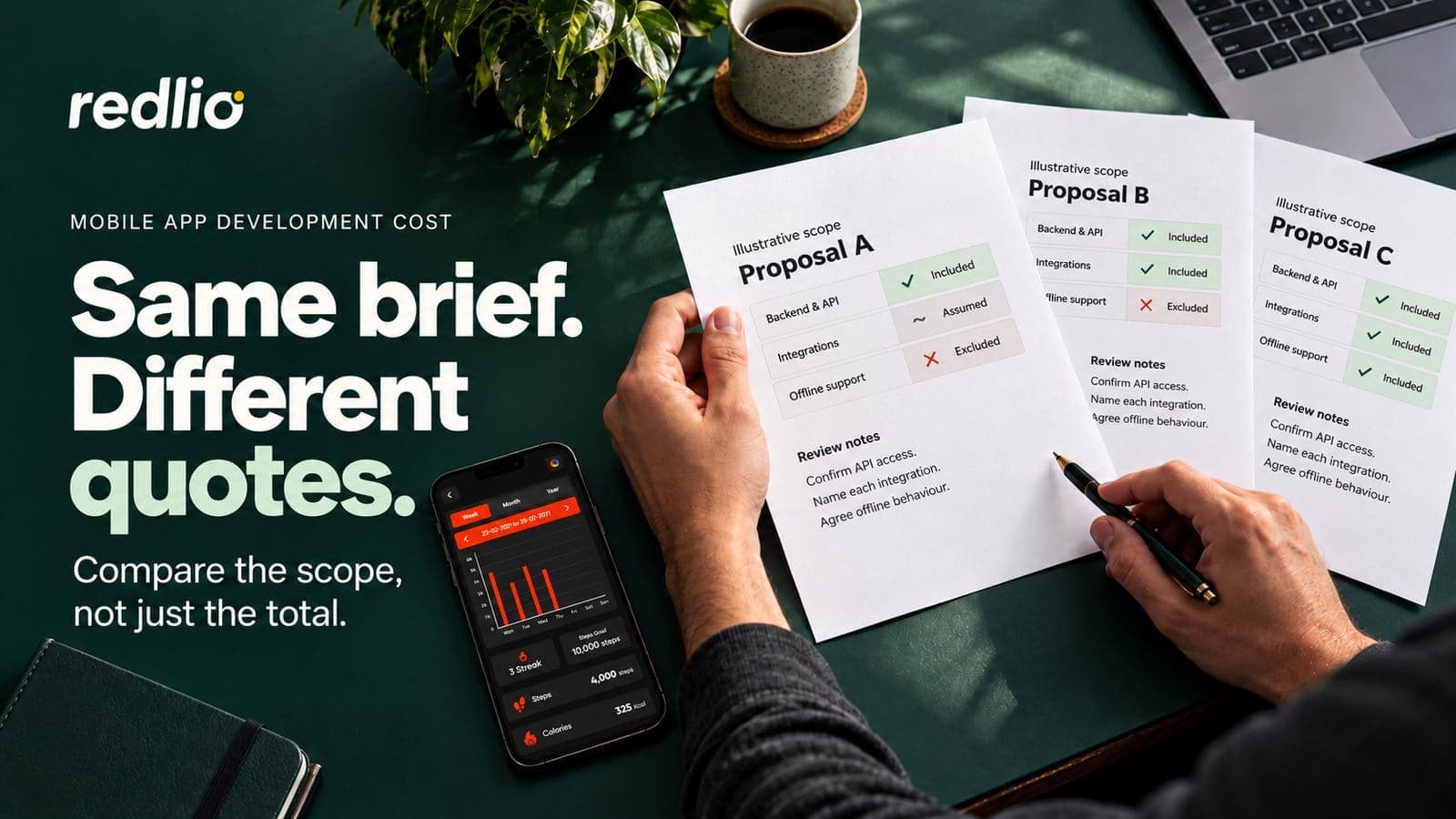
Mobile app development cost: why three quotes for the same app never match
Why quotes for the same app differ, what sits behind the screens, the store rules that add work nobody quoted, and why an app is a yearly cost.
 Mayursinh Jadeja
The author
Founder, Redlio Labs
He scopes and delivers software, design and growth programs for mid-size and large organizations, and writes here about the parts of that work buyers usually find out too late.

Mayursinh Jadeja is the founder of Redlio Labs, a software design, development and growth company in Ahmedabad, India. He started in 2013 as a freelance engineer, building web products for clients in the US and Germany, and founded Redlio Labs the following year. The company has since delivered websites, custom software, SaaS platforms, and ERP systems for organizations across the US, UK, Europe, Australia, and the UAE.
Most of what he writes here comes from the two ends of a program: the scoping conversations that decide what a system will cost, and the point where it has to run in production without the people who built it standing next to it. Redlio Labs holds a 5.0 client rating on both Clutch and Google.
One rule governs the writing. Every industry statistic is traced to a primary source before it is used, and the ones that cannot be traced are named as folklore rather than repeated. Several of the most quoted numbers in enterprise software do not survive that test, and the articles here say so.
Reviewed by
Every service page carries his reviewed-by byline and a last updated date. These are the pages he is responsible for.
Why quotes for the same app differ, what sits behind the screens, the store rules that add work nobody quoted, and why an app is a yearly cost.
Mayursinh Jadeja

The working-hour overlap for India, Latin America and Eastern Europe against the US, UK and Europe, worked out, with what the research, the rate data and the data rules say.
Mayursinh Jadeja

Clutch’s 2026 average for a web design project, and the lines a mid-size organization adds to it one at a time: templates, content, redirects, integrations, review rounds, standards and the years after launch.
Mayursinh Jadeja
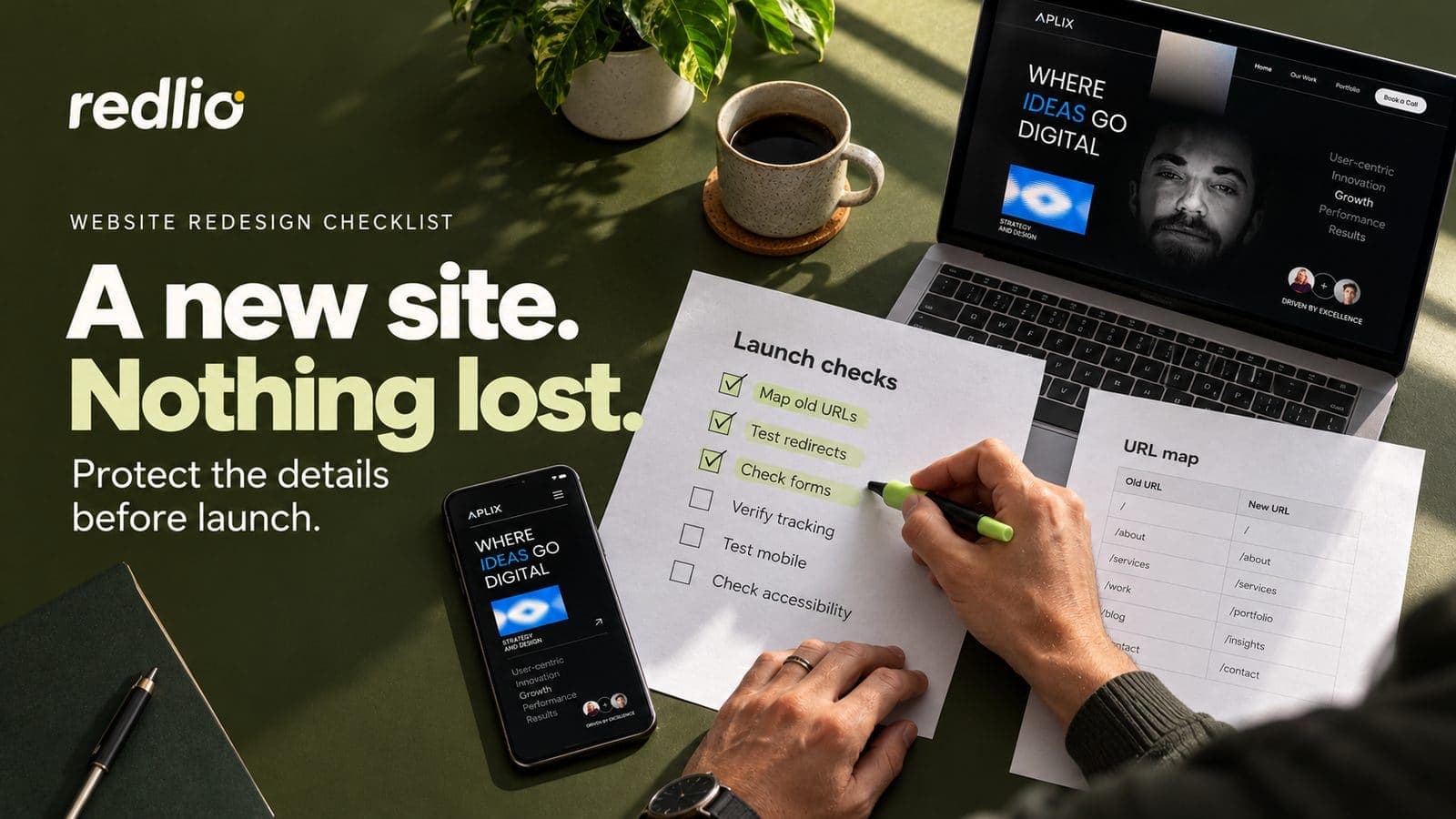
Twelve steps from the baseline before design to the weeks after launch, told in the order the work happens, with the redirect, speed and accessibility rules quoted at source and one list to tick at the end.
Mayursinh Jadeja

What one client who interviewed fifteen vendors chose on, why the usual checklist could not separate them, the three tests that can, and the eight questions to send every vendor in writing.
Mayursinh Jadeja

What published data says a software product costs, what each new kind of customer adds to a SaaS build, what it costs per month and per year, and the decisions to make before you compare quotes.
Mayursinh Jadeja
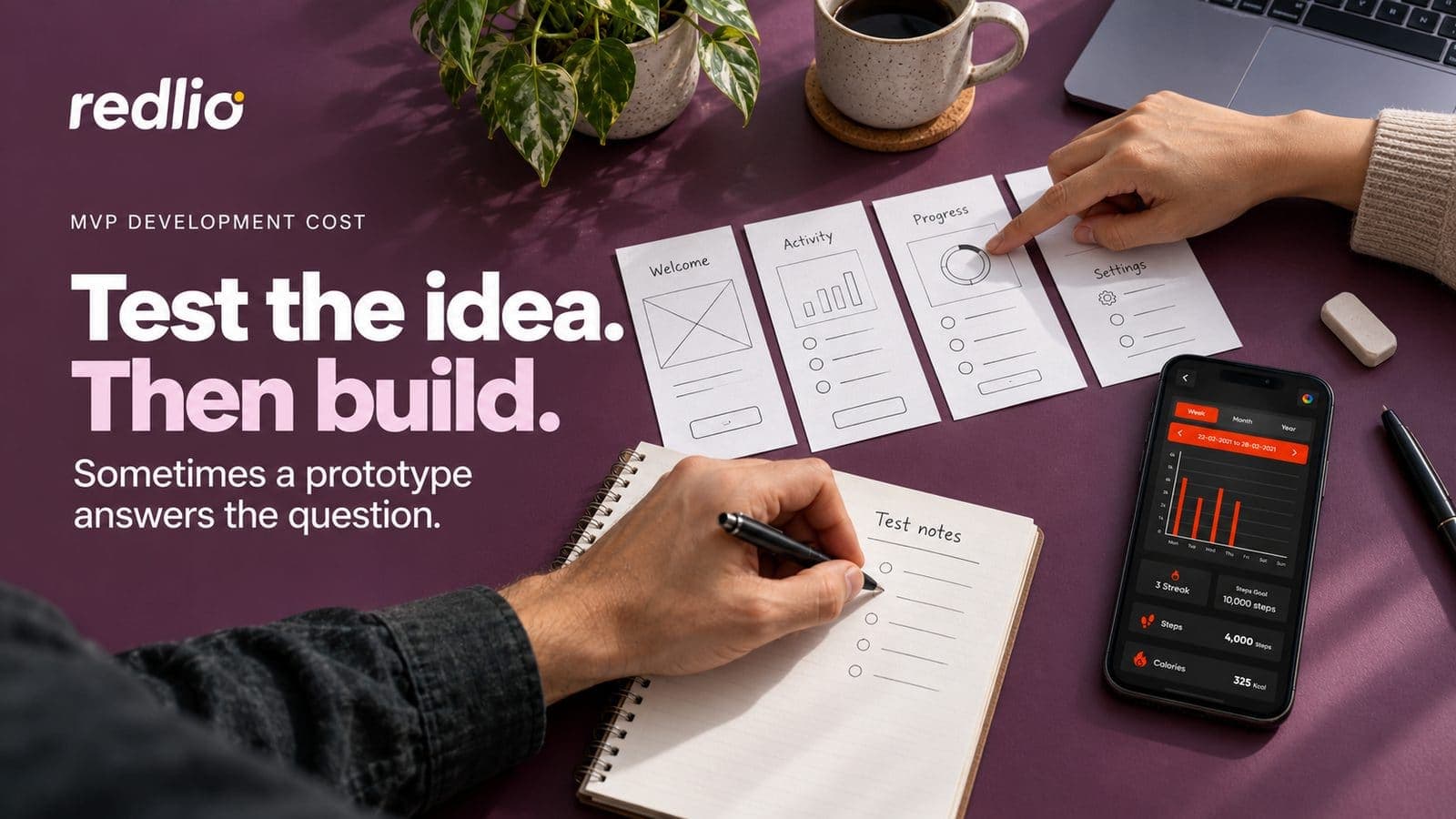
How to tell whether you need a prototype, an MVP or the full product, what published data says each first version costs in total and per month, which parts to build to last, and the answers that set a quote.
Mayursinh Jadeja
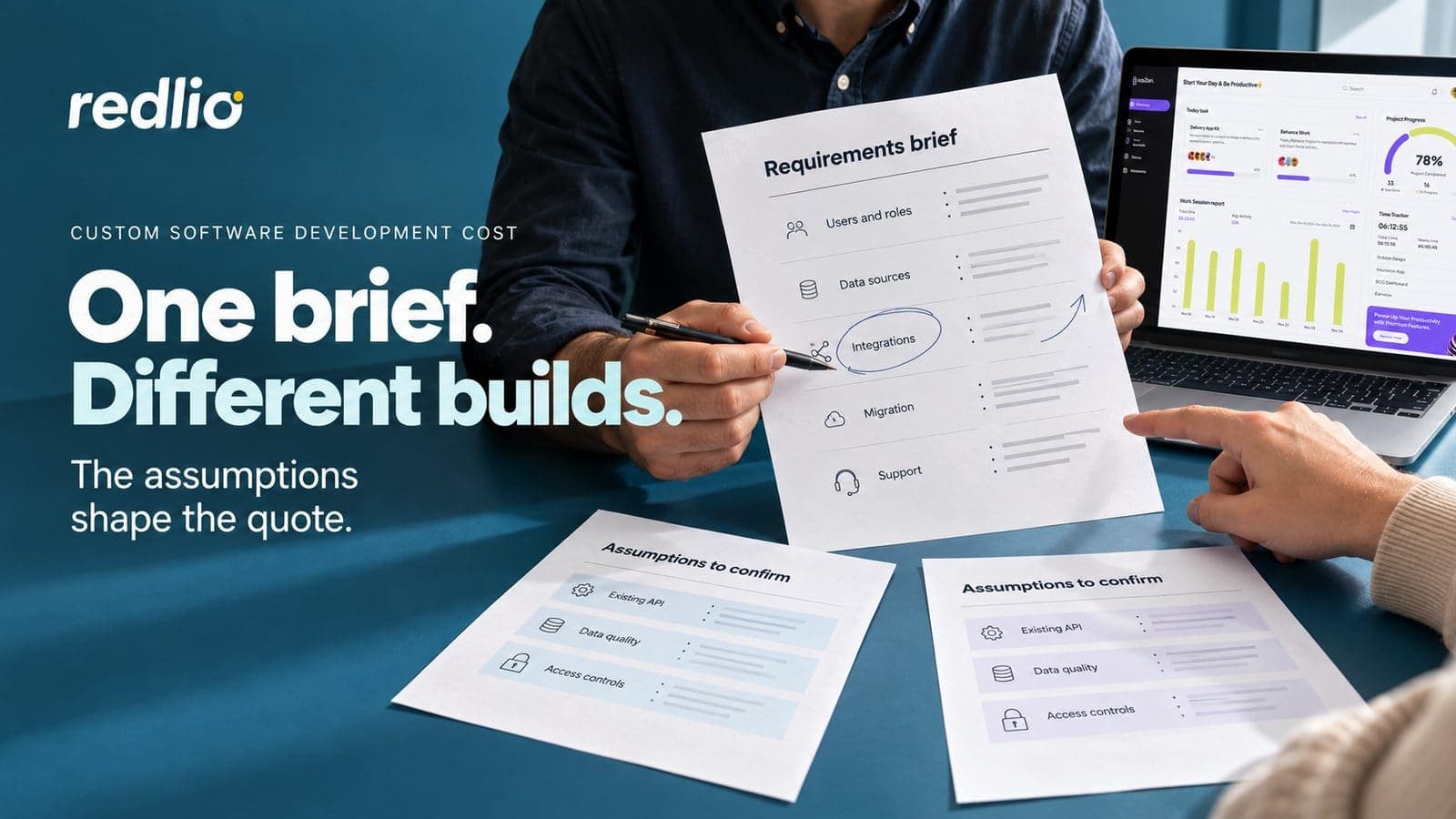
What custom software costs by Clutch’s 2026 data, what developers charge by the hour, what moves a system above the typical band, and the research on why quotes for the same brief differ so widely.
Mayursinh Jadeja
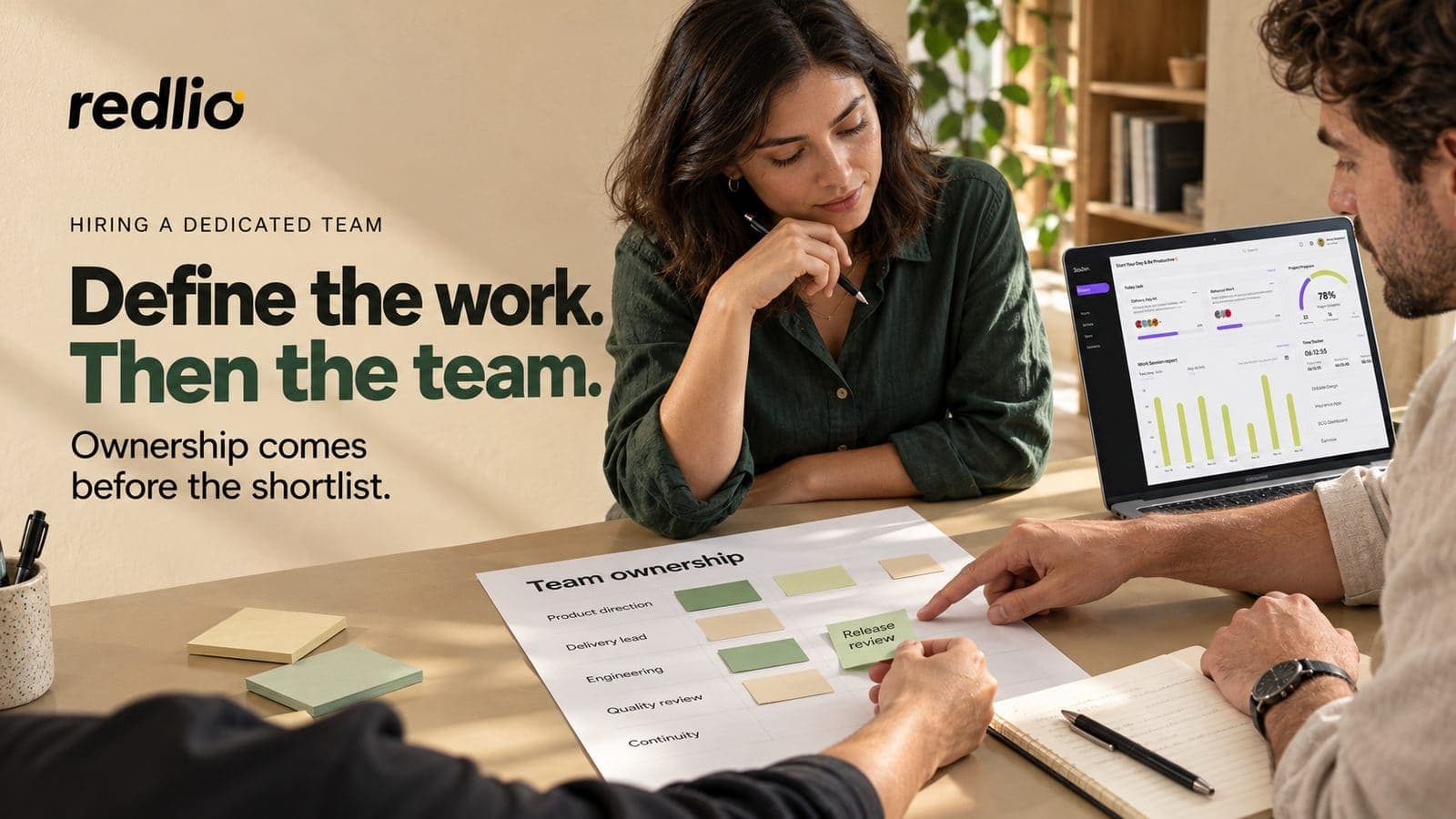
The four decisions the five-step guides skip, each with what goes wrong without it: what the team owns, who steers, how to test a retention claim, and what the monthly figure contains by published data.
Mayursinh Jadeja
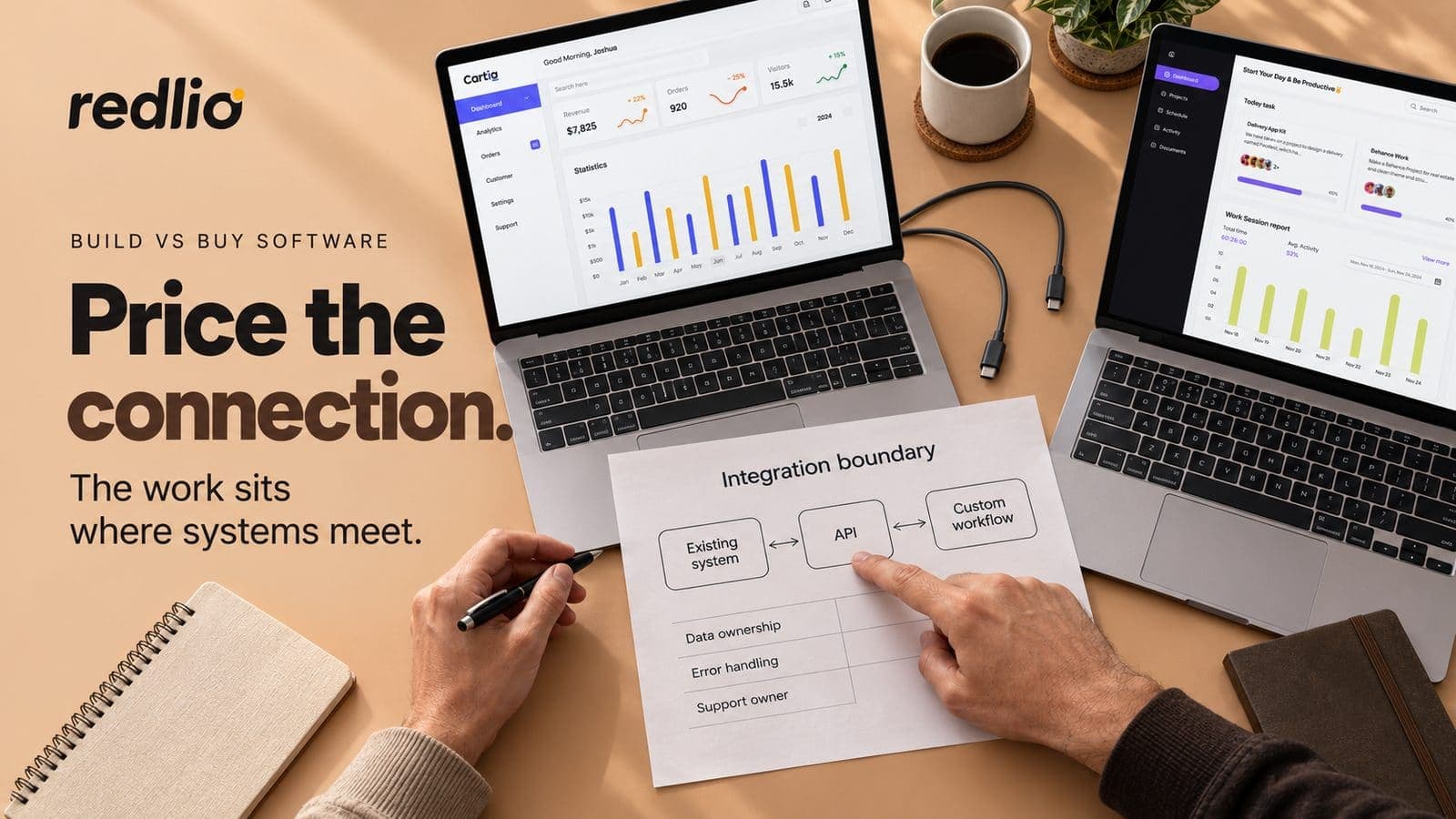
Is it better, or cheaper, to build or buy? The statistic the debate leans on, traced to its source. Then who publishes the advice, a real project that went custom, the boundary no comparison prices, and what it costs to change your mind.
Mayursinh Jadeja
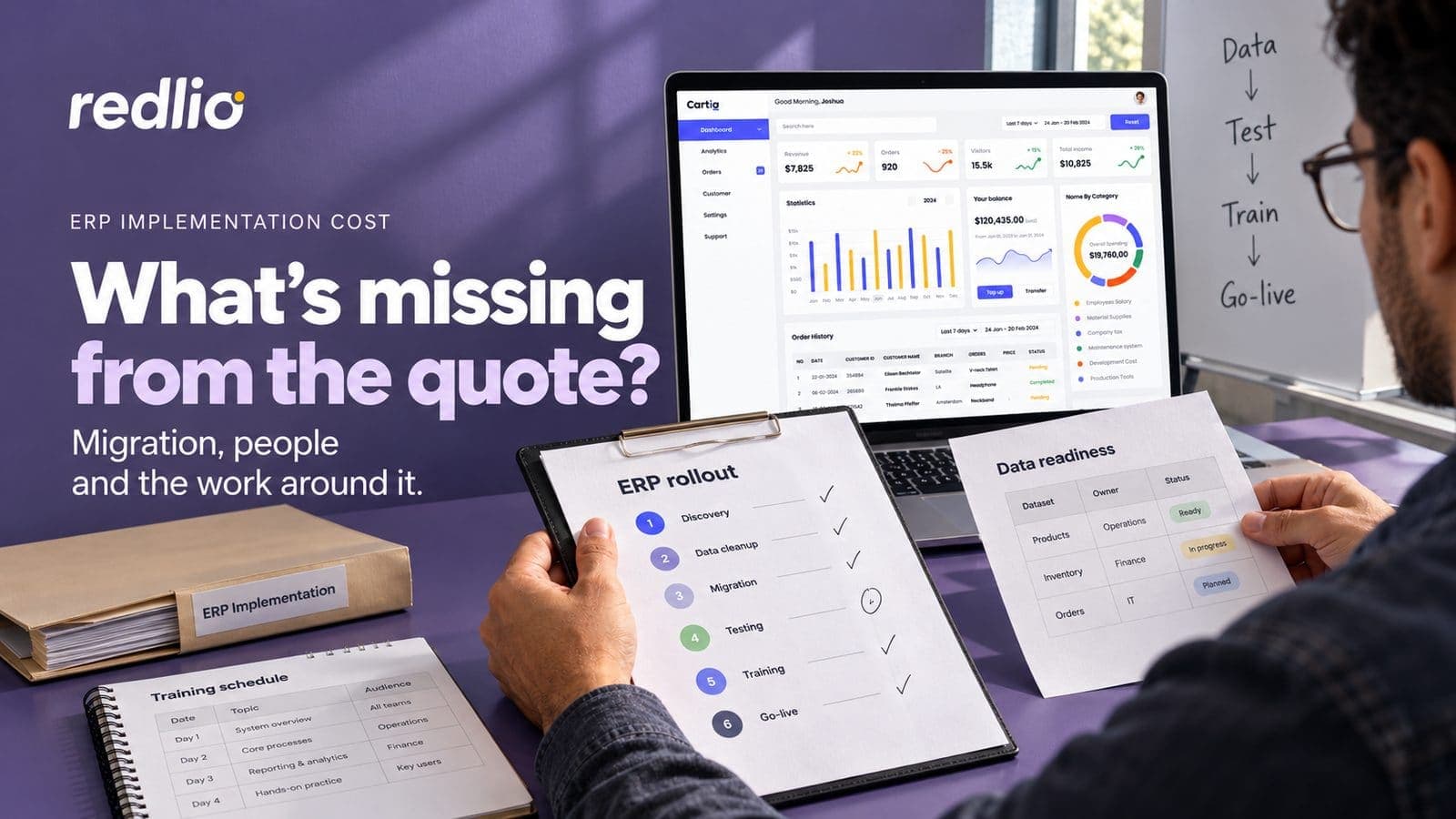
The eight lines on an ERP quote, then what is missing from it: the license, a benchmark you can trust, firm data and integration numbers, your own costs, and the payment dates.
Mayursinh Jadeja
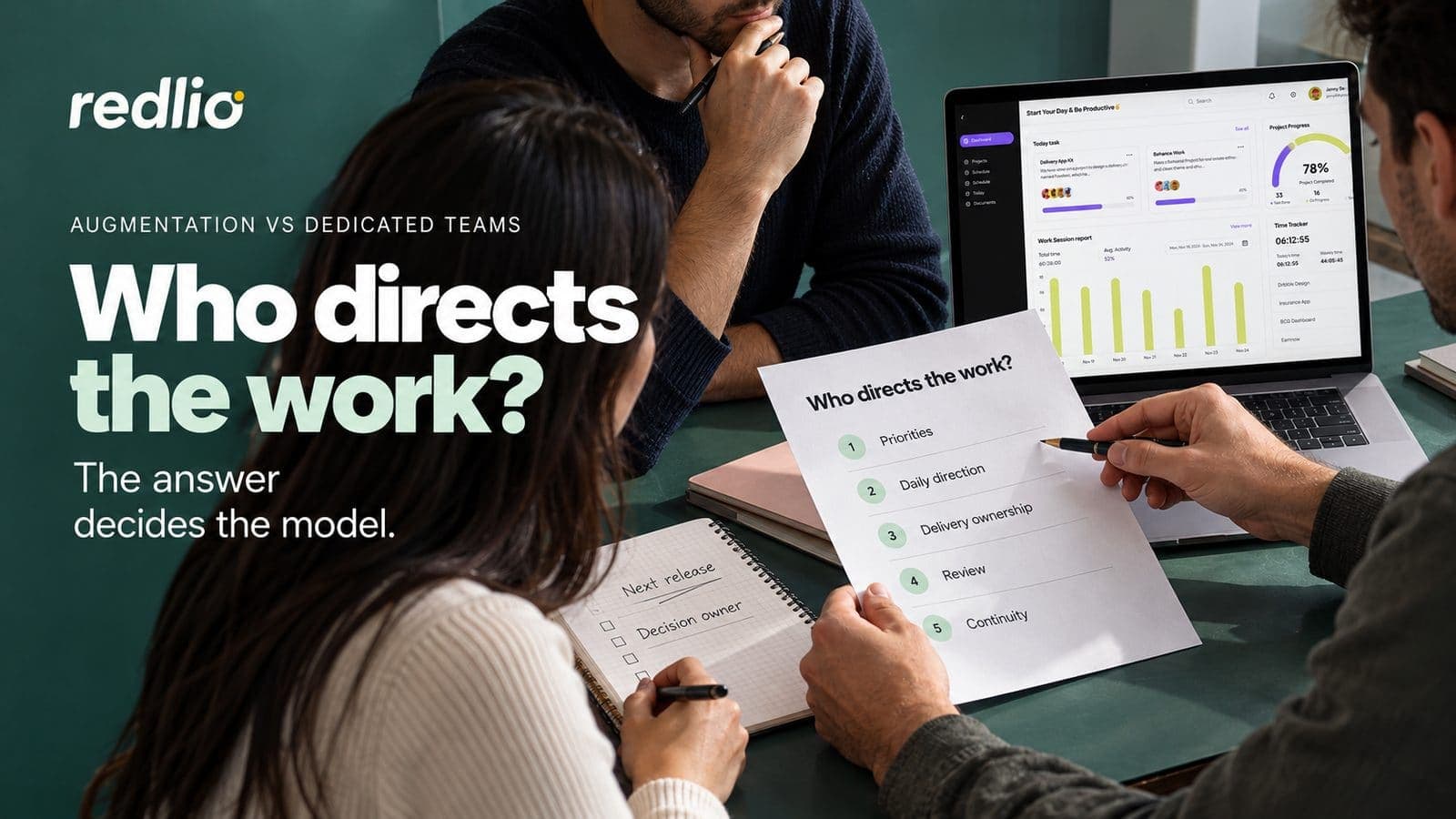
Who directs the work in each model, how each one fails, what each asks of your side of the table, and what switching between them later really costs.
Mayursinh Jadeja
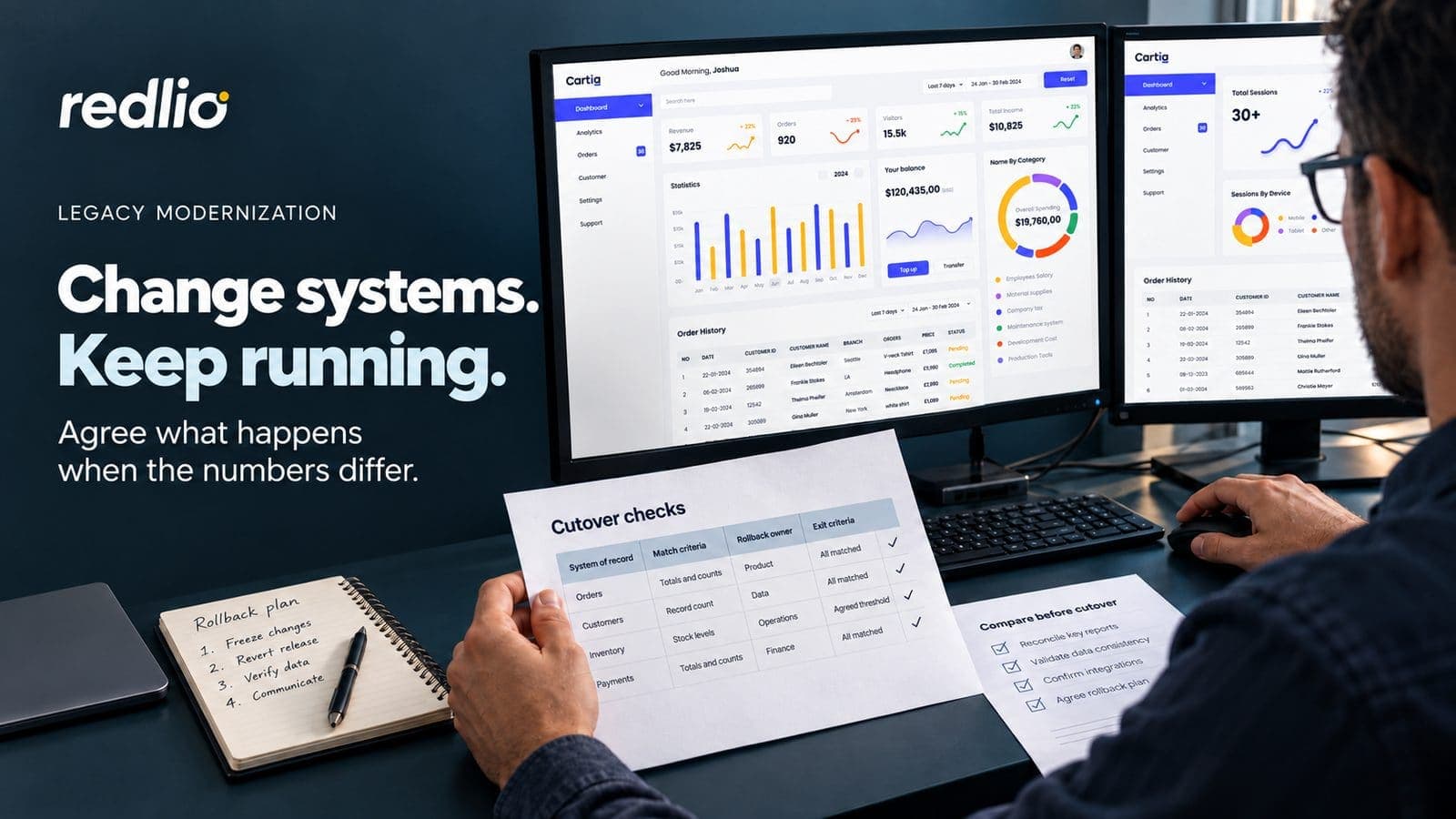
The routes to modernizing legacy code, the strangler fig pattern, and the rules a staged migration needs in writing: what to do when the two systems disagree, when rollback expires, and what a facade never sees.
Mayursinh Jadeja
Bring us the system to build, the product to design, the inquiries to grow, or the team to extend.

Mayursinh Jadeja
Founder, Redlio Labs