A SaaS SEO agency measured in accounts, not traffic

A SaaS company does not need more visitors. It needs more trials that convert and more demos that close, from the searches its buyers run while they compare tools. That is the only number this work is judged on.

Rated 5.0 on Clutch and 5.0 on Google

  • Peer-reviewed releases
  • NDA before your first call

Reviewed by Mayursinh Jadeja, Founder · Last updated 9 October 2026

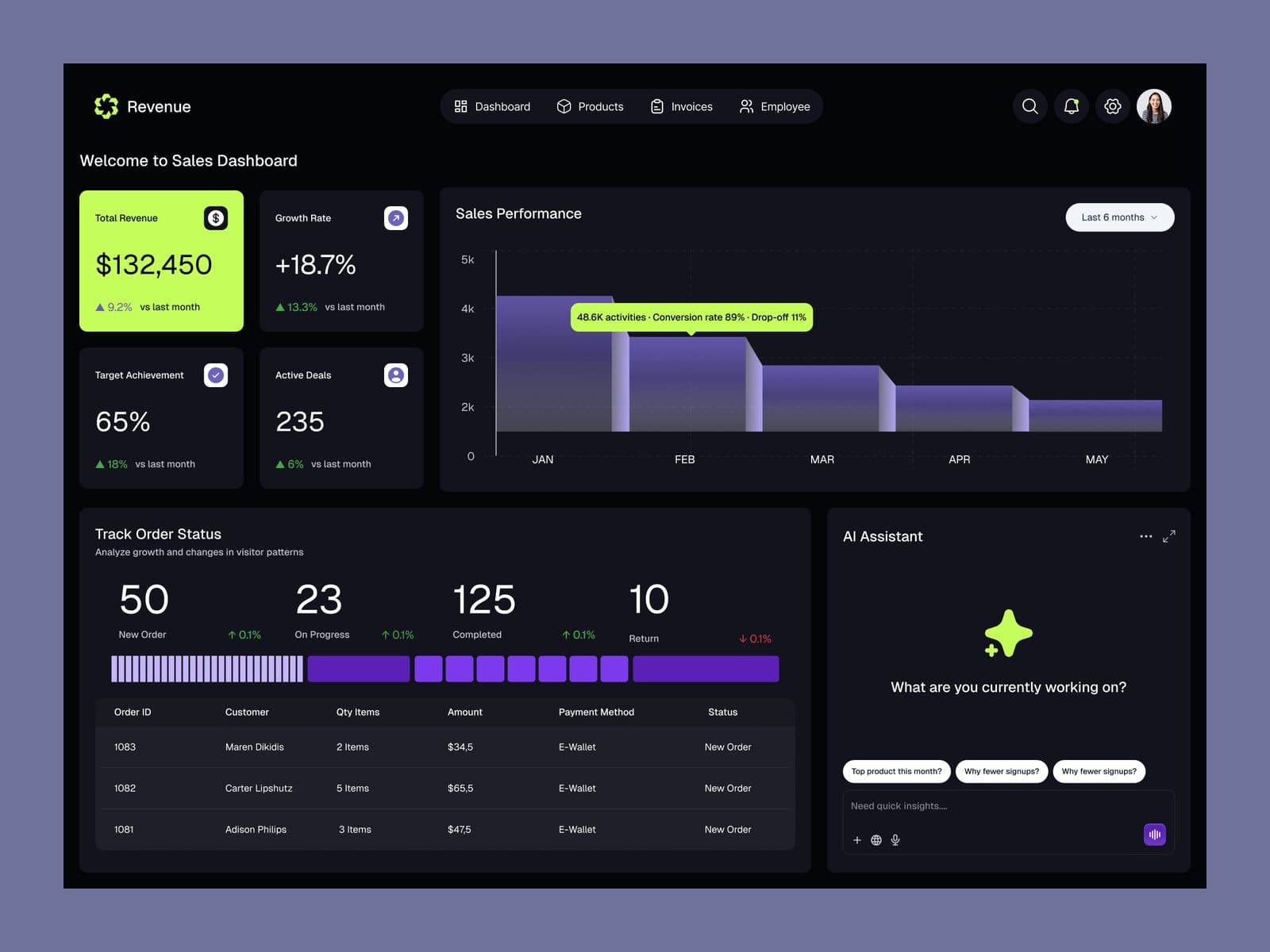
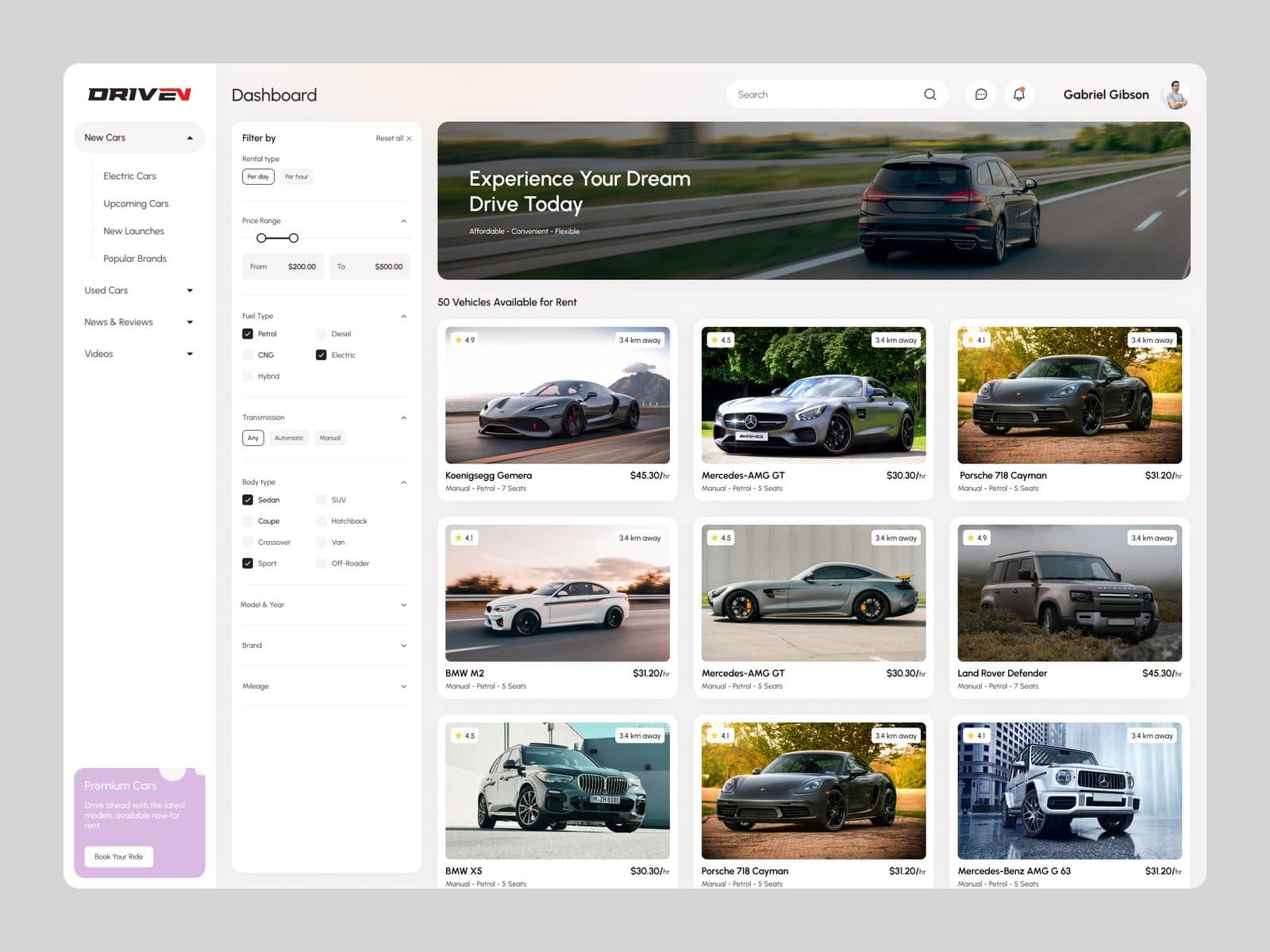
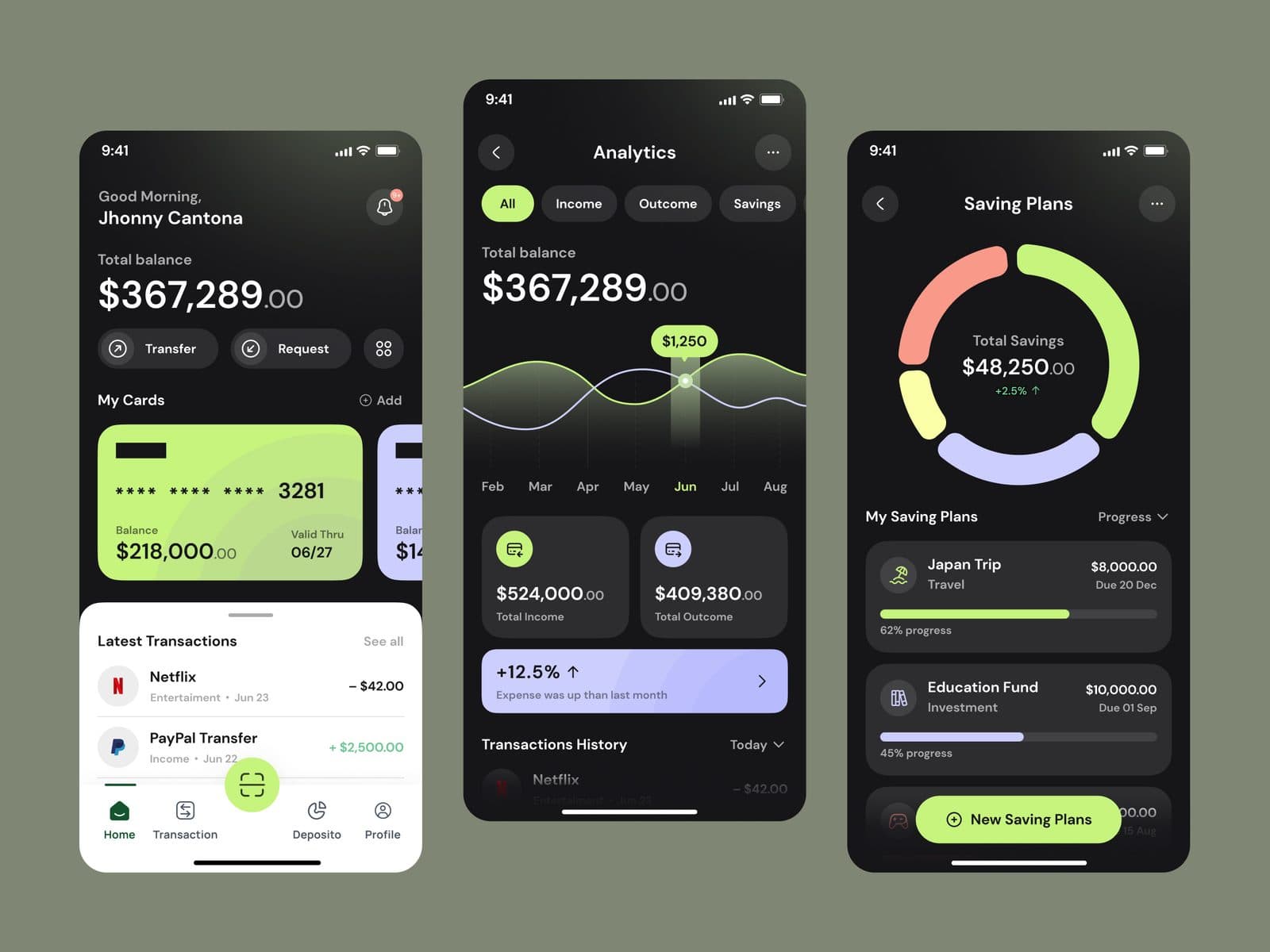
A SaaS product landing page designed by Redlio Labs

Trusted by growing businesses

Most SaaS SEO reports count the wrong thing

The pages that bring the most traffic to a software company are usually the ones least likely to produce a customer: broad guides, definitions and trend posts read by students, job seekers and other vendors. Meanwhile the searches that come just before a trial or a demo, such as a product compared with a competitor, an alternative to a tool someone is leaving, or an integration with a system they already run, are small, specific and often unanswered.

So a traffic chart can rise for a year while signups stay flat. The fix is to start from the account, not the visit: which searches did paying customers run, which page answered them, and can the signup or demo form say where each one came from?

That is the method we use for our own site and the one we would use on yours: research the phrases buyers run while they compare, build the pages that answer them, verify every page technically, and read Search Console against the trials and demos your systems record.

  • The searches

    The comparison, alternative, integration and use-case searches a buyer runs before signing up or booking a demo.
  • The pages

    One page per buying question, built for the motion you sell through: a trial or a demo.
  • The record

    Every signup and demo request tagged with where it came from, then followed into your CRM to the paid account.

SaaS SEO services, from the product site up

What a B2B SaaS SEO agency should cover, in six parts. Most engagements start with the measurement and the technical audit, because nothing else can be judged until both are right.

  • Measurement to the paid account

    Source fields on the signup and demo forms, the same source carried into your CRM, and Search Console read against trials, demos and accounts rather than sessions.
  • SaaS technical SEO

    Rendering of JavaScript marketing sites, app and login pages kept out of the index, staging blocks, sitemaps, canonicals and structured data, fixed at the source.
  • Comparison and alternative pages

    Honest pages for "your product vs a competitor" and "alternatives to a tool", the searches buyers run in the last week before they choose.
  • Integration and use-case pages

    A page for each system your product connects to and each job it does, the searches that bring buyers who already have the problem you solve.
  • Documentation and help-centre SEO

    Docs that rank for the questions evaluators ask, structured so search engines and AI assistants can read them, without leaking private pages.
  • AI search alongside SEO

    The same pages, written so assistants can quote them. Google states there are no special requirements for its AI features beyond good SEO, so we do not sell a separate trick.

Recent design work from our team

Product-led and sales-led SaaS need different SEO

Most SaaS SEO advice assumes one kind of company. The way your customers buy decides which searches matter, which pages win and what counts as a result.

DimensionProduct-led (trial or freemium)Sales-led (demo)
The conversionA signup that becomes a paying accountA demo request that becomes a deal
Searches that matterComparisons, alternatives, use cases, templatesComparisons, integrations, security, category terms
Who reads the pageThe person who will use the productA buying group: user, budget holder, security, procurement
Pages that carry weightUse-case and comparison pages with a direct path to signupIntegration, security and trust pages, and proof for each role
What counts as successOrganic signups that convert to paidOrganic demos that become pipeline and closed deals

Enterprise SaaS SEO sits mostly in the second column, because a committee buys. Many companies run both motions; the plan then splits by page type, and the reporting follows each signup or demo to the account it became.

The pages that turn SaaS searches into accounts

Seven page types do most of the work for a B2B software company. Each answers a different question a buyer asks on the way to a trial or a demo. Most SaaS sites have two of them.

  1. Comparison pages: your product against a named competitor, with the honest differences, including where the competitor is the better fit.
  2. Alternative pages: for buyers leaving a tool, what they are leaving behind and what changes when they switch.
  3. Integration pages: one per system your product connects to, saying what the integration does and what it does not.
  4. Use-case pages: one per job your product does, written for the team that has that job.
  5. Pricing page: crawlable, explaining what each plan includes, because buyers search for it and assistants are asked about it.
  6. Security and trust pages: what an enterprise buyer’s security review asks for, published before they ask.
  7. Documentation: the answers evaluators need during a trial, open to search engines, with private and app pages kept out.

One rule sits over all seven. Google’s spam policies name scaled content abuse, many pages generated mainly to manipulate rankings, so integration and use-case pages are written for real integrations and real jobs, never mass-produced from a template.

Source: Google Search Central: Spam policies

SaaS technical SEO

Technical problems SaaS sites get wrong

Software companies build their marketing sites with the same tools as their product, and that brings its own mistakes. Each of these is documented by Google.

  • JavaScript-only rendering

    Google processes JavaScript sites in phases, and its documentation still calls server-side or pre-rendering a great idea. A marketing site that renders only in the browser leaves its content to chance.
  • Noindex behind robots.txt

    Google cannot see a noindex rule on a page that robots.txt blocks, so the page can stay indexed. Choose one method per page, and use noindex for pages that must leave the index.
  • App and login pages in the index

    Sign-in screens, account pages and app routes that search engines can reach dilute the site and waste crawling. They belong outside the index.
  • Staging and preview sites

    A staging copy that search engines can find competes with the live site. It should require a login or carry noindex, and the noindex must come off the live site at launch.

We design, build and grow software for mid-size and large companies, and the people who build it are the people you talk to.

  • 12+Years building software, since 2014
  • 6Service lines under one team
  • 5.0★★★★★15 Clutch Reviews
  • 5.0★★★★★32 Google Reviews

Rated by the clients who have worked with us

  • Saurabh GoswamiManaging Director, Ultra Rich Weddings
    5/5★★★★★

    “Redlio Labs successfully delivered the project within schedule; they met all of our requirements. Their quality designs and in-depth knowledge of technology were key elements of their work.”

    Verified review on Clutch

1 / 4

When SaaS SEO is the wrong spend

Three cases where search will not pay back in time, and we will say so:

  • You created the category

    If nobody searches for what your product does yet, there is little to rank for. Paid, partnerships and community build the demand that search later captures.
  • The runway is shorter than the work

    New pages take months to settle. If the next quarter decides the company, paid search buys time while the organic pages mature.
  • Your buyers do not search

    Some enterprise products are bought through procurement lists and referrals. Search can support that motion but will not replace it.

Where SaaS SEO does win is the buyer who compares tools before they talk to anyone, which for most B2B software is nearly everyone.

From research to accounts

Step 1 of 5

Discovery

We map your workflows, systems, and constraints with the people who use them every day, before anything is scoped. For SaaS SEO: a technical crawl of the marketing site and docs, a Search Console read, and the searches your paying customers actually ran.

Discovery

  • Workflow map
  • Systems inventory
  • Constraints and risks

Three ways to work with us

Pick the model that fits where your project is today. Start with one and move to another as the work grows.

  • Fixed-scope project

    A defined system, website or app delivered against a scope, a timeline and a price agreed before work starts. Fixed-scope software development for when you know what you need built.

    Scope a project
  • Dedicated team or staff augmentation

    Engineers and designers embedded in your team, on your tools and your roadmap. A dedicated development team or IT staff augmentation for when you have direction to give.

    Add to my team
  • Monthly growth plan

    SEO, AI search and paid ads run month to month against qualified leads, reported in plain numbers you can check.

    Plan my growth

Sectors we work with

The sectors where we already know the buyers, the vocabulary and the systems they run.

Further reading

Questions buyers ask about SaaS SEO

If something here does not answer it, ask the founder directly.

Mayursinh Jadeja

Book an intro call

Talk through your goals, your timeline, and how Redlio Labs can support your team.

Book a call

Prefer email?info@redliolabs.com

What does a SaaS SEO agency do?

It finds the searches B2B software buyers run before a trial or a demo, builds the pages that answer them, fixes the technical problems SaaS sites tend to have, and measures the work in signups, demos and paying accounts rather than traffic.

How is SaaS SEO different from B2B SEO?

The buyer often tries the product before talking to anyone, so the searches that matter are comparisons, alternatives and integrations, and the conversion is a signup as well as an enquiry. Our B2B SEO services page covers the wider B2B approach.

Does product-led or sales-led change the SEO plan?

Yes. A product-led company needs pages that send a ready buyer straight to a signup, so comparison and use-case pages lead. A sales-led company needs pages that support a buying group through a demo, so security, integration and proof pages carry more weight.

How do you measure SaaS SEO?

From the account backwards. A source field on the signup and demo forms, the same source carried into your CRM, and Search Console read against the trials and demos those forms recorded. Traffic is reported, but never as the result.

How long does SaaS SEO take to work?

Technical fixes can show within weeks of being recrawled. New pages usually take months to settle, and competitive comparison terms take longer. Anyone who promises a ranking by a date is guessing.

Should we hire a SaaS SEO consultant or an agency?

A consultant fits a defined job, such as a technical audit or a migration. An agency fits when the work spans measurement, technical fixes, new page types and content at once, and you want it running within weeks.

Are programmatic integration pages safe?

Only when each page describes a real integration with something useful to say. Google’s spam policies name scaled content abuse, many pages generated mainly to manipulate rankings, so we build integration pages one real integration at a time.

Do we need special work to appear in AI answers?

Not beyond good SEO for Google. Google states there are no additional requirements to appear in AI Overviews or AI Mode. What helps is clear, specific pages that assistants can quote, which is the same work. Our GEO page covers the other assistants.

How much does SaaS SEO cost?

It depends on how much of the site needs fixing and how many page types your buyers’ searches call for. We do not publish prices; we scope the work first and price that scope.

Will we own the work?

Yes. The pages, content, data and accounts stay in your name, and every change is documented so another team could carry it on.

Start with the searches that end in a signup

Tell us what your product does and how customers buy it. We will look at the searches that matter and tell you honestly whether search is worth your budget.

  • We reply within 12 hours
  • You talk to the people doing the work, never an account manager
  • Peer-reviewed releases
  • NDA before your first call
Mayursinh Jadeja

Mayursinh Jadeja

Founder, Redlio Labs

Rated 5.0 on Clutch and 5.0 on Google