

Website redesign checklist: what a redesign must not lose
A website redesign checklist organised by phase, from the baseline before design to the weeks after launch, with the redirect, speed and accessibility rules quoted at source.
We build business websites, customer portals and web applications for mid-size and large companies: fast, accessible, connected to your CRM, ERP and analytics, and on a content system your team can run without calling a developer.
 Reviewed by Mayursinh Jadeja, Founder · Last updated 5 October 2026


The platform was chosen for the launch, not for the integrations that came after it. Every content change needs a developer. Pages slow down as features are bolted on. The tracking broke during the last redesign and nobody noticed for a quarter.
None of that is about how the site looks, and a new design on the same foundations repeats the cycle.
So we settle three things before design starts, because they decide whether the site lasts.
Six kinds of web build. Most companies need two of them at once: a site, and the application or portal behind it.
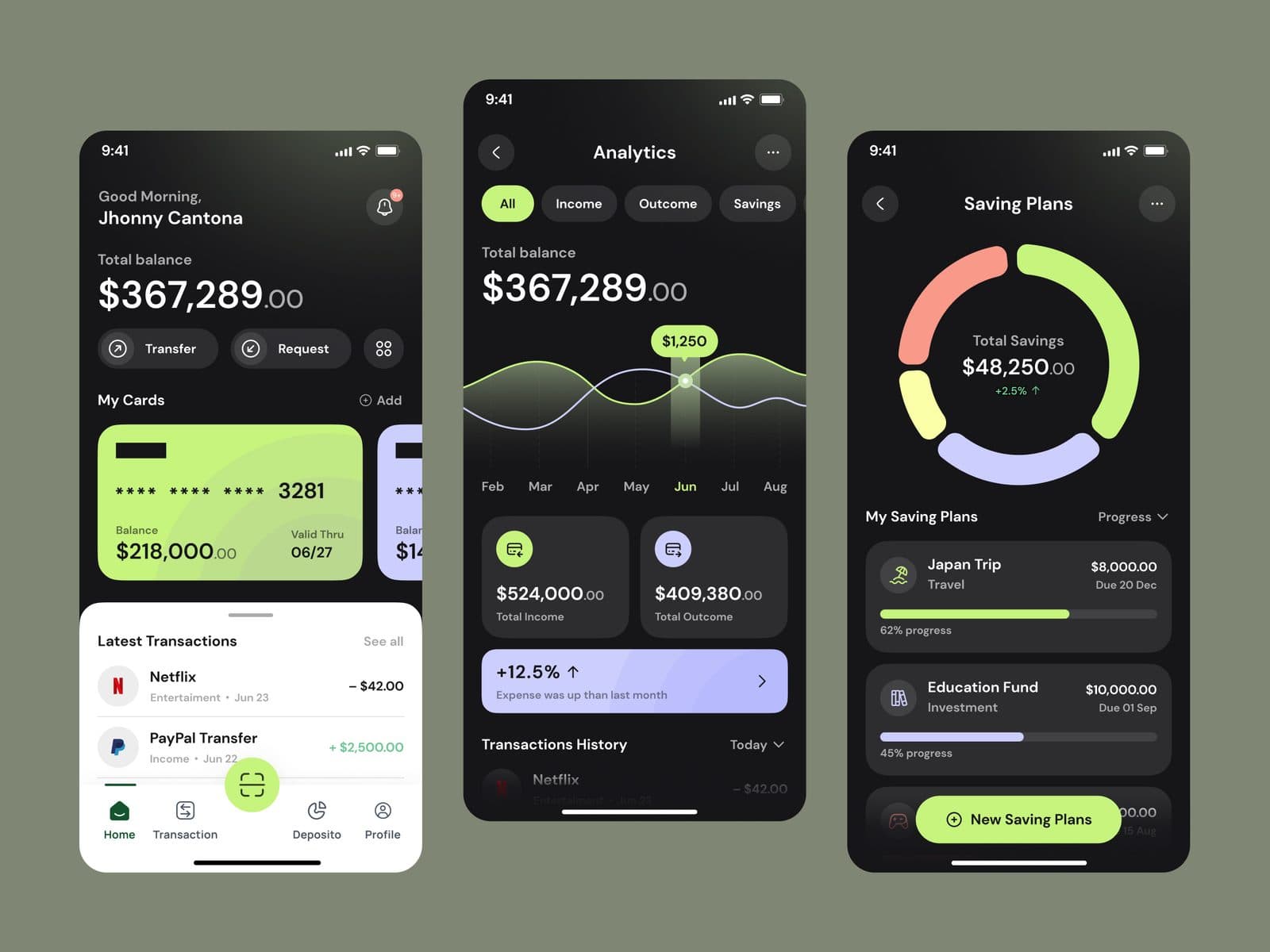
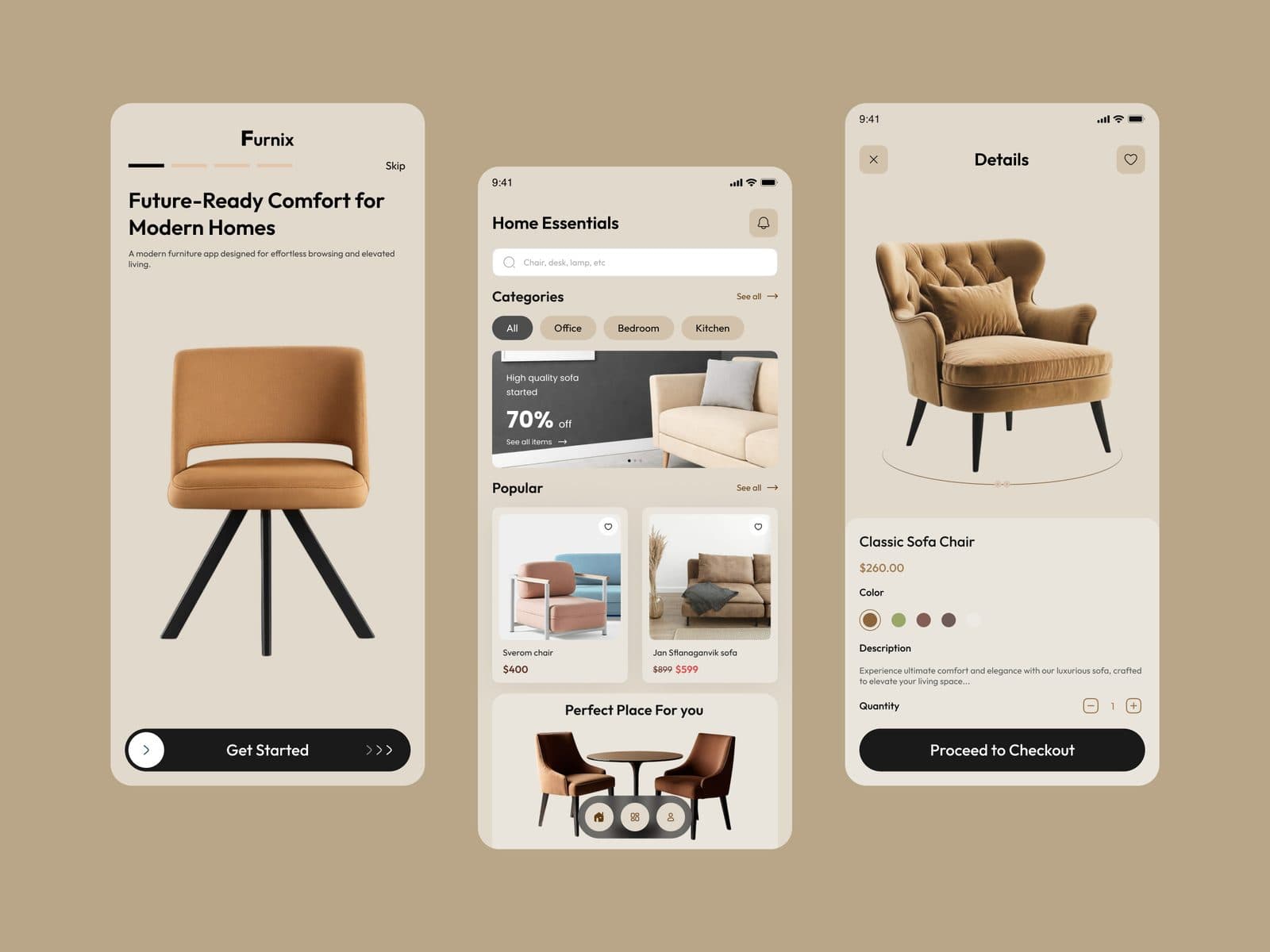
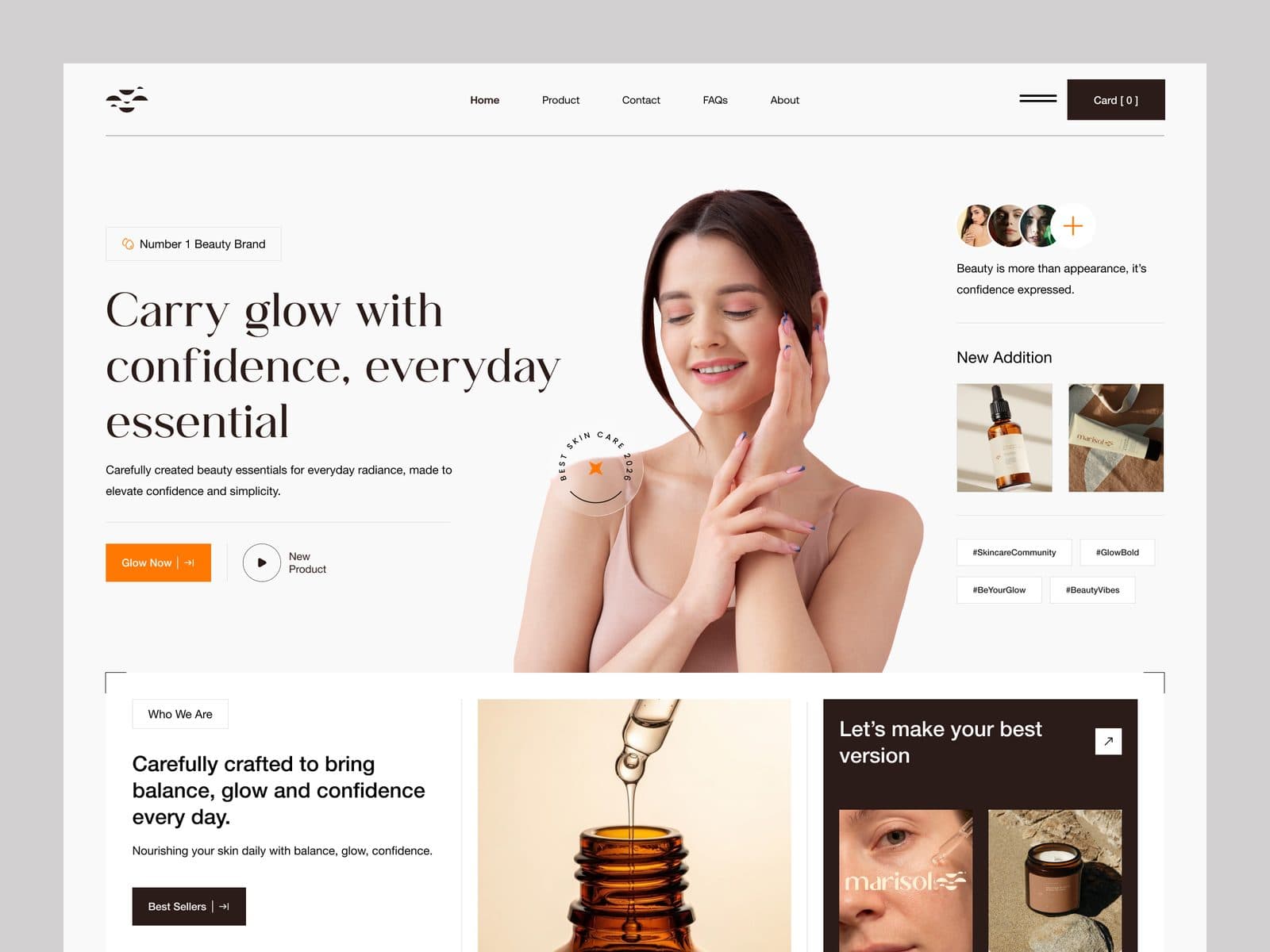
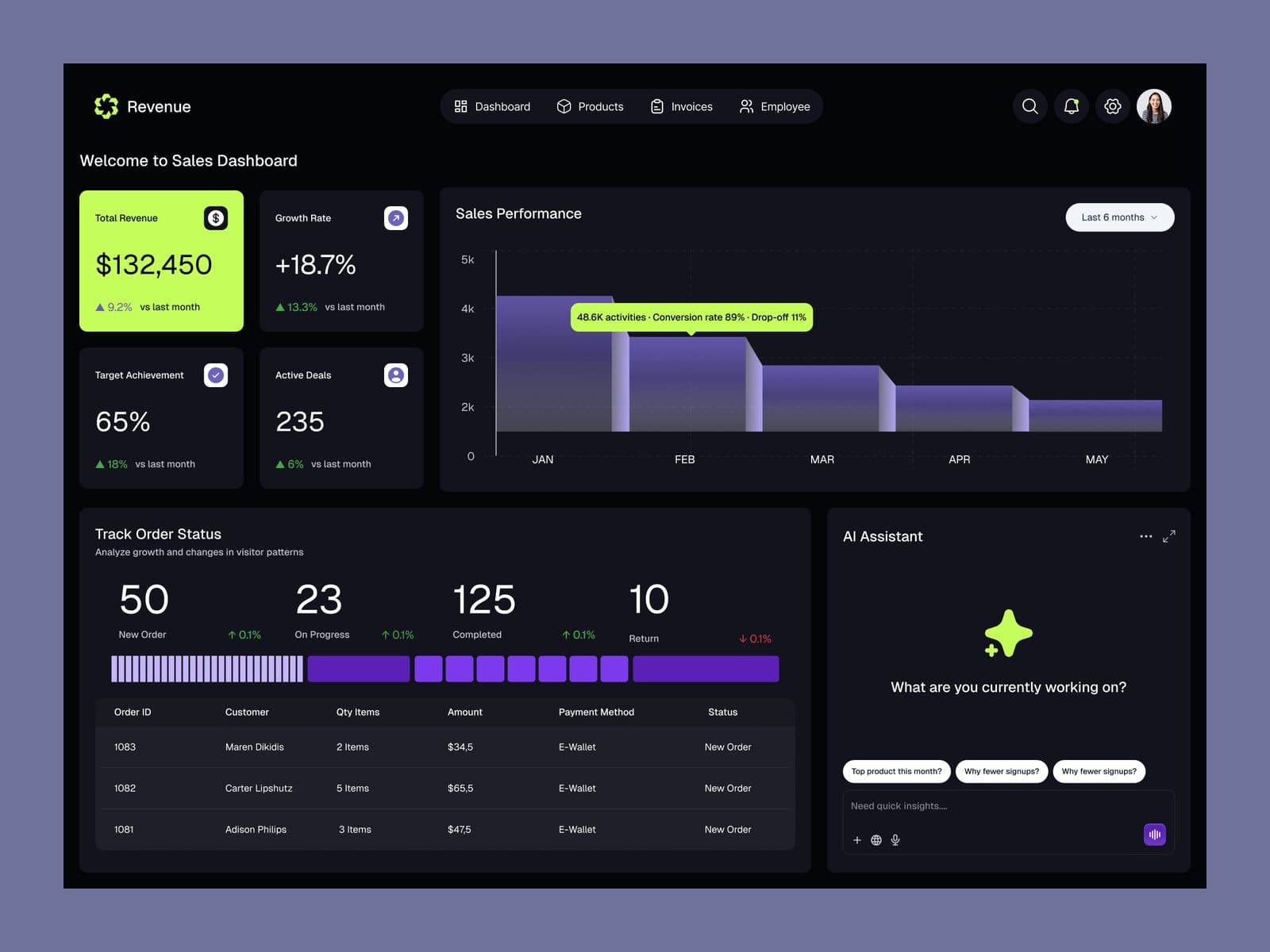
Custom is not automatically the right answer for a website. Here is when each one wins.
| Website builder | CMS with a theme | Custom build | |
|---|---|---|---|
| Fits when | A marketing site with no integrations | Content-led sites with standard features | Integrations, portals, or performance the others cannot reach |
| Your team edits | Everything, inside the builder’s limits | Content, inside the theme’s limits | Content in a model designed for your pages |
| Cost shape | Low build, a subscription for ever | Moderate build, plugin and upkeep costs | Higher build, no platform rent, lower upkeep |
| The real risk | Outgrowing it in a year | Plugins that break on update | Over-building a site that needed a theme |
If your site is a brochure with a contact form, a builder or a theme is the honest recommendation. Build custom when the site has to do work.
Seven things to settle in writing with any web developer, us included. Each one is cheap before the build and expensive after it.
“Redlio Labs successfully delivered the project within schedule; they met all of our requirements. Their quality designs and in-depth knowledge of technology were key elements of their work.”
 Verified review on Clutch
1 / 4
Three cases where we will point you to something cheaper:
Custom web development earns its cost when the site has to integrate, perform, or serve customers in ways a template cannot.
Step 1 of 5
We map your workflows, systems, and constraints with the people who use them every day, before anything is scoped. For the web: the integrations, the content model, the tracking plan and the performance targets.
Discovery
Step 2 of 5
You get a scope, a timeline, and a price that hold. Architecture decisions are made and documented before code starts. Pages, templates and integrations are listed and priced before design starts.
Scope and plan
Step 3 of 5
Senior engineers deliver in planned stages, with working software demonstrated at every step, not a reveal at the end. Templates ship to a staging site your team can click through from the first stage.
Build in stages
Step 4 of 5
Data migration, training, and a production cutover planned around your operations and your calendar, not ours. Redirects mapped, tracking verified and search data watched through the switch.
Launch
Step 5 of 5
The team that built your system stays on it: monitoring, support, and the next improvements on one roadmap. Speed, uptime and errors monitored, with improvements on one roadmap.
Run and improve
Pick the model that fits where your project is today. Start with one and move to another as the work grows.
A defined system, website or app delivered against a scope, a timeline and a price agreed before work starts. Fixed-scope software development for when you know what you need built.
Scope a projectEngineers and designers embedded in your team, on your tools and your roadmap. A dedicated development team or IT staff augmentation for when you have direction to give.
Add to my teamSEO, AI search and paid ads run month to month against qualified leads, reported in plain numbers you can check.
Plan my growthEach sector brings its own integrations, compliance pages and buyers to design around.
 Fintech
 Healthcare
 Manufacturing
 Logistics
 SaaS
SaaS Ecommerce & D2C
 Real Estate
 Education
A website redesign checklist organised by phase, from the baseline before design to the weeks after launch, with the redirect, speed and accessibility rules quoted at source.

Why the usual vendor checklist cannot separate software companies, the three tests that can, the signals that predict trouble, and the questions to ask before you sign.

Most organisations already run both custom and off the shelf software. The decision that costs money is the boundary between them: who owns the data model, what a vendor release breaks, and what it costs to change your mind.
If something here does not answer it, ask the founder directly.

Book an intro call
Talk through your goals, your timeline, and how Redlio Labs can support your team.
Prefer email?info@redliolabs.com
Custom web development is building a website or web application around your content, integrations and users, instead of fitting them into a builder or a theme. It covers the front end people see, the back end that holds the data, and the connections to the systems the business already runs.
Design decides what the site says, how it looks and how a visitor moves through it. Development builds it: the code, the content system, the integrations and the performance. We do both, and the best results come when the same team does both. See web design.
A web application is software that runs in the browser and does work for its users: a customer portal, an ordering system, a booking tool, an internal dashboard. Custom web application development builds one around your data and process rather than adapting a product someone else designed.
It depends on the integrations, the number of templates and the content model far more than on the number of pages. We list those first and price against them, so the number holds.
Most of our web builds use Next.js and React, with Node, PostgreSQL or MongoDB where there is an application behind the site, and a headless CMS your team edits. We will build on the stack your team already runs if you have one.
You do. The code, the hosting account and the domain are in your name, and handover includes documentation and access.
Yes. We build from Figma files and design systems, and we flag anything that will not perform or work on a phone before it is built rather than after.
Tell us what the site or application has to connect to and who edits it. You will talk to the people who would build it.

Mayursinh Jadeja
Founder, Redlio Labs


