Custom CRM development built around your data model and integrations

Our custom CRM development starts with the records a packaged CRM cannot hold well: the data model, the integrations and the move from the CRM in use today. We settle all three before the first screen, then build in stages, with working software in front of your sales team at each one.

  • Data model and integrations settled before the first screen
  • A straight answer when a bought CRM fits better
  • Working software in front of sales at every stage

Reviewed by Mayursinh Jadeja, Founder · Last updated October 14, 2026

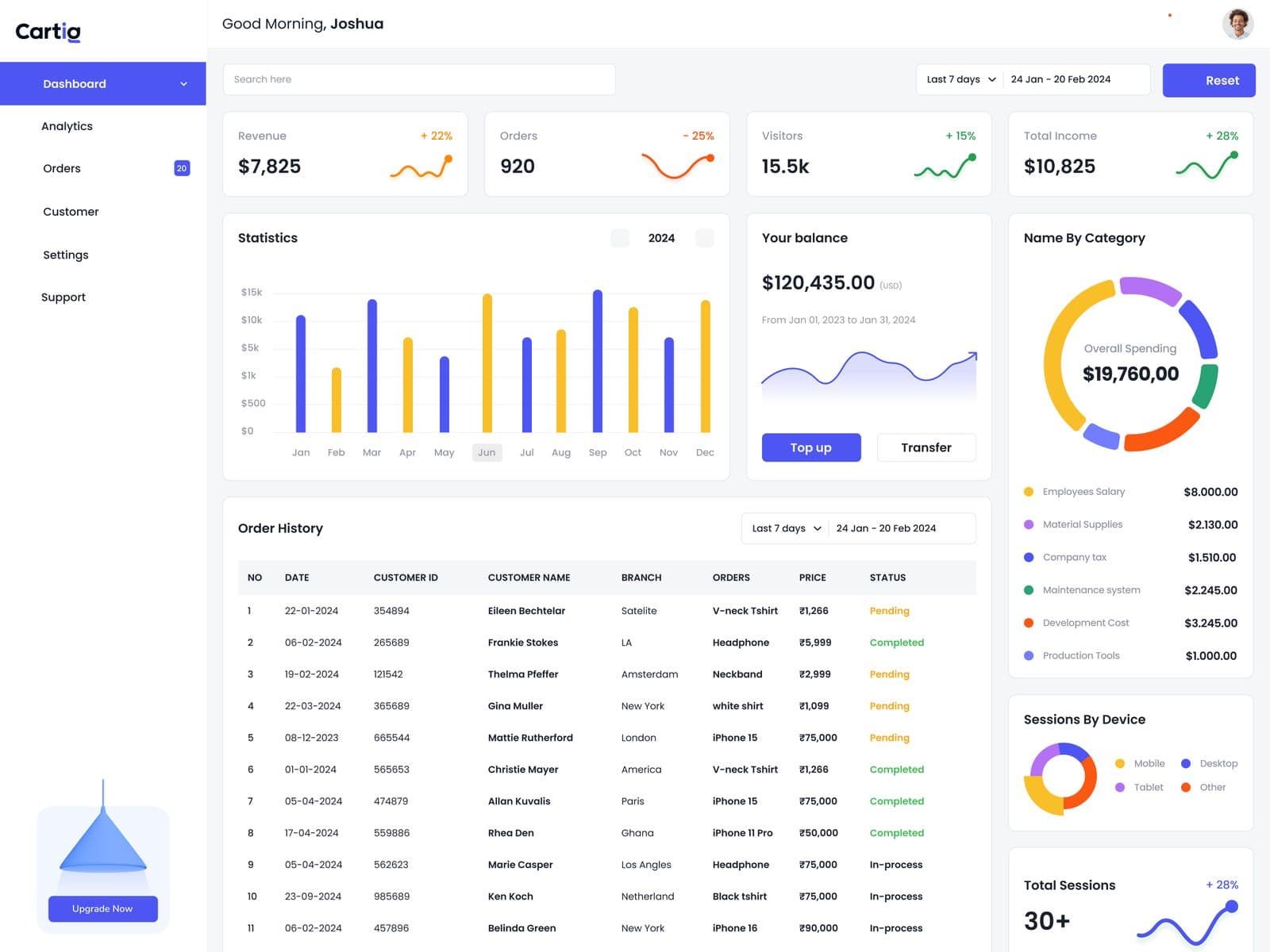
An ecommerce orders dashboard designed by Redlio Labs
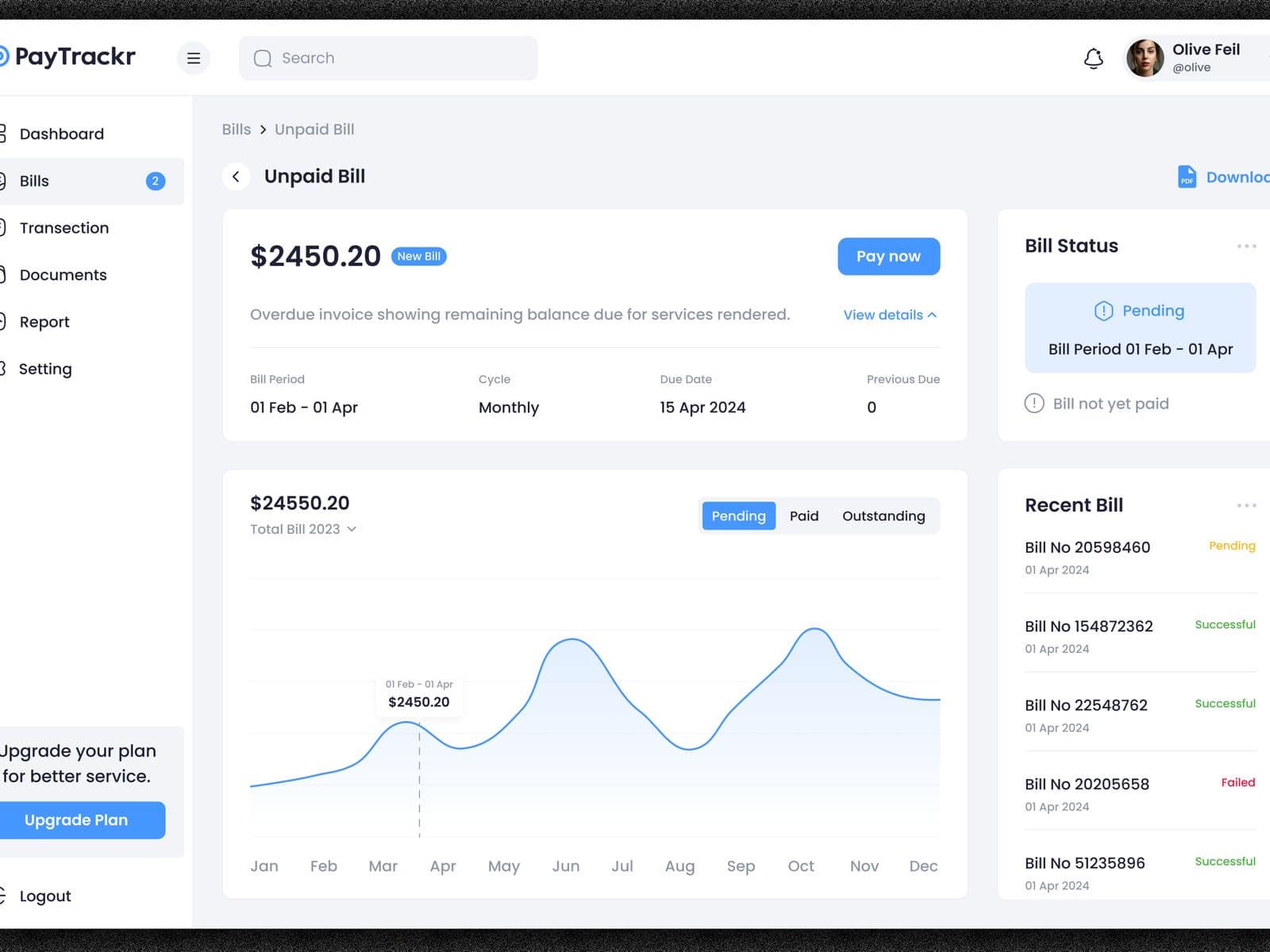
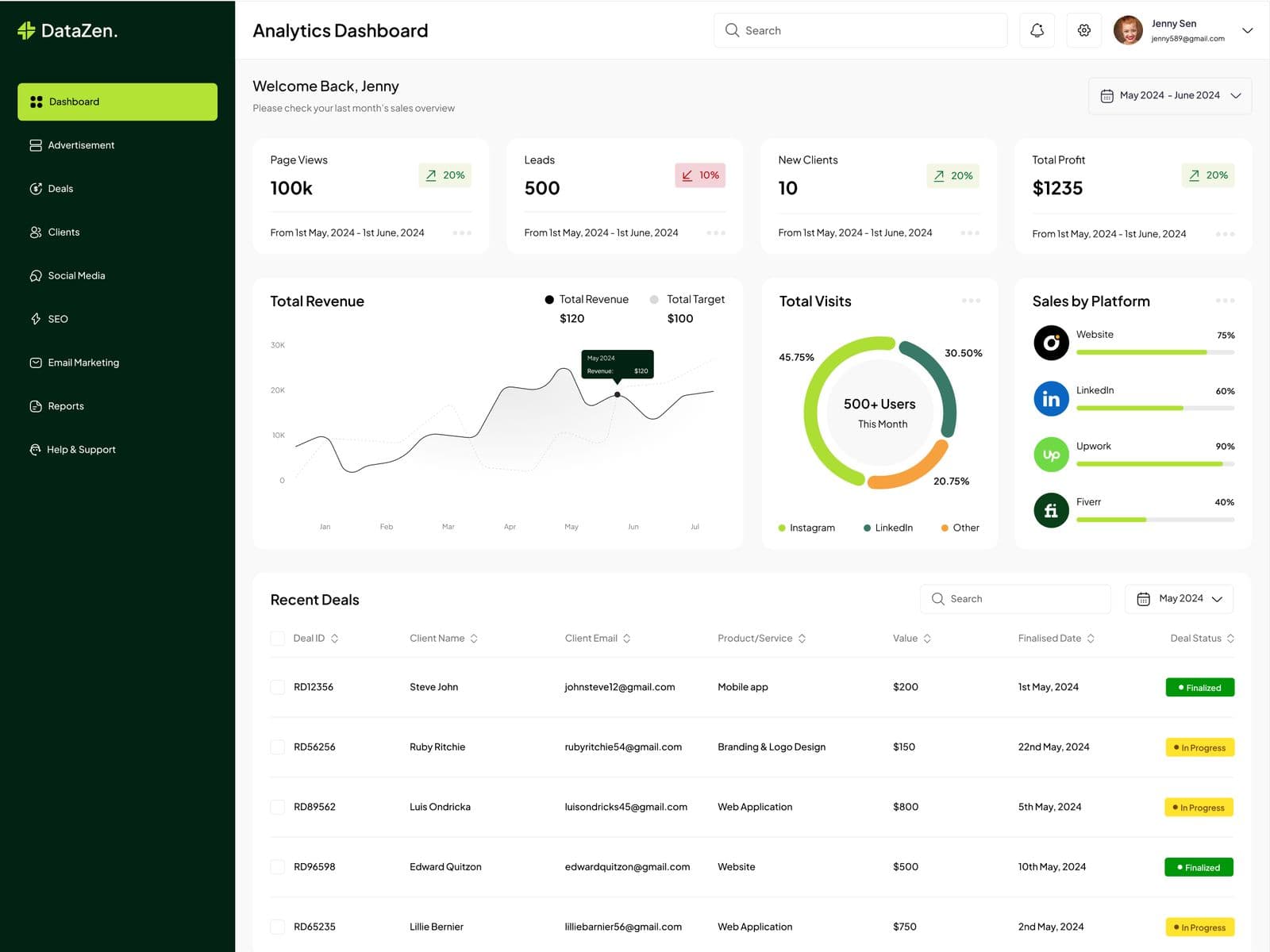
A billing dashboard designed by Redlio Labs

Rated 5.0 on Clutch and 5.0 on Google

“The team was responsive to our feedback and remained present throughout the engagement. Their patience and design work were stellar.”

Ezequiel DelaneyVerified review on Clutch

Trusted by growing businesses

Custom CRM development starts with the data model

We start a custom CRM with its records, because that is where a packaged CRM decides what a business can track. Salesforce, HubSpot and Microsoft Dynamics 365 share one core: leads, contacts, companies or accounts, and deals or opportunities.

That shape fits most sales teams, which is why buying a CRM is usually right. It stops fitting when the relationship being managed is something else: a property with several owners, a dealer network selling for a manufacturer, or a contract that renews site by site.

It also stops fitting when the CRM has to run part of the operation, such as prices from the ERP, orders or service visits. On a packaged CRM each of those becomes a custom object, an integration and often a higher tier. HubSpot’s documentation states that custom objects require an Enterprise subscription.

So our CRM software development starts by mapping the records and the systems around them. When that map points to buying, we say so plainly, and we build only when it does not.

An engineer on a video call with a remote team
  1. The recordsWe map what the business actually tracks, and which of it fits a lead, contact, account or deal.
  2. The systems around itWe list every system the CRM reads from or writes to, and who owns each one.
  3. The CRM in use todayWe check what the current CRM holds after years of use, before anyone plans the move.

Our CRM development services

We offer six kinds of CRM work. A new CRM usually combines the first three. A company keeping its packaged CRM usually needs the fourth or fifth, and an older in-house CRM the last.

What clients say about working with us

  • Saurabh GoswamiManaging Director, Ultra Rich Weddings
    5/5★★★★★

    “Redlio Labs successfully delivered the project within schedule; they met all of our requirements. Their quality designs and in-depth knowledge of technology were key elements of their work.”

    Verified review on Clutch

1 / 4

A scoping call with the engineers who would build your CRM

Thirty minutes on your records, your integrations and the CRM in use today, before anyone writes a proposal. We reply within 12 hours, sign an NDA before the first call and give a straight answer on fit, including when buying fits better.

Mayursinh JadejaFounder

Request a scoping call
  • Reply within 12 hours
  • NDA before the first call
  • A straight answer on fit

Custom CRM development compared with Salesforce, HubSpot or Dynamics

We see three honest routes to a CRM, and a full build is the one we recommend least often. The table shows where each route fits, including the two where we would advise against a build.

Packaged CRM, configuredPackaged CRM with a custom layerCustom CRM build
Fits whenThe sales process fits leads, contacts, accounts and dealsThe core fits, and one part of the work does notThe records the business runs on do not fit that shape
Data modelThe vendor’s, extended with custom fields and objectsThe vendor’s, plus a separate model for the custom partYour own, designed around your records
Cost shapeA license per user per month, rising with headcount and tierThe license, plus building and running the custom layerHigher upfront, no per-seat license, hosting and upkeep to plan
Moving laterAn export from one vendor and an import to the nextTwo systems to move or retireYour database, documented and handed over
The real riskWorkarounds outside the CRM become the real systemTwo sources of truth if nobody owns the seamA sales tool the sales team will not use

Where a packaged CRM fits, we advise buying it and having a partner of that vendor configure it, because we do not configure those products ourselves. Build vs buy software sets out where the seam between bought and built should fall.

Before the build

Six CRM decisions we settle before the build

Each is easy to decide in a workshop and expensive to change once the sales team depends on it. We make them with your team and write them down before the first stage starts.

  • Data model

    We decide which records the CRM holds, how they relate, and which of them a packaged CRM would have needed as custom objects.
  • Integrations

    We list each system the CRM exchanges data with, which side owns each field, and what happens when the two disagree.
  • Migration scope

    We agree what moves from the current CRM, what is archived, and how many years of history the team needs to see.
  • Daily entry

    We count the fields a salesperson fills in for each daily task, and cut the ones nobody reads.
  • Access

    We set who sees which accounts, which teams share them, and what a manager sees across territories.
  • Reporting

    We write down the questions leadership asks each month, so the data model answers them without an export.

What a CRM migration plan should state

A CRM migration goes wrong on what nobody wrote down. We write a plan that answers each of these before any record moves, and we advise asking any supplier for the same in writing.

  1. Every object and field in the current CRM, mapped to its place in the new one or marked for archive
  2. Which history moves, such as emails, calls, notes and attachments, and from which date
  3. How record owners, teams and sharing rules translate into the new permissions
  4. How duplicates are found and merged, and who decides which record survives
  5. Record counts reconciled on both sides after every trial migration
  6. Every integration, automation and report that points at the old CRM, each with an owner
  7. A cutover date set away from quarter-end and the sales team’s busiest weeks
  8. How long the old CRM stays readable after cutover, and the license that requires

Interfaces designed by our teamSee the case studies

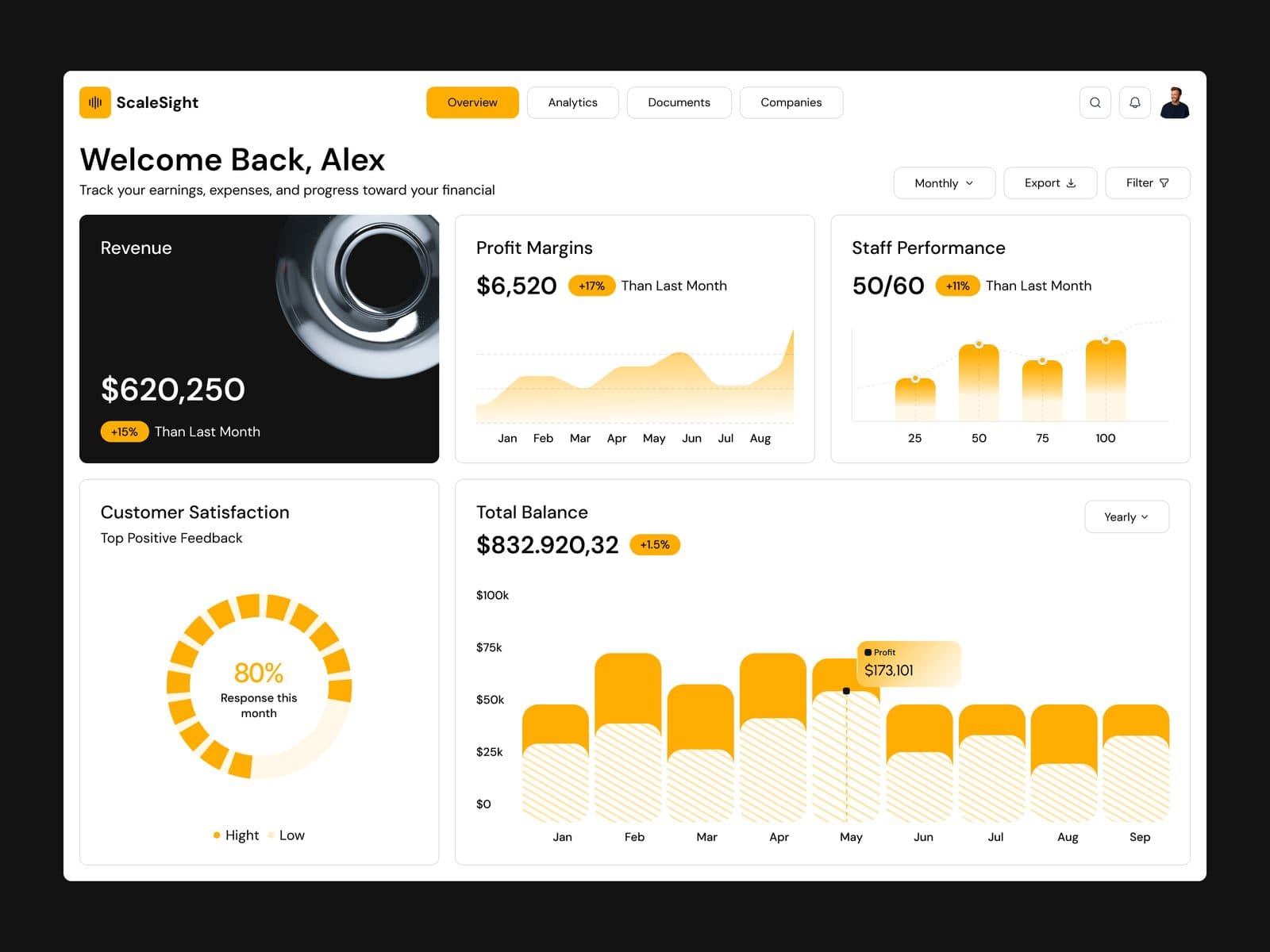
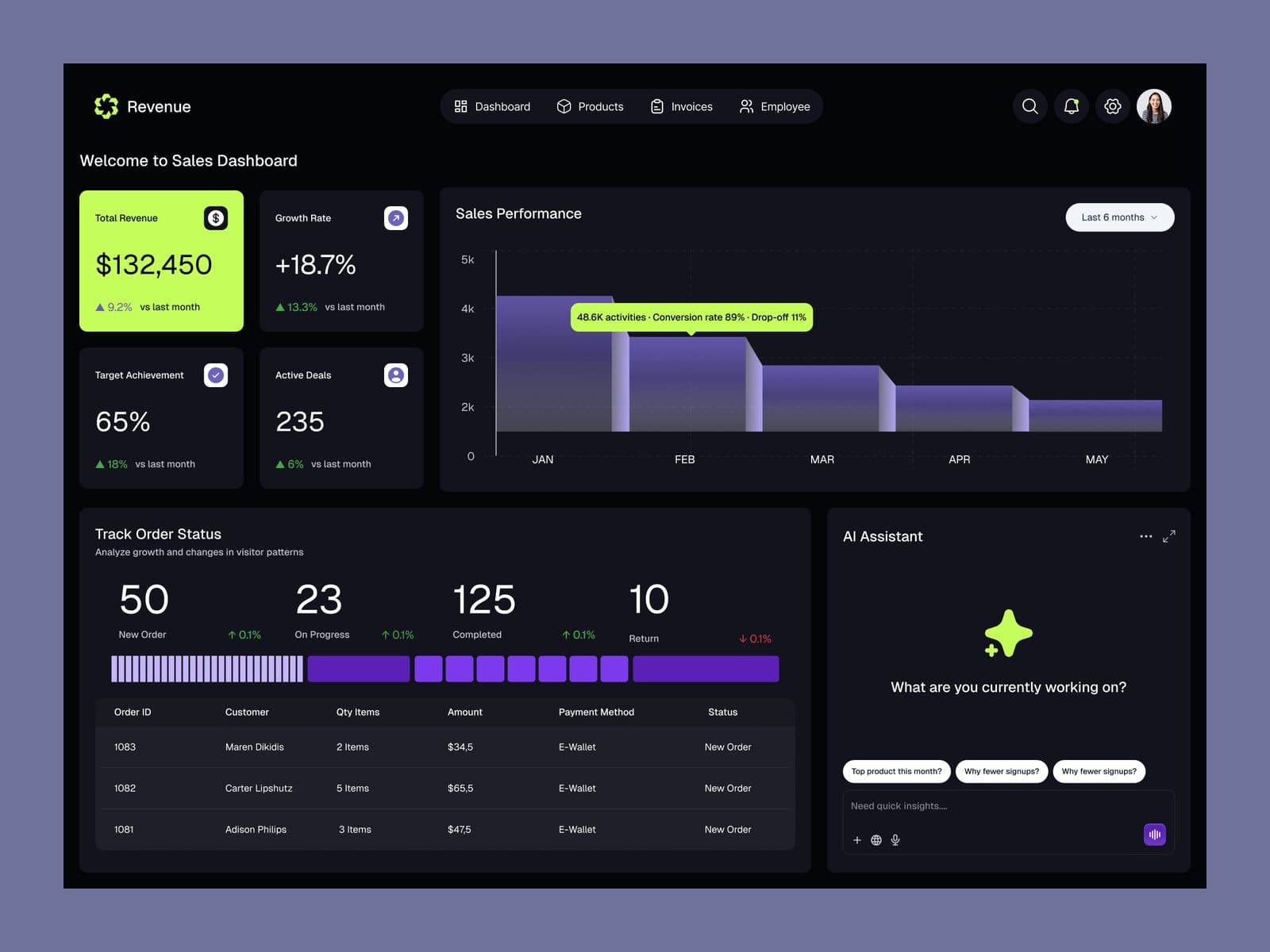
  • A revenue and sales dashboard designed by Redlio Labs
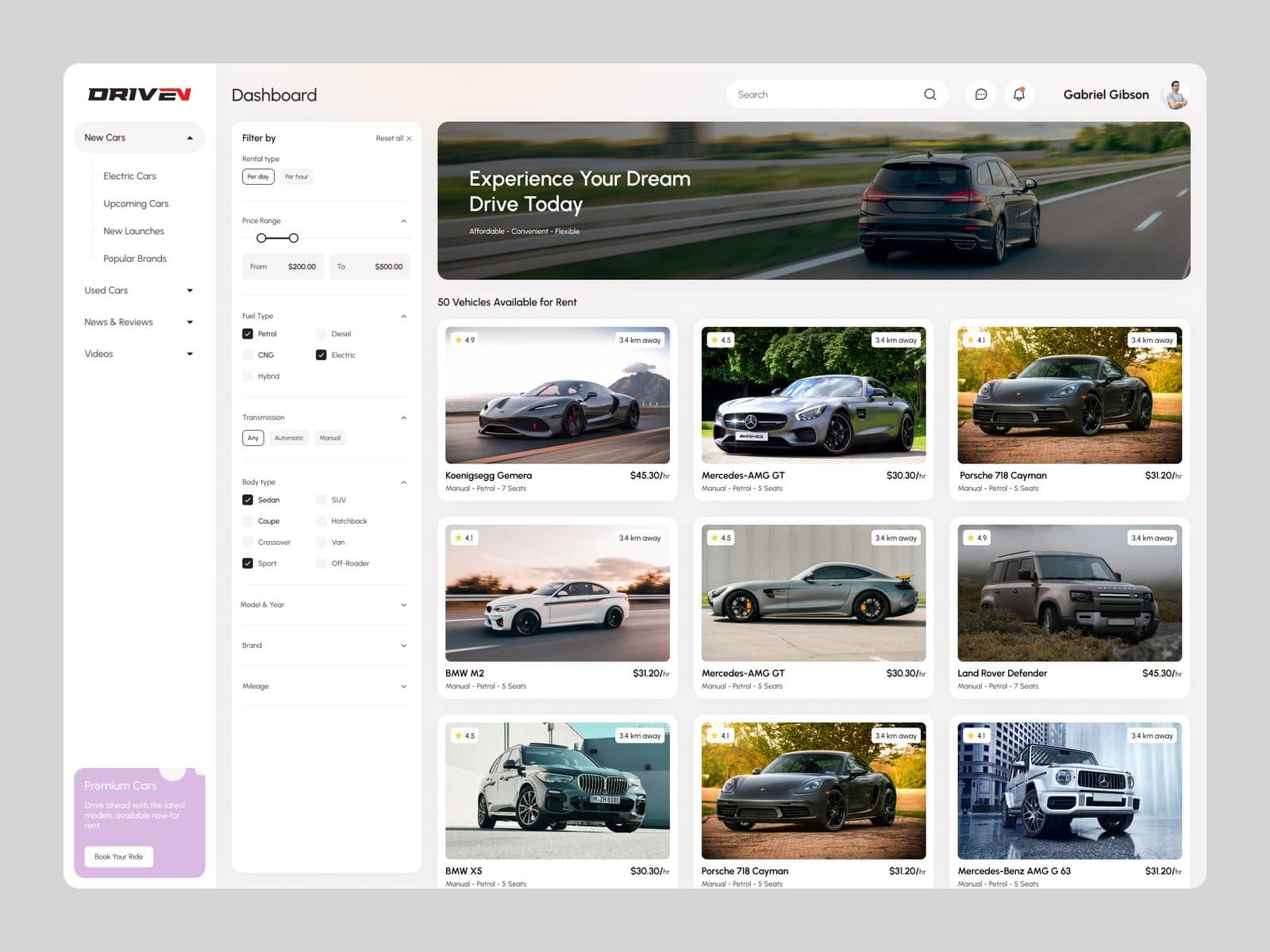
  • A rental car booking dashboard designed by Redlio Labs
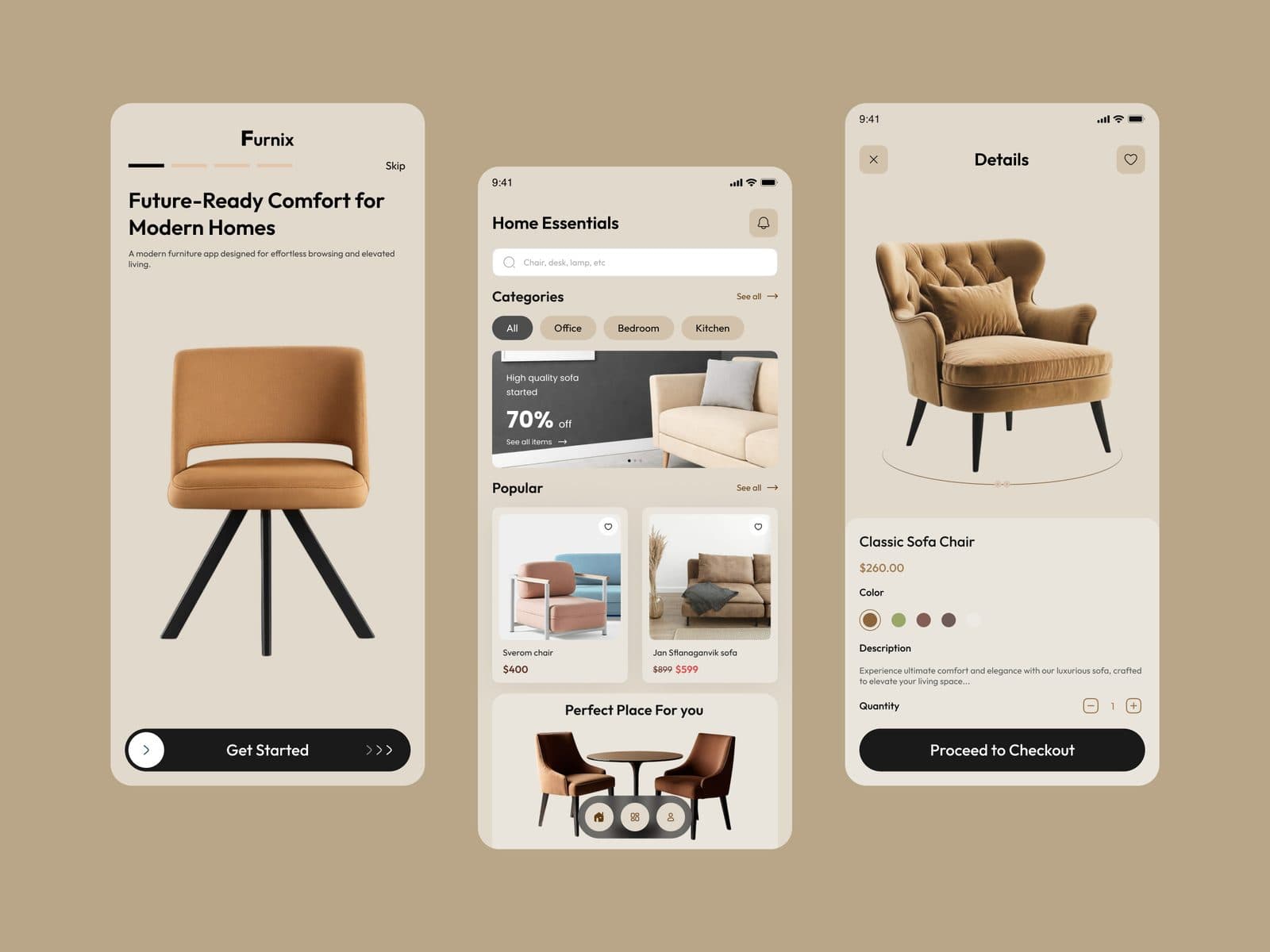
  • A furniture shopping mobile app designed by Redlio Labs
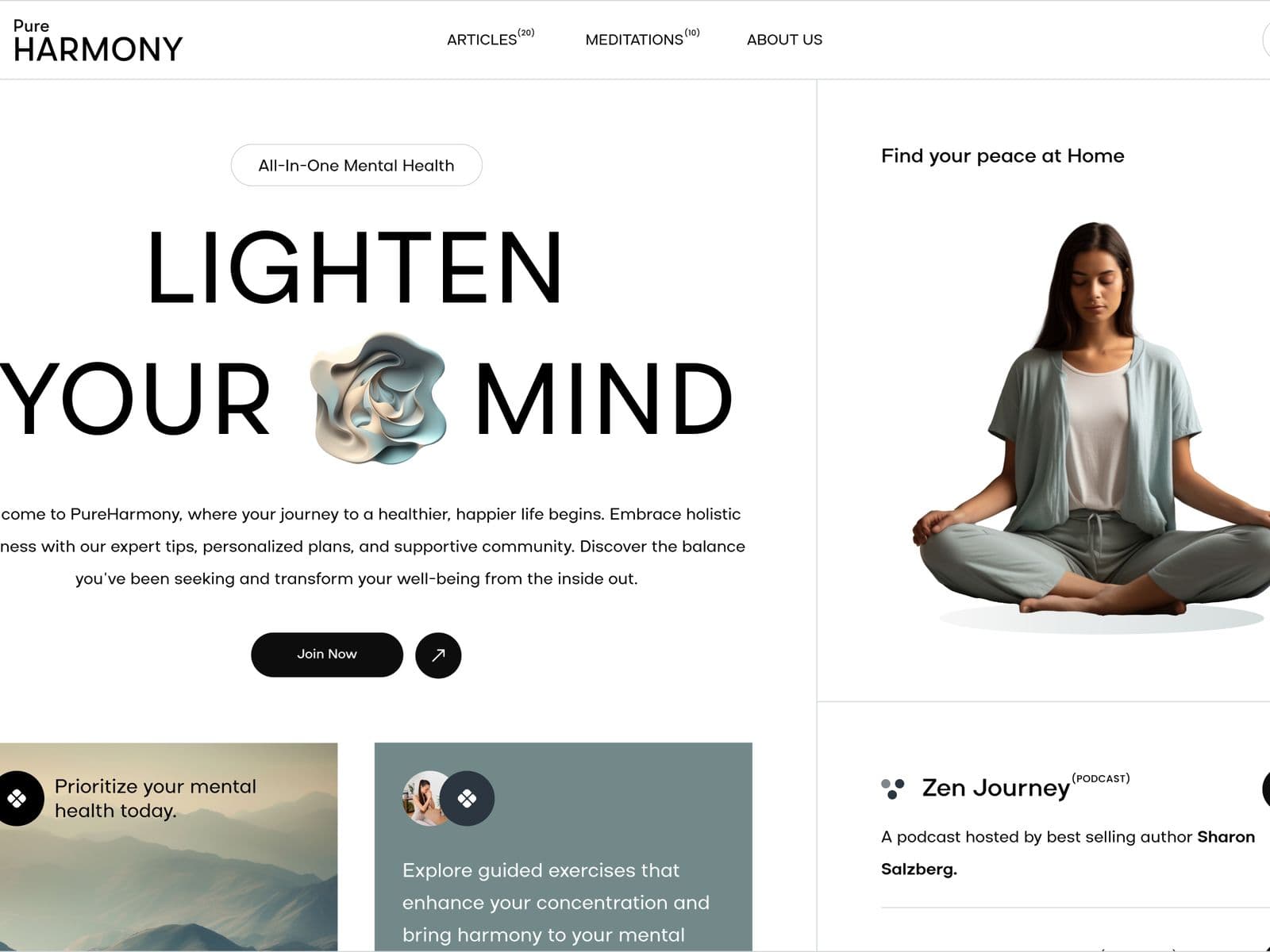
  • A wellness website designed by Redlio Labs
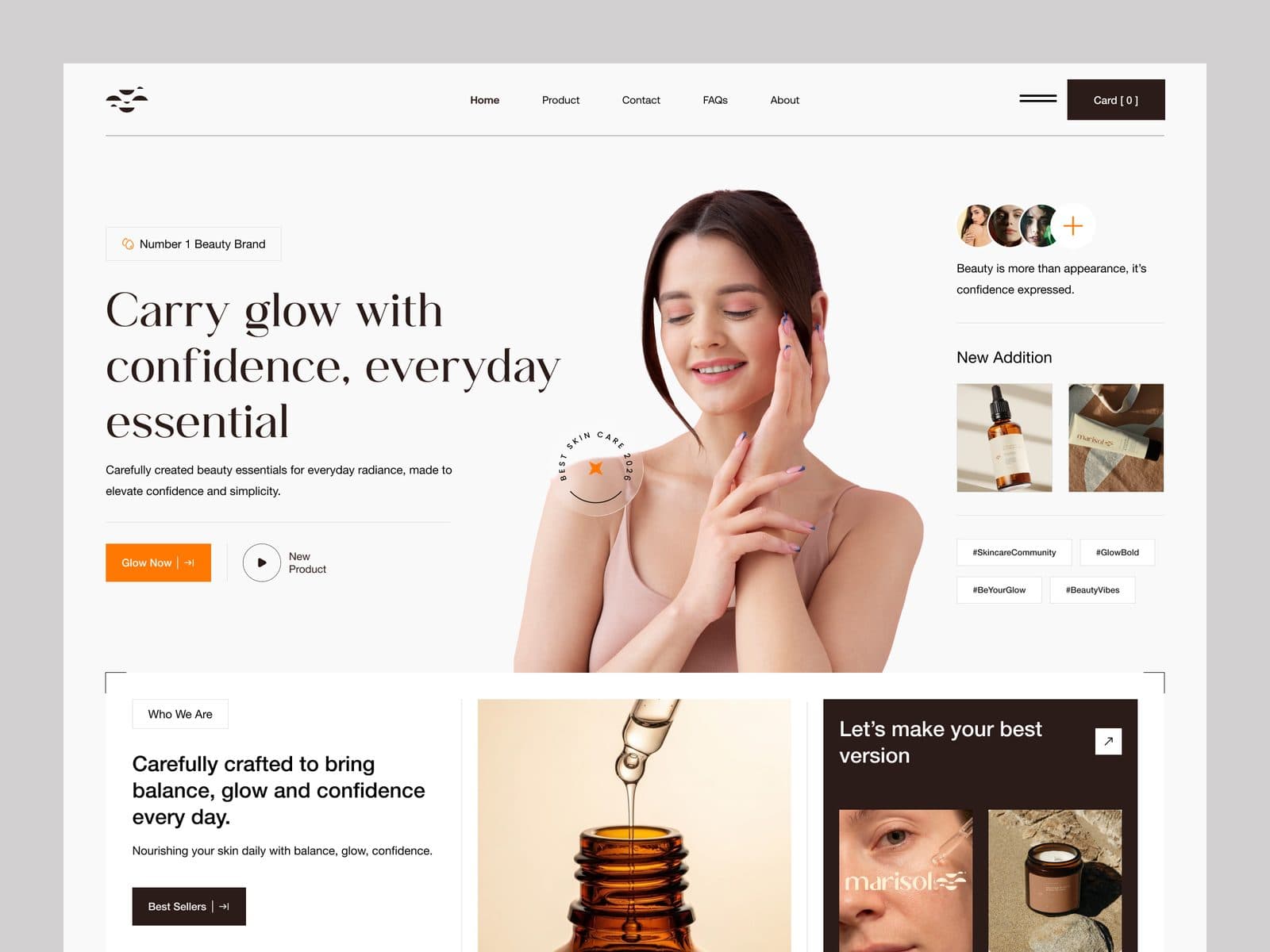
  • A skincare brand website designed by Redlio Labs
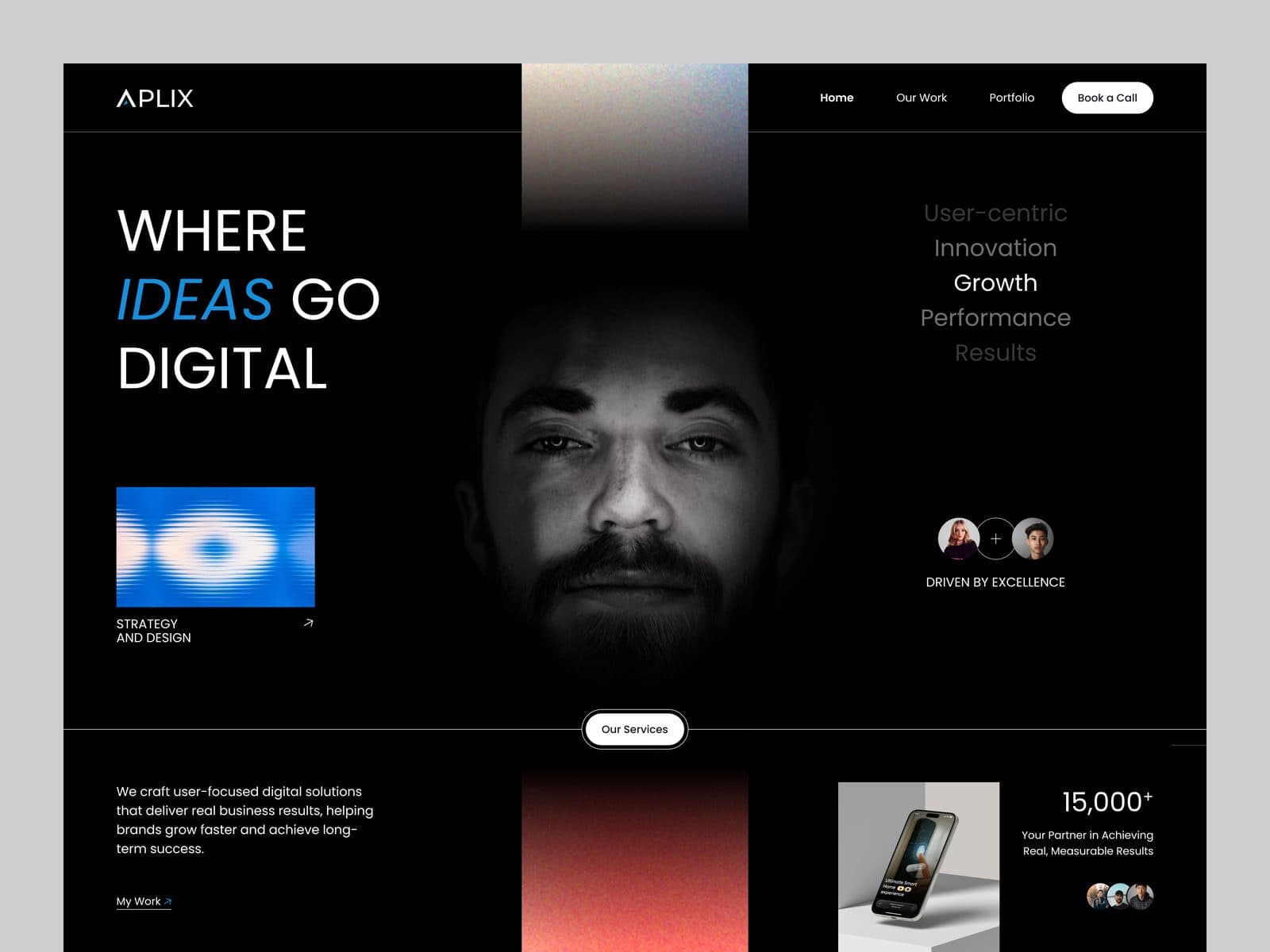
  • A digital agency website designed by Redlio Labs
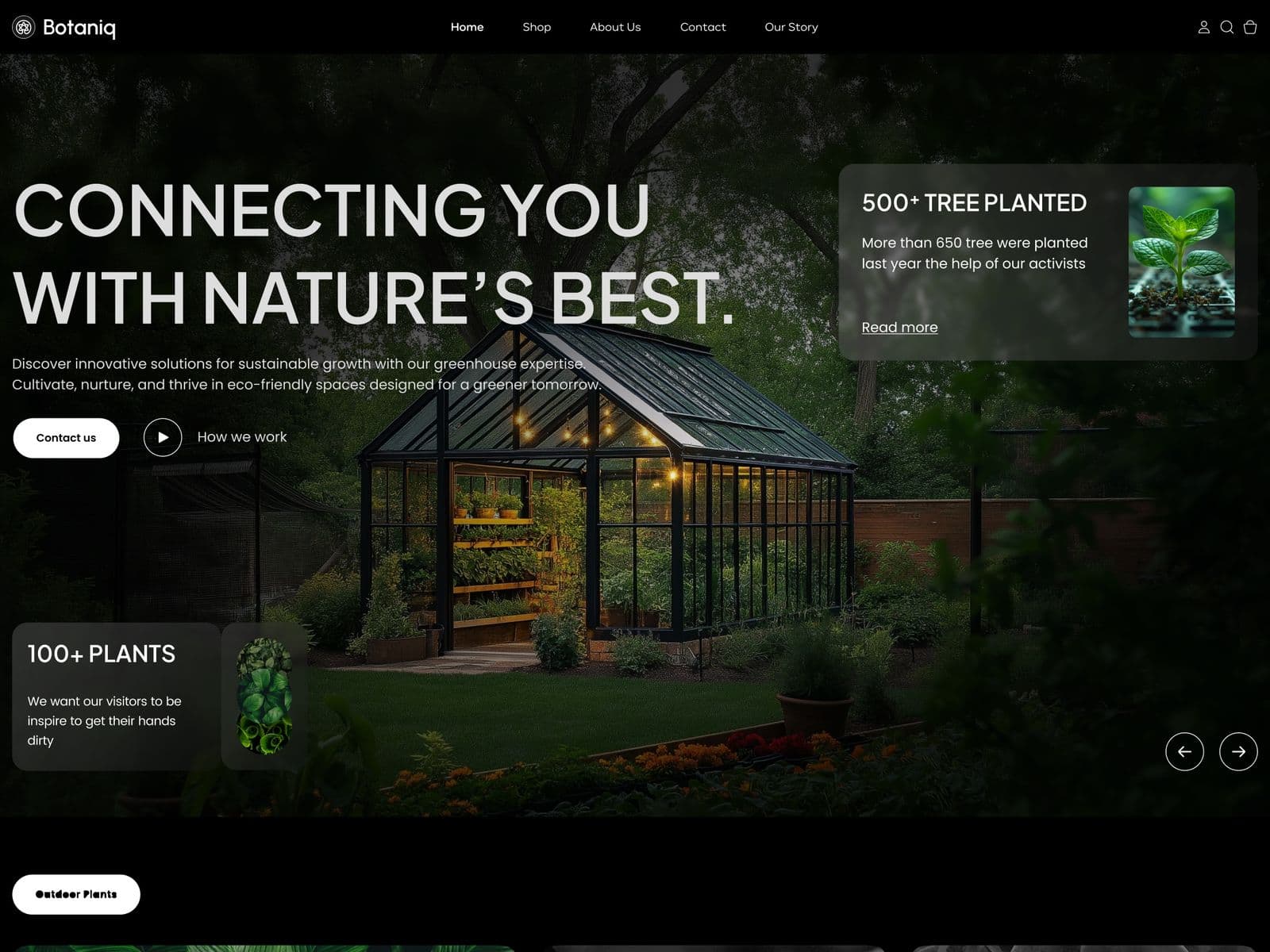
  • A plant nursery landing page designed by Redlio Labs
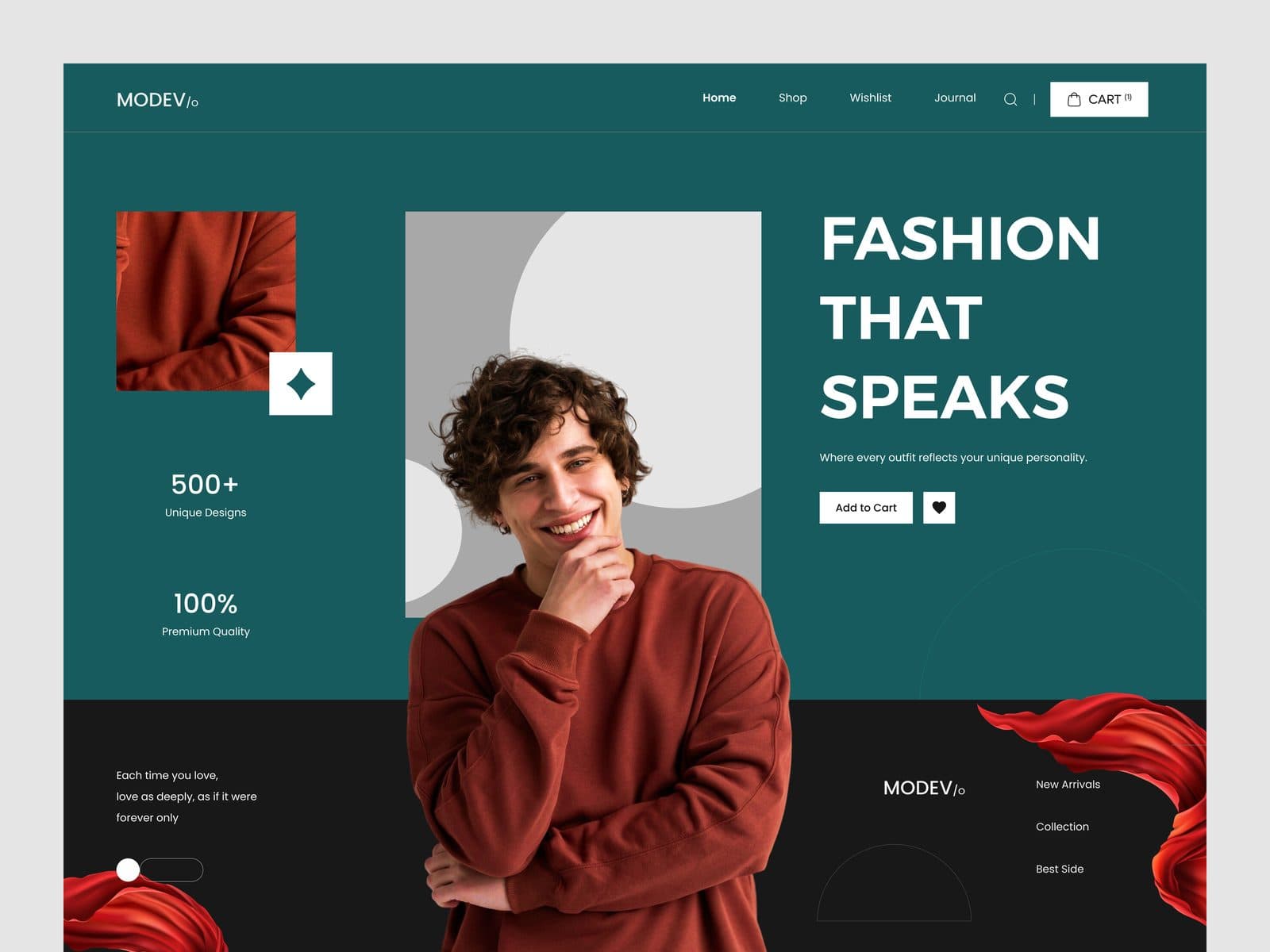
  • A fashion ecommerce store designed by Redlio Labs
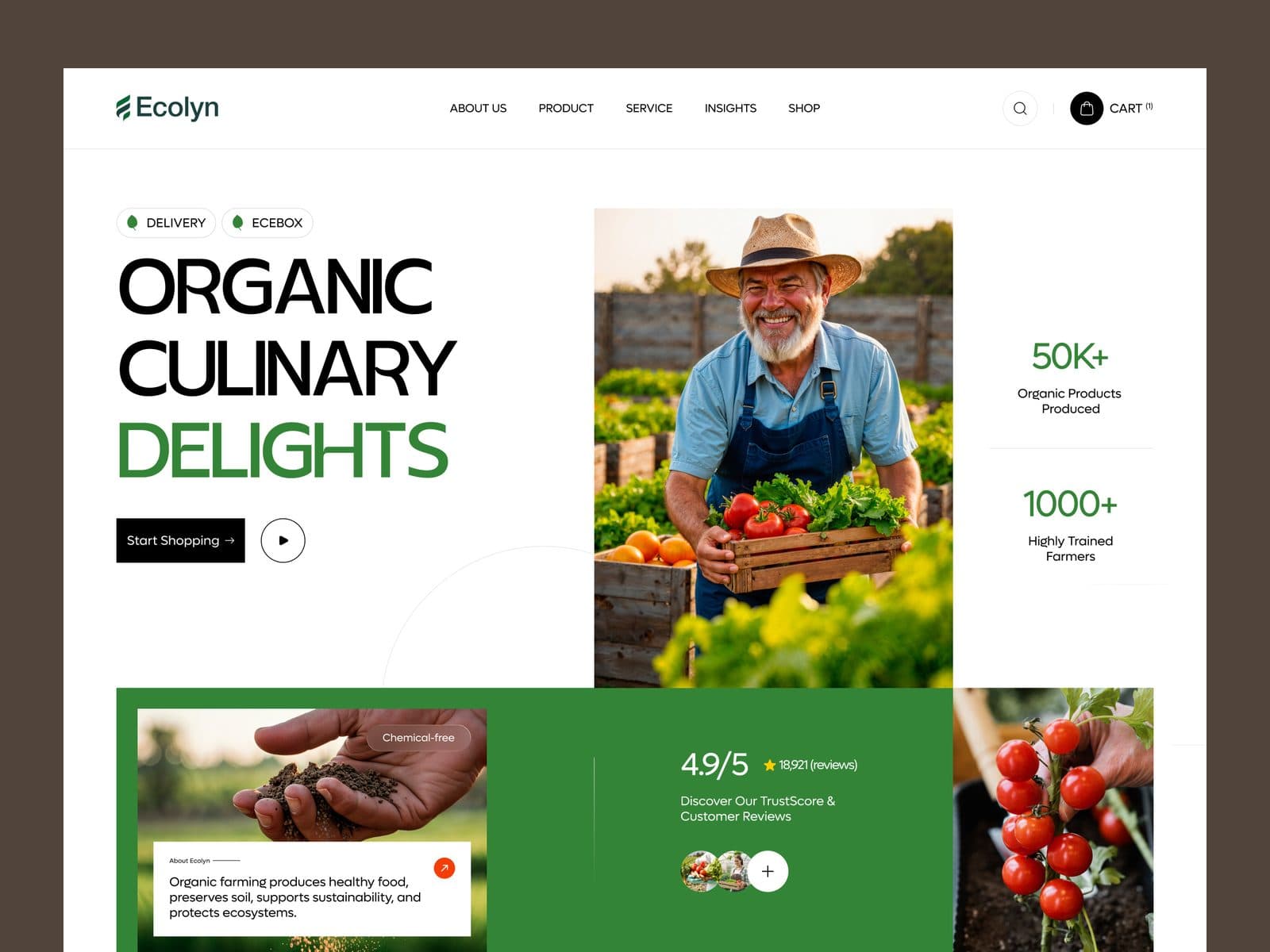
  • An organic farm website designed by Redlio Labs
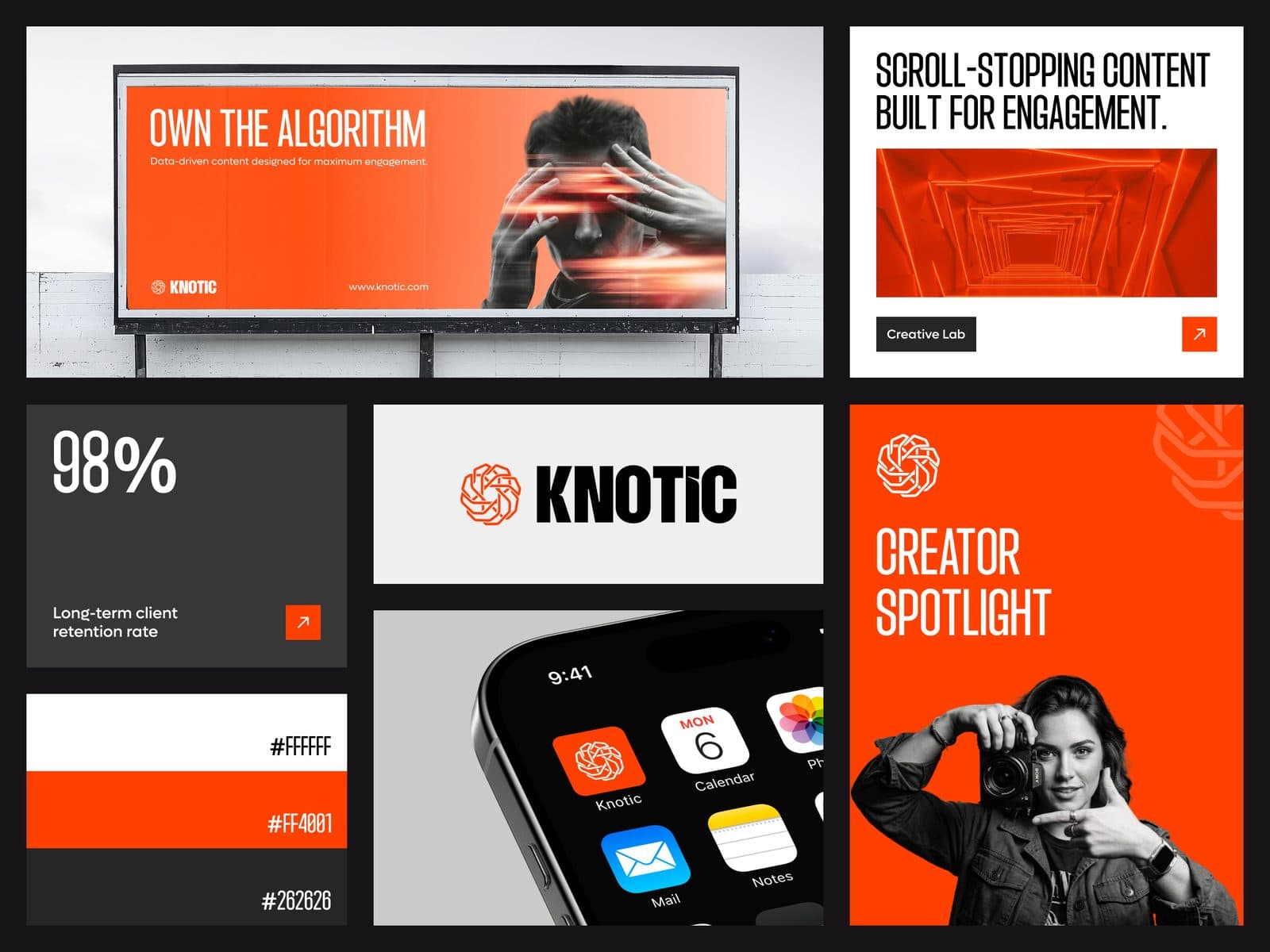
  • A social media marketing campaign designed by Redlio Labs

When custom CRM development is the wrong choice

Three cases where we advise buying, fixing or waiting instead:

  • The process fits a packaged CRM

    Where the sales process fits leads, contacts, accounts and deals, we advise Salesforce, HubSpot or Dynamics, configured well. It costs less to start, and the vendor carries the upkeep.
  • The current CRM goes unused

    Where the sales team avoids the CRM it has, a rebuild can carry the same problem across. We recommend finding out why first, because too many fields and steps travel to a new system unless someone removes them.
  • Nobody will own it

    We tell clients that a custom CRM needs one person on their side who decides what changes next. Without that owner, requests pile up and the team drifts back to spreadsheets.

Custom CRM development is the right choice where the business’s records do not fit the standard shape, or where the CRM works inside the operation.

Our custom CRM software development process

Step 1 of 5

Discovery

We map your workflows, systems, and constraints with the people who use them every day, before anything is scoped. For a CRM: we sit with sales, service and finance to map the records they keep and the systems they copy between.

Discovery

  • Workflow map
  • Systems inventory
  • Constraints and risks
Two engineers discussing a system diagram at a whiteboard

Why companies choose Redlio Labs as their CRM software development company

  1. The data model first

    We settle the records and how they relate before the screens, so the CRM fits the business instead of a vendor’s default.
  2. A straight answer on build or buy

    We tell clients on the first call when Salesforce, HubSpot or Dynamics would serve them better than a build.
  3. One team, design to production

    We design and build the CRM with the same people, so what sales asked for in design reaches the code.
  4. Continuity in years

    We keep the team that built the CRM on it after launch, when most of a sales team’s change requests arrive.

Guides to read before committing to a CRM build

Custom CRM development FAQs

If something here does not answer it, ask the founder directly.

Mayursinh Jadeja

Talk to the people who do the work

A 30 minute scoping call with the team that would take the project on. We reply within 12 hours.

Request a scoping call

Prefer email?info@redliolabs.com

What is custom CRM development?

Custom CRM development is the design and build of a customer relationship management system around a company’s own records and processes, instead of configuring a packaged product. The system runs on the company’s data model, not a vendor’s. We build it for companies whose customers, deals or service work do not fit the records of Salesforce, HubSpot or Dynamics.

Should we build a custom CRM or use Salesforce or HubSpot?

We recommend buying for most companies, because Salesforce, HubSpot and Dynamics fit most sales processes built on leads, contacts, accounts and deals. A custom CRM pays where the business’s records do not fit that shape, or where licenses and integration cost more than owning the system. Many companies keep the packaged CRM and build only what it cannot hold.

Build vs buy software sets out how to find that boundary.

How much does CRM software development cost?

We price CRM software development against a written scope, so there is no figure to quote before scoping. The data model, the integrations, the migration and the reporting move the price most. The quality of the data in the old CRM is the line most often underestimated. Custom software development cost explains how to compare quotes for the same scope.

How long does it take to develop a custom CRM?

We plan a custom CRM in stages, and a first stage the sales team can work in usually takes months, not weeks. The migration and the integrations set the pace more than the screens do. Each stage goes to real users before the next one begins.

Can you migrate our data from Salesforce, HubSpot or Dynamics?

Yes, we migrate records, history and attachments from the CRM in use, and from spreadsheets. We run trial migrations first and reconcile record counts on both sides after each one. The old CRM stays readable for an agreed period after cutover, so the team keeps what it needs.

Which systems can a custom CRM integrate with?

We integrate a custom CRM with the systems around the sale: email and calendar, telephony, marketing automation, the ERP, billing and support tools. We list each connection, the side that owns each field and the owner of each system before we price the build, as we do for every custom software integration.

How do you get a sales team to use a new CRM?

We design a CRM for adoption by cutting the work of keeping it up to date. We count the fields each daily task needs, fill what we can from email, calendar and other systems, and test the screens with salespeople before launch. A CRM that takes longer to update than a spreadsheet loses to the spreadsheet.

Do you customize Salesforce or HubSpot?

We do not configure or customize Salesforce, HubSpot or Dynamics, because a partner certified by that vendor does that work better. We build custom CRMs, and the custom layer beside a packaged CRM: operations tools, portals and integrations that use its API. Where a packaged CRM fits, we say so and point to that route.

Request a scoping call for your CRM

Thirty minutes with the engineers who would build the CRM. We ask what your records are and what the CRM must connect to. We reply within 12 hours, sign an NDA before the first call and give a straight answer on fit.

We use what you send to understand and answer your inquiry. Privacy policy

  • We reply within 12 hours
  • You talk to the people doing the work, never an account manager
  • Peer-reviewed releases
  • NDA before your first call
Mayursinh Jadeja

Mayursinh Jadeja


Founder, Redlio Labs

Rated 5.0 on Clutch and 5.0 on Google