




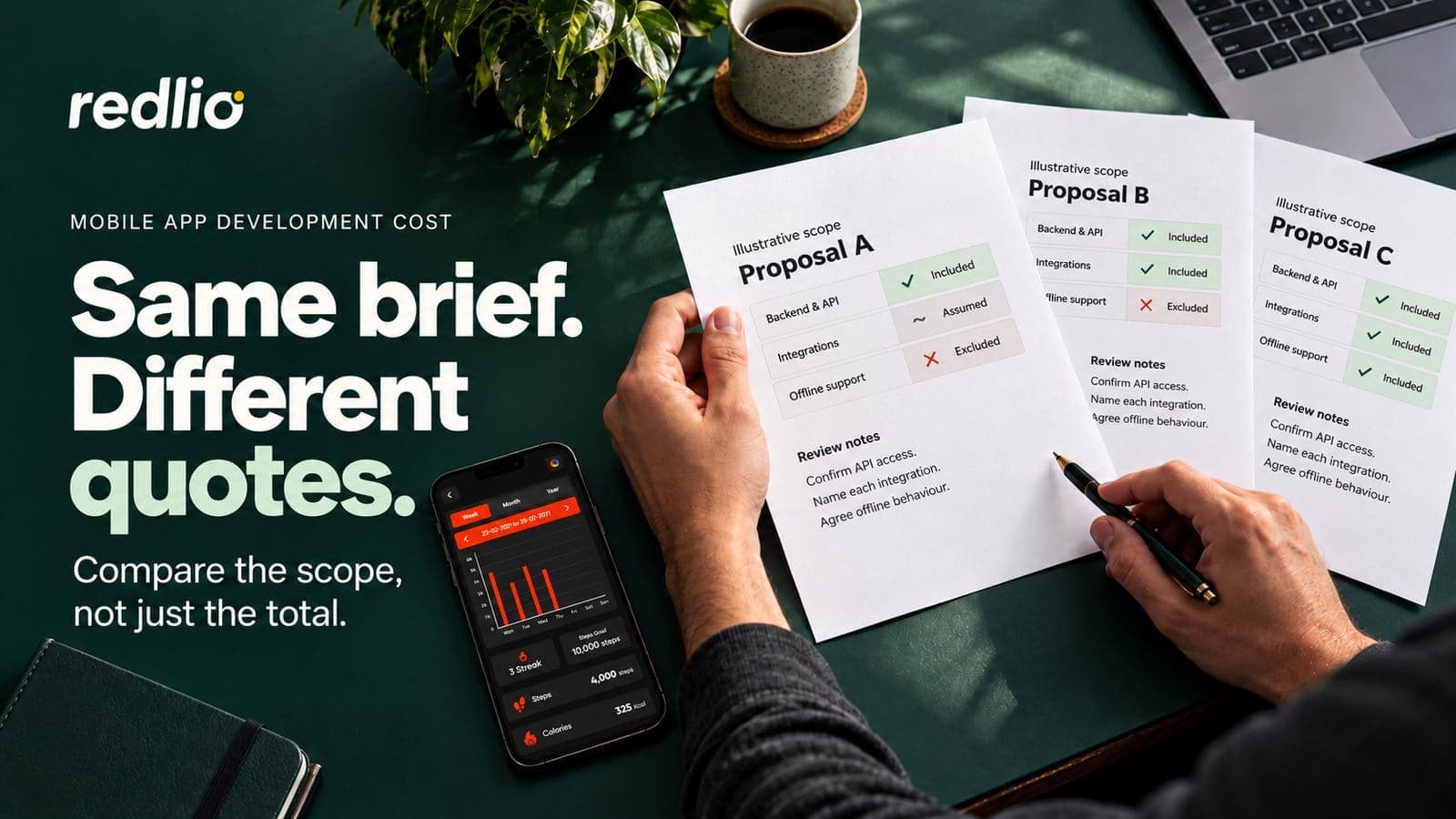
Mobile app development cost: why three quotes for the same app never match
Why quotes for the same app differ, what sits behind the screens, the store rules that add work nobody quoted, and why an app is a yearly cost.
 Mayursinh Jadeja
iOS and Android apps, their backend and the store release, from one team. Built for no signal, OS updates and users who never update.
Reviewed by Mayursinh Jadeja, Founder · Last updated November 5, 2026
“The team was responsive to our feedback and remained present throughout the engagement. Their patience and design work were stellar.”
Trusted by clients around the globe


Why apps collect one-star reviews
Two stores, thousands of devices, and users who don’t update.
We settle the release path, offline behavior and backend contract before the first screen, and stay on your app after launch.

Case studies
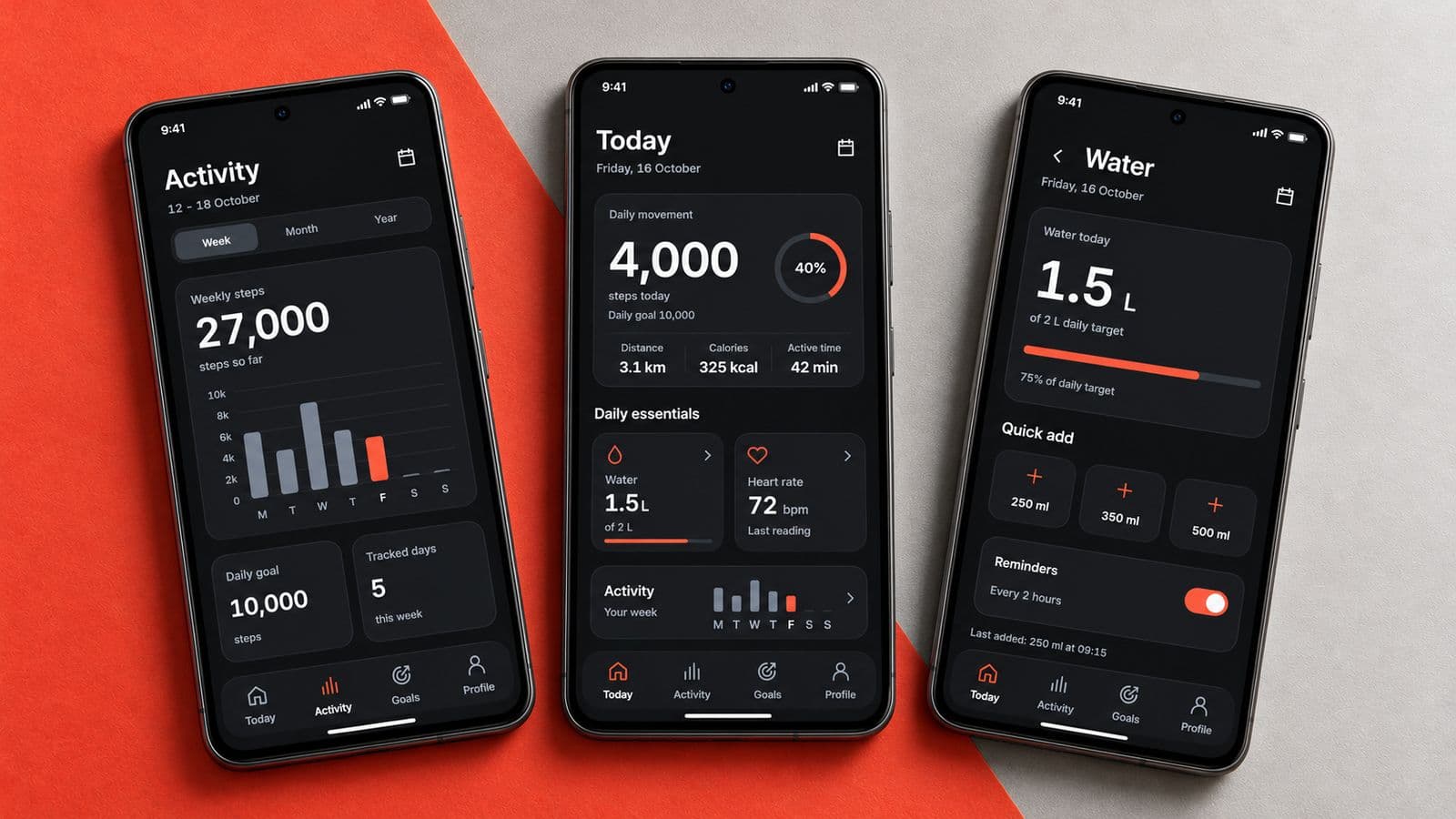
Client project
A step counter that runs on the phone’s own sensor. Scoped in discovery, built for Android first.
4.7on Google Play after 20,000 installs, by the client’s account
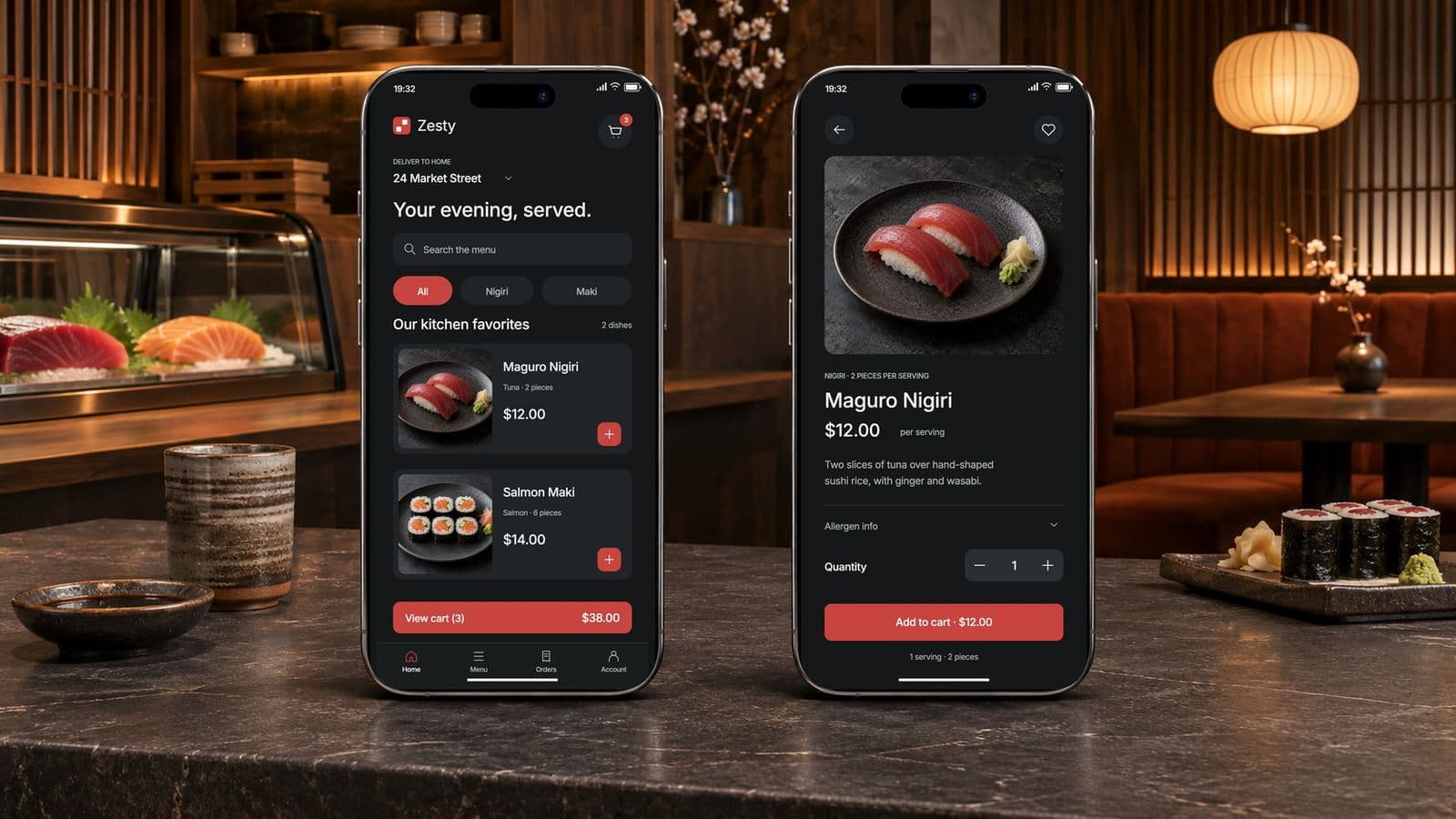
Client project
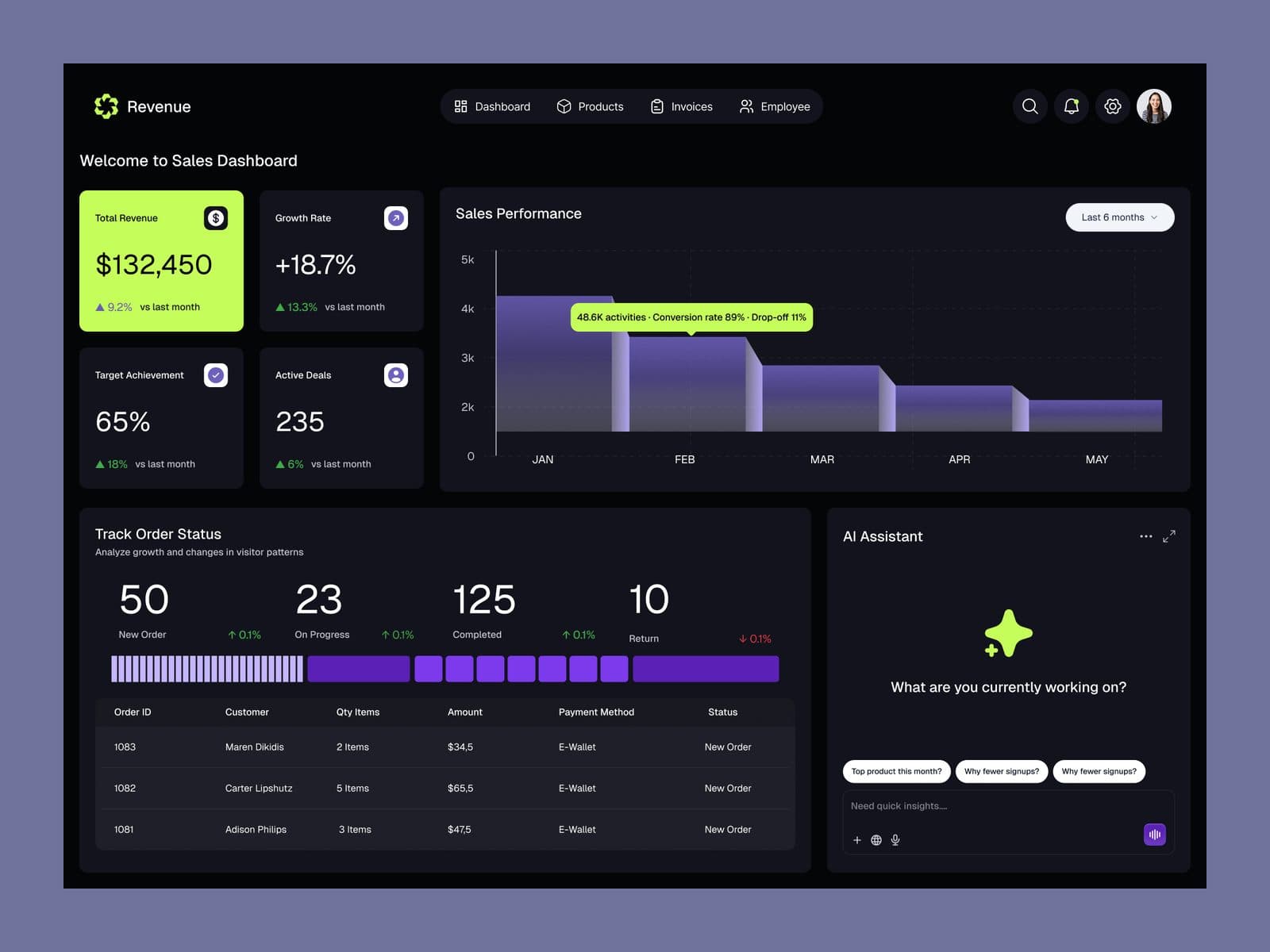
A sushi ordering app with live order tracking, and the delivery build behind it.
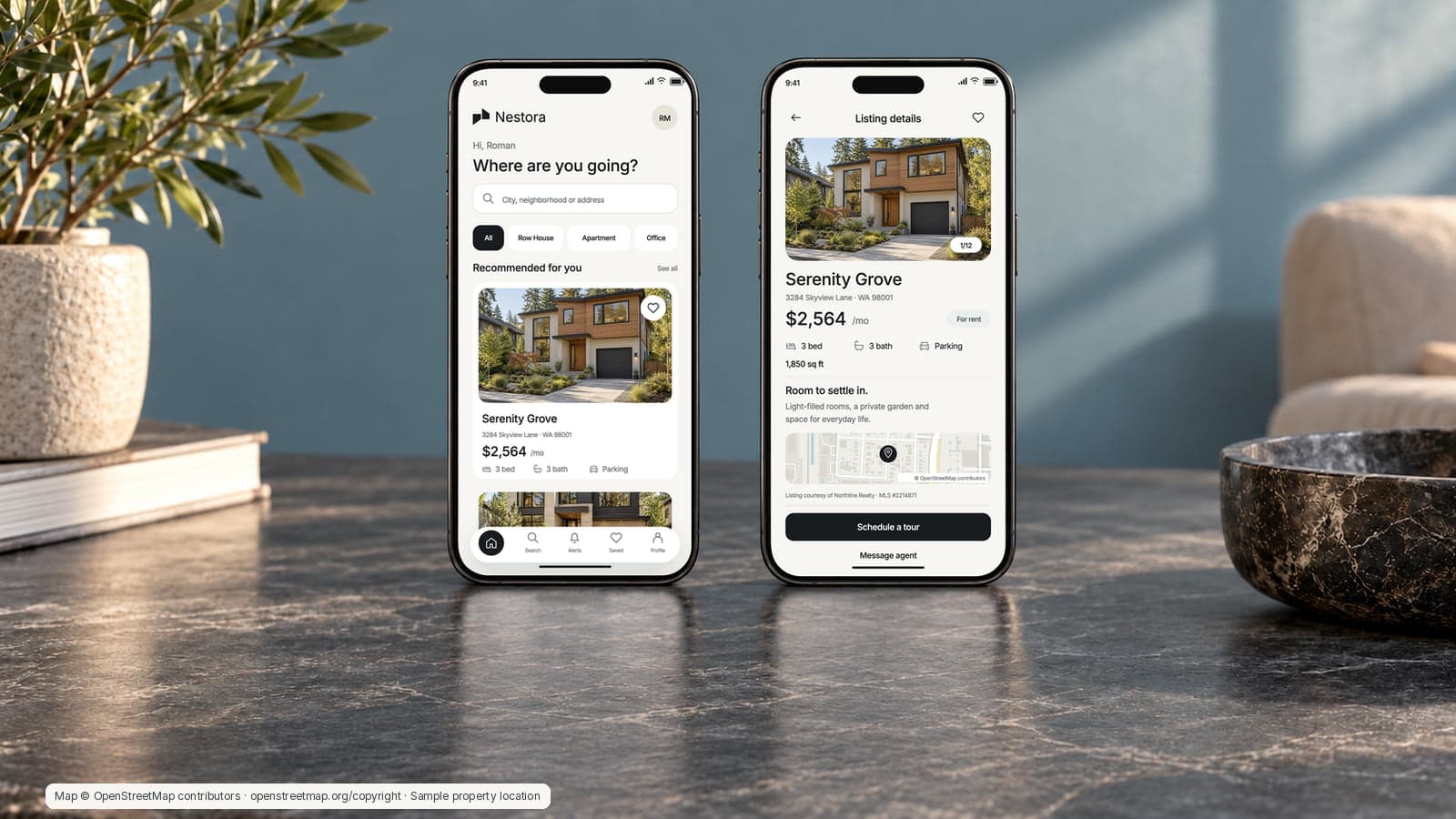
Client project
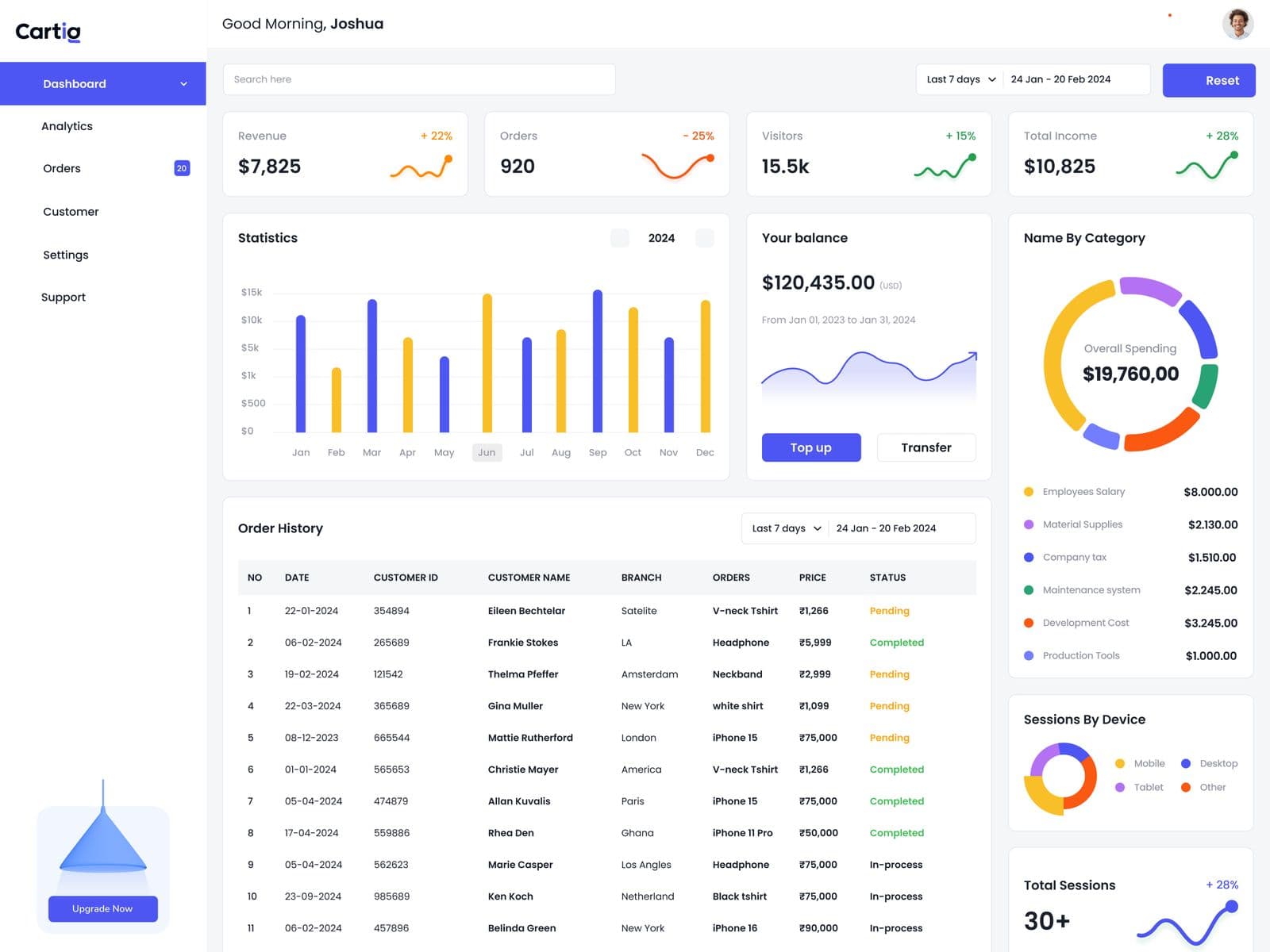
A property listing app, and the MLS feed, search and agent side behind it.
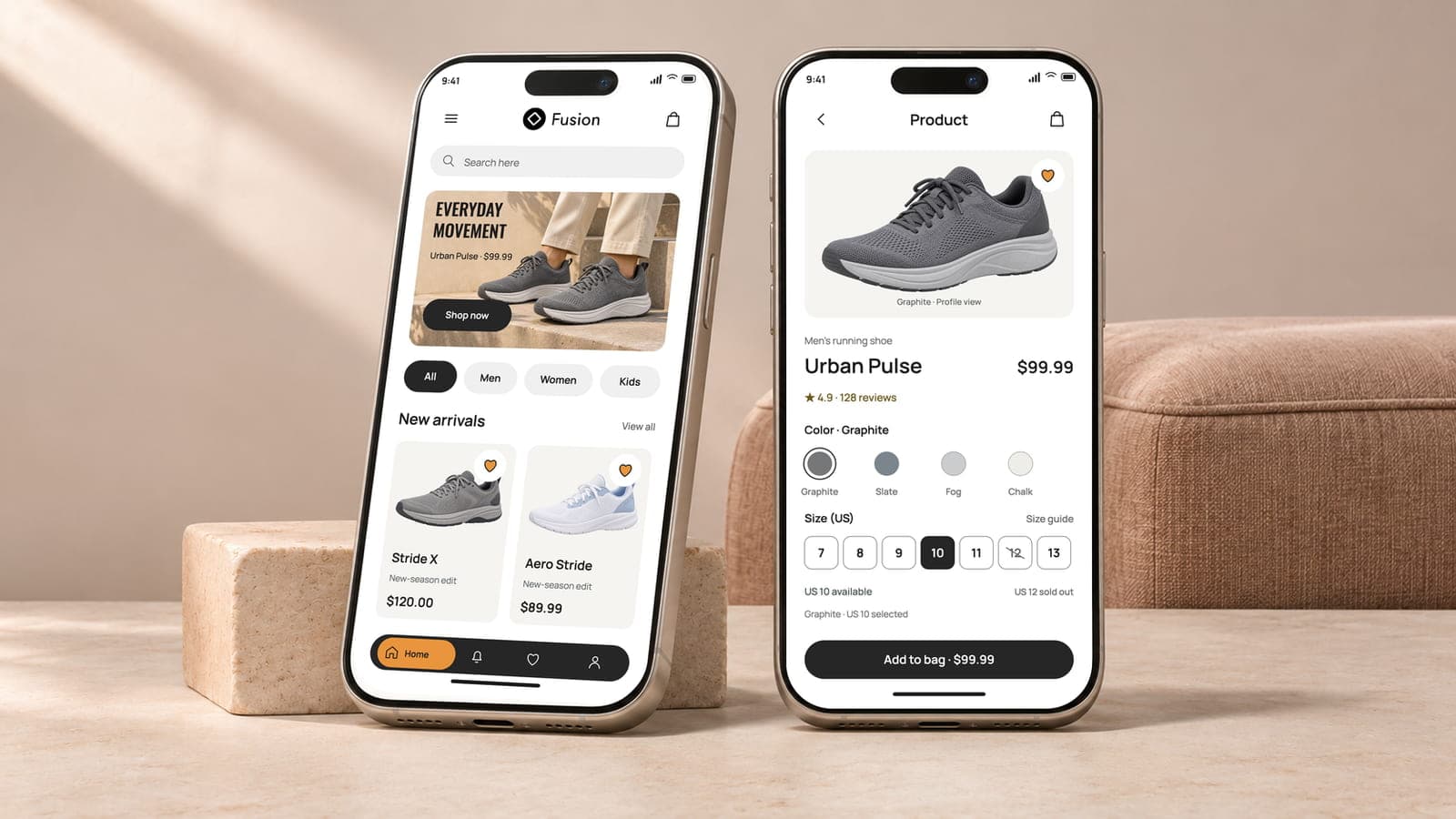
Client project
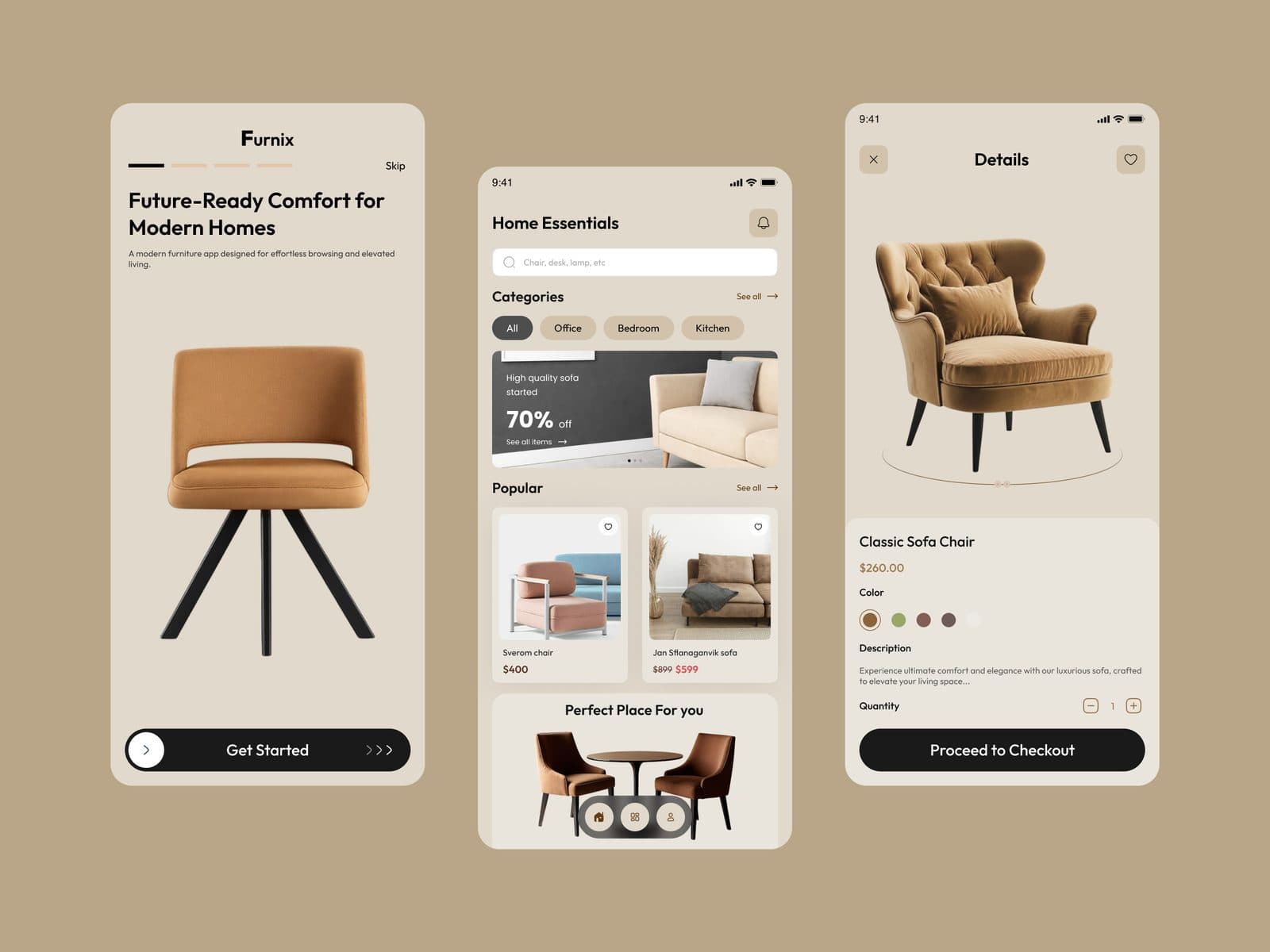
A shoe store app for a footwear brand, and the catalog, checkout and orders behind it.
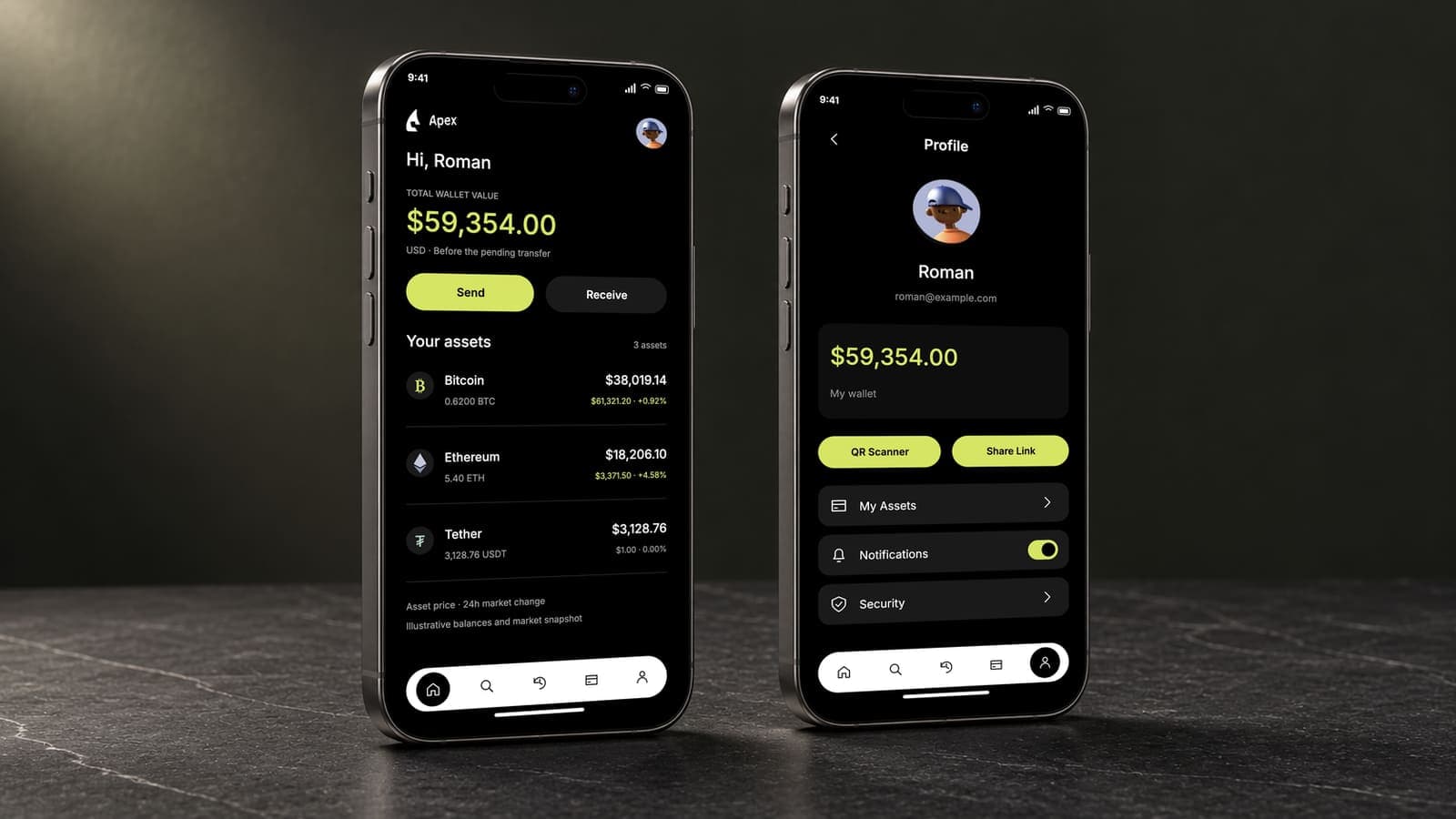
Client project
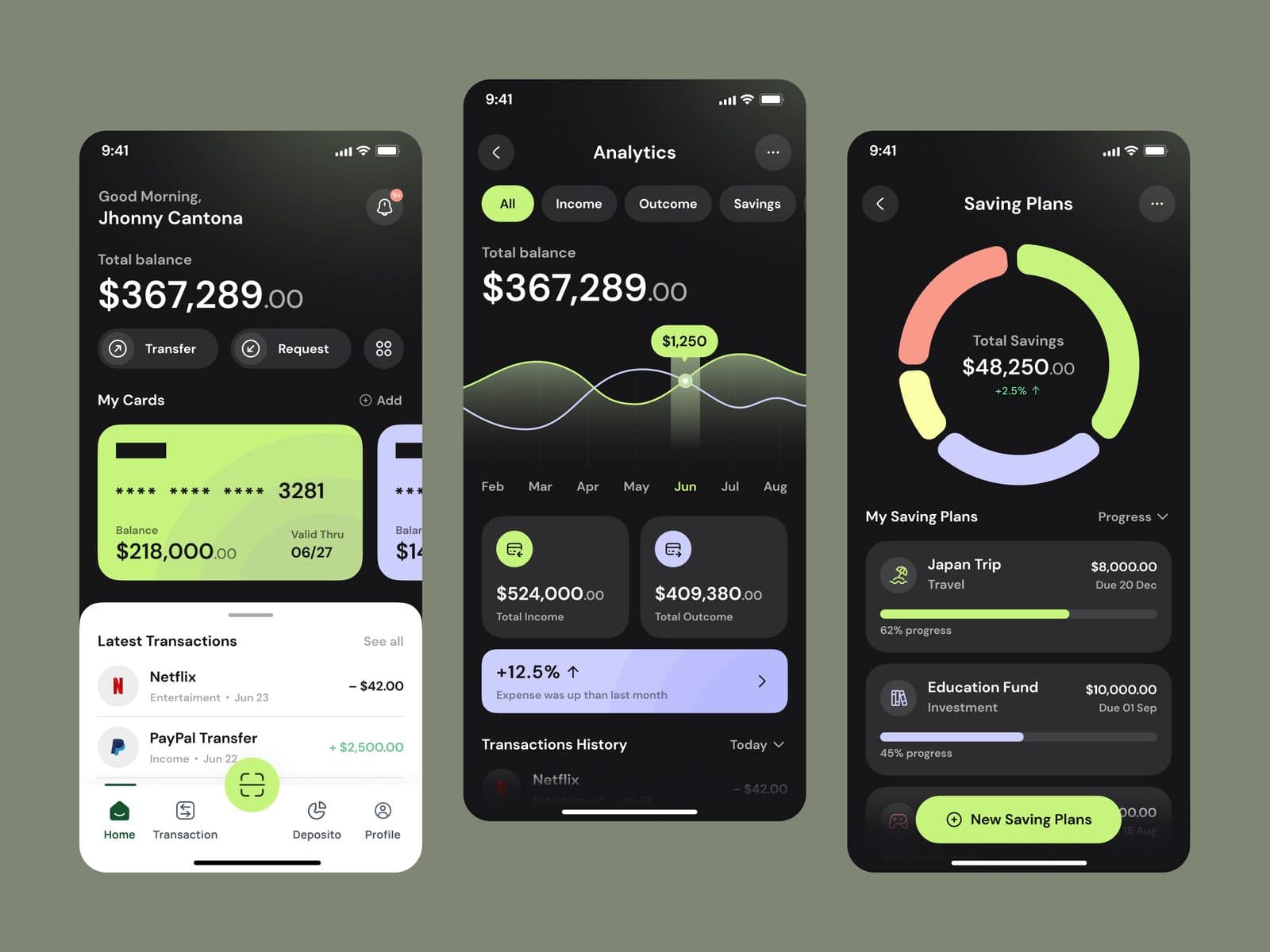
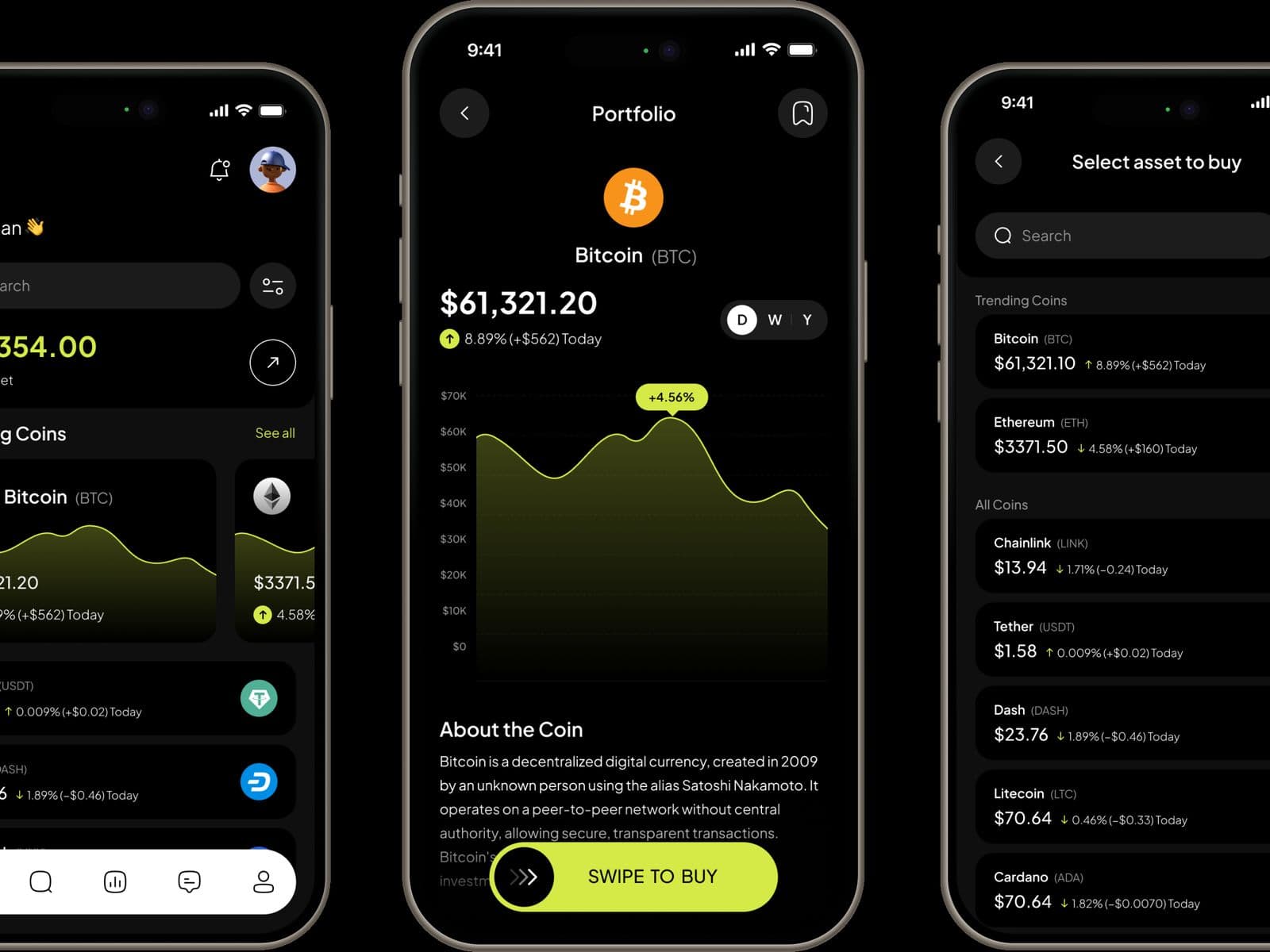
A dark mode crypto wallet app, and the keys, chains and sending behind it.
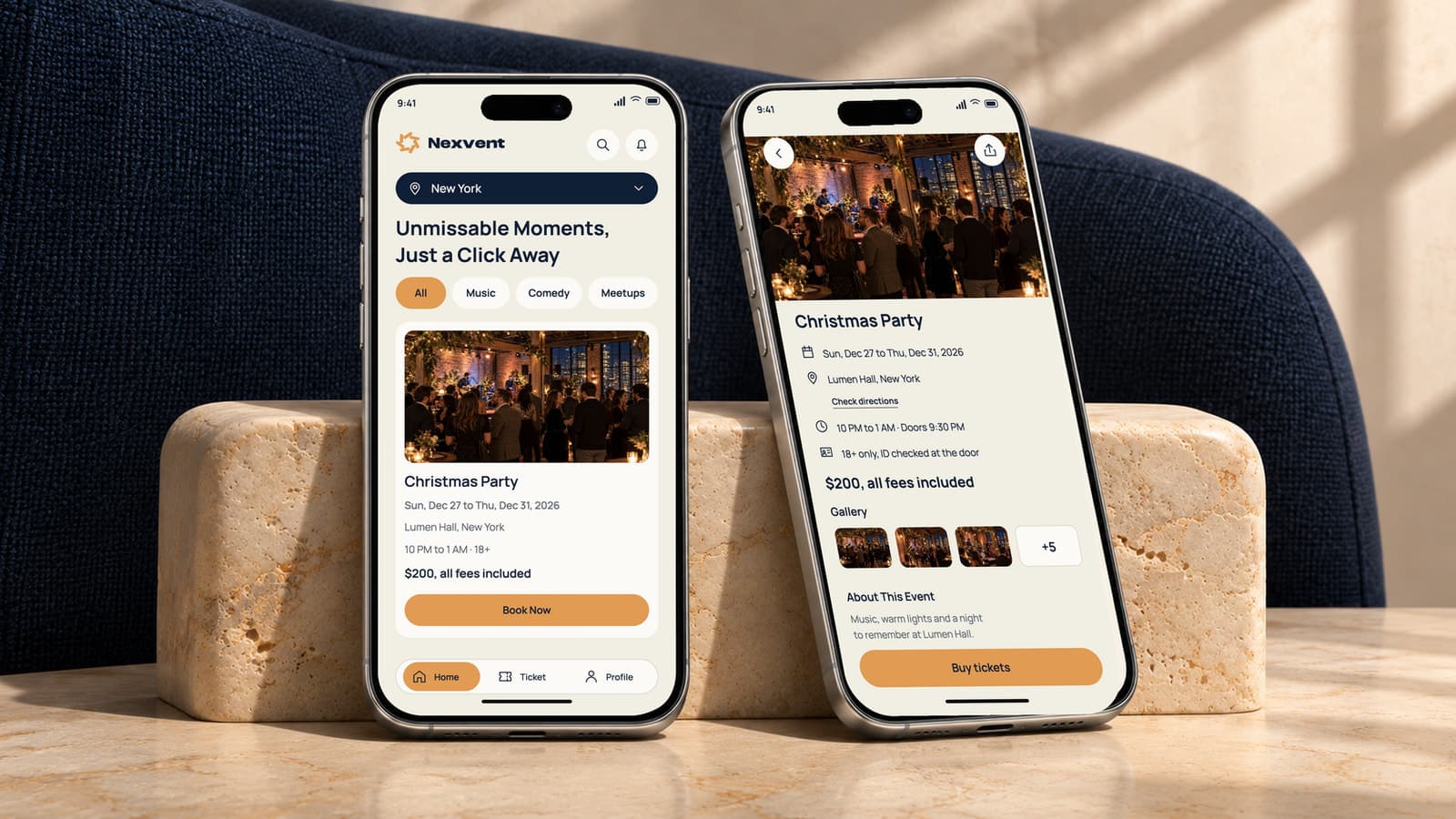
Client project
An event booking app, and the ticketing, check-in and organizer side behind it.
Mobile app development services
Six kinds of mobile work, one team. Most companies need the app and its backend, so we build both.
Client story
A consumer app company in Egypt came to us for a step counter app. Before the build, discovery meetings settled the goals, the deliverables, the features, the tasks, the deadlines and the cost.
One decision from those meetings shaped the budget more than any other: Android first, iOS later. By the client’s account on Clutch, the app reached a 4.7 rating on Google Play after 20,000 installs, updates came almost daily, and the work was delivered before the deadline.
Read the full case study Read the review on Clutch
Buyer’s checklist
The decisions, comparisons and checks we work through with every buyer. Put them to any supplier, us included.
Three ways to put software in someone’s pocket. We pick by what your app has to do, not fashion.
| Web app | Cross-platform app | Native apps | |
|---|---|---|---|
| Fits when | Occasional use, no device features, no store presence needed | One codebase for both stores, standard device features | Heavy device use, best performance, platform-specific design |
| Offline | Limited | Good | Best |
| Cost shape | Lowest, one build for every device | One codebase, two store releases | Two codebases to build and maintain |
| The real risk | Users expect an app and do not find one | Edge cases where one platform behaves differently | Two apps drifting apart over time |
We often recommend a web app when people will use it occasionally at a desk. We build a mobile app when it is used on the move, every day, or needs the device.
Quick to decide before the first build, expensive after the first release. Put these six to any supplier.
Who you’ll work with
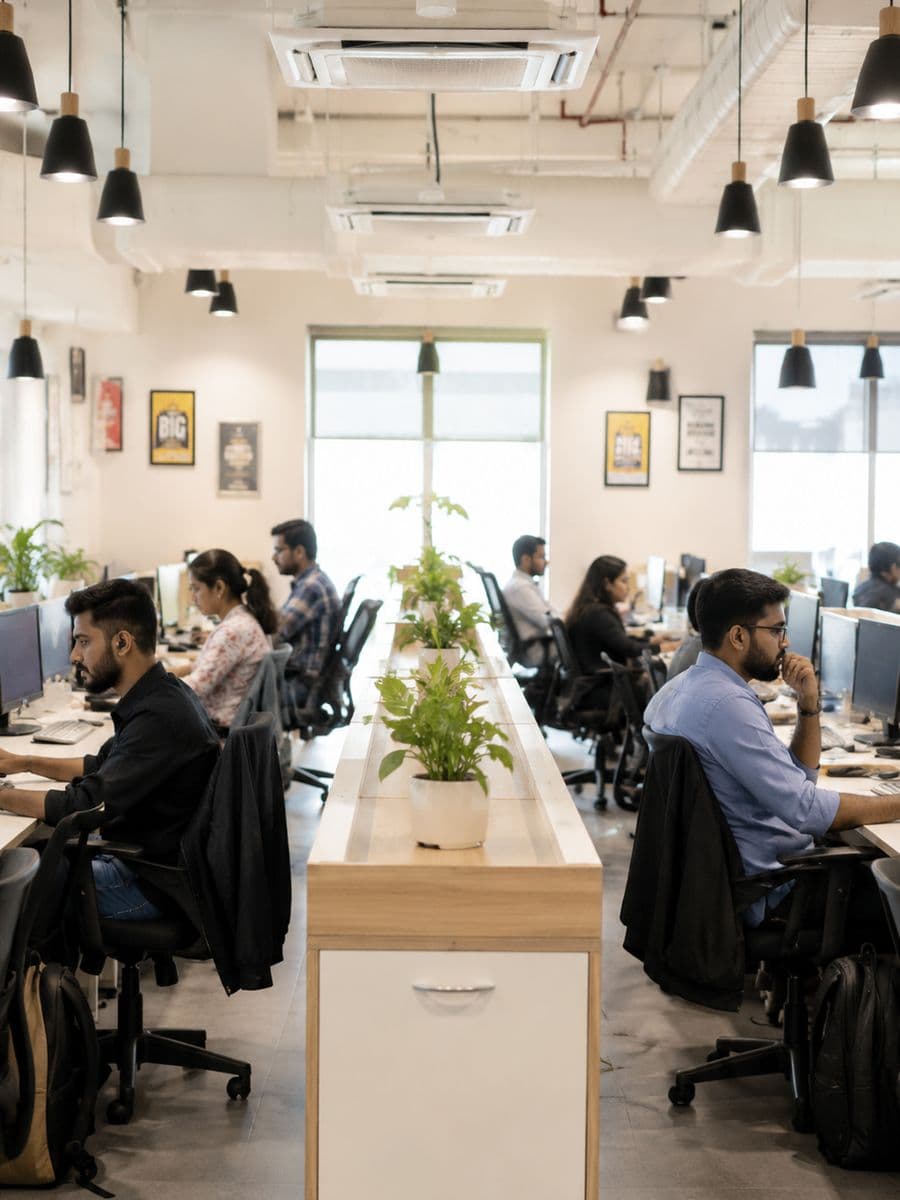
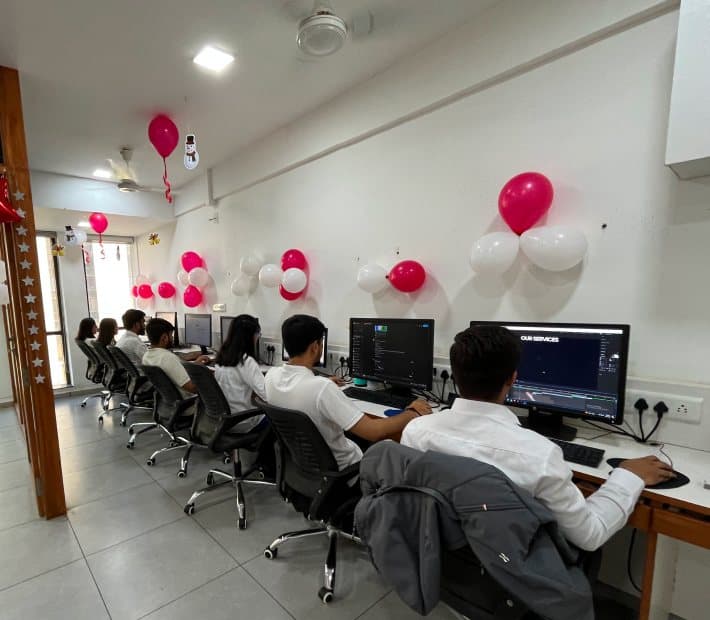
A team in Ahmedabad, India, working with clients around the globe. No account layer between you and the work.
Twelve years of systems for clients around the globe.
Engineers, designers and project managers in one office.
Every engineer has 6+ years of experience. Project managers have 12+.
Still running for the clients who commissioned them.
15 Clutch reviews and 32 Google reviews, all public.
And a written scope within 48 hours of the call.
Why Redlio Labs
Enterprise mobile app development companies are judged in year two. We plan for it from day one.
The app that ships follows the design, because the same people made both.
Versioned APIs and a release plan make the next OS update scheduled work.
One team answers for the app and the systems behind it.
Published under store accounts in your name. Code and documentation transfer to you.
Talk to the engineers and designers who would do the work.
Talk to our teamOur mobile app development process
A clear clock from the moment you contact us.
12hours
Within 12 hours of your message
Tell us who uses the app, where, and what it connects to. You speak with the people who would build it.
48hours
Within 48 hours of the call
Platforms, OS versions, offline behavior and backend APIs, with a timeline and a price.
Day 1
From sign-off
Test builds on real devices from stage one. Store review and a staged rollout with crash monitoring live.
Industries
Each sector brings its own data rules, auditors and systems. We build to them.
Payments, lending and wealth platforms built on your licensed partners, with card data and funds left where they belong.
What we build for fintech
Patient and clinical software that starts with the record: who holds it, under which agreement, and how it reaches your EHR.
What we build for healthcare
Software for the gap between what the ERP planned and what the machines actually made.
What we build for manufacturing

Freight, fleet and warehouse software built for the shipments that go off plan.
What we build for logistics

Tills, stockroom, warehouse and online store selling from one stock figure, one price and one customer record.
What we build for retail

Stores connected to the ERP, warehouse, trade price lists and tax rules behind them.
What we build for ecommerce

Brokerage and property software that respects MLS rules and the money held for others.
What we build for real estate

Learning and student software that starts with whose data it is and how it reaches the LMS.
What we build for education
Insights
Why quotes for the same app differ, what sits behind the screens, the store rules that add work nobody quoted, and why an app is a yearly cost.
Mayursinh Jadeja
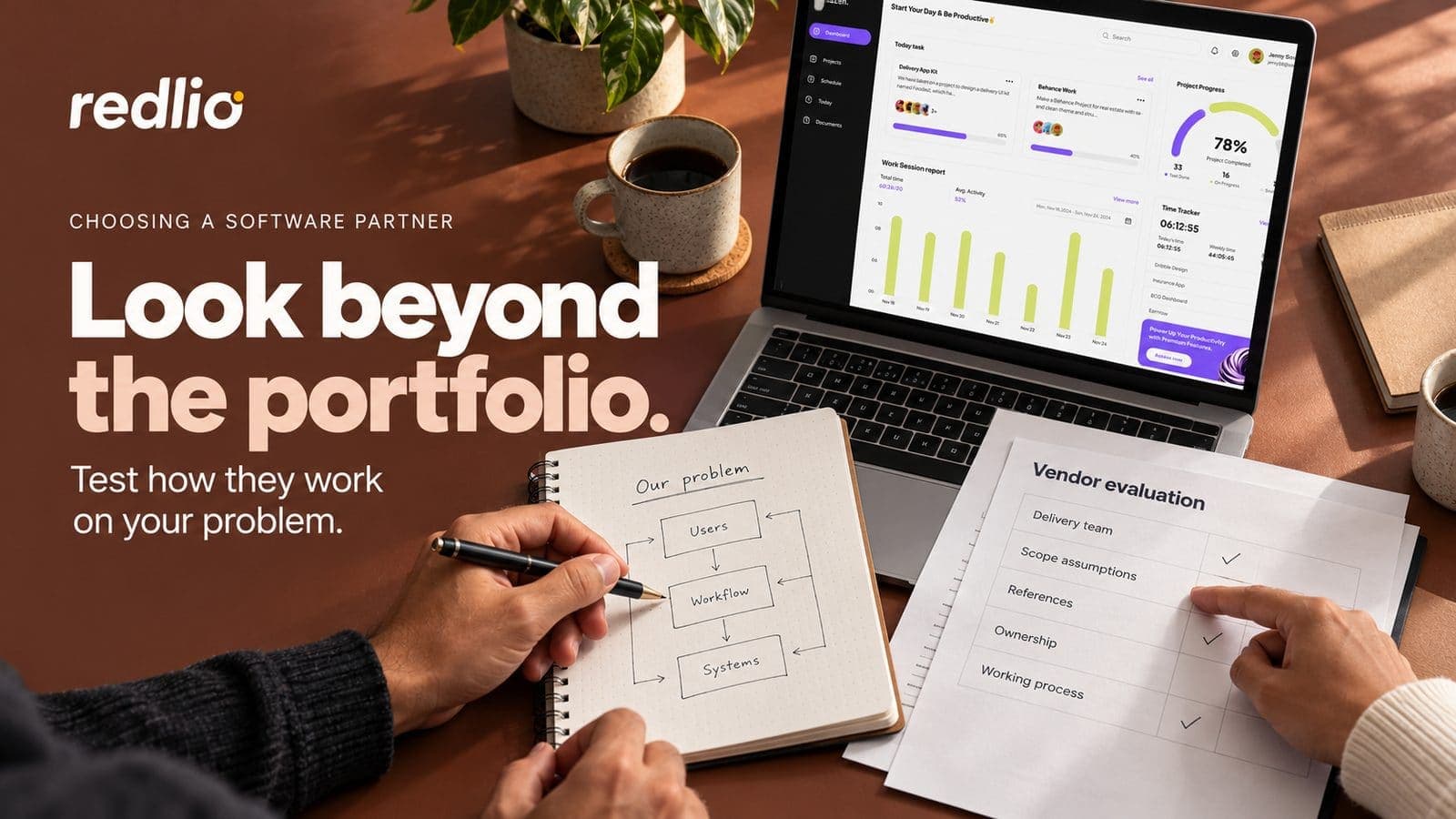
What one client who interviewed fifteen vendors chose on, why the usual checklist could not separate them, the three tests that can, and the eight questions to send every vendor in writing.
Mayursinh Jadeja
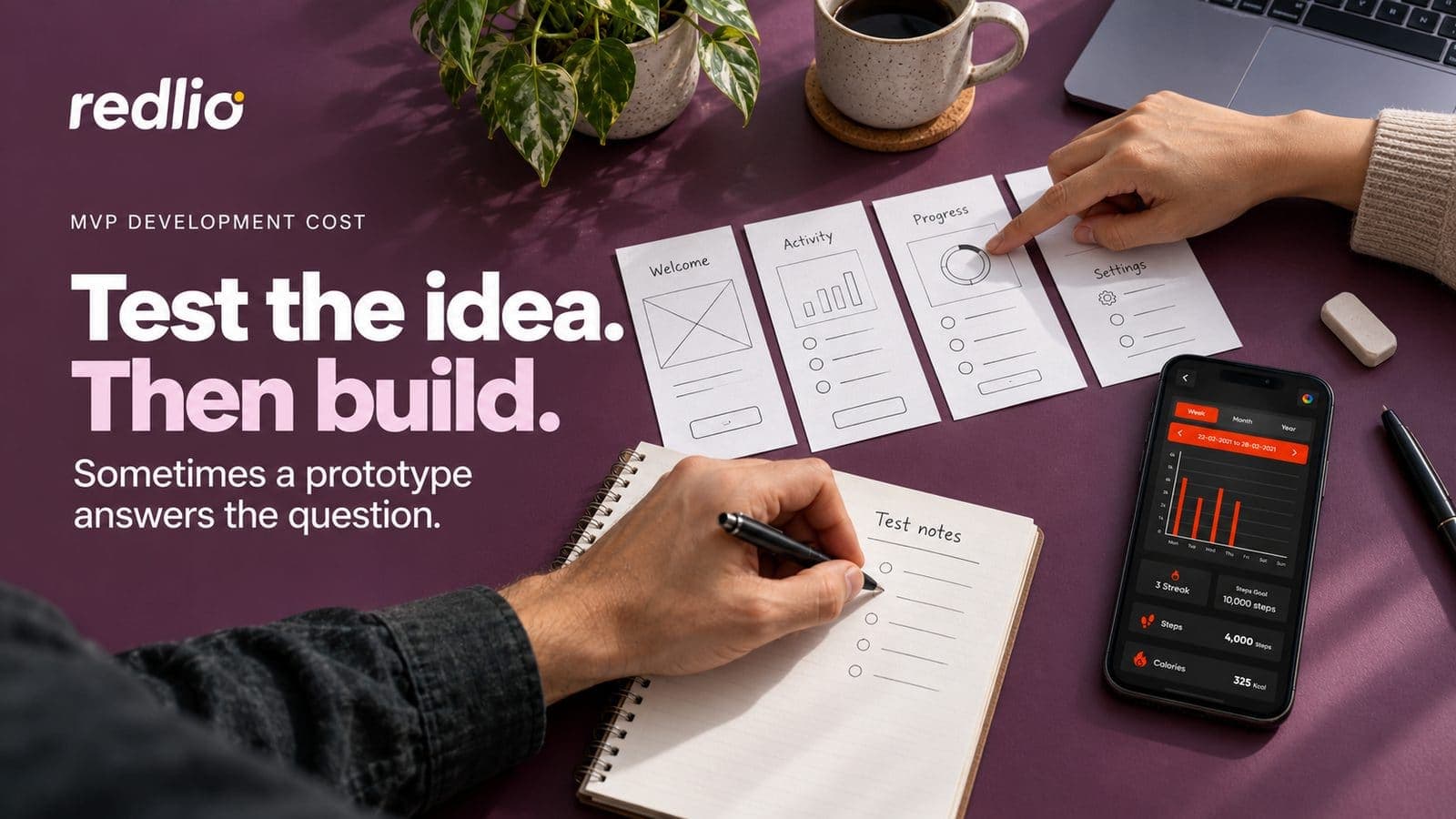
How to tell whether you need a prototype, an MVP or the full product, what published data says each first version costs in total and per month, which parts to build to last, and the answers that set a quote.
Mayursinh Jadeja
Not answered here? Ask our team directly.

Talk to the people who do the work
Speak with the team that would lead your project. We respond within 12 hours and can sign an NDA before the call.
Prefer email?info@redliolabs.com
We price custom mobile app development from the platforms, the offline behavior, the backend the app needs and the integrations, far more than from the number of screens. We scope those first and price against them, so the number rests on an agreed scope. Mobile app development cost sets out the scope lines to compare across quotes.
We build most first versions in months, planned in stages with test builds on real devices along the way. Store review adds days to each release, so we put it in the schedule from the start. Our cost guide covers the stages and the store review times under how long a mobile app takes to build.
We recommend one or the other per app, after discovery. Cross-platform mobile development fits most business apps: one codebase serves both iOS and Android. A native mobile app, built separately for each platform, fits heavy device use, the best performance, or design that follows each platform closely.
We build cross-platform apps in Flutter or React Native, and native apps in Swift for iOS and Kotlin for Android. We choose per app in discovery, from the device features it needs, the performance it has to reach and the team that will maintain it after launch.
Enterprise mobile app development means building apps for staff or business customers, not the general public: field service, approvals, inspections, sales and ordering. What sets it apart is the requirements around the app: single sign-on, device management, audit trails, and integration with the systems the business already runs.
We cover the whole app in our mobile app development services, from design to support after launch. One team handles the design, the iOS and Android build, the APIs and backend it talks to, and the app store release. That leaves one supplier answering for the app and its backend.
We usually build the app and the backend together, because most companies need both. For patient-facing apps, the EHR integration behind the app usually decides the timeline, which our healthcare app development page covers. Fitness and wellness apps, where health data sets much of the scope, have their own page: fitness app development.
We advise choosing the mobile app development company that can say what happens after launch, not only what the first version will look like. We suggest asking whose store accounts the app is published under, how the backend APIs are versioned, what the app does offline, and who maintains it when the operating system updates.
What to settle before a mobile app is built lists the six decisions to put to any supplier.
We publish the app under store accounts in your name, and you own both the app and the accounts. The code and documentation transfer to you.
Yes, we maintain the apps we build: the team that built your app stays on it after launch and plans the next versions. Apps need work every year to keep up with operating system updates. The yearly Apple and Google deadlines are why maintenance is not optional.
Our maintenance and support covers the work that keeps an app in the stores and working: updates for each new iOS and Android release, crash and error monitoring, and fixes for what turns up in the field. We also keep the backend APIs versioned so older installs keep working, update the libraries the app depends on, and meet new store review rules before their deadlines. New features go on the same roadmap, built by the team that built the app.
Yes, our iOS and Android team works from Ahmedabad, India, and builds for companies in India and abroad. The same people design the app, build its backend and handle the store releases, so a client here or overseas briefs one team.
Three cases where we recommend something else.
A web app does the job: For occasional desk use with no device features, a web app costs less and reaches everyone.
Nobody will maintain it: Apps need yearly updates or they decay in the stores. Name the owner first.
The backend isn’t ready: An app is only as good as the systems behind it. Fix those first.
A mobile app earns its cost when it is used on the move, every day, or needs the camera, location or offline work a browser can’t give.
Share where they use it and what it connects to. You’ll talk to the people who would build it and get a straight answer on fit. We reply within 12 hours.

Mayursinh Jadeja
Founder, Redlio Labs