
Client project: Health and fitness
Fitness tracking app development: an Android step counter, scoped and priced before the build
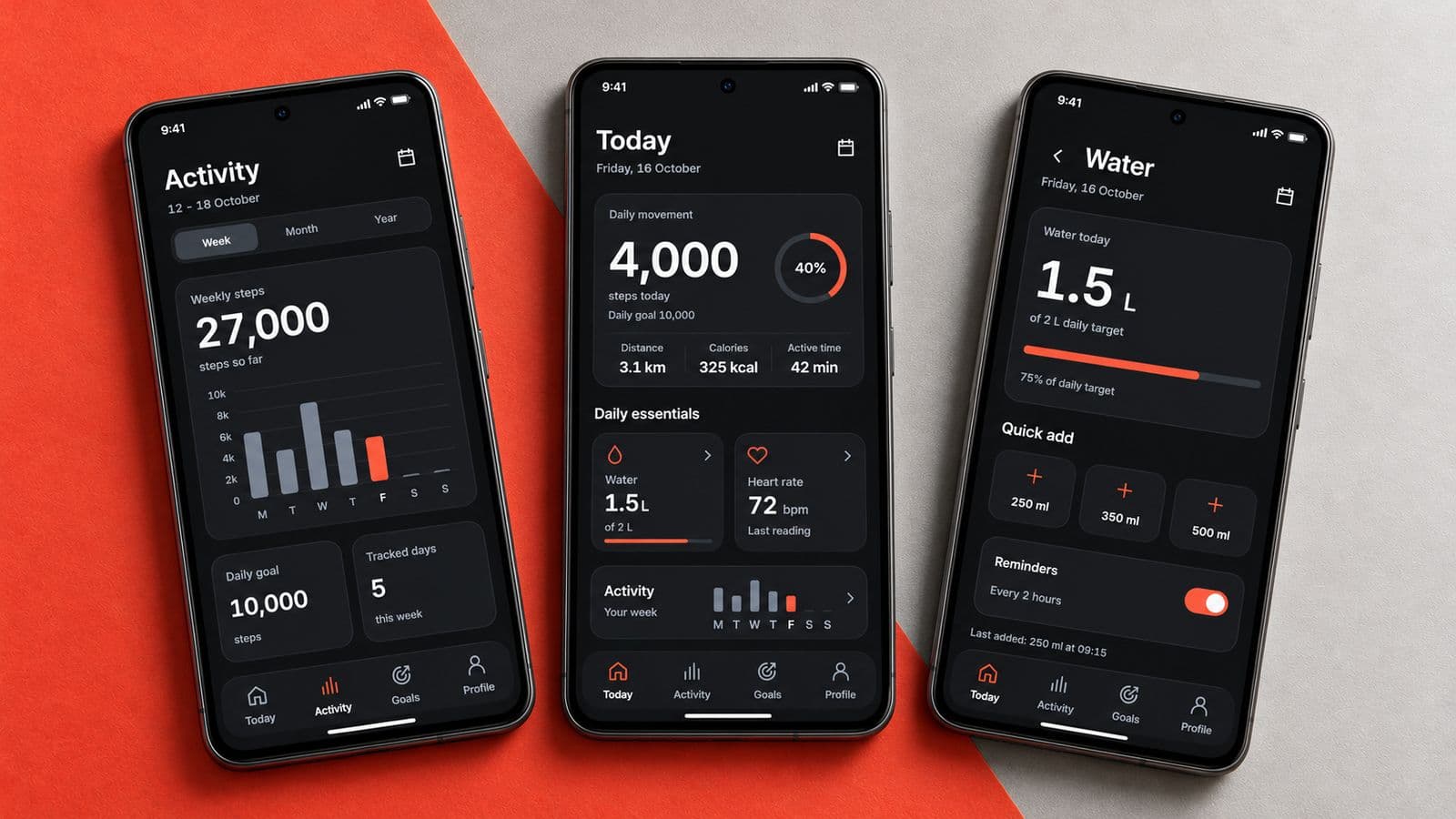
A consumer app company in Egypt wanted a step counter that needed no watch and no second device. Discovery settled the goals, the features, the deadlines and the cost. Then we built the app for Android first.
- Client
- A consumer app company, Egypt
- Platform
- Android first, iOS planned
- Our work
- Discovery, app design, build
- Year
- 2021
The brief: count steps without a watch
People who want to count their steps get sold a watch or a band. Then they have one more device to manage. The client wanted an app that did the job with the phone alone.
The client’s own suggestion set the direction. Use the sensor already built into Android phones, and read the data from it. The app keeps counting with the screen locked. The phone can be in a hand, a bag, a pocket or an armband.
- No second deviceSteps are counted by the phone’s own sensor.
- Counts in the backgroundIt records with the screen locked.
- Android firstiOS was planned for later.
The result, by the client’s account
These figures are the client’s own, from their review on Clutch. We have not restated or rounded them.
- Rating on Google Play
- 4.7
- Installs when the client wrote the review
- 20,000
- Delivered before the deadline
- Early
“They have a lot of experience in the designs so that they can develop the app with really cool and clear designs.”
 Verified review on Clutch
How the scope and the cost were settled before any code
The price was agreed before the build began, not found out during it. This is how the work ran.
Discovery meetings first
Meetings before the build settled the goals, the deliverables, the features, the tasks, the deadlines and the cost.Android first, iOS later
One platform to begin with, and the second planned for later. Of everything decided in discovery, this shaped the budget most.Research, then the interface
User research and competitive analysis, then the user flow, wireframes and visual design, with usability testing.Updates almost daily
The client told Clutch that updates came almost every day during the work.
What the step counter app does
Everything runs on the phone the user already carries. No band, no watch, no second device to pair or charge.
Steps, distance, time and calories
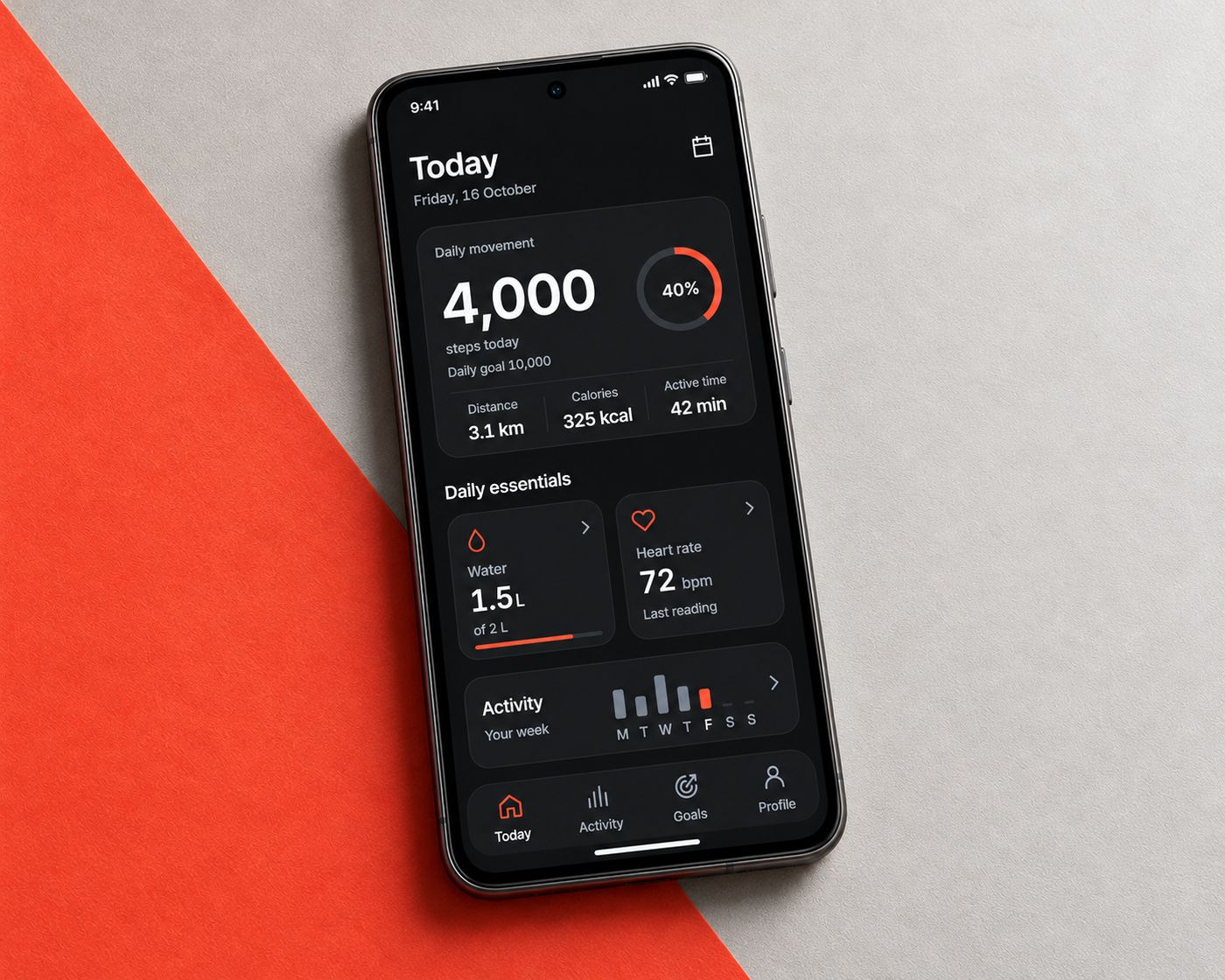
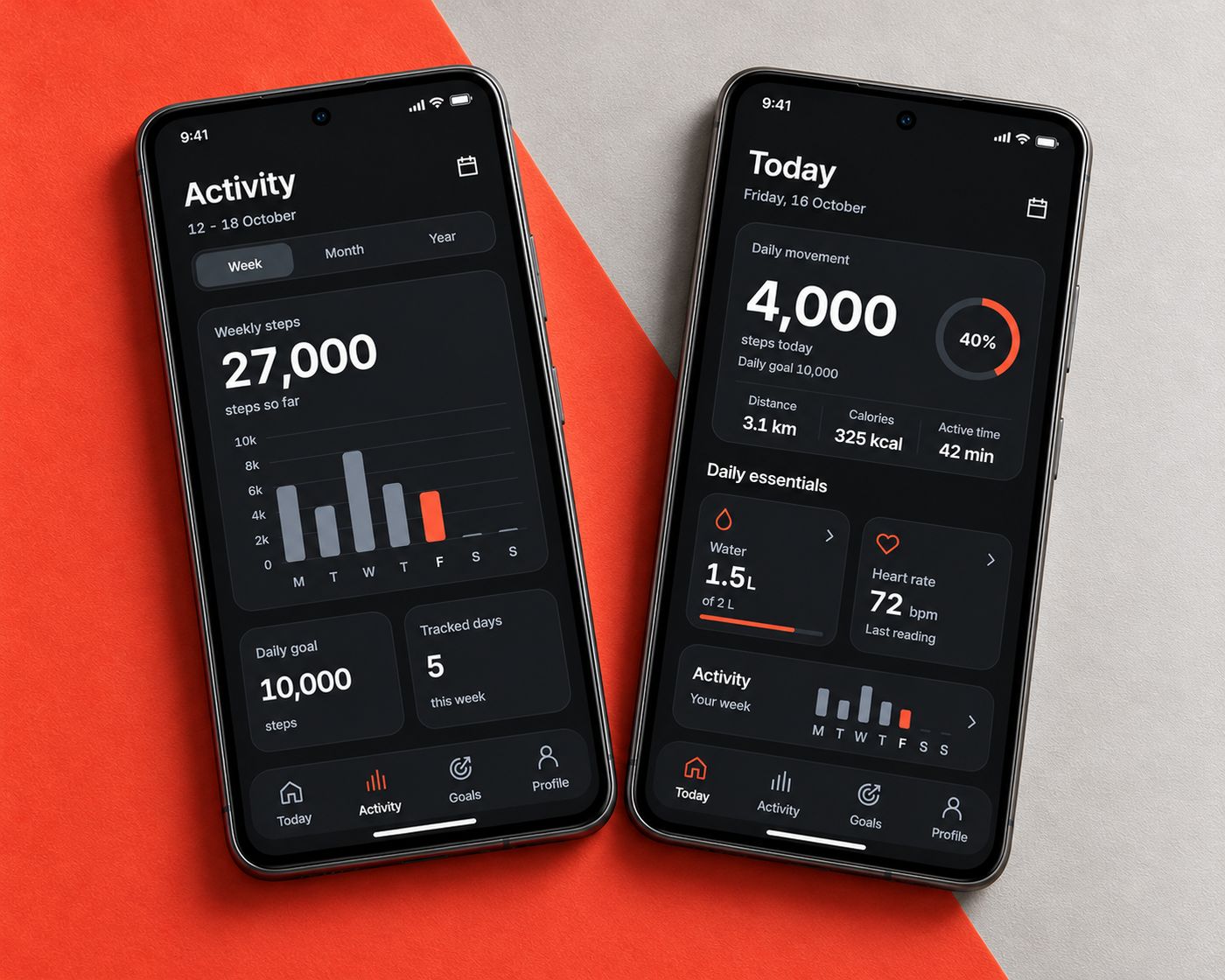
The phone’s built-in sensor counts every step, with the screen locked or not. The app turns the count into distance, time and calories burned. It charts them day by day across the week.
Water reminders
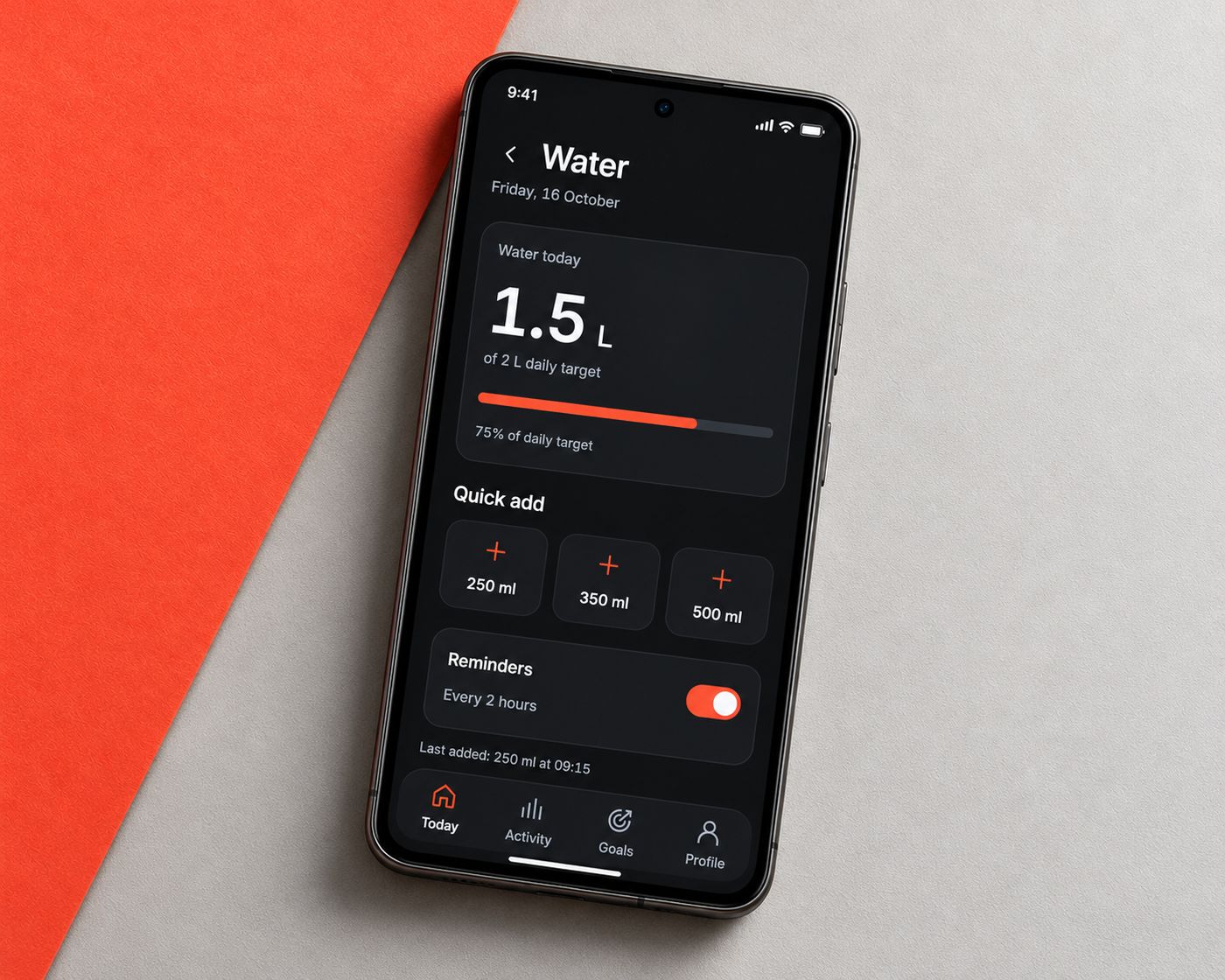
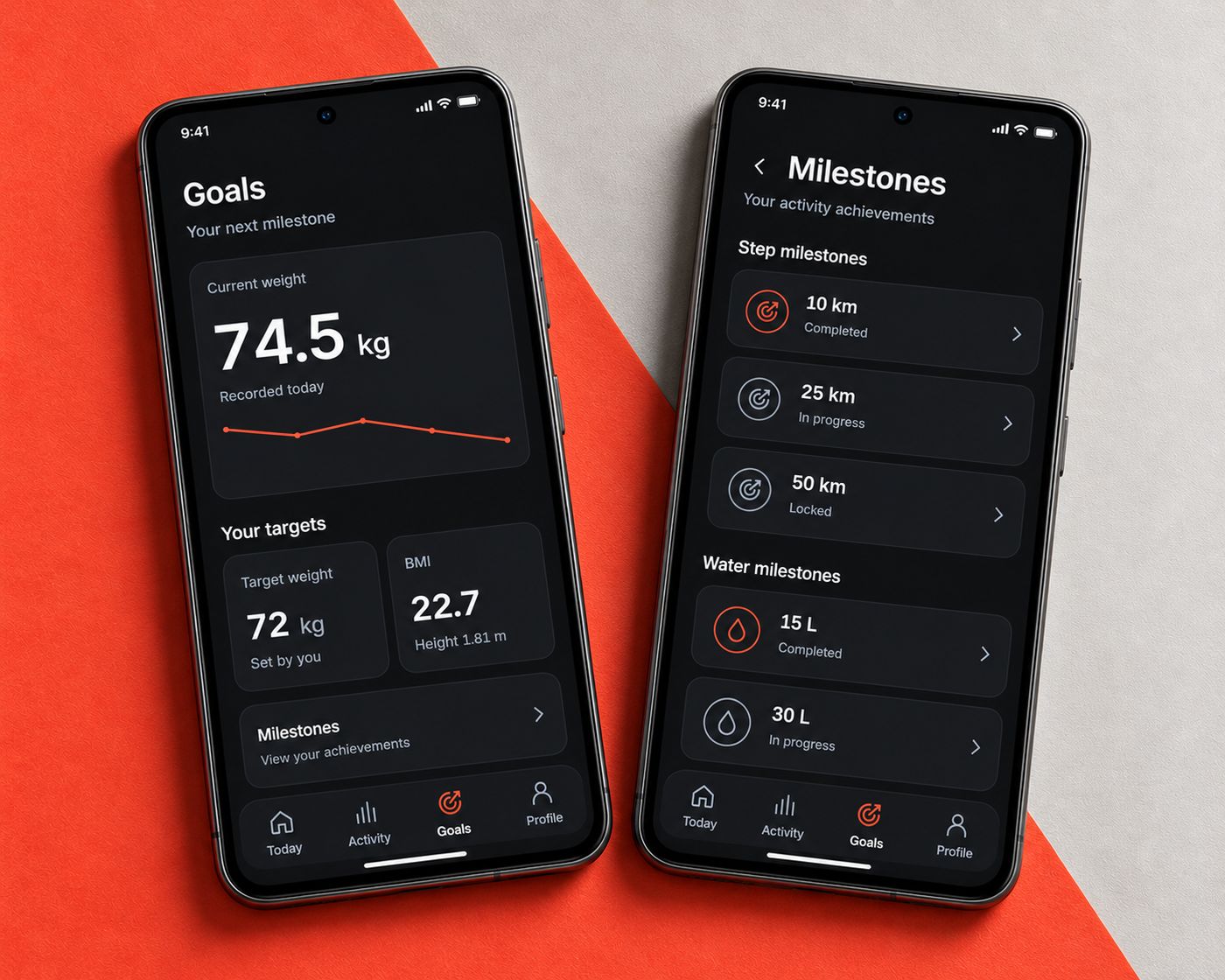
The user sets a daily target or lets the app calculate one. The app reminds them when it is time to drink. The interface shows the day’s intake against that target.
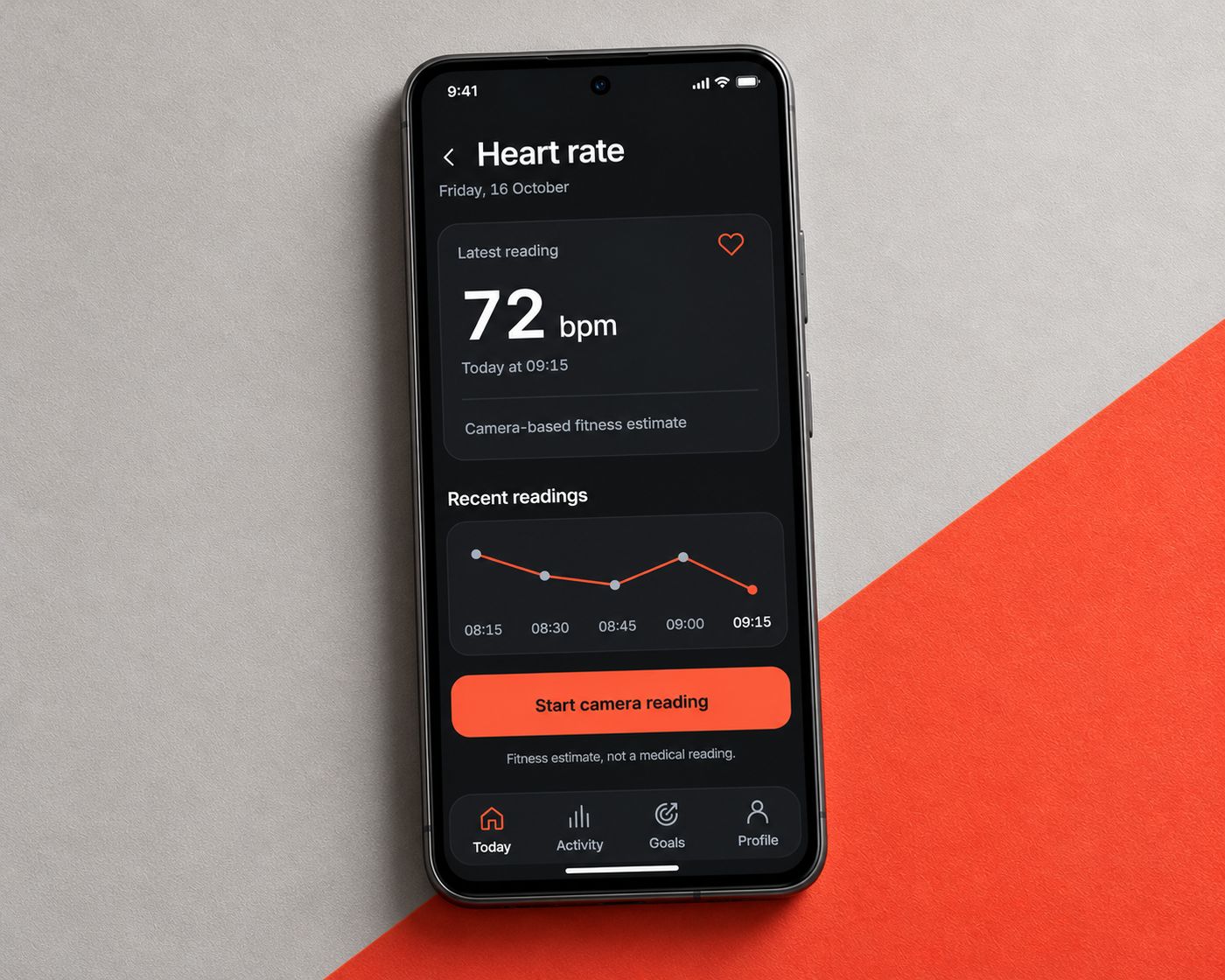
Heart rate from the camera
The phone’s camera takes an approximate beats-per-minute reading, with no chest strap and no watch. It is an estimate for fitness, not a medical reading.
Weight goal, BMI and achievements
The user sets a target weight, and a BMI calculator works out an ideal one. Achievements mark the milestones on the way there.
The services behind this work: mobile app development and mobile app design. Planning something similar? Read our guide to mobile app development cost.
Want a step counter app of your own?
Thirty minutes with the people who would design and build it. Tell us who will use it, where, and what it connects to.
 Mayursinh JadejaFounder
- Reply within 12 hours
- A quote within 48 hours of the call
- NDA before the first call
Before you brief anyone
Planning a fitness app? Settle these first
Most of the cost of a fitness app is decided before anyone designs a screen. On this project, discovery settled the goals, the features, the deadlines and the cost first. The choice of platform moved the budget more than anything else.
Settle the platform, the data source and the first release before you compare quotes.
Talk to our teamDecide where the data comes from.
The phone’s own sensor needs nothing extra, as it did here. Reading from watches and other fitness apps means Health Connect on Android. That brings its own permissions, data rules and testing.
Decide what launches first.
One platform and a short feature list put a working app in front of users sooner. The next release can follow what they actually use.
Then compare quotes against the same written scope.
Our guide to mobile app development cost shows what moves the number. For the design side, see our fitness coaching website and mental health website case studies.
Questions about fitness tracking app development
If something here does not answer it, ask the founder directly.

Talk to the people who do the work
Speak with the team that would lead your project. We respond within 12 hours and can sign an NDA before the call.
Prefer email?info@redliolabs.com
How does a step counter app count steps without a watch?
It reads the step sensor already built into Android phones. This app keeps counting with the screen locked, in a hand, a bag, a pocket or an armband. There is no second device to buy, wear or charge.
What features does a fitness app like this need?
This one has four. A step counter shows distance, time and calories as charts. Water reminders work against a daily target. The phone’s camera takes an approximate heart rate. A weight goal comes with a BMI calculator. We settle which features a new app needs in discovery, before anyone builds.
Why was the app built for Android first?
Of everything settled in discovery, this choice shaped the budget most. One platform came first, with iOS planned for later. The goals, the features, the deadlines and the cost were all agreed before the build began.
Can a phone measure heart rate?
Approximately. This app takes a beats-per-minute reading with the phone’s camera. It is an estimate for a fitness app, not a medical reading.
How much does a step counter app cost to build?
It depends on the platforms, the data sources and what the app connects to. So we price it after a scoping call, not from a rate card. Our fitness app development page lists the decisions that move the number. The guide to mobile app development cost shows what published data says.
Do you build fitness and wellness apps?
Yes. This step counter is one we designed and built. Our fitness app development page sets out how we plan the health data, permissions and store rules before the feature list.
What a step counter app has to get right on Android today
Android has changed since this app shipped in 2021. A build that starts now plans for these, from Android’s and Google Play’s own documentation.
Since reboot
The sensor counts from the last restart
Android’s step counter reports the steps taken since the phone last rebooted. So the app keeps its own baseline and survives a restart.
Android motion sensorsAndroid 10+
The user grants a permission
An app must hold the activity recognition permission to read the step counter or the step detector.
Android motion sensorsUp to 10 s
Battery depends on how often it reads
Android advises reading the counter on a schedule, as far apart as the app allows. The step detector reports in under 2 seconds, for a live count.
Android motion sensorsAndroid 14+
Background tracking needs a declared service
Every foreground service declares its type. A fitness tracker uses the health type, with its own permission.
Foreground service typesEnd of 2026
Google Fit is going away
No new sign-ups to the Fit APIs since May 1, 2024. New apps read steps through the Recording API or share them through Health Connect.
Fit APIs end of serviceEvery app
Every app files a health declaration
Google Play asks every published app to complete the Health apps declaration in Play Console, health features or not.
Play Console Help
We plan these in discovery, before the estimate. None of them turns up later as a change request.
More projects like the step counter app
Client project
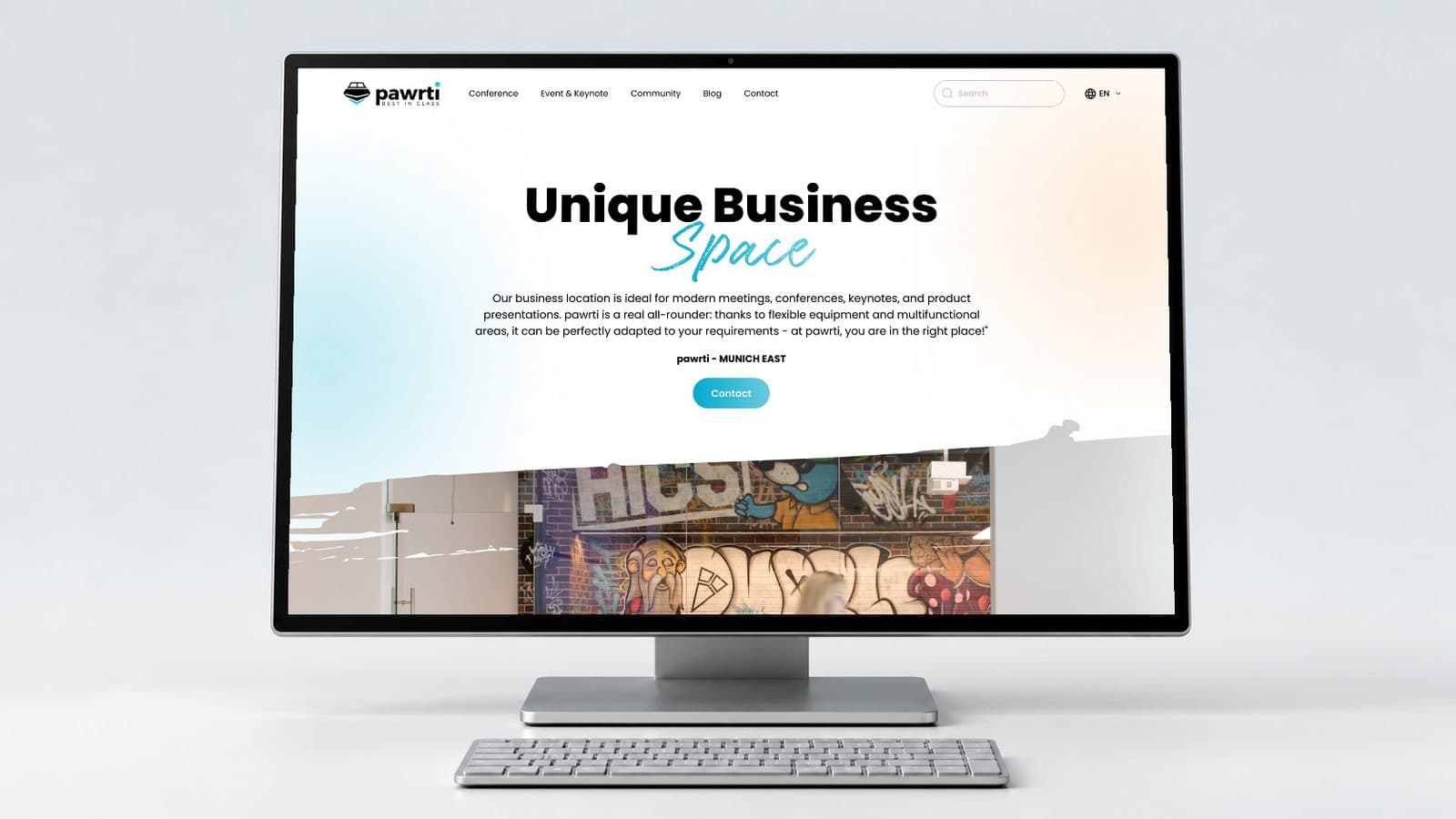
Event website design for a new conference venue, scoped in stages
A new conference venue in Munich: three mockups, a prototype, then the build.
Client project
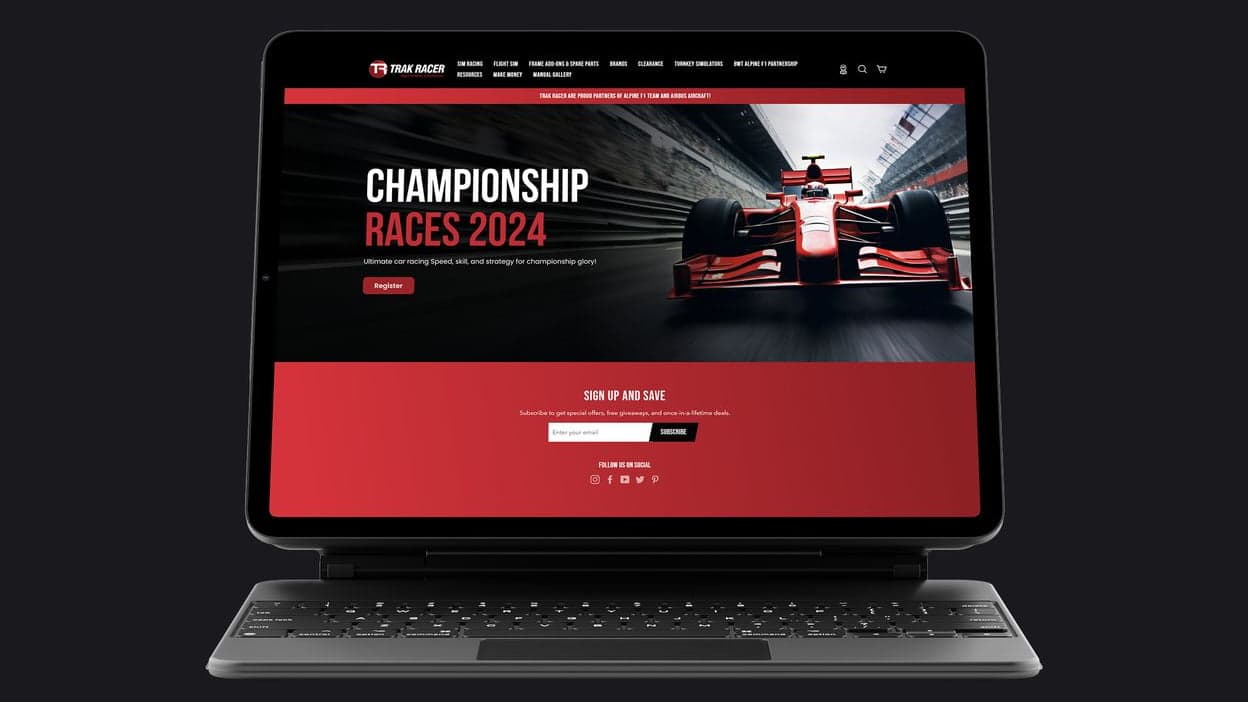
Shopify store development for a sim racing cockpit maker
A Shopify store for racing simulator rigs: more than 18 web pages and more than 20 mobile screens.
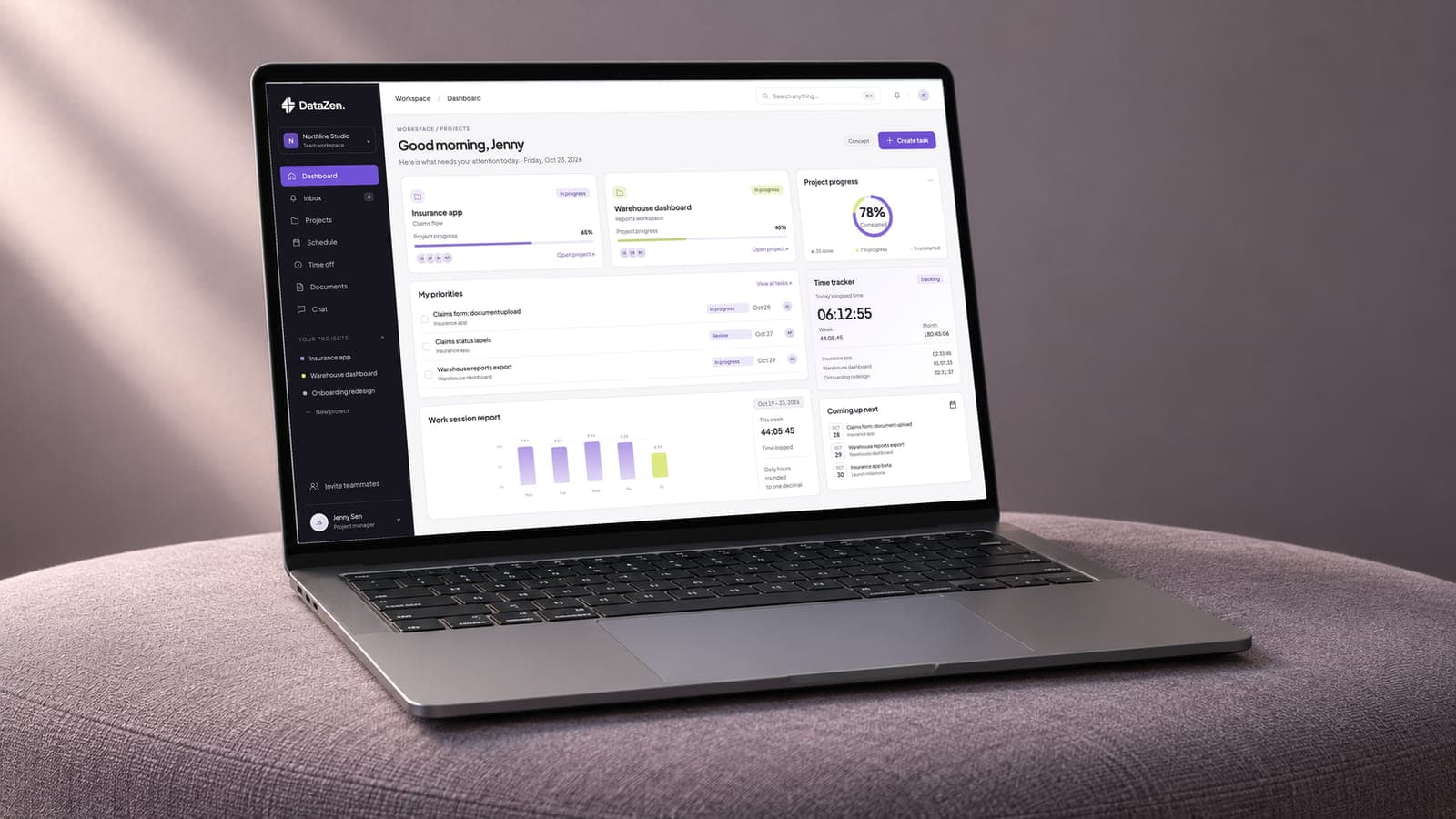
Client project
Project management software development, from the task board to the timesheet
Project management software, and the task model, time tracking and sign-in behind it.
Who you’ll work with
The engineers you talk to are the engineers who build it
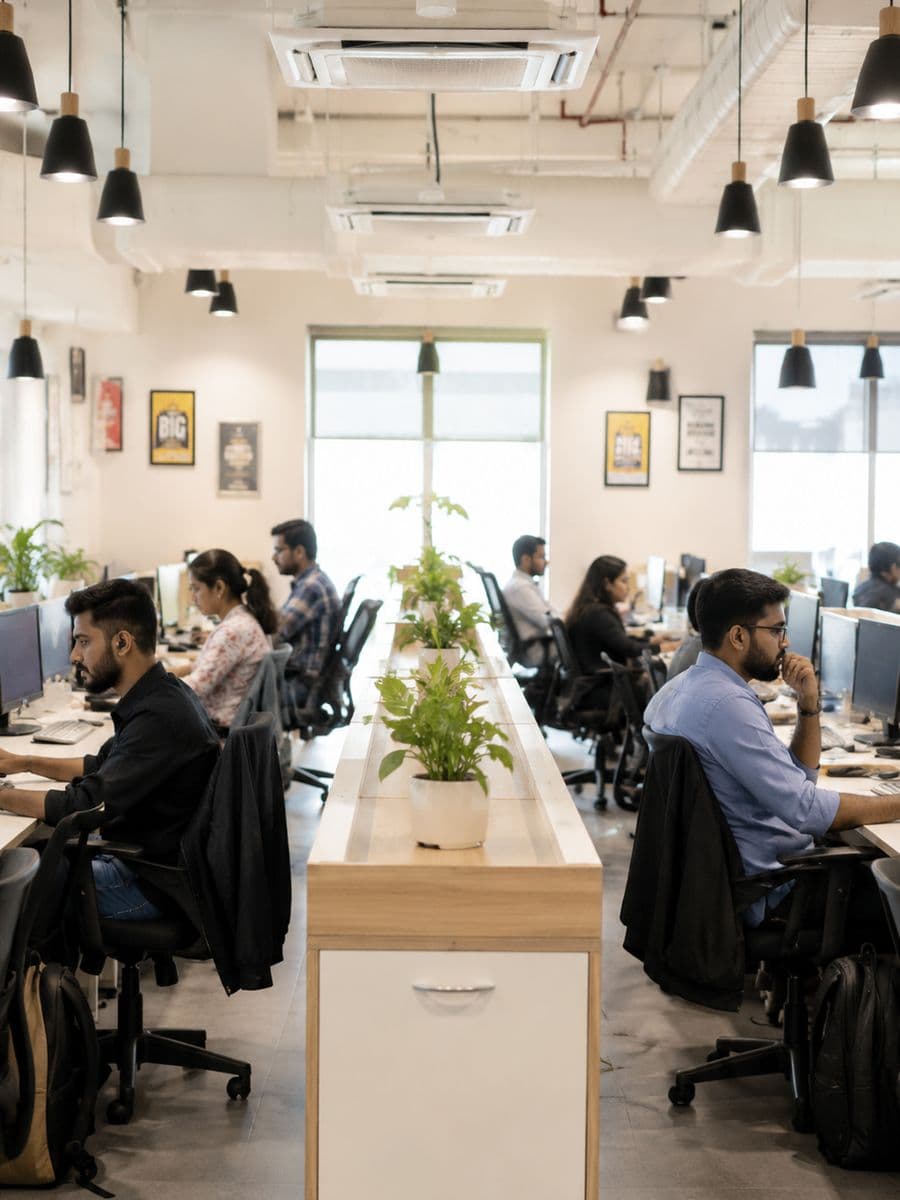
A team in Ahmedabad, India, working with clients around the globe. No account layer between you and the work.
- 2014
Building software since
Twelve years of systems for clients around the globe.
- 20
People on the team
Engineers, designers and project managers in one office.
- 6+
Years per engineer, minimum
Every engineer has 6+ years of experience. Project managers have 12+.
- 35+
Systems in production
Still running for the clients who commissioned them.
- 5.0
On Clutch and Google
15 Clutch reviews and 32 Google reviews, all public.
- 12h
Reply to every inquiry
And a written scope within 48 hours of the call.
Talk to us about a mobile app
Thirty minutes with the people who would design and build it. Tell us who will use it, where, and what it connects to.
- We reply within 12 hours
- A quote within 48 hours of the scoping call
- Direct access to the delivery team
- Peer-reviewed releases
- NDA before your first call

Mayursinh Jadeja
Founder, Redlio Labs