Healthcare website design with accessibility and required notices built in

Our healthcare website design serves hospitals, health systems, provider groups and health technology companies. We design each site around what patients come to do: find a provider, a location or a way to book. The notices federal rules require and the accessibility level go into the plan before the first wireframe.

  • Required notices placed in the sitemap before design
  • Designed and tested to WCAG 2.2 AA
  • One team from first wireframe to launch

Reviewed by Mayursinh Jadeja, Founder · Last updated October 16, 2026

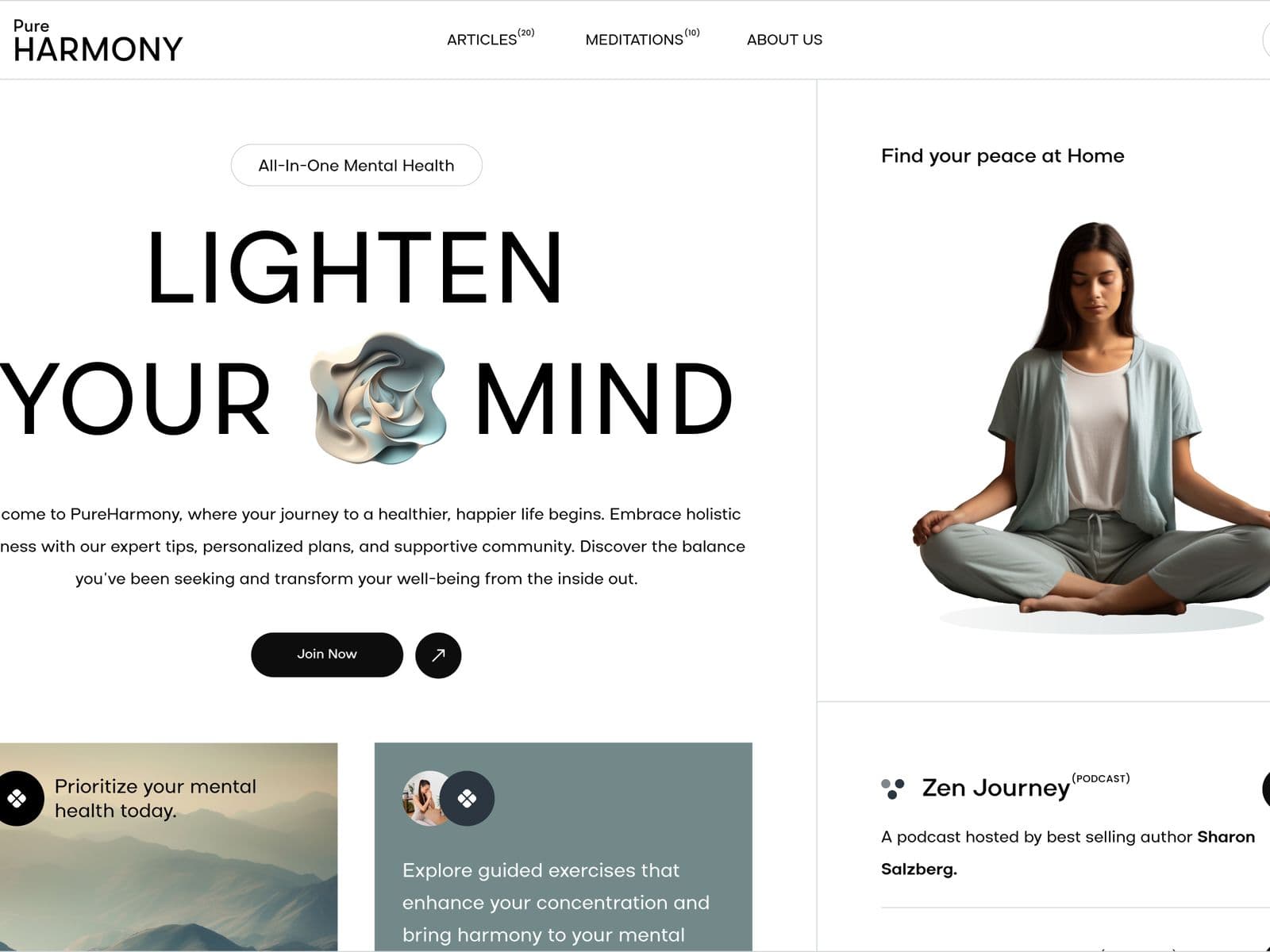
A mental health website designed by Redlio Labs
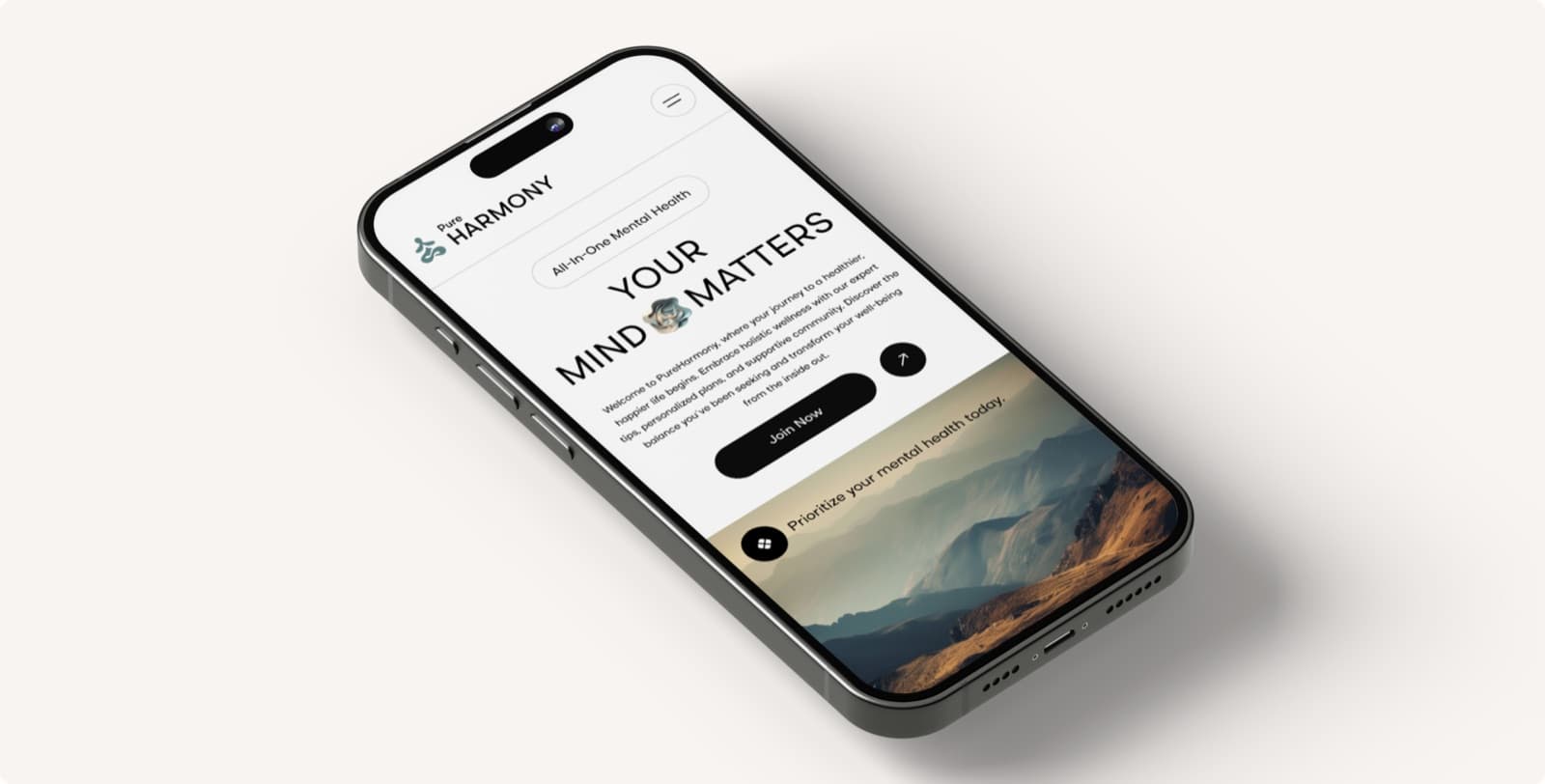
A mental health website on a phone, designed by Redlio Labs

Rated 5.0 on Clutch and 5.0 on Google

“Redlio Labs successfully delivered the project within schedule; they met all of our requirements. Their quality designs and in-depth knowledge of technology were key elements of their work.”

Saurabh GoswamiVerified review on Clutch

Trusted by growing businesses

What healthcare website design has to plan for

Healthcare website design is the planning and design of websites for hospitals, health systems, provider groups and health technology companies, around the tasks patients come to complete. Those tasks are finding care, choosing a provider, booking or calling, and paying a bill. It also covers the notices and accessibility that federal rules require.

Those obligations are specific. A HIPAA covered entity must post its notice of privacy practices on its website. Providers and facilities must show their protections against surprise bills from the homepage, and hospitals must carry a footer link labeled “Price Transparency”. HHS’s disability rule names WCAG 2.1 AA for the websites and apps of organizations it funds.

We design healthcare websites from both lists at once: what patients come to do, and what the site has to carry. The required pages go into the sitemap and the accessibility level into the design system before the first wireframe. Neither ends up as a crowded footer or a fix after launch.

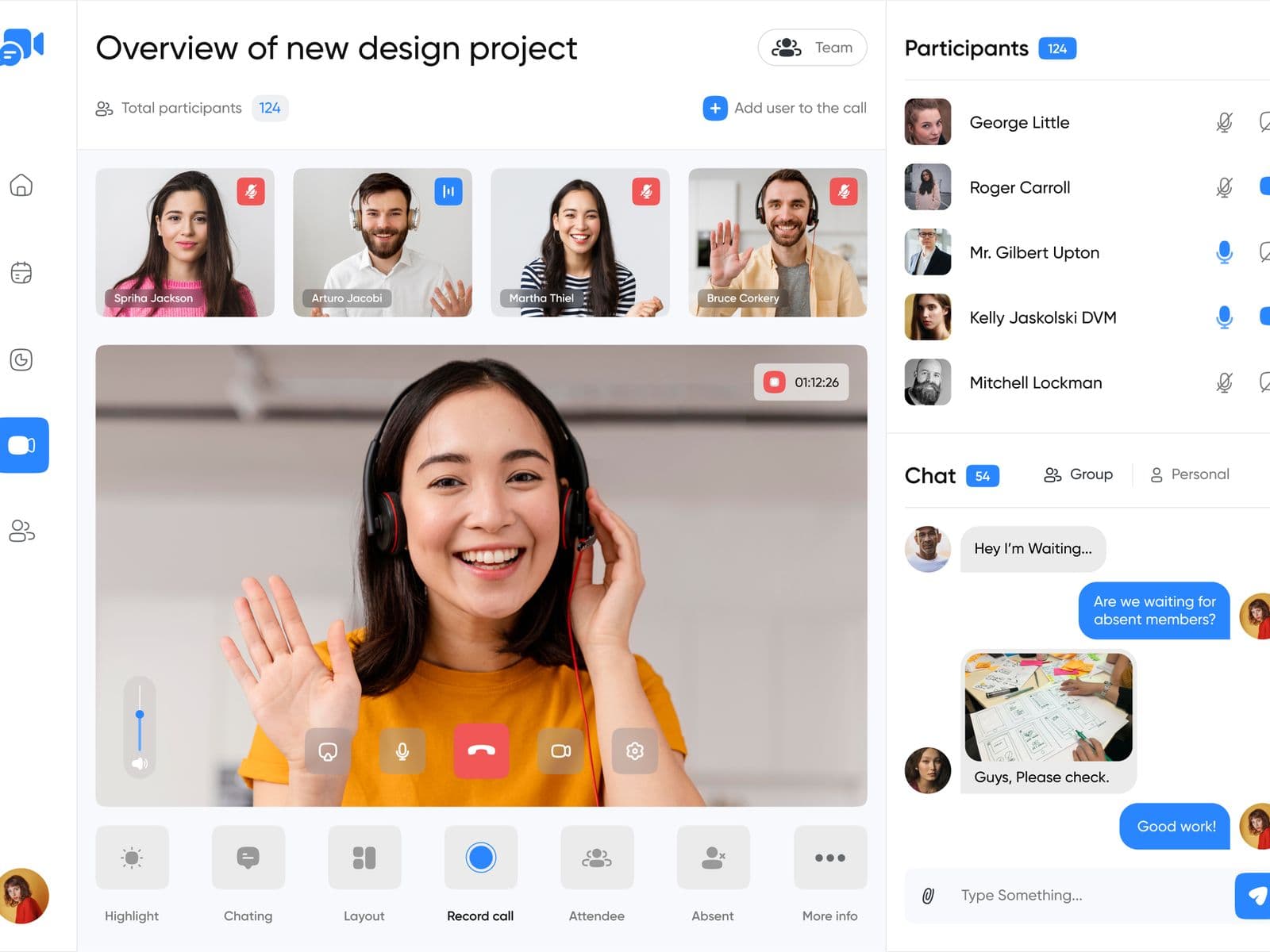
Our design work in the sector includes a calm mental health website homepage for phones and a patient health dashboard. Both are shown as design work, with no client result claimed.


Engineers at a row of workstations in an open office
  1. The patient’s taskWe map what each visitor comes to do, page by page, and the shortest route to it.
  2. The required pagesWe list the notices and disclosures that apply to the organization and place each in the sitemap.
  3. The accessibility levelWe set the WCAG level in the design system, so every template is designed to it from the start.

Our healthcare web design services

We offer six kinds of healthcare web design work. A new site or a redesign usually combines the first two with the provider directory and the booking flows.

Healthcare website design case studies

Client projects are told from the client’s own review. Design work is shown as work, with no client result claimed.
See all case studies

What clients say about our design and build work

  • Saurabh GoswamiManaging Director, Ultra Rich Weddings
    5/5★★★★★

    “Redlio Labs successfully delivered the project within schedule; they met all of our requirements. Their quality designs and in-depth knowledge of technology were key elements of their work.”

    Verified review on Clutch

1 / 4

A scoping call with the designers who would plan your healthcare website

Thirty minutes on who the site serves, what patients come to do and which notices apply, before anyone writes a proposal. A reply follows within 12 hours and an NDA comes before the first call. We also say plainly if a template platform would serve the organization better.

Mayursinh JadejaFounder

Request a scoping call
  • Reply within 12 hours
  • NDA before the first call
  • A straight answer on fit

What each page of a healthcare website has to do

We plan a healthcare website page type by page type. For each, the patient has a task, we design a route to it, and a rule or another system decides part of the answer.

PageWhat the patient comes to doWhat we designWhat else decides it
Find a providerChoose a clinician by specialty, location, language or insurance acceptedSearch filters and profiles fed from one provider recordWhich system holds the provider data, and how often the site reads it
LocationsCheck hours, directions, parking and what to bringOne page per location, with the next step on eachThe location’s Business Profile, which has to match the page
Service lines and conditionsUnderstand the care on offer and how to startPlain-language pages with one next step eachWording approved by the organization’s own clinicians
Booking and request formsRequest or book an appointmentThe shortest route per service line, asking only for what the next step needsThe scheduling vendor, and the privacy team’s rules for forms and tags
Billing and pricesPay a bill, get an estimate, ask about financial helpOne billing page that links payment, estimates and assistanceThe good faith estimate rule and, for hospitals, the price transparency rule
Patient rights and noticesRead the privacy notice, rights and how to get language helpA patient rights section linked from every page, in the languages requiredHIPAA and Section 1557 rules on what is posted and where

A redesign follows the redirect map and tracking plan of our website redesign services, so the search traffic the old site earned carries across. Which tags may run on which of these pages is set out in our healthcare SEO tracking map.

Before design

Six healthcare website decisions we settle before the first wireframe

Each is easy to agree in a workshop and slow to change once the templates are built. We make them with the client’s marketing, clinical and compliance leads and write them down.

  • Whose site it is first

    We rank the audiences, from patients and referring physicians to job applicants and donors, so the homepage serves the first one.
  • The provider record

    We agree which system holds names, specialties, languages and insurance accepted, so the directory has one source.
  • The notices that apply

    We list the notices the organization must post, with its compliance lead, and agree where each is linked.
  • The accessibility level

    We write down the WCAG level, how each template is tested and who fixes what the tests find.
  • What a form may ask

    We agree with the privacy team what each form collects, where submissions go and who reads them.
  • Who edits what

    We decide which department may change which pages, and who approves clinical wording before it goes live.

What a healthcare website has to meet before launch

Federal rules set out pages, links and an accessibility level that many healthcare websites must carry. Which apply depends on the organization, so we list them with its compliance lead before design. We advise asking any supplier to show where each one sits in its plan.

  1. Accessibility: organizations that receive HHS financial assistance must make their web content and mobile apps meet WCAG 2.1 Level AA, including content supplied by contractors. The dates are May 11, 2027 with 15 or more employees and May 10, 2028 with fewer.
  2. Those dates were moved back one year by an interim final rule of May 2026. The standard itself, WCAG 2.1 AA, did not change.
  3. WCAG 2.2 is the current W3C Recommendation, and content that conforms to it also conforms to 2.1. It adds four Level AA criteria, among them a minimum target size and focus that is not hidden.
  4. Privacy notice: a HIPAA covered entity whose website describes its services must post its notice of privacy practices prominently on the site and make it available electronically there.
  5. Nondiscrimination: a covered entity under Section 1557 must post a notice of nondiscrimination at a conspicuous location on its website, including how to request aids, services and language help.
  6. Language help: the same entities must post a notice that language assistance is available on their website. It runs in English and at least the 15 languages most spoken by people with limited English proficiency in their state.
  7. Surprise billing: providers and facilities must put their disclosure of patient protections against balance billing, or a link to it, on a searchable homepage. The availability of good faith estimates for uninsured or self-pay patients must also be easy to find on the site.
  8. Hospitals: a link labeled “Price Transparency” in the website footer, including on the homepage, to the page holding the machine-readable file of standard charges. A .txt file in the site’s root folder must point to it too.

Hospitals must also show at least 300 shoppable services in a consumer-friendly form, or offer a price estimator tool displayed prominently on the site. The FTC’s Health Breach Notification Rule covers many health apps and sites that HIPAA does not, and treats sharing health data without the user’s authorization as a breach.

Tracking on these pages is a separate question, set out page type by page type in our healthcare SEO tracking map. This is a summary of published federal rules, not legal advice; the organization’s counsel decides which apply, and state rules can add more.

Source: eCFR: Title 45, Public Welfare (HHS regulations)

When healthcare website design is the wrong spend

Three cases where we advise a smaller job, or a different one, instead:

  • A single practice with a few pages

    A solo therapist or a one-location clinic is usually better served by a template platform made for practices. It costs less, and the platform keeps the hosting and updates.
  • The trouble is the booking system

    Where patients leave at the scheduling step, a new website moves the same problem to new pages. We advise fixing the booking tool or the portal first, through UI/UX design of that flow.
  • Nobody will own the content

    Provider profiles, hours and notices change every month. Without an owner on the client’s side and the rights to edit, a new healthcare site goes out of date soon after launch.

Healthcare website design earns its cost for organizations with several locations, providers or service lines, where patients compare options and the site has notices to carry.

How we deliver healthcare website design

Step 1 of 5

Discovery

We map your workflows, systems, and constraints with the people who use them every day, before anything is scoped. For a healthcare website: we read the analytics and the current site, list the tasks patients come to do and the notices that apply.

Discovery

  • Workflow map
  • Systems inventory
  • Constraints and risks
Two colleagues reviewing a reporting dashboard on a monitor

Why organizations choose Redlio Labs for healthcare website design

  1. Patient tasks first

    We design each page around the task a patient came to finish, so the route to care is short on every device.
  2. Notices planned, not bolted on

    We place the notices that apply in the sitemap at the start, so they are findable without crowding the footer.
  3. Accessibility we test

    We design to WCAG 2.2 AA and test the templates before launch, rather than leaving it to a scan afterwards.
  4. Designed and built by one team

    The designers and engineers who plan the site also build it, so what was agreed in design reaches the code.

Guides to read before a healthcare website redesign

Healthcare website design FAQs

If something here does not answer it, ask the founder directly.

Mayursinh Jadeja

Talk to the people who do the work

A 30 minute scoping call with the team that would take the project on. We reply within 12 hours.

Request a scoping call

Prefer email?info@redliolabs.com

What is healthcare website design?

Healthcare website design is the planning and design of websites for hospitals, provider groups and health technology companies, built around the tasks patients come to complete. It also covers the notices and the accessibility level that federal rules require of many healthcare sites. We design both into the plan before the first wireframe.

What makes medical website design different from other web design?

We treat medical website design as a regulated publication as well as a marketing site. Patients arrive with a task, so the route to care has to be short.

The site may also have to carry a privacy notice, a nondiscrimination notice, language help and billing disclosures, which a checklist of these rules sets out.

Does a healthcare website have to meet WCAG?

Many healthcare websites do, because HHS’s disability rule requires the organizations it funds to meet WCAG 2.1 AA. The dates are May 11, 2027, or May 10, 2028 for those with fewer than 15 employees, and apps are covered too.

We design to WCAG 2.2 AA, because content that meets 2.2 also meets 2.1. Whether the rule applies to a given organization is a question for its counsel.

Does a healthcare website need to be HIPAA compliant?

A website is not certified as HIPAA compliant, because no official HIPAA certification exists. What HIPAA touches on a site is the privacy notice a covered entity must post and any form, booking tool or tracker that handles patient information. We design forms to ask only what the next step needs and agree with the privacy team where submissions go.

For systems that store patient data, our healthcare software development page explains how we plan them.

What should a hospital or health system website include?

We plan a hospital or health system website around six page types: find a provider, locations, service lines, booking, billing and patient rights. Each serves a patient task, and the last three carry most of the federal requirements, including the “Price Transparency” footer link hospitals must have.

Do you design medical practice websites?

Yes. We design websites for medical practices and provider groups as well as hospitals, planned around the same tasks: finding a provider, a location and a way to book. A practice has fewer page types, so the required notices and the accessibility level are usually settled in the first workshop.

How much does healthcare website design cost?

We price healthcare website design once the scope is written, because the scope is what sets the figure. The number of templates, the provider directory and its data source, the booking integrations and the content and translation work move the price most. Our guide to website redesign cost explains why quotes for the same site differ.

How long does a healthcare website redesign take?

We plan a healthcare website redesign in months, and the content approvals usually set the pace more than the design. Provider data, clinical sign-off on service pages and accessibility testing all run alongside the templates. We work in stages, so each part is reviewed as it is ready, and our website redesign checklist lists what to check before launch.

Do you offer therapist website design?

We offer therapist and mental health website design for group practices, behavioral health providers and wellness services. Our mental health website design work shows a calm homepage for phones with one small next step. For a single therapist website, we advise a template platform made for practices, which costs less to run.

Request a scoping call for your healthcare website

The call is 30 minutes with the designers and engineers who would do the work. We ask who the site serves, what patients come to do and which notices apply. Our reply comes within 12 hours, the NDA is signed before the first call, and the answer on fit is a straight one.

We use what you send to understand and answer your inquiry. Privacy policy

  • We reply within 12 hours
  • You talk to the people doing the work, never an account manager
  • Peer-reviewed releases
  • NDA before your first call
Mayursinh Jadeja

Mayursinh Jadeja

Founder, Redlio Labs

Rated 5.0 on Clutch and 5.0 on Google