Shopify development company building custom work where Shopify supports it

We work as a Shopify development company for mid-size and large brands: designing the store, building its theme, checkout and apps, and connecting it to the ERP. Before any of that, we check every customization against the store’s plan and Shopify’s supported extension points.

  • Plan and extension points checked before the theme
  • A theme your team edits without a developer
  • Redirects and tracking checked before the store goes live

Reviewed by Mayursinh Jadeja, Founder · Last updated October 16, 2026

A Shopify store for sim racing cockpits, built by Redlio Labs
A Shopify store on a tablet

Rated 5.0 on Clutch and 5.0 on Google

“The team was responsive to our feedback and remained present throughout the engagement. Their patience and design work were stellar.”

Ezequiel DelaneyVerified review on Clutch

Trusted by growing businesses

Shopify development starts with where Shopify allows custom code

A Shopify development company designs, builds and maintains stores on Shopify: the theme, the apps, the checkout rules and the connections to the systems behind the store. Shopify hosts the store and decides where custom code may run, so each piece has to sit where the platform supports it.

Shopify has moved those places before. The checkout.liquid file stopped working on the Information, Shipping and Payment steps from August 13, 2024, and on the Thank you and Order status pages on August 28, 2025. Shopify Scripts stopped running on June 30, 2026. Work built on either had to move to checkout extensibility, Shopify Functions or an app.

At Redlio Labs, our Shopify development starts from that map. We check the store’s plan, its apps and every customization against Shopify’s supported extension points, then build the theme, the checkout and the integrations where Shopify maintains them. What Shopify cannot hold, we build beside the store as custom web development.


Engineers at a row of workstations in an open office
  1. The planWe note what the store’s plan allows, from the checkout steps to custom apps and API throughput.
  2. The extension pointsWe place each customization on a theme section, an app extension, a checkout extension or a Function.
  3. The owner accountWe work through collaborator access, so the store stays in the business’s own name.

Our Shopify website development services

We offer six kinds of Shopify work. A new store usually combines the first three. A store that has run for years usually needs the checkout work, the integrations or the move.

  • Shopify store development

    We design and build the store on an Online Store 2.0 theme, with sections your team adds, removes and reorders in the theme editor.
  • Custom Shopify theme development

    We build custom templates and sections where a bought theme cannot lay out the product, and keep every one editable in the theme editor.
  • Shopify app development

    We build custom apps on the GraphQL Admin API, adding their features to the store through theme app extensions instead of edits to theme code.
  • Checkout extensions and Shopify Functions

    We rebuild checkout.liquid and Scripts customizations as checkout UI extensions and Functions, within what the store’s plan allows.
  • Shopify integrations

    We connect Shopify to the ERP, the warehouse and the accounts, and size each sync to the API limit of the store’s plan.
  • Migration to Shopify

    We move products, customers, orders and URLs from the platform in use, with every old address redirected before launch.

What clients say about our design and build work

  • Saurabh GoswamiManaging Director, Ultra Rich Weddings
    5/5★★★★★

    “Redlio Labs successfully delivered the project within schedule; they met all of our requirements. Their quality designs and in-depth knowledge of technology were key elements of their work.”

    Verified review on Clutch

1 / 4

A scoping call on your store’s plan, apps and customizations

Half an hour on what the store runs today and what it has to do next, with the engineers who would build the store. We answer within 12 hours, put an NDA in place before anyone talks, and say plainly when a bought theme is the better answer.

Mayursinh JadejaFounder

Request a scoping call
  • Reply within 12 hours
  • NDA before the first call
  • A straight answer on fit

What each Shopify plan lets a store customize

The plan decides how much of a Shopify build can be custom. The plans differ most in the checkout, the backend logic and the API, so we read the store’s plan against Shopify’s documentation before we scope.

Custom workBasic, Grow and AdvancedShopify Plus
Theme and pagesOnline Store 2.0 themes, with sections edited in the theme editorThe same
App features in the themeTheme app extensions, which add app blocks without editing theme codeThe same
Checkout stepsBranding and settings in the checkout editorCustom checkout UI extensions on the information, shipping and payment steps
Discount, delivery and payment rulesPublic App Store apps that contain Shopify FunctionsCustom apps with Shopify Functions, written for the store
Admin API throughput100 points a second, or 200 on Advanced1,000 points a second

We settle the plan before the build, not after it. Where only Plus covers what the store needs, we say so on the first call. Sources: Shopify’s documentation on checkout UI extensions, Shopify Functions and API rate limits, read October 16, 2026.

Build routes

Three ways to build a Shopify store: a theme, a custom theme or headless

We recommend the lightest route that holds what the store has to do. Each route further down gives more control and leaves more of the later changes with a developer.

  • A bought theme, customized

    We set up an Online Store 2.0 theme from the Theme Store, adjust its sections and add apps through app blocks. We recommend it when the products sell well on a standard layout.
  • A custom theme

    We design and build the theme’s templates and sections around the product, still edited in the theme editor. We recommend it when the product pages have to prove more than a standard layout shows.
  • Headless, with Hydrogen

    We build a separate storefront with Hydrogen, Shopify’s headless toolkit, while Shopify keeps the catalog and the checkout. We recommend it only where no theme can carry the content or the number of storefronts.

Our Shopify store development case study shows one store we both designed and developed for a maker of sim racing cockpits: over 18 web pages, plus over 20 screens designed for phones.

What a Shopify build has to settle before the theme

Each of these is a platform rule or a decision that is quick to settle in a workshop and slow to undo after launch. We answer all eight in writing before design starts, and we advise asking any Shopify developer for the same.

  1. The store’s plan, because checkout UI extensions on the information, shipping and payment steps are available only on Shopify Plus.
  2. Every customization still on checkout.liquid or Shopify Scripts: checkout.liquid is retired on every checkout page, and Scripts stopped running on June 30, 2026.
  3. Which discount, delivery and payment rules need custom logic, because custom apps with Shopify Functions run only on Plus, while public apps with functions run on any plan.
  4. Each app the store keeps, and whether it adds its features through theme app extensions, which do not edit theme code.
  5. How the catalog fits Shopify’s product model, which allows up to 2,048 variants and three options per product.
  6. How much data each integration moves against the plan’s Admin API rate limit, written for the GraphQL API now that REST is legacy.
  7. Which countries or buyer groups get their own market, with its currency, language, domain or subfolder, prices and products.
  8. Who holds the store: the owner account stays with the business, and agencies work as collaborators, to whom Shopify does not transfer ownership.

Every item links the Shopify documentation it rests on, as read on October 16, 2026. We recheck each rule at the start of a build, because Shopify changes them.

Interfaces designed by our teamSee the case studies

  • A digital agency website designed by Redlio Labs
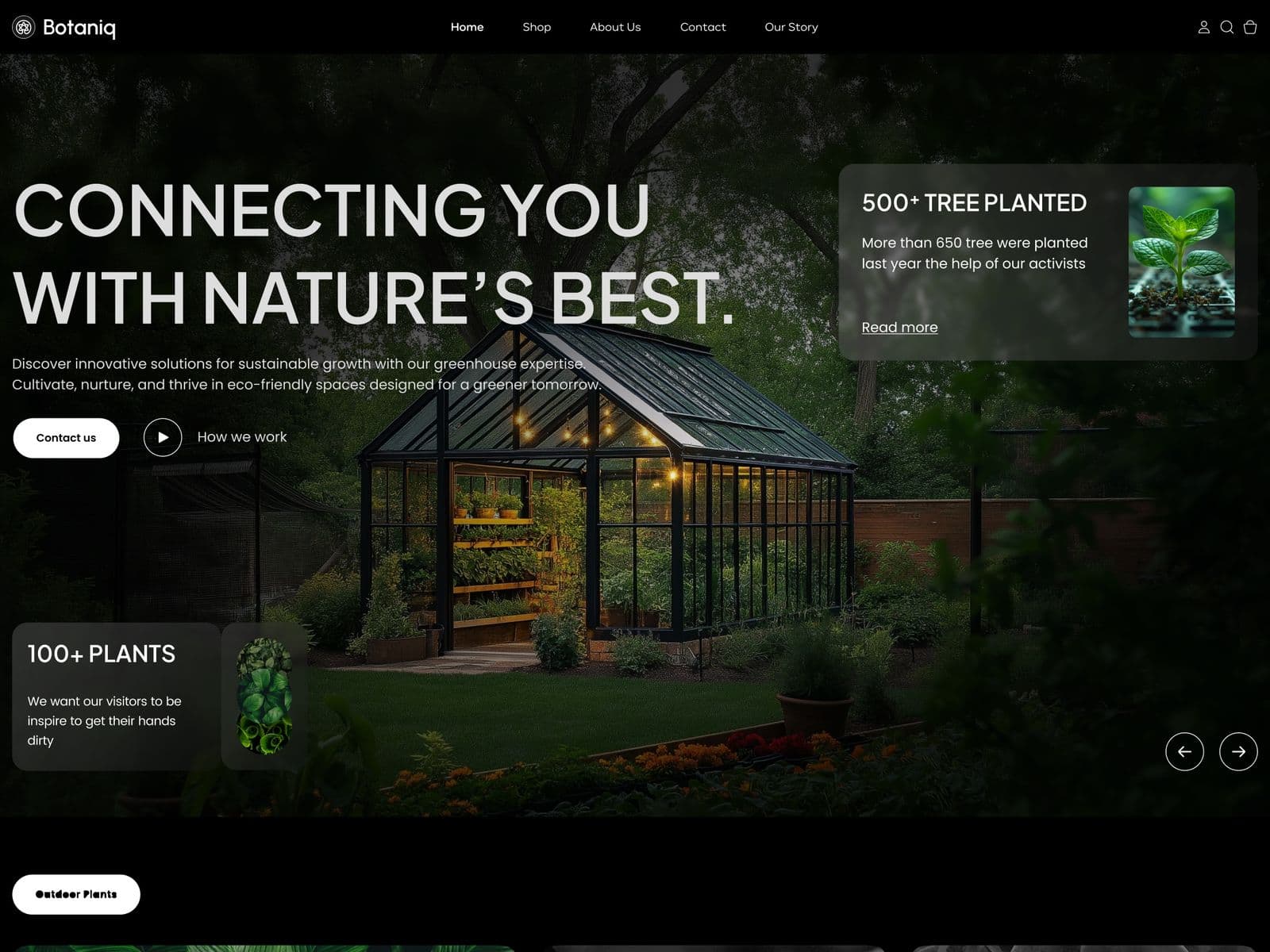
  • A plant nursery landing page designed by Redlio Labs
  • A fashion ecommerce store designed by Redlio Labs
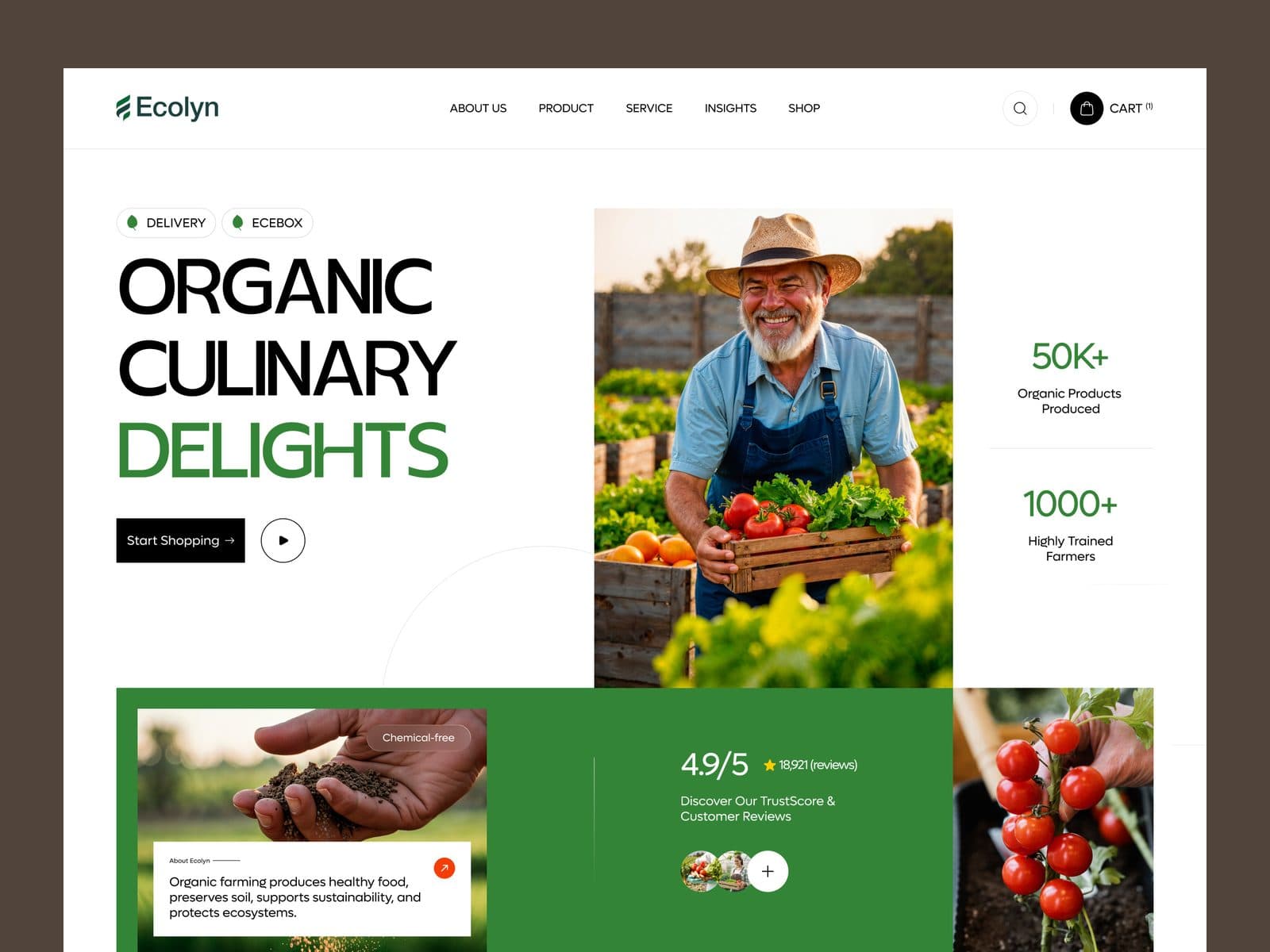
  • An organic farm website designed by Redlio Labs
  • A social media marketing campaign designed by Redlio Labs
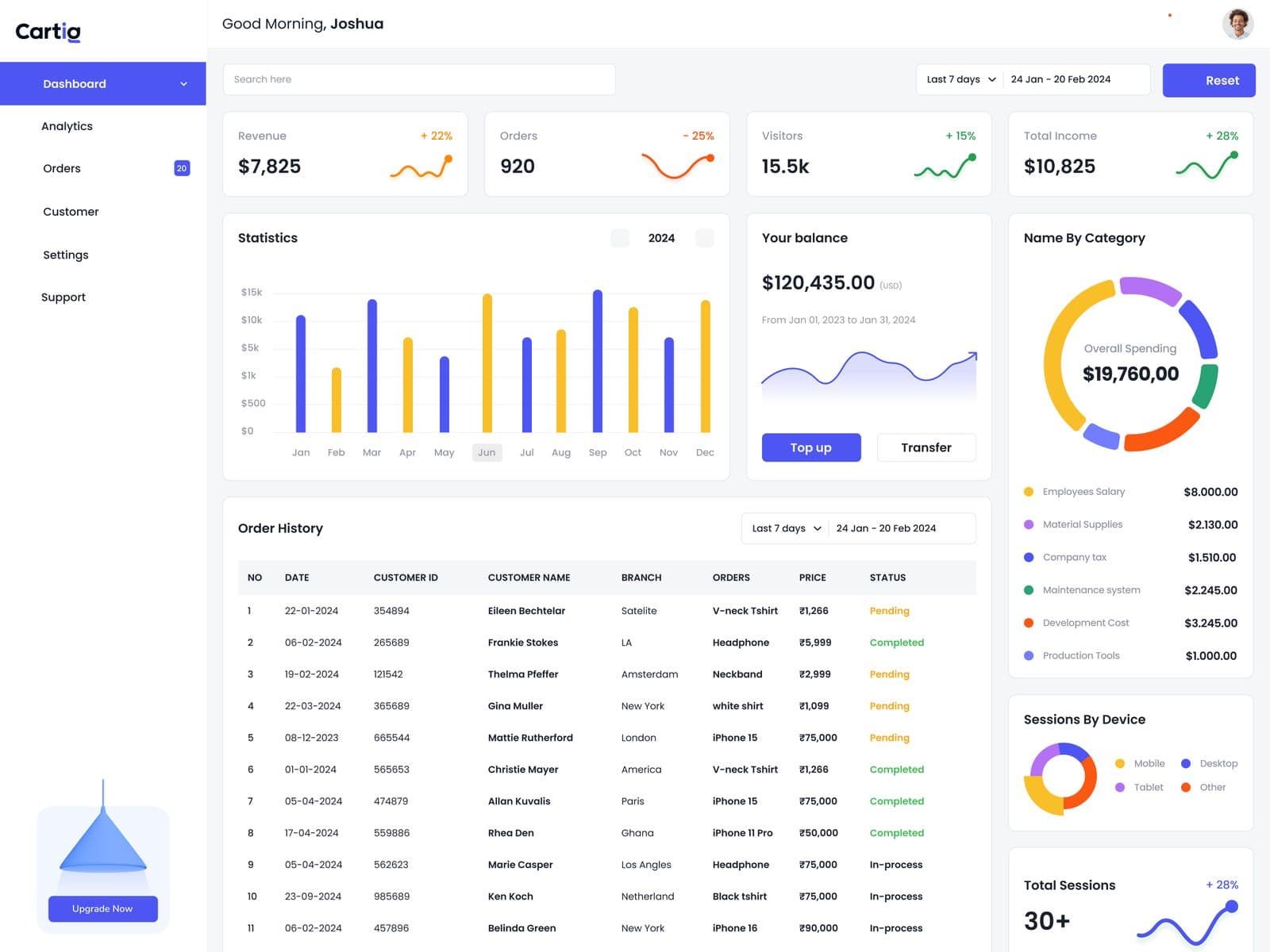
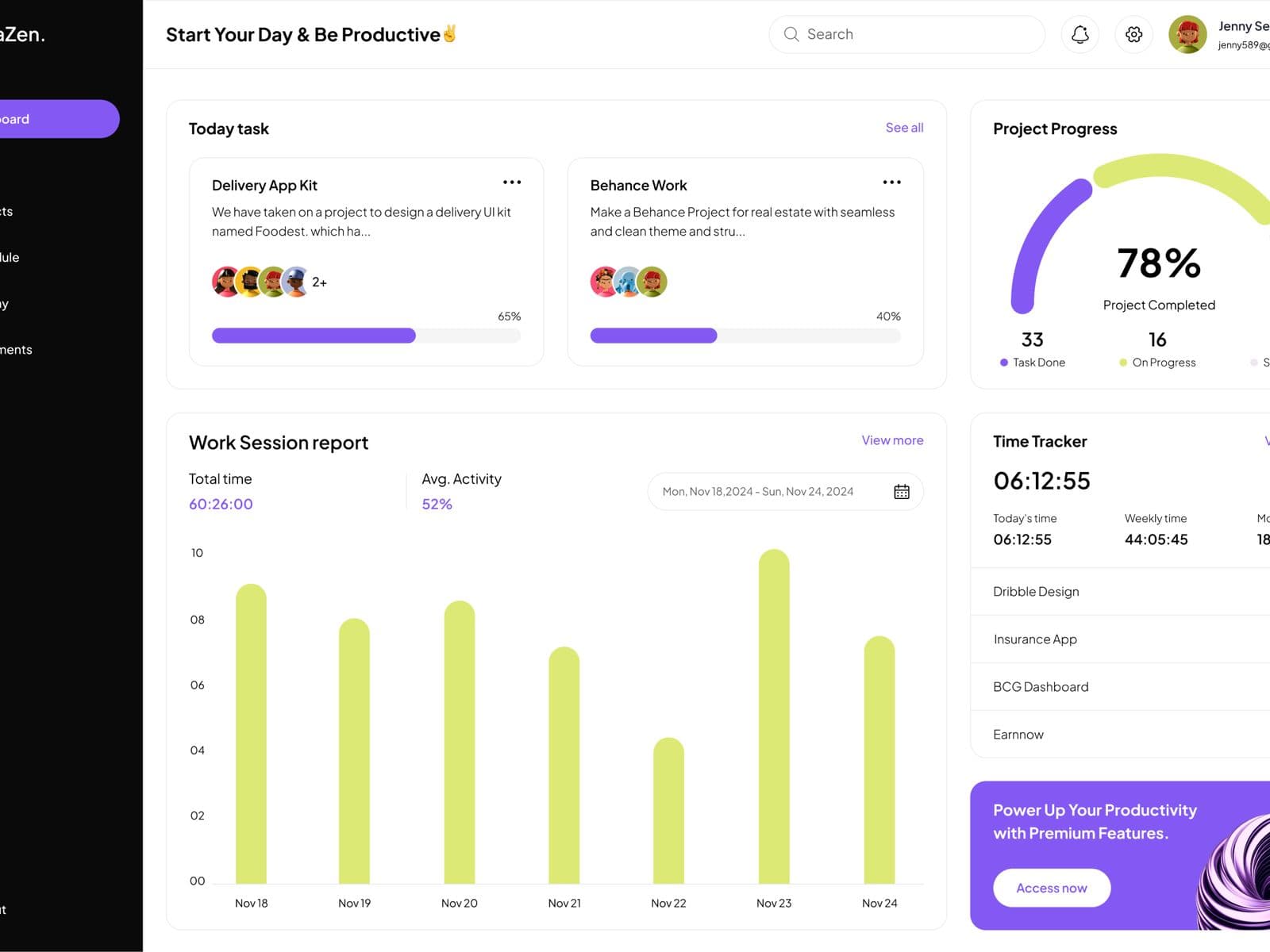
  • A project management dashboard designed by Redlio Labs
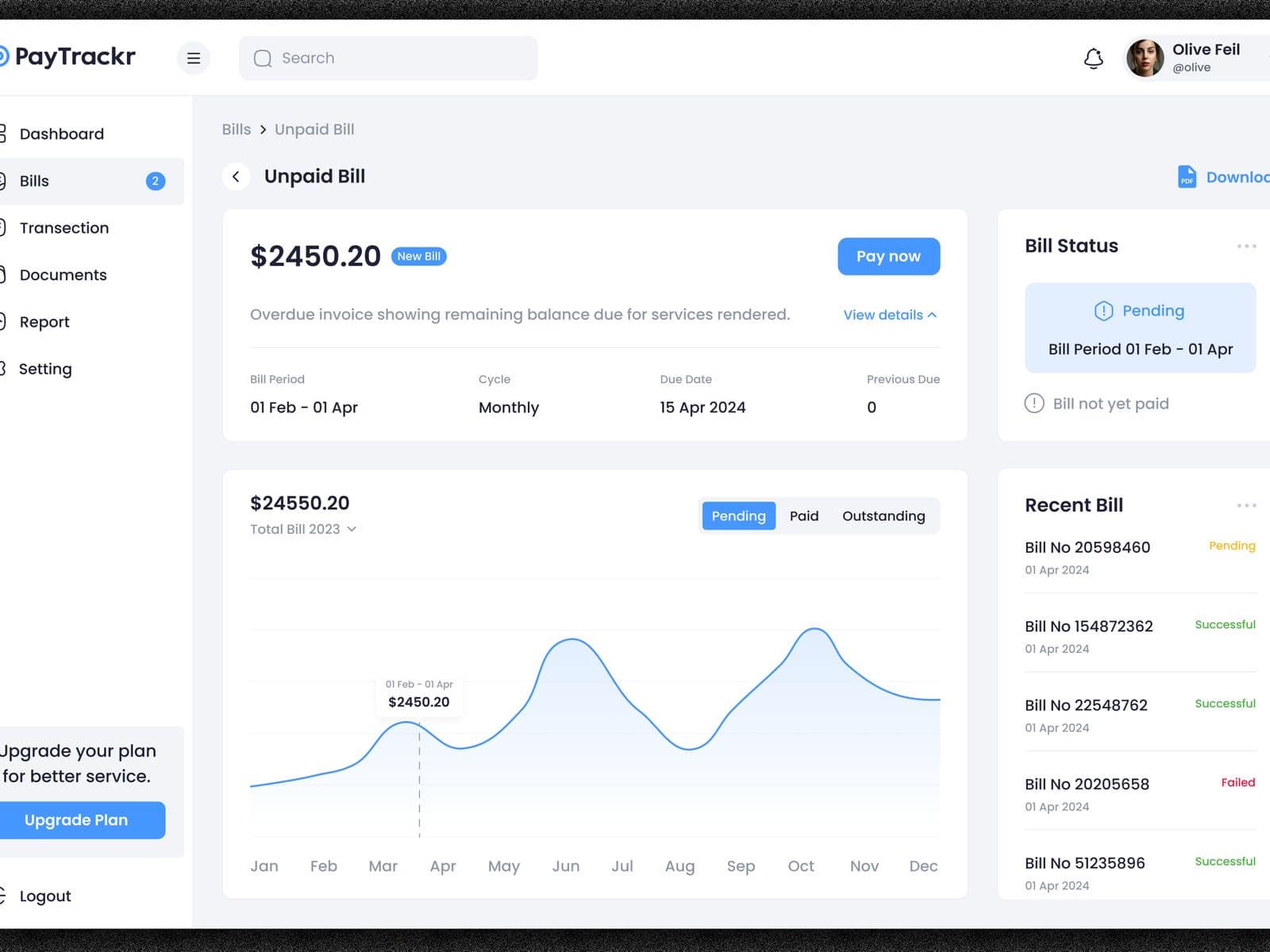
  • A billing dashboard designed by Redlio Labs
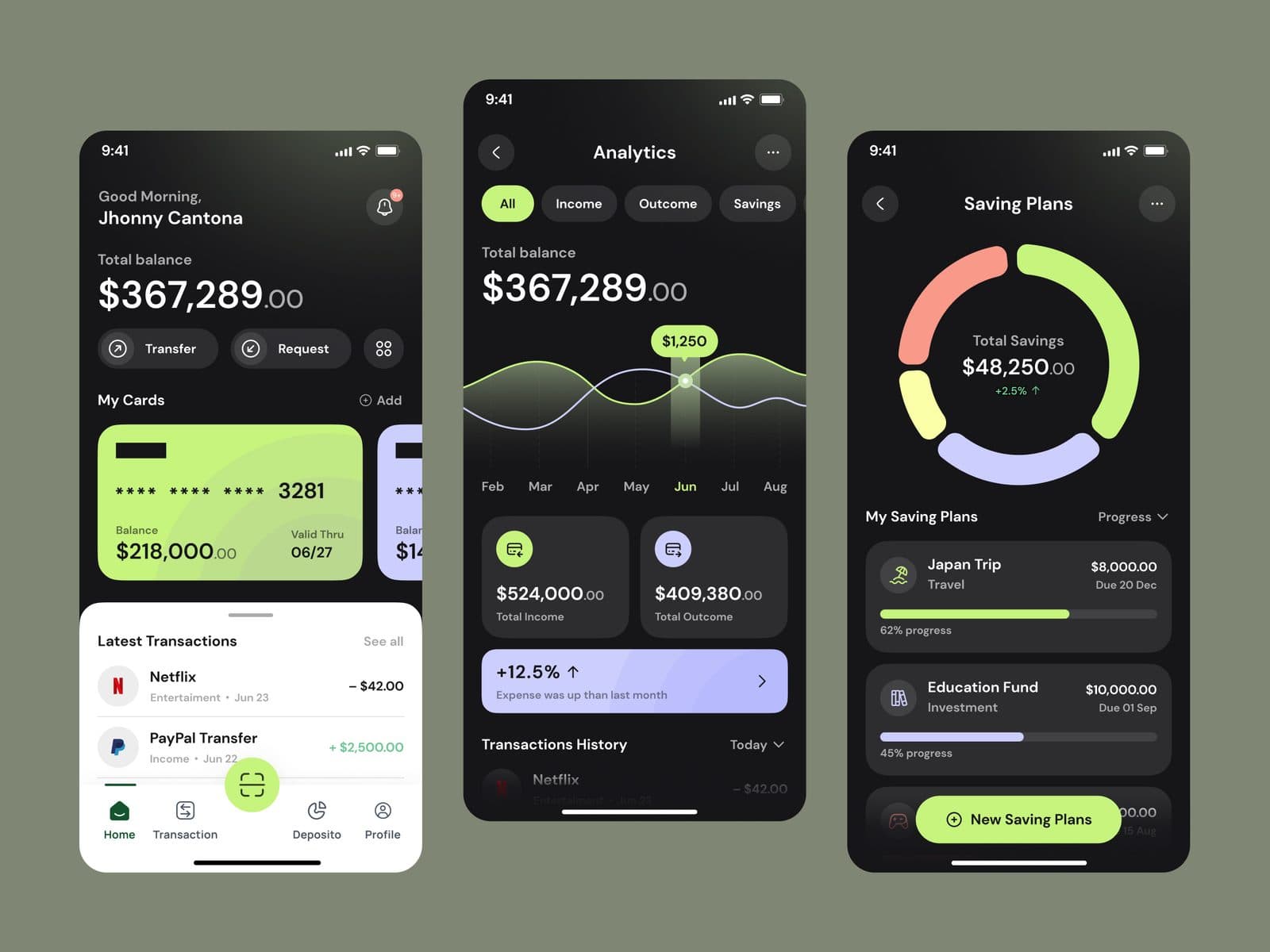
  • Finance mobile app screens designed by Redlio Labs
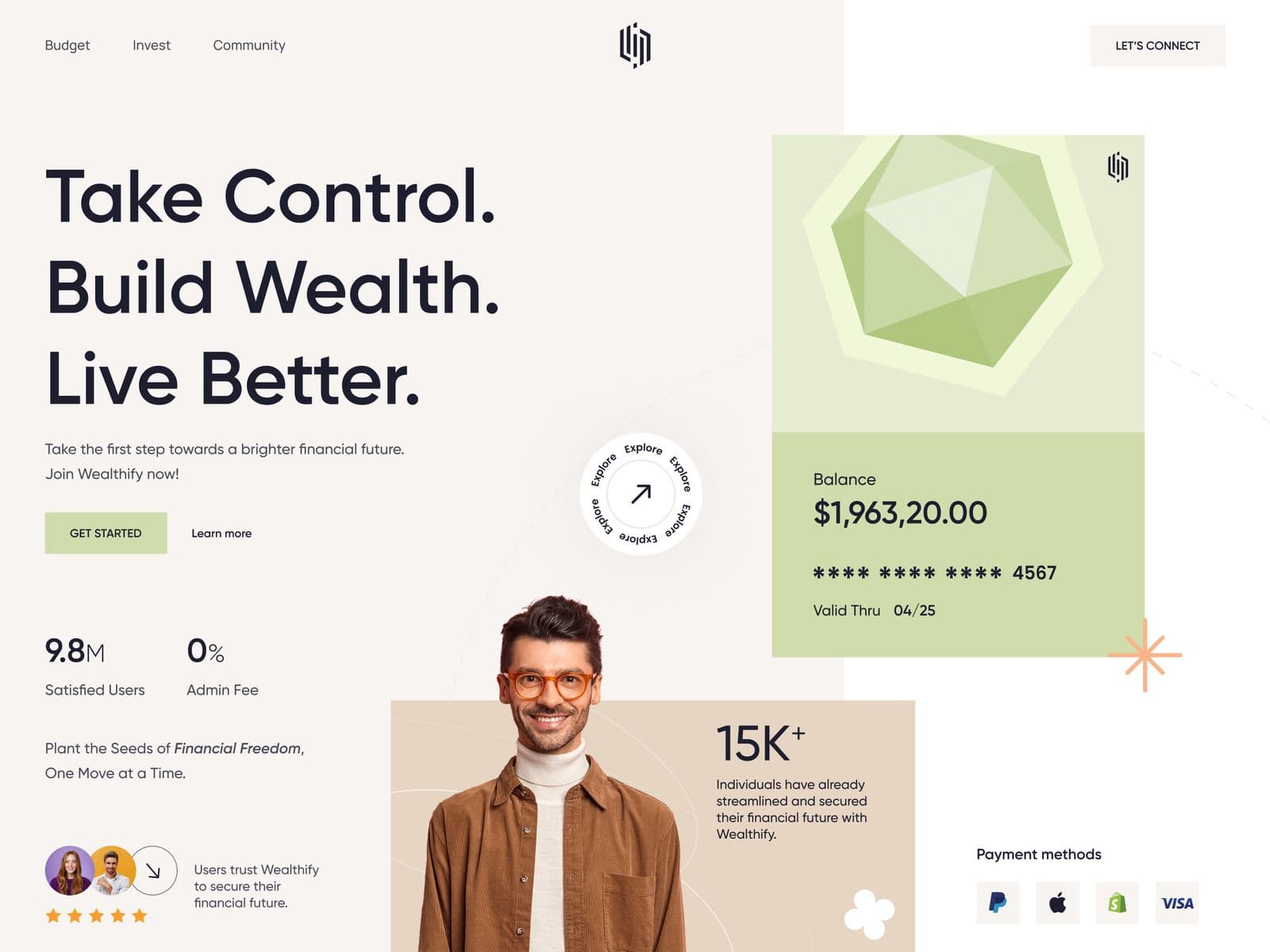
  • A wealth management website designed by Redlio Labs
  • A virtual reality product website designed by Redlio Labs

When Shopify development is the wrong choice

Three cases where we advise a bought theme, a settled plan or a different platform:

  • A bought theme already fits

    Where an Online Store 2.0 theme and a few App Store apps cover how the store sells, we advise launching on them. Spending goes further on product photography and copy.
  • Plus features without Plus

    Where the store needs custom checkout steps or custom Functions on Basic, Grow or Advanced, we advise settling the plan first. A workaround outside Shopify’s extension points is the kind of work its next change switches off.
  • Rules Shopify cannot express

    Where pricing or ordering runs on rules no app or Function can hold, we advise custom ecommerce development instead of bending Shopify around them. Products configured from engineering data are one example.

Shopify development is the right choice where the way of selling fits Shopify’s model and the custom work fits its extension points.

Our Shopify store development process

Step 1 of 5

Discovery

We map your workflows, systems, and constraints with the people who use them every day, before anything is scoped. For Shopify: we list the plan, the apps and every customization the store runs, and mark each one against Shopify’s extension points.

Discovery

  • Workflow map
  • Systems inventory
  • Constraints and risks
Two colleagues reviewing a reporting dashboard on a monitor

Why companies choose Redlio Labs as their Shopify development company

  1. Custom work where Shopify maintains it

    We build on theme sections, app extensions, checkout extensions and Functions, so the store’s custom work sits on the parts Shopify documents and maintains.
  2. A straight answer on the plan

    We tell clients on the first call whether Basic, Grow or Advanced covers the store, or whether only Plus does.
  3. Design and build in one team

    The people who design the store’s pages also build its theme, so nothing is lost between the mockup and the live store.
  4. The team that stays

    The engineers who launch the store stay on it afterwards, when app updates and Shopify’s own changes arrive.

Guides to read before a Shopify build

Shopify development company FAQs

If something here does not answer it, ask the founder directly.

Mayursinh Jadeja

Talk to the people who do the work

A 30 minute scoping call with the team that would take the project on. We reply within 12 hours.

Request a scoping call

Prefer email?info@redliolabs.com

What does a Shopify development company do?

A Shopify development company designs, builds and maintains online stores on Shopify: the theme, the apps, the checkout customizations and the connections to the business’s other systems. Because Shopify hosts the store, that work happens inside the platform’s extension points and the limits of the store’s plan. We start every build by mapping both.

What does Shopify website development include?

Shopify website development includes the theme and its templates, the apps the store runs, the checkout, the integrations and any move from an old platform. We scope all five against the plan before design. The sim racing store we designed and developed is one example: more than 18 pages, plus over 20 phone screens.

How much does Shopify website development cost?

Our price for Shopify website development comes from the written scope, so we give none until that scope exists. The theme route, the number of custom templates, the apps and their subscriptions, the integrations and the plan move the price most. Our guide to website redesign cost explains how to compare quotes that price the same scope.

Do we need Shopify Plus?

We recommend Shopify Plus only when the store needs what only Plus allows: custom checkout steps, custom apps with Shopify Functions, or more Admin API throughput. Plus allows 1,000 points a second against 100 on standard plans, by Shopify’s rate limit table. Many stores need none of these, and Shopify B2B is also available on Basic, Grow and Advanced.

Are you a Shopify Plus agency?

We build stores on Shopify Plus as well as on the standard plans, and we do not hold a Shopify Plus Partner badge. What we bring to a Plus build is the check that each customization belongs in a checkout extension, a Function or an app, before anyone writes it.

Can we hire a Shopify developer from you?

Yes. Most clients hire us for a scoped Shopify build, and teams that need a developer working inside their own process take one through our IT staff augmentation model, on your standards and your hours.

What is the difference between Shopify store design and Shopify store development?

Shopify store design settles the layouts, type, color and phone screens a shopper sees; Shopify store development builds them into a working theme, with the apps and checkout behind it. We do both in one team. For design on its own, our jewelry, perfume and eyewear store designs show the work, with no client result claimed.

What happened to checkout.liquid and Shopify Scripts?

Shopify has retired both checkout.liquid and Shopify Scripts. checkout.liquid stopped working on the Information, Shipping and Payment steps from August 13, 2024, and on the Thank you and Order status pages on August 28, 2025. Scripts stopped running on June 30, 2026. We rebuild that work as checkout UI extensions, Functions or an app, to suit the plan.

Can you migrate our store to Shopify?

Yes, we move stores to Shopify from the platform in use, with their products, customers, orders and URLs. We map every old URL to its new one before launch and check the tracking through the switch, so search engines and shoppers find each page. Our website redesign checklist lists what a move must not lose.

Who owns the Shopify store and the code?

We advise that the business owns the store, its owner account, the app subscriptions and the domain, with code ownership written into the contract. Shopify lets an agency work as a collaborator, and it does not allow store ownership to pass to one. We work through collaborator access, so the store stays in the business’s name.

Request a scoping call for your Shopify store

We start with the store as it runs today: the plan, the apps and every customization. In 30 minutes, the engineers who would build it give a straight answer on what Shopify allows and on fit. Expect our answer inside 12 hours, with an NDA in place before the call.

We use what you send to understand and answer your inquiry. Privacy policy

  • We reply within 12 hours
  • You talk to the people doing the work, never an account manager
  • Peer-reviewed releases
  • NDA before your first call
Mayursinh Jadeja

Mayursinh Jadeja


Founder, Redlio Labs

Rated 5.0 on Clutch and 5.0 on Google