
Design work: Food and restaurants
Food delivery app development, from the menu to the doorstep: Zesty
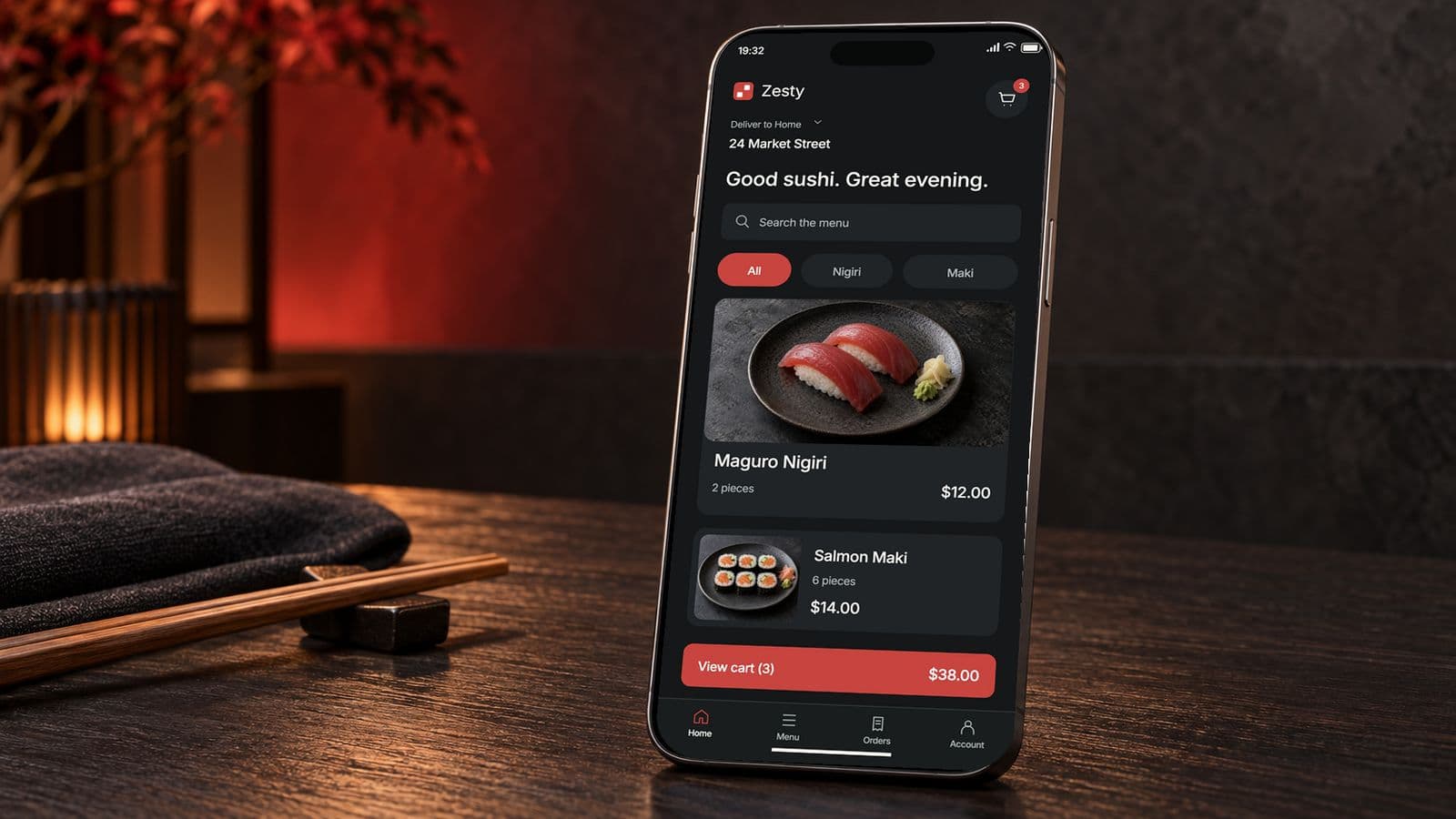
Zesty is a sushi ordering app we designed: a dark menu sorted by kind of sushi, the dish screen, the map that follows an order to the door, and the identity for the app. The page also sets out how we develop a food delivery app behind screens like these.
- Project
- Zesty
- Type
- Food delivery app
- Our work
- Mobile app design, brand identity
- Platform
- Mobile phone
Shown as design work under the Zesty project name. The reimagined screens, food photographs, prices, orders and routes are illustrative concepts. Restaurant and driver tools show proposed development scope.
What the food delivery app had to do
Someone ordering dinner on a phone wants to see the food, pick it and know when it will arrive. An ordering app has to keep those three steps short.
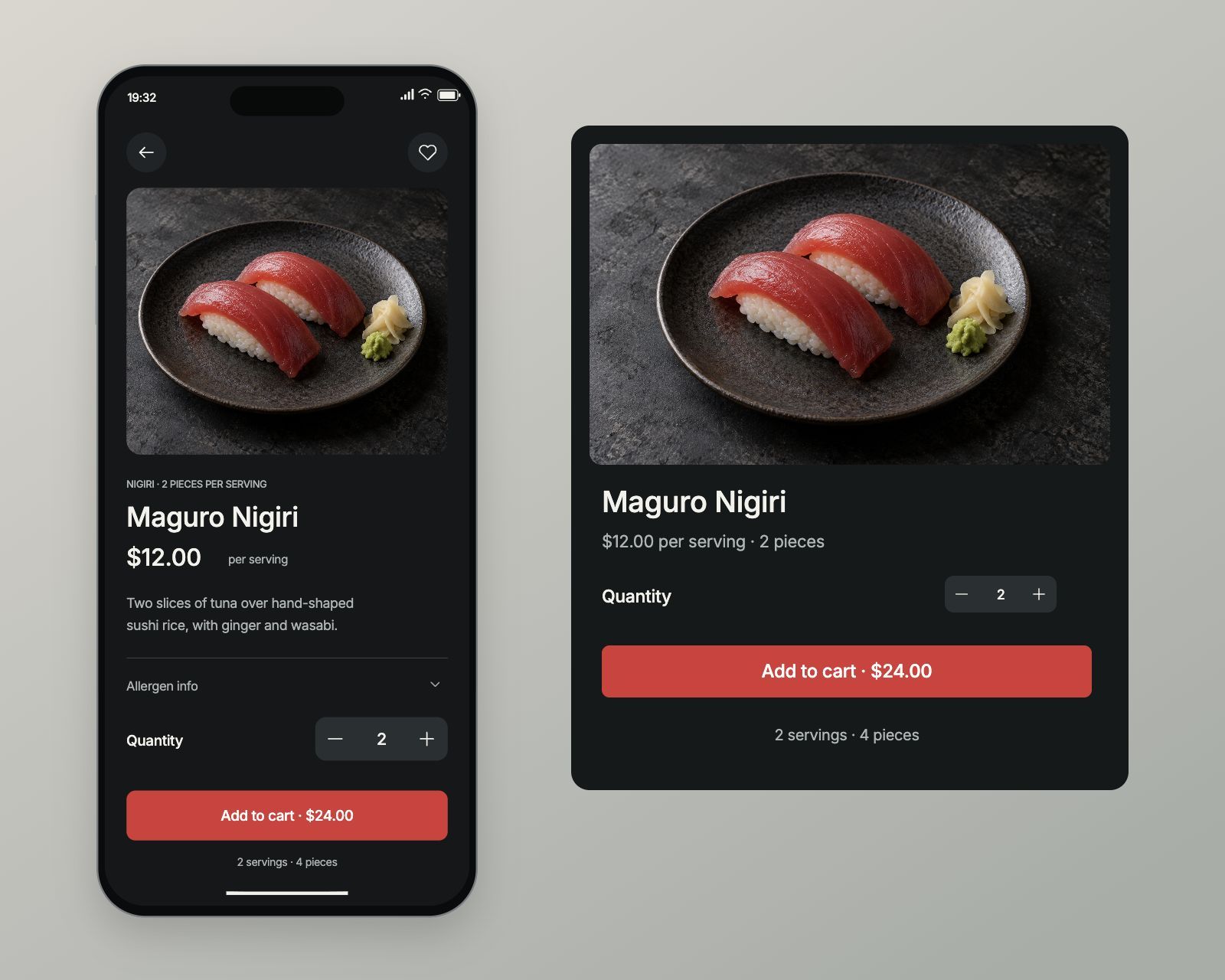
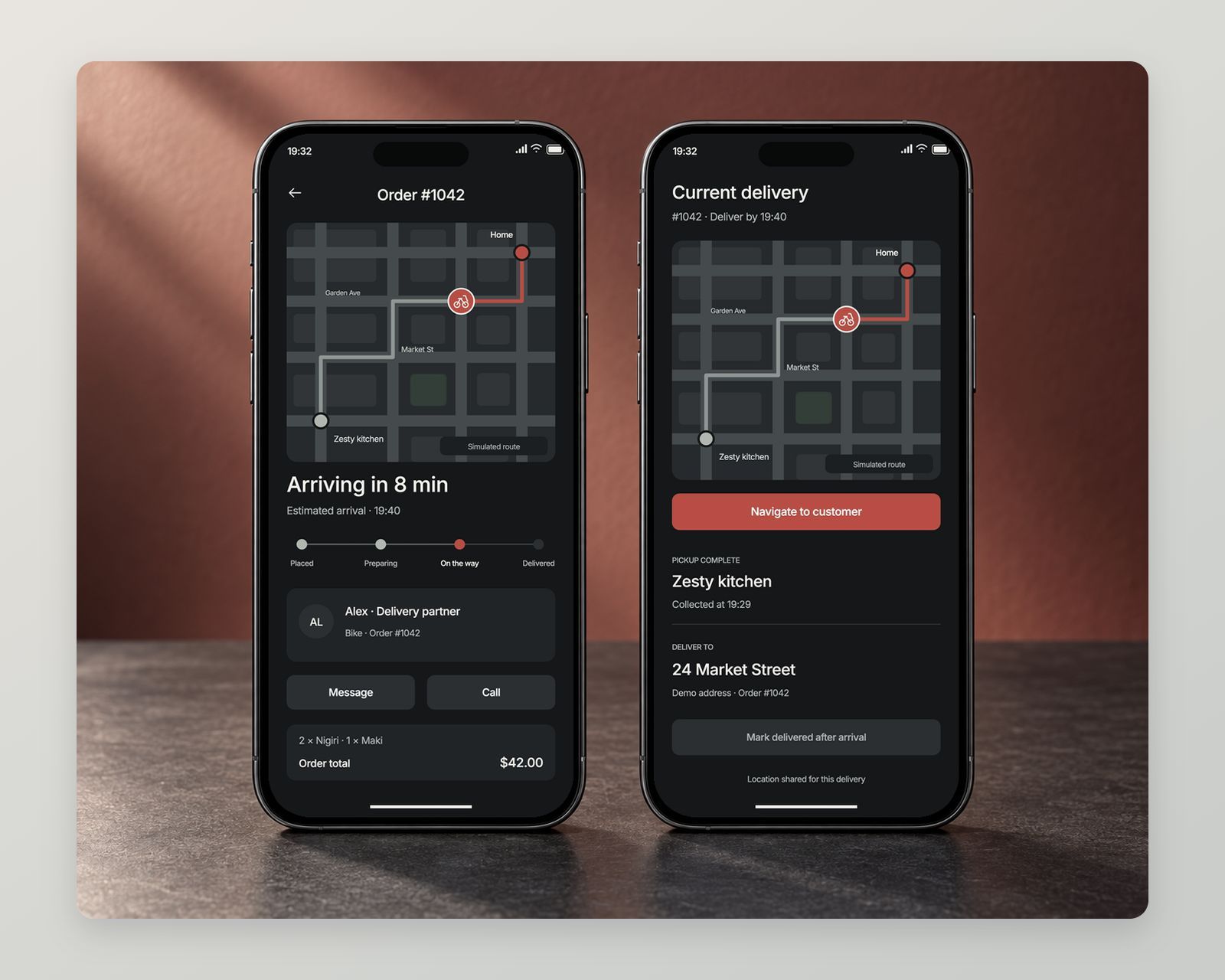
The design is dark, so the photographs of the food carry the screen. Red is kept for what the user acts on: the add to cart button, the home tab and the route on the map. A placed order shows its route, the estimated delivery time and buttons to message or call.
- Food leads the screenPhotographs on a dark background.
- Red for actionsAdd to cart, the home tab and the route.
- The order in viewA map, a delivery time and four stages.
Food delivery app development, from the design to live orders
The customer app is the part people see. A delivery service runs on three more parts behind it, and they decide most of the build.
The menu from the point of sale
Dishes, prices and stock read from the restaurant’s POS or menu system, so a sold-out dish disappears from the app instead of being ordered.Checkout with real payments
Card and wallet payments through a payment provider, outside the app stores’ in-app purchase, with refunds and tips handled on the same rails.Live tracking and a driver side
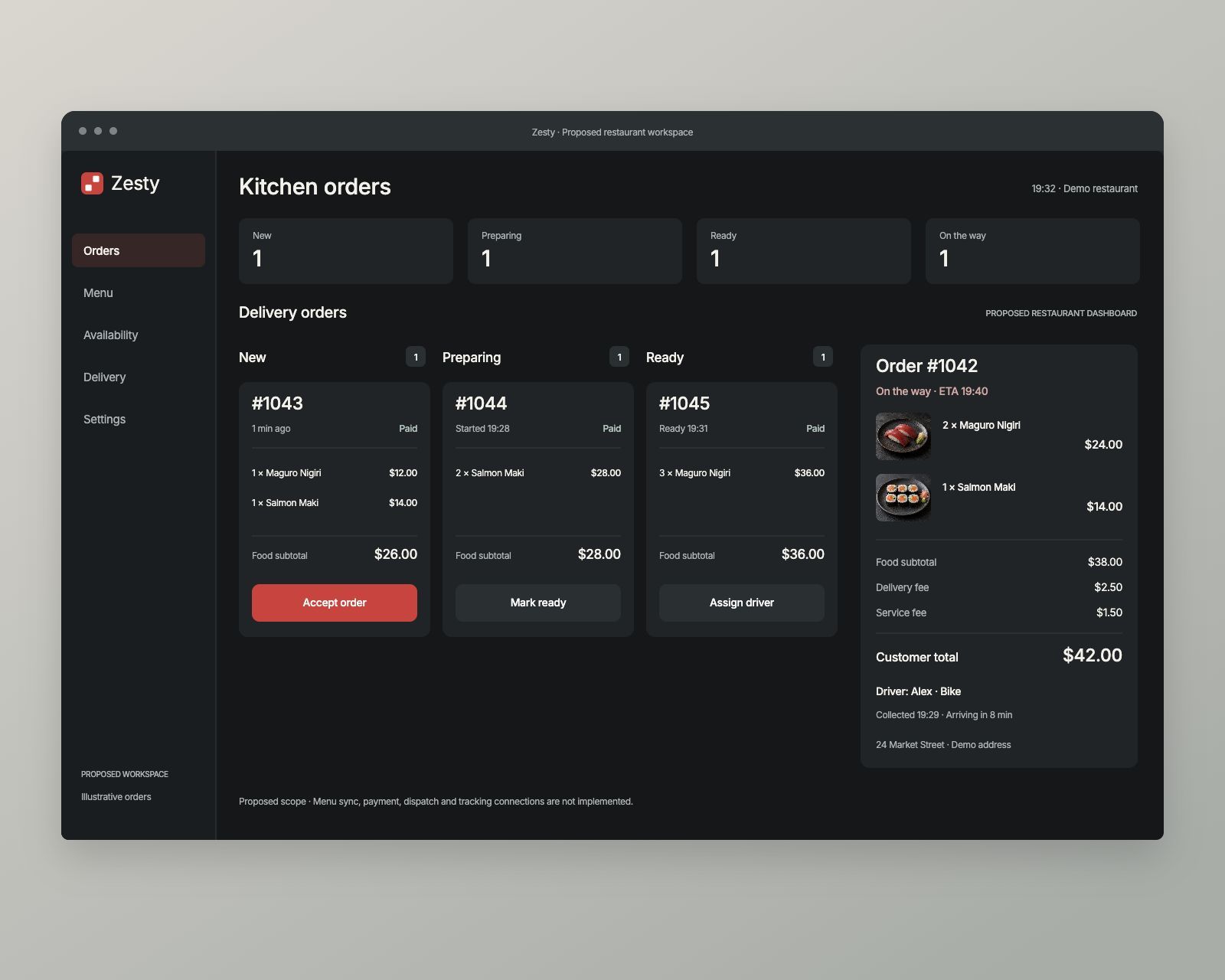
In-house riders get their own app with location shared only while delivering; a delivery partner connects through its API instead.A restaurant dashboard
Incoming orders, preparation times and opening hours in one screen for the kitchen, so the delivery estimate the customer sees is honest.
What the Zesty food delivery app does
Every screen keeps one of three steps short: see the food, pick it, and know when it arrives.
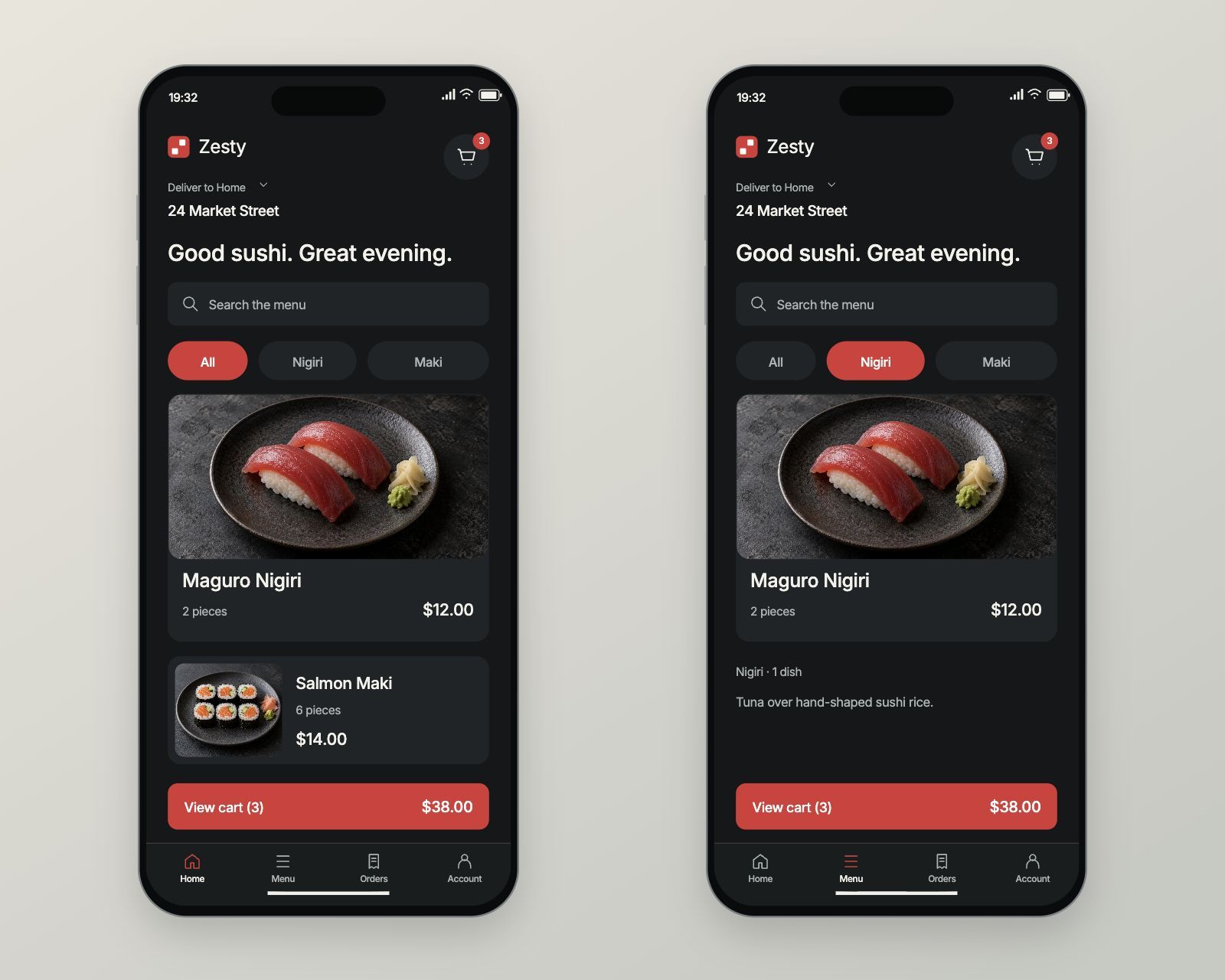
A dark menu where the food leads
Search and the Nigiri and Maki filters at the top, dish cards below, and photographs on a dark background so the food carries the screen.
A dish screen that ends in one tap
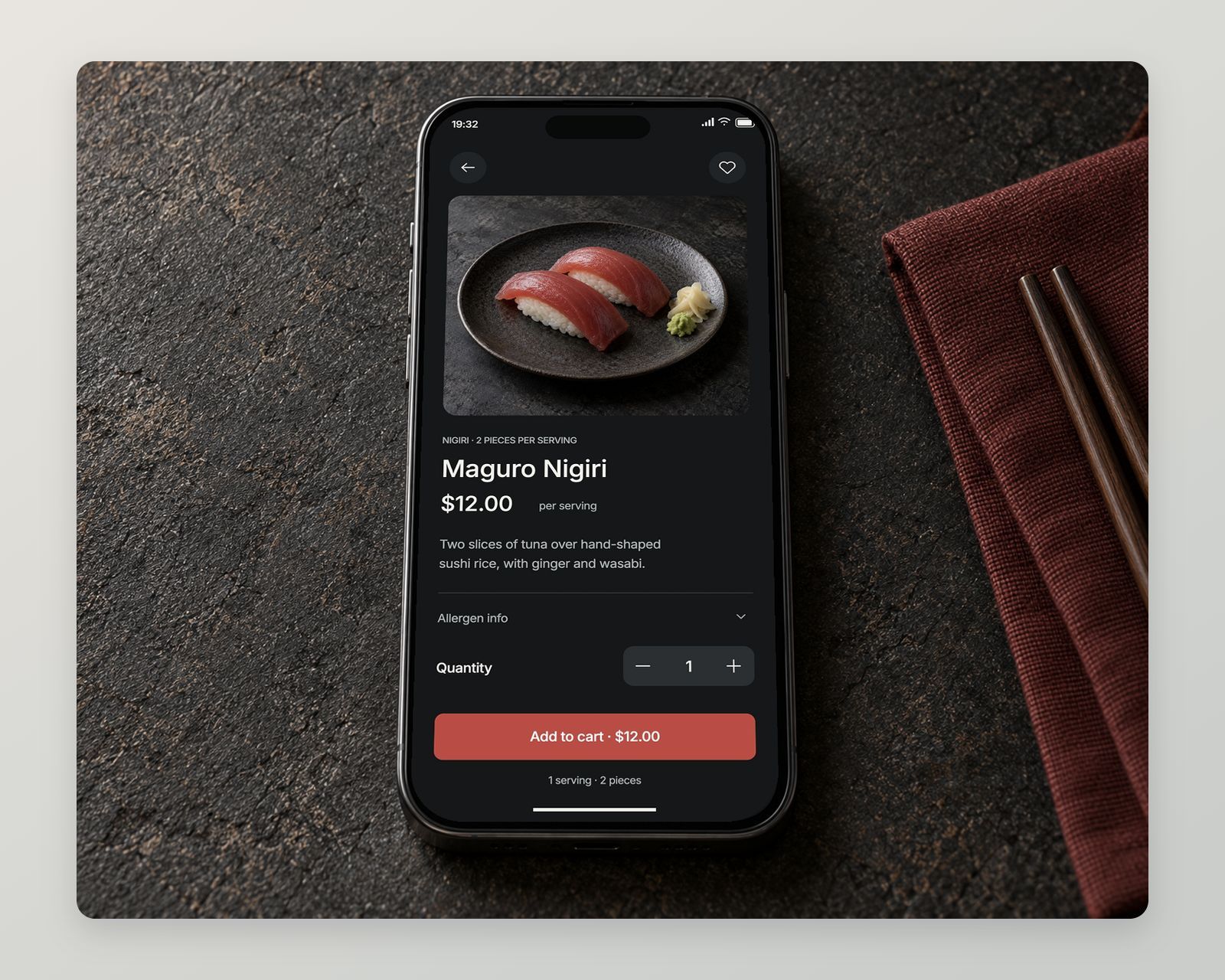
The photograph, a short description, allergen information, quantity and one red Add to cart button that shows the running total.
Live tracking for the customer and the driver
The customer sees the route, the arrival time and the order stages; the driver sees the pickup, the drop-off and a button to navigate, with location shared only during the delivery.
An app icon that reads on a home screen
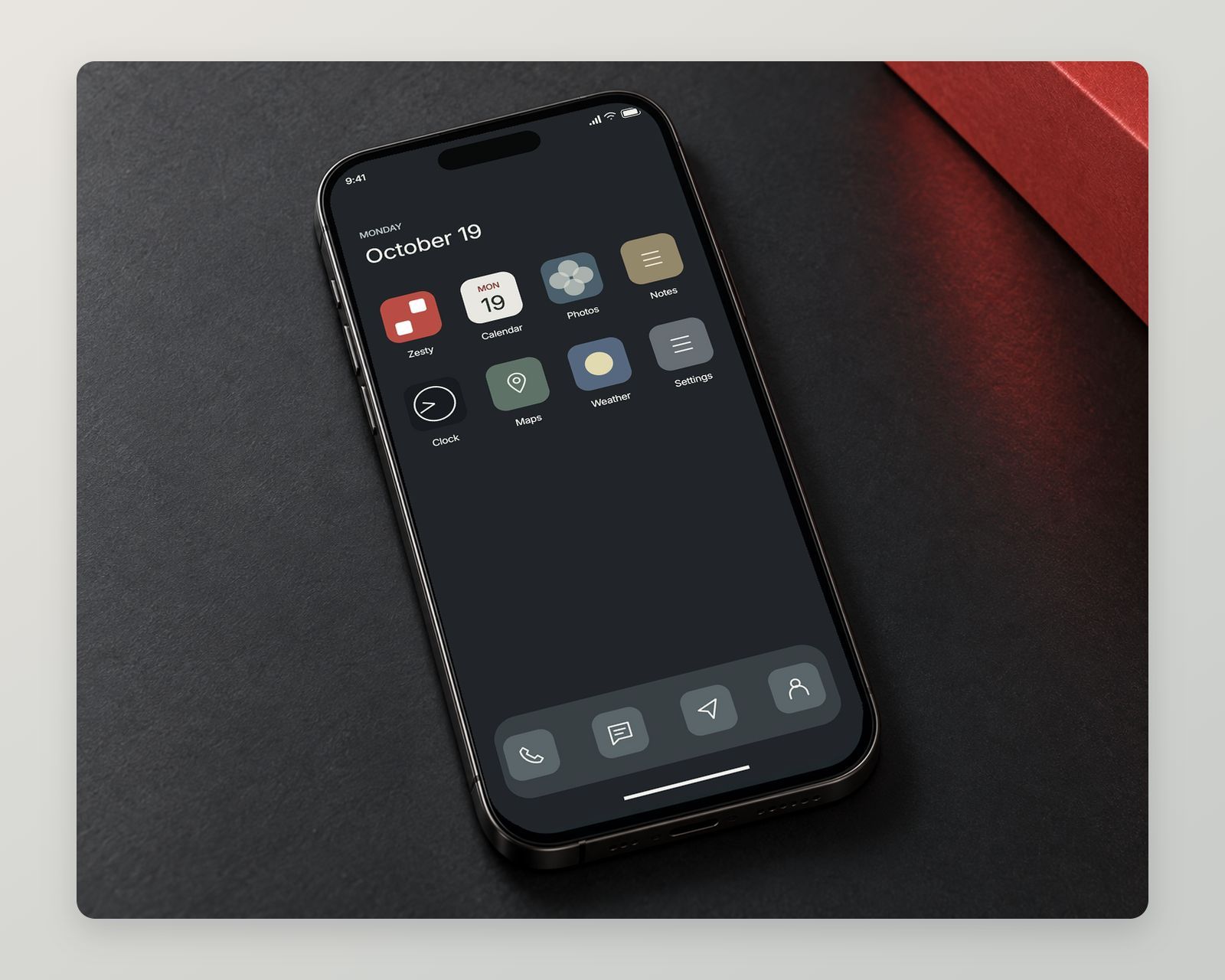
A red mark that stands out among other apps, so a returning customer finds the app in a glance.
A brand that travels with the order
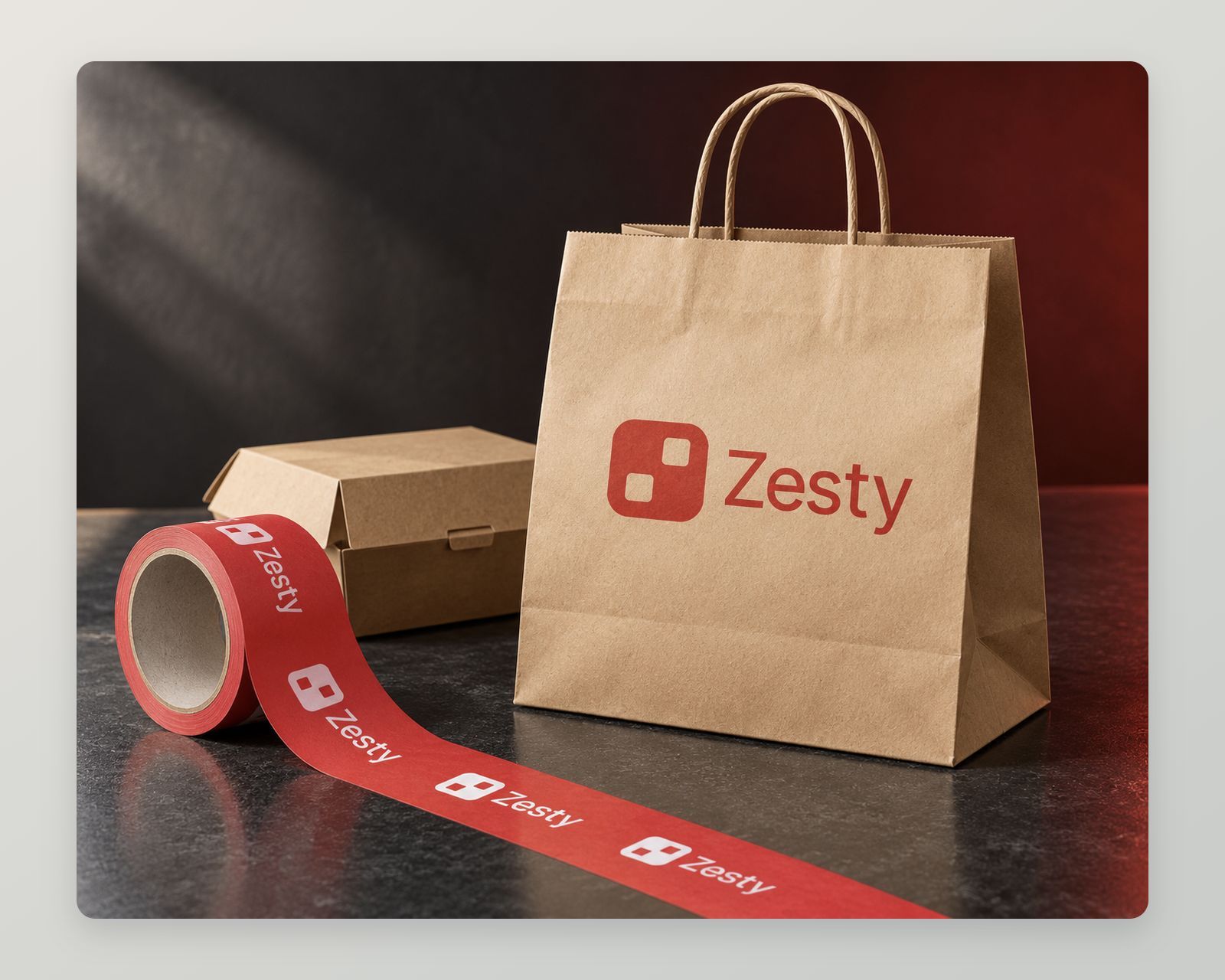
The same mark and wordmark on the delivery bag and the packaging tape, so the order at the door matches the app that placed it.
The services behind this work: mobile app design and mobile app development. Planning something similar? Read our guide to mobile app development cost.
Before you brief anyone
Planning a food delivery app? Settle these first
Settle the model, who delivers and where the menu lives before the screens.
Request a scoping callDecide whether it is one restaurant’s app or a marketplace.
A restaurant app centers on one menu and its regulars, while a marketplace like DoorDash needs restaurant listings, search across menus, a partner side and payouts to each restaurant.
Decide who delivers.
In-house riders, a delivery partner or pickup only each change the tracking screen, the delivery estimate, the driver app and the support flow, so this is settled before the order screens are drawn.
Decide where the menu lives.
Prices, stock and dishes change daily, so the app reads them from the point of sale or a menu system rather than a list someone edits by hand. Our mobile app development page covers that build.
Then agree the scope before comparing prices.
White label platforms launch faster; a custom build pays where the ordering, loyalty or delivery model sets the business apart. Our guide to mobile app development cost explains what each choice adds.
Questions about food delivery app development
If something here does not answer it, ask the founder directly.

Talk to the people who do the work
A 30 minute scoping call with the team that would take the project on. We reply within 12 hours.
Prefer email?[email protected]
What does food delivery app development include?
A customer app with menu, cart, checkout and live tracking, a driver app or a delivery partner link, a restaurant dashboard for incoming orders, menu sync from the point of sale, and payments through a provider. The customer app is the visible part; the others decide most of the cost.
Do you develop food delivery and restaurant apps as well as design them?
Yes. We design and develop food delivery and restaurant ordering apps through our mobile app development work, from the customer app to the driver and restaurant sides. Zesty, shown here, is design work: the screens and the brand.
How much does food delivery app development cost?
It depends on one restaurant or many, who delivers, the POS integration and how many apps the service needs, so we price it after a scoping call. Our guide to mobile app development cost explains the main factors.
Can you build an app like DoorDash or Uber Eats?
We can build a marketplace with the same parts: restaurant listings, search across menus, a driver app, live tracking and payouts. What makes those platforms work is the driver network and restaurant partners, so we start by settling which of those your business has.
Should a restaurant use a white label delivery app or build a custom one?
A white label app is faster to launch when the menu and delivery model are standard. A custom build pays where ordering, loyalty, catering or the delivery model is what sets the business apart, or where per-order fees outgrow the cost of owning the app.
What should order tracking show in a delivery app?
Where the order is, when it will arrive and how to reach the driver. Zesty’s tracking screen shows the route on a map, an estimated delivery time, four order stages and buttons to message or call.
What a food delivery app has to get right before launch
Ordering food runs through payments, location and menus, and each has a rule set by the app stores, the card networks or the FDA.
3.1.3(e)
No in-app purchase for food
Apple requires apps selling physical goods or services consumed outside the app to collect payment by other means, such as Apple Pay or card entry.
App Review GuidelinesPlay billing
The same rule on Android
Google Play’s billing must not be used for physical goods or services, and its policy names food delivery as an example.
Google Play payments policyPCI DSS
Card data handled to the standard
Any business that stores, processes or transmits cardholder data falls under PCI DSS, so checkout runs through a provider that keeps card numbers off the app’s servers.
PCI Security Standards Council5.1.5
Location only when it serves the order
Apple allows location use only where it is directly relevant to the app’s features, with consent first and the purpose explained in the app.
App Review Guidelines20+ locations
Calories on chain menus, online too
For chains with 20 or more locations, the FDA rule counts menus on the internet as menus, so the app shows calories for each standard item.
FDA menu labeling rule2.5 s
A menu that loads before hunger wins
A good Largest Contentful Paint is within 2.5 seconds at the 75th percentile, a target food photography misses unless every image is sized for the screen.
Core Web Vitals
We check payments, location and menu data against these during scoping, so the app passes review and launches with nothing to rebuild.
More mobile app design work like the food delivery app
Design work
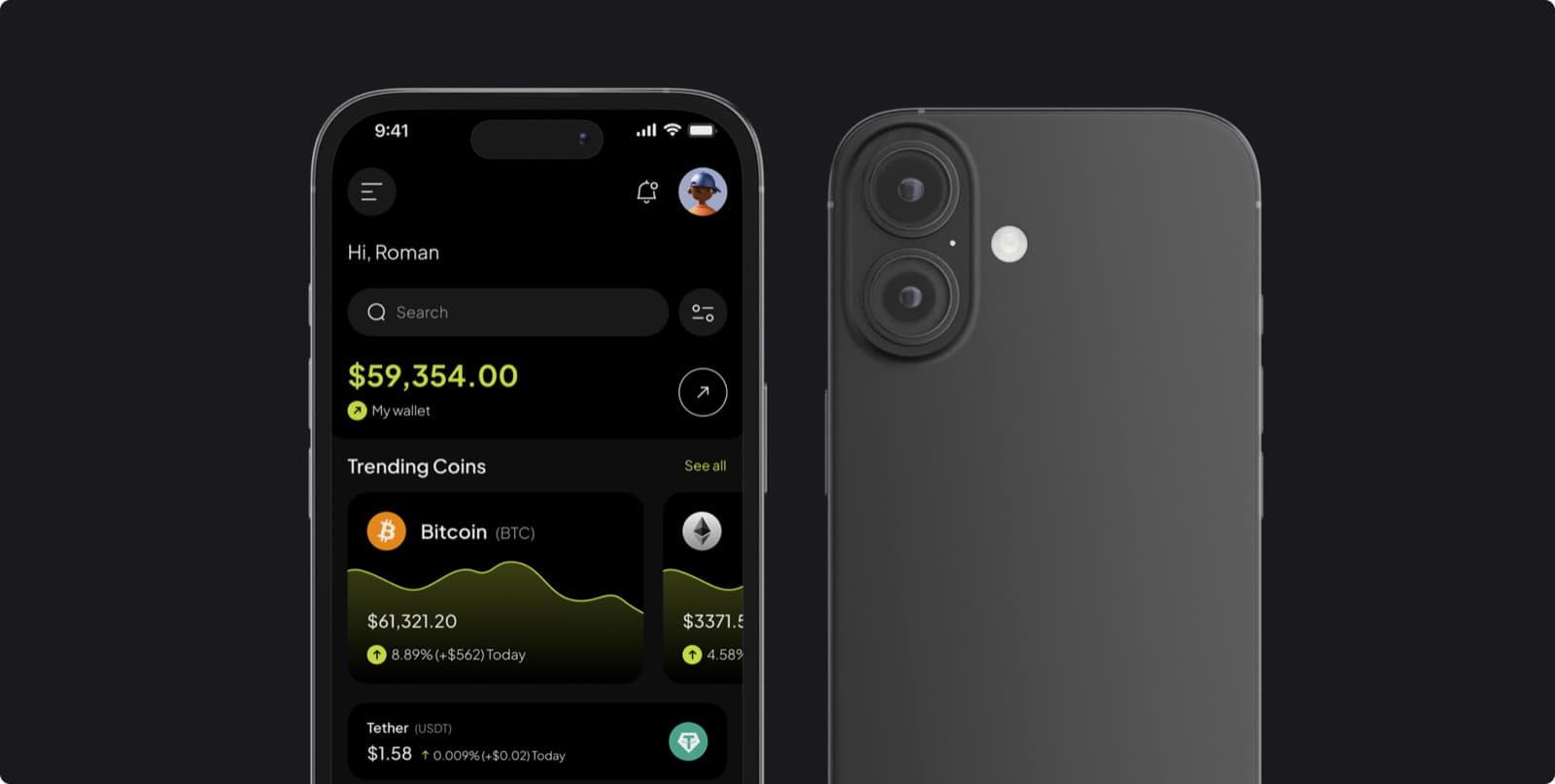
Crypto wallet app design in dark mode, for a balance and trending coins
A crypto wallet app in dark mode: balance, trending coins and profile.
Design work
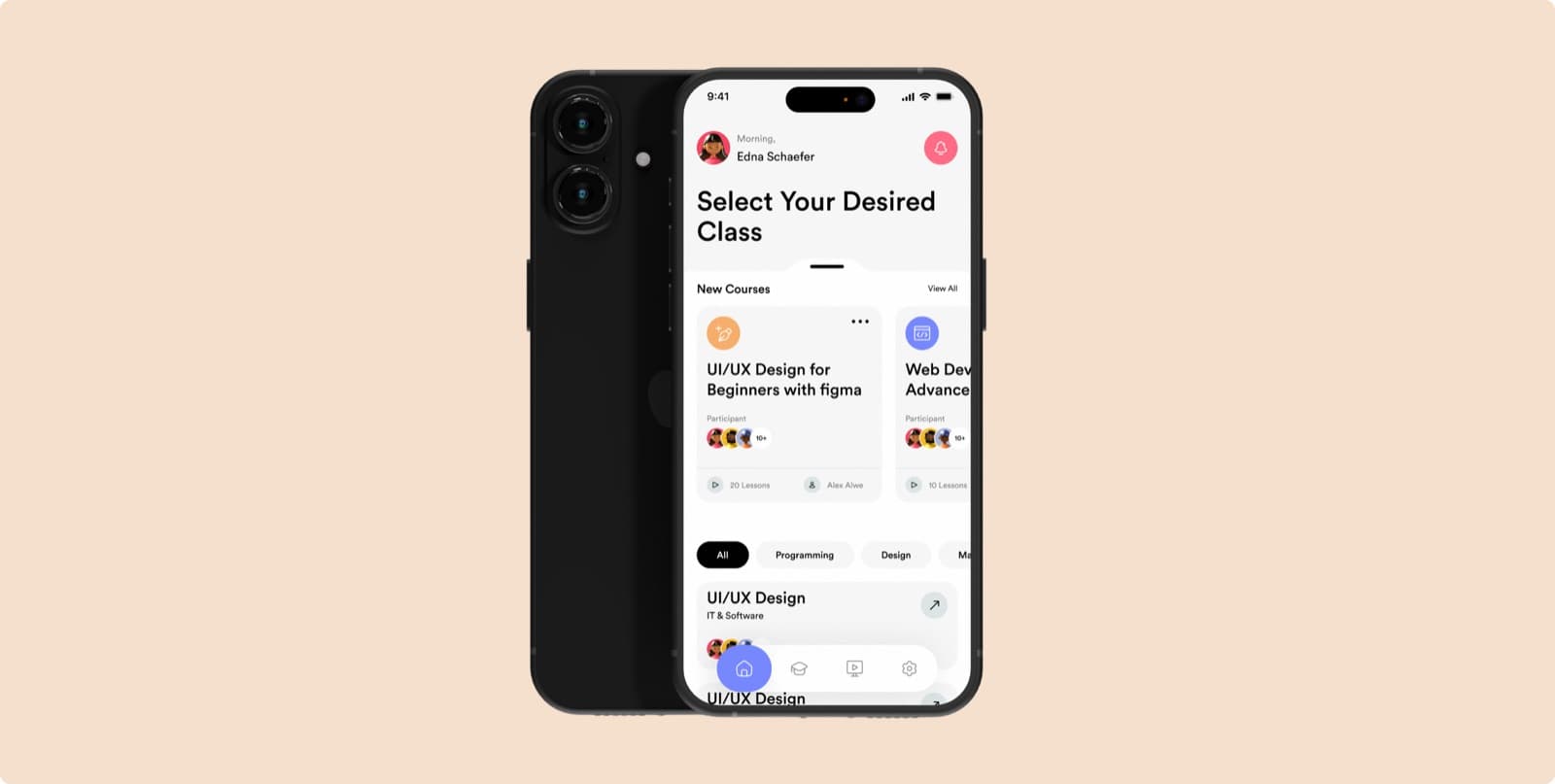
E-learning app design for online courses, from class list to certificate
An app for online courses: classes, the learner’s list and a certificate.
Design work
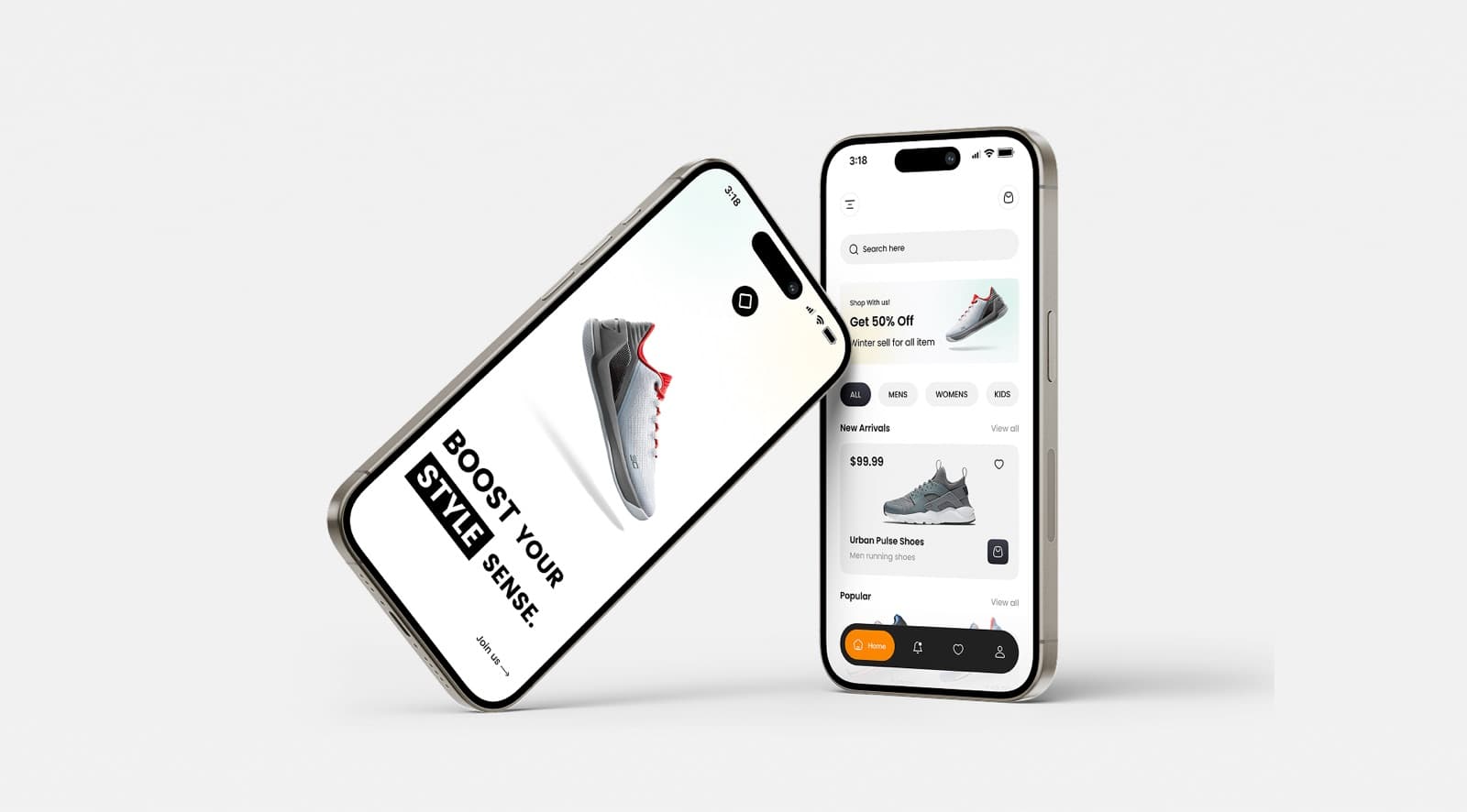
Shoe store app design for sneakers, from browsing to checkout
A shopping app for a sneaker store, from the home feed to a placed order.
Talk to us about a food delivery app
Thirty minutes with the people who would design and build it: one restaurant or many, who delivers, and what it connects to.
- We reply within 12 hours
- You talk to the people doing the work, never an account manager
- Peer-reviewed releases
- NDA before your first call

Mayursinh Jadeja
Founder, Redlio Labs