
Client project: Virtual reality
VR website design and development for a virtual reality experiences company
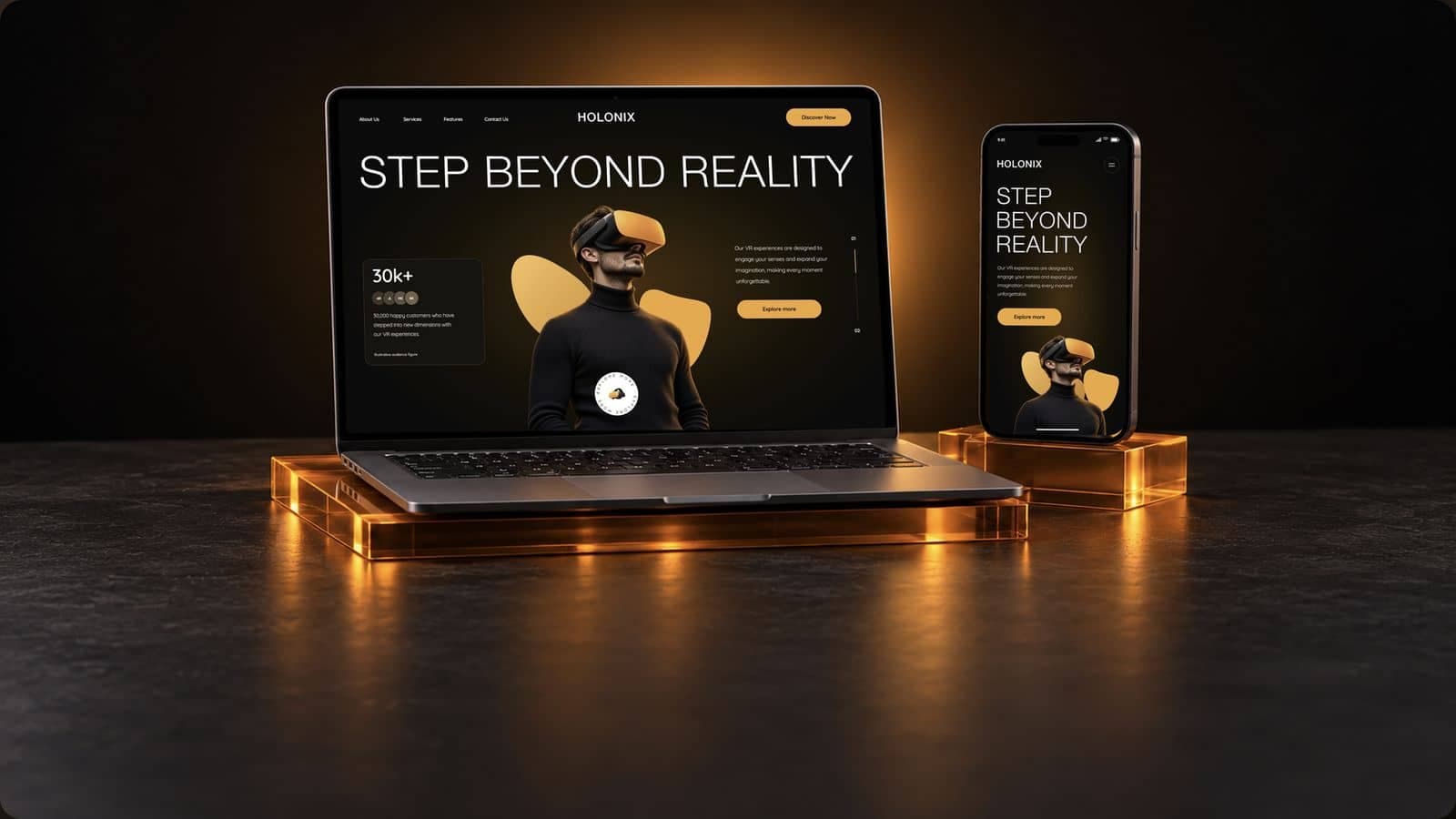
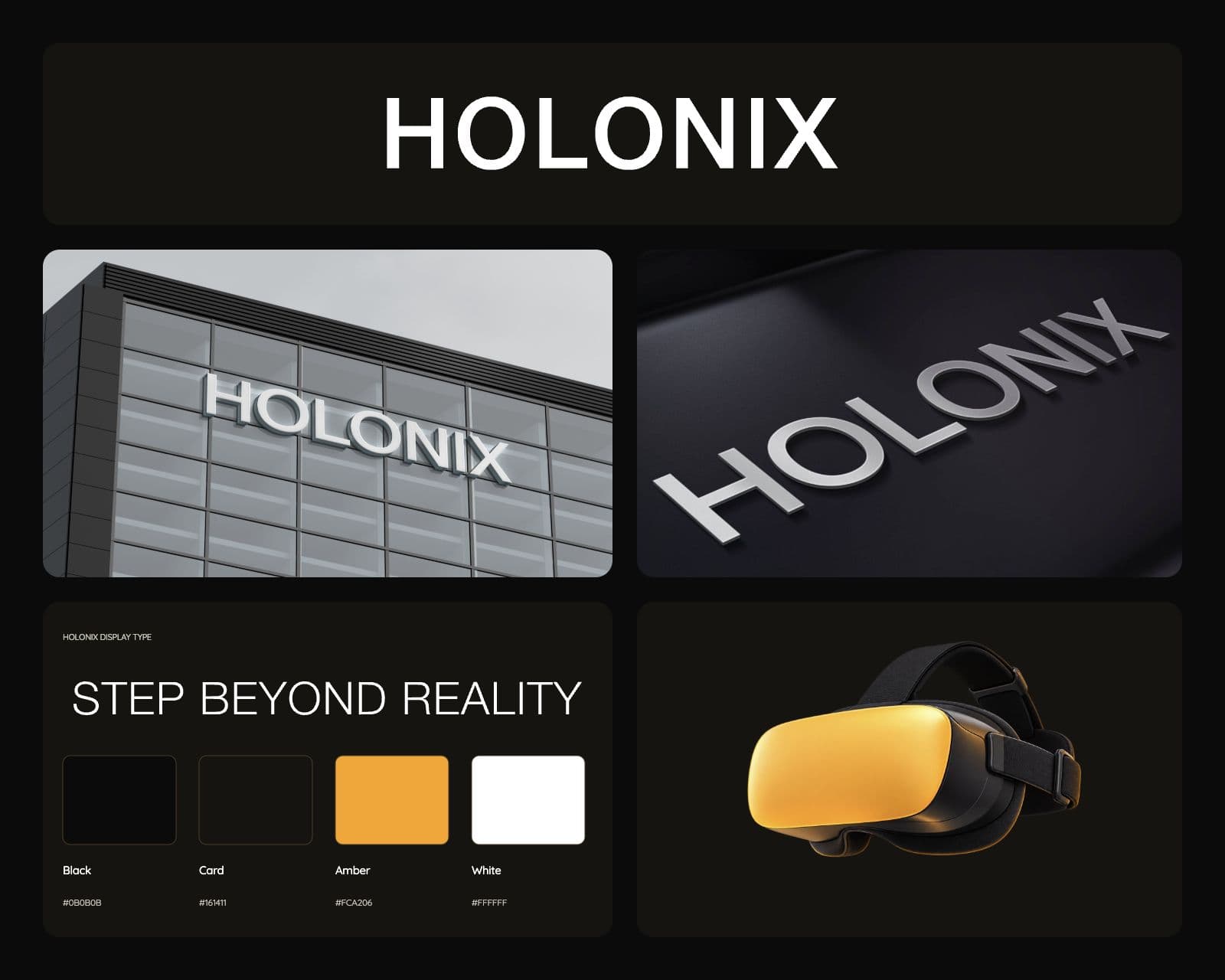
This is a virtual reality website we designed for a virtual reality experiences company. A black homepage for desktop and phone is built around one figure in an amber headset. The wordmark sits on a glass building. The page also sets out the project and how we approach the website for a VR company. That covers trailers that load on request, 3D that waits for a tap, session booking and motion a visitor can stop.
- Project
- VR company website
- Type
- Virtual reality company website
- Our work
- Web design, brand identity
- Platform
- Responsive website
We designed the website and the wordmark, not VR experiences or headset software. The project covered trailers, the 3D viewer, booking and group inquiries.
What the virtual reality website had to do
A virtual reality experience is hard to describe to someone who has not tried one. A flat screen cannot show it. The website has to make a visitor curious in the first screen. Then it has to give them one clear thing to do.
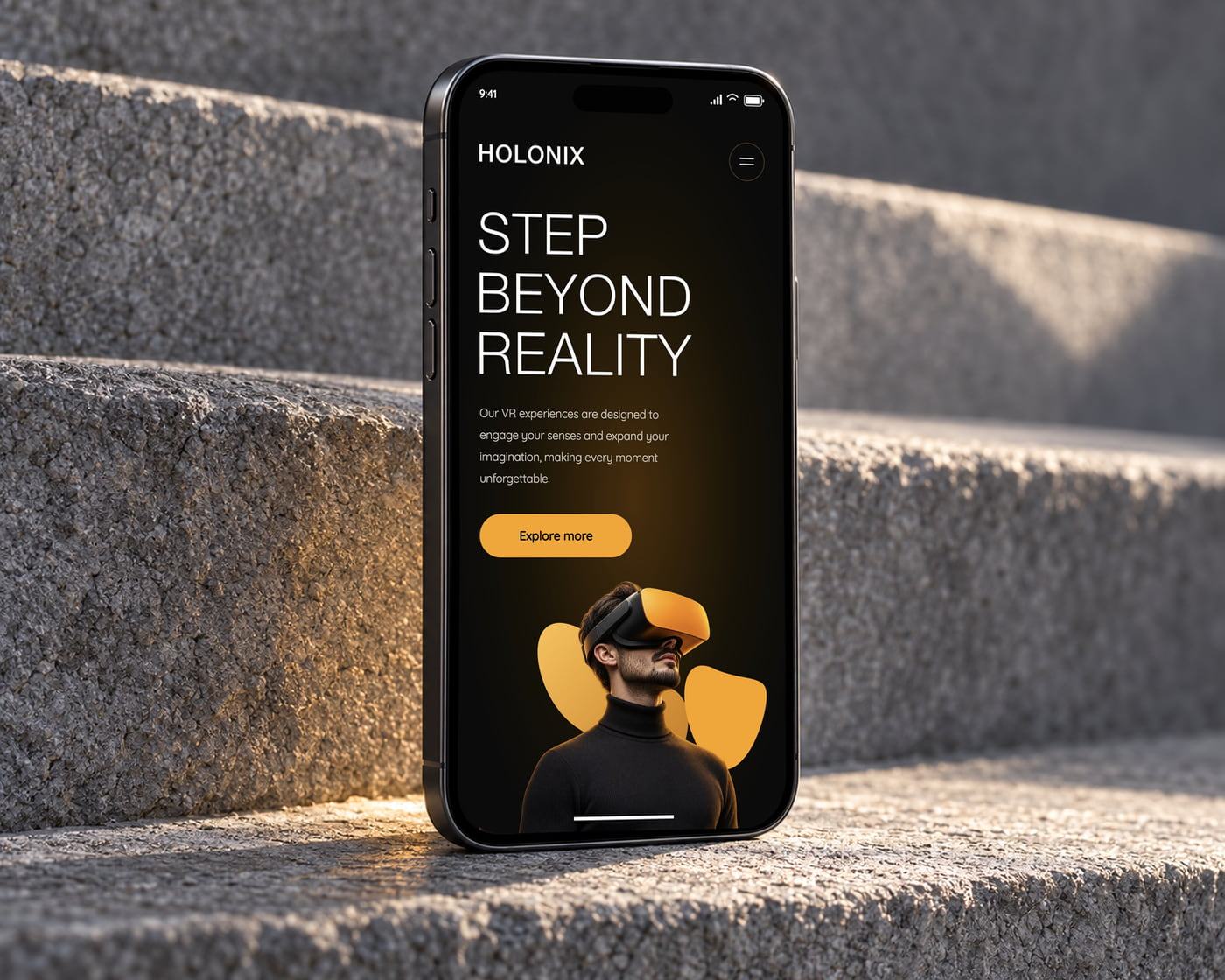
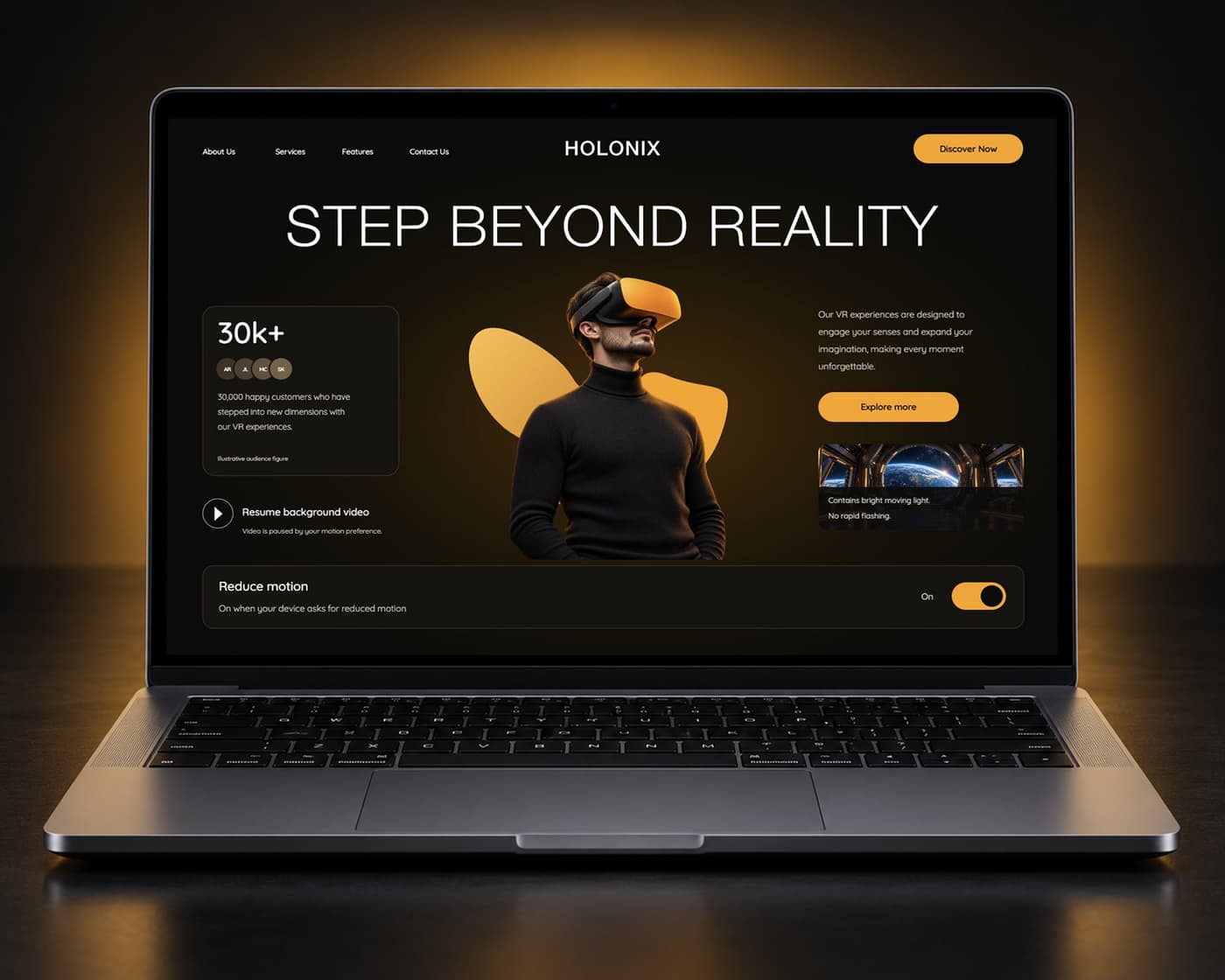
The design is black with a single amber accent. A figure in a headset stands in the middle of the page under a thin, wide headline: Step Beyond Reality. The menu, the wordmark and the two buttons stay small around it. On a phone the hero stacks: headline, text, Explore more, then the figure.
- One figure, one headlineThe headset leads the first screen.
- Black and one amberAmber for the figure and the buttons.
- Stacked for phonesHeadline, text, button, then the figure.
VR website development, from the trailer to the booked session
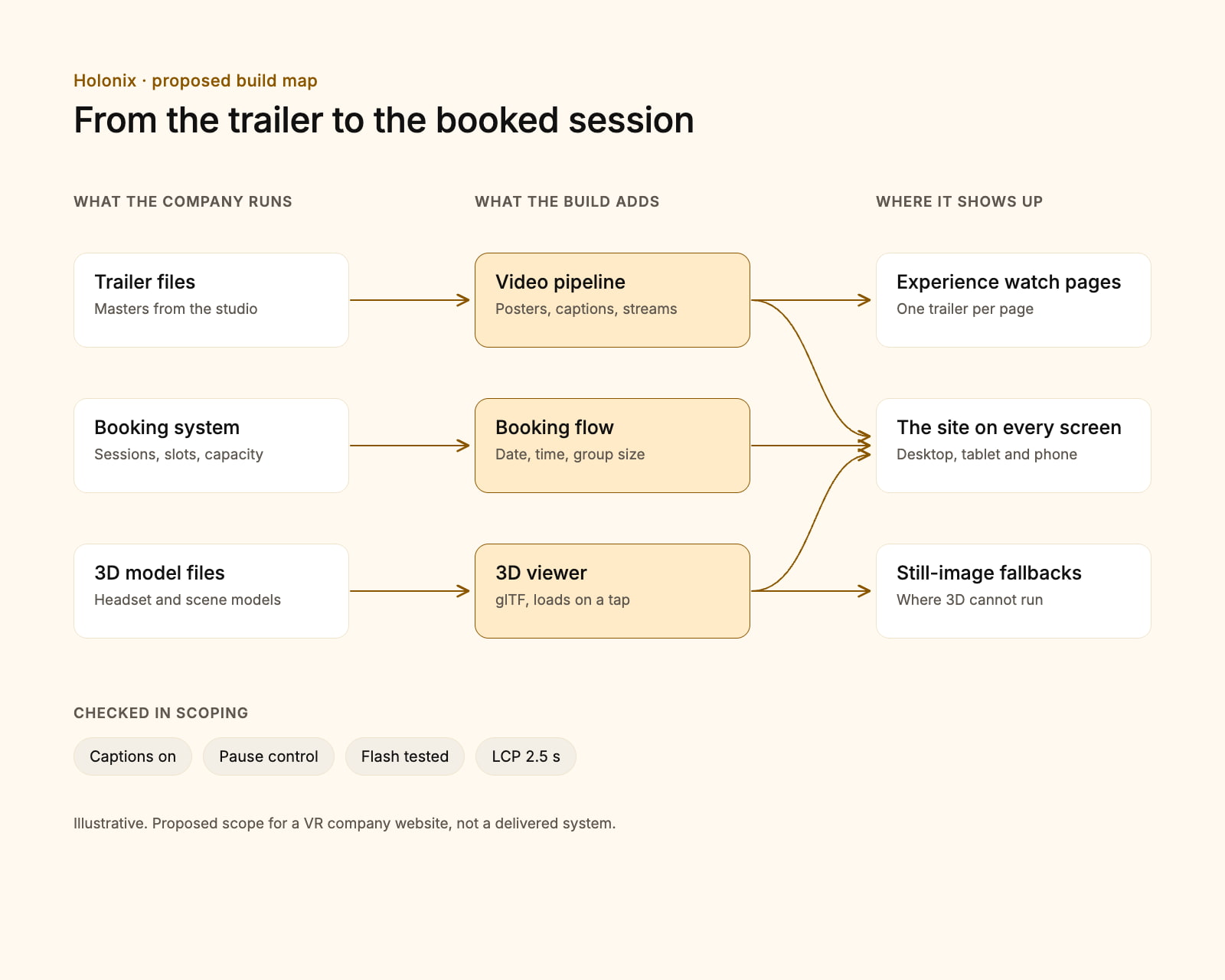
The pages are the part a visitor sees. A VR company website runs on four more parts behind them. Those parts decide most of the build. The experiences themselves come from the company’s own studio.
Trailers that load on request
A poster frame loads first, and the stream only after a tap. Every trailer has captions. Each experience gets one watch page, so search can find each video.3D that waits for the visitor
Headset and scene models ship in compressed glTF. They load after the page is usable, and only when asked for. A phone that cannot run them gets a still image.Booking from the venue’s own system
Sessions, times, group size and age guidance read from the booking system the venue runs. A full slot shows as full on the site.Motion a visitor can stop
Any moving background gets a pause control, and the reduced-motion setting is respected. Every trailer is checked for flashes before it goes live.
What the virtual reality website does
Every page turns curiosity into a plan. See what the experience is like, check it suits the group, and book a time.
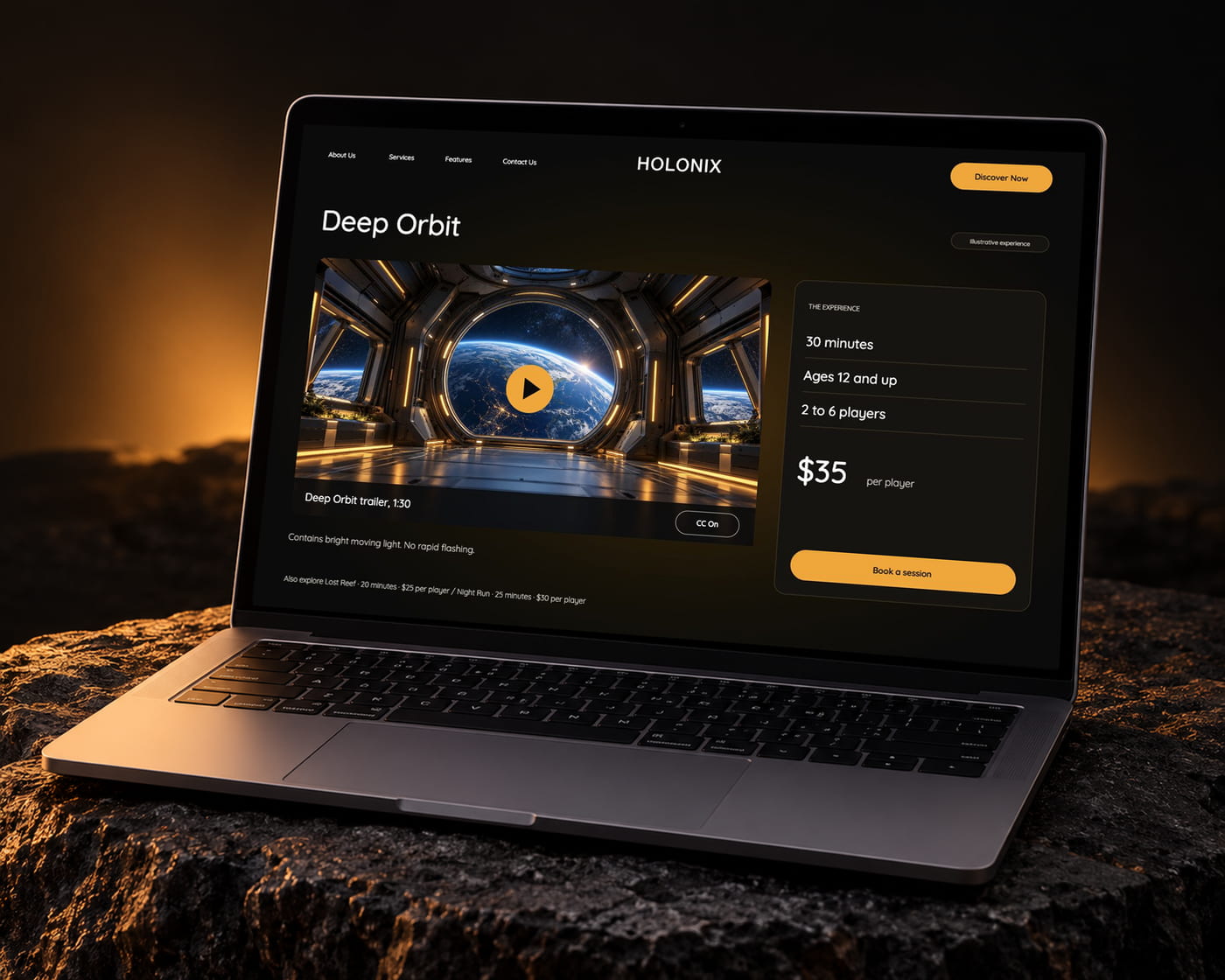
An experience page with its trailer
A poster frame with a play button, the length, age guidance and group size. A Book a session button sits beside the trailer, with captions on.
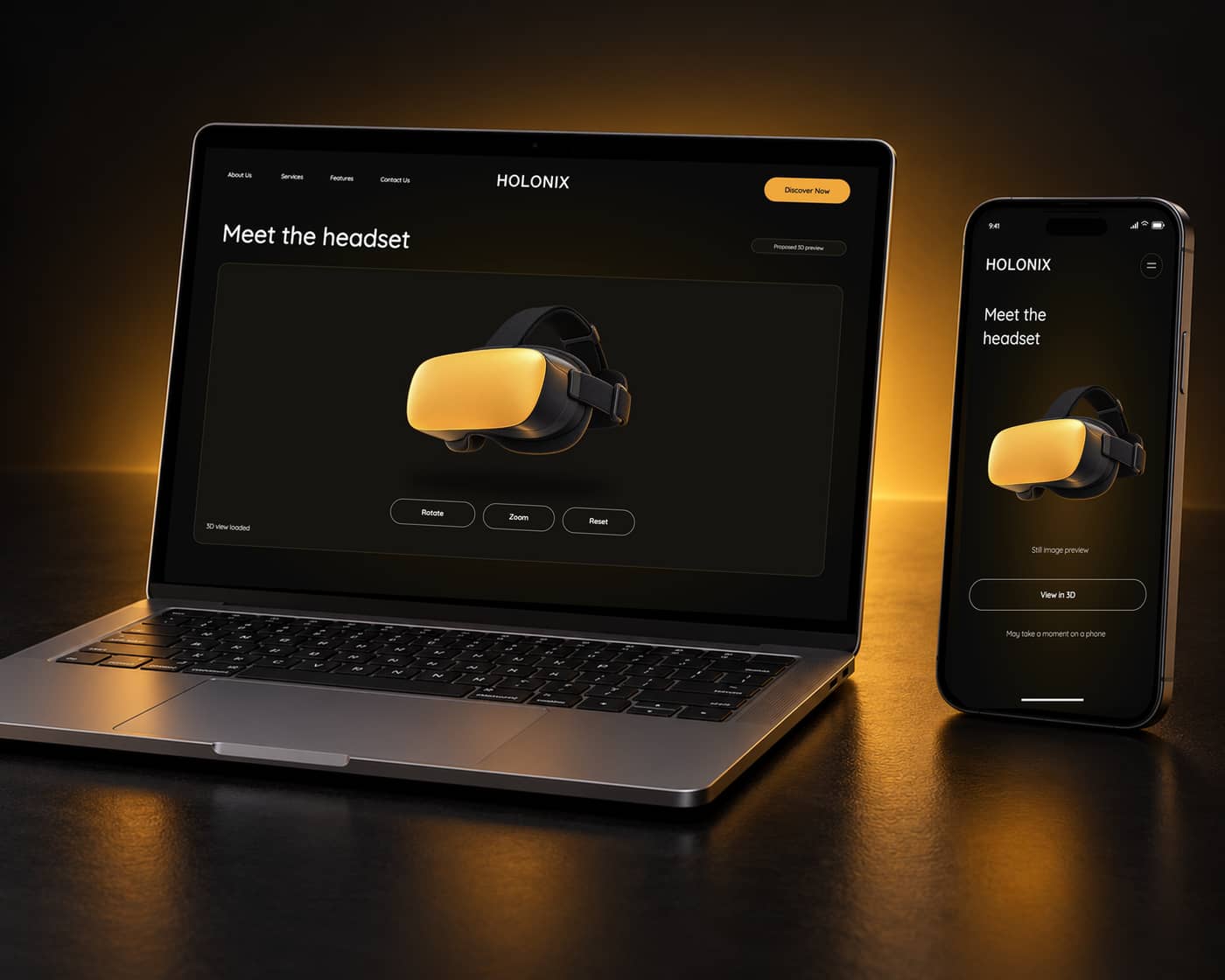
A 3D headset view that loads on a tap
A still of the headset shows until someone taps View in 3D. Then comes a model they can turn. A note says it may take a moment on a phone.
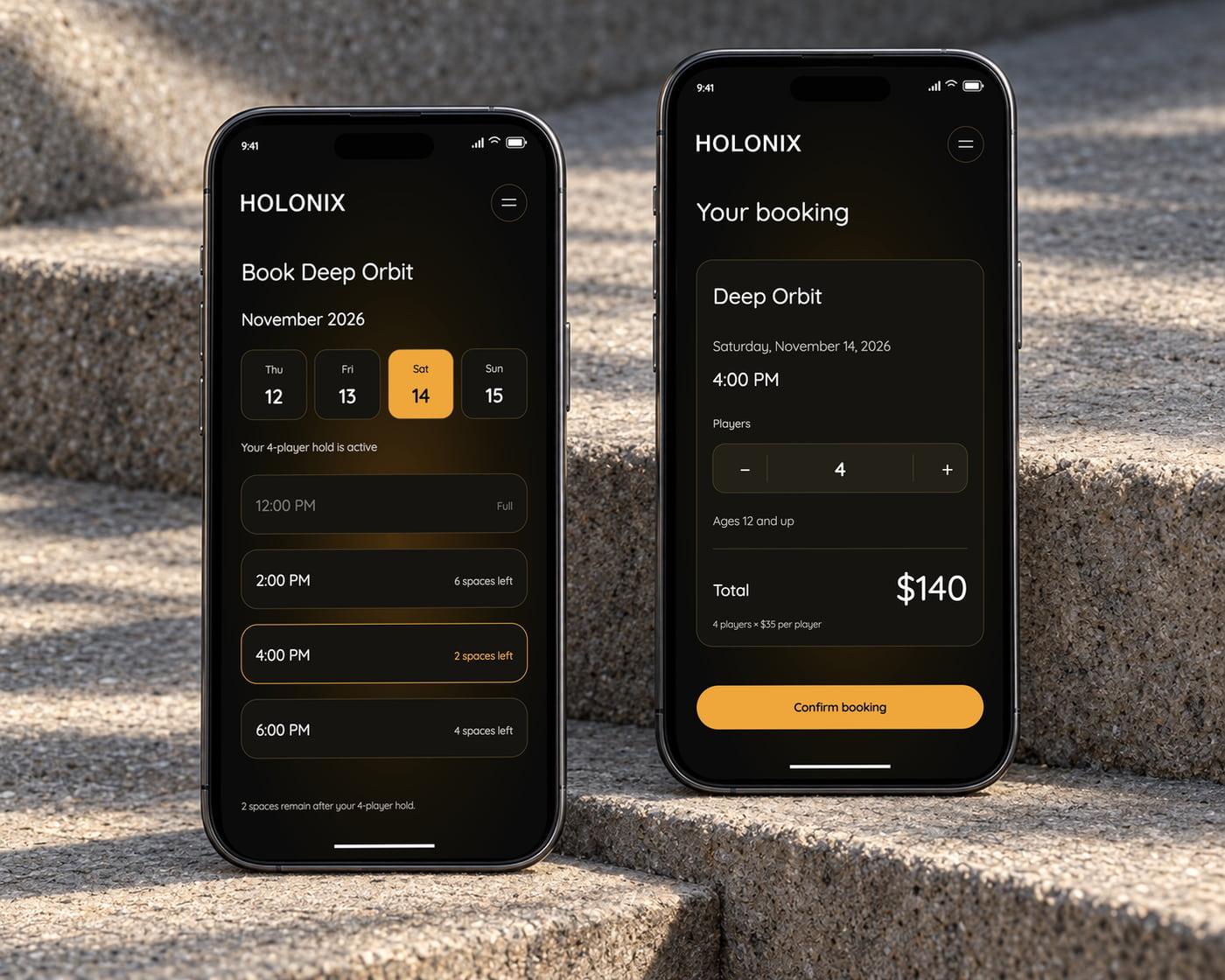
Session booking by date, time and group
A date strip, the times with spaces left, the group size and the price for the group. It ends in one amber Confirm booking button.
Motion settings in reach on every page
A pause control on the background video, and a reduced-motion switch that the device setting turns on. A flash notice shows before any trailer plays.
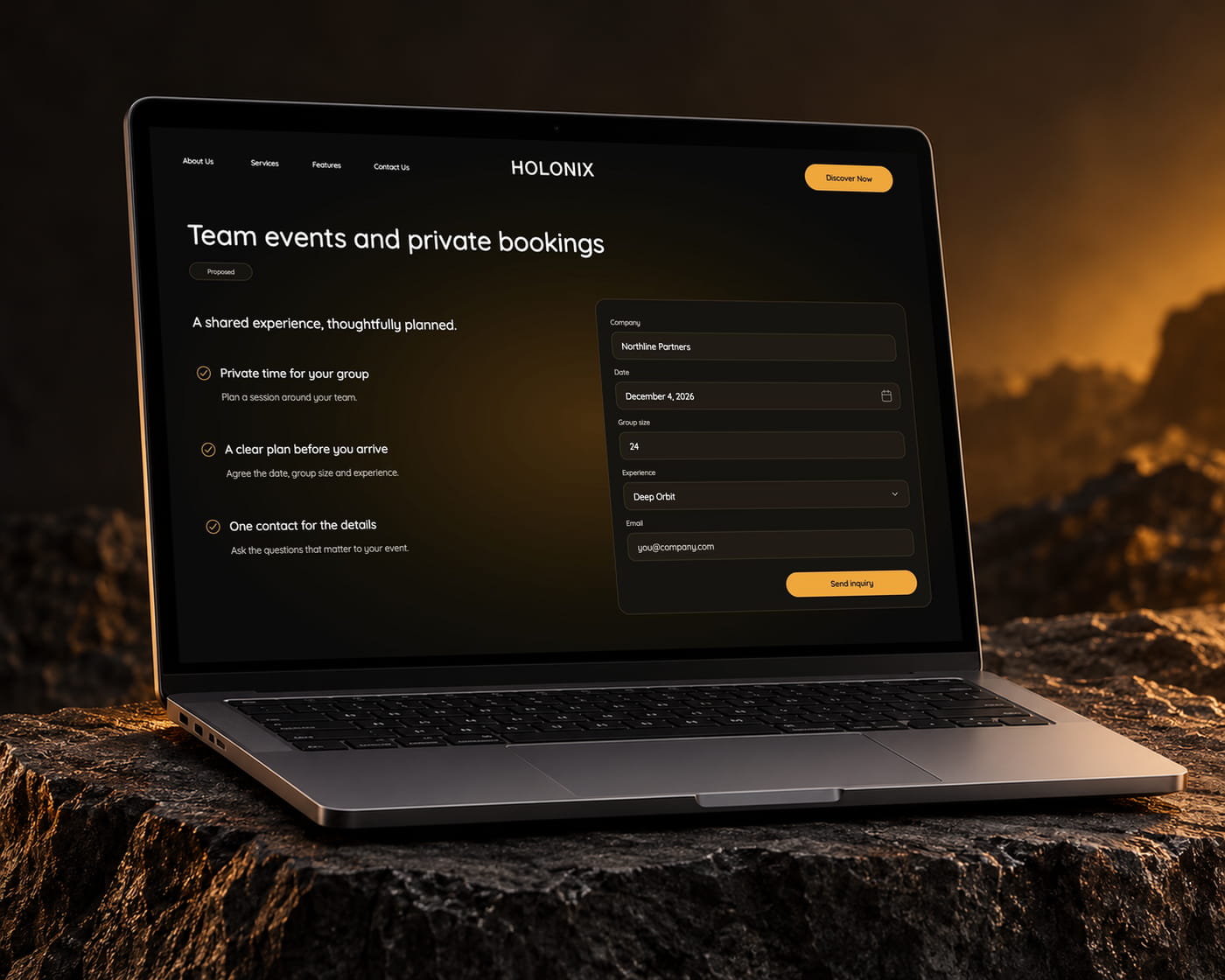
Group and event inquiries for businesses
Team events and private bookings get their own page. A short form for date, group size and the experience goes to the events team.
A wordmark that carries from the screen to the street
The wide capital wordmark on the site, in brushed metal and on the glass building. The black and amber come from the homepage.
The services behind this work: web design and web development. Planning something similar? Read our guide to website redesign cost.
Want a virtual reality website of your own?
Thirty minutes with the people who would design and build it: the experiences you show, how people book, and how much video and 3D the site carries.
 Mayursinh JadejaFounder
- Reply within 12 hours
- A quote within 48 hours of the call
- NDA before the first call
Before you brief anyone
Planning a VR company website? Settle these first
Let one picture carry the first screen. Then settle the button, the media and how motion stops.
Talk to our teamDecide what the first screen has to convey.
A VR experience cannot be shown on a flat screen. The hero image and the headline do the work a demo would. One strong picture does more than a collage.
Settle where the main button leads.
A session booking, a demo request and a group inquiry each need a different page behind it. Agree on the main one before the hero is designed. Give business groups their own route.
Plan video and 3D with speed and safety in mind.
Trailers and 3D models tell the story, but they load slowly and can flash. Decide where they appear, what a phone shows in their place, and how a visitor pauses them. Our web development team plans that budget before the build.
Then agree the scope before comparing prices.
Our web design service covers the desktop and phone layouts. Our guide to website redesign cost sets out what the budget depends on.
Questions about VR website design
If something here does not answer it, ask the founder directly.

Talk to the people who do the work
Speak with the team that would lead your project. We respond within 12 hours and can sign an NDA before the call.
Prefer email?info@redliolabs.com
What does VR website design include?
The homepage, a page for each experience with its trailer, booking, and group and event inquiries. The brand runs across them, designed for desktop and phone, with motion a visitor can pause. This project adds the wordmark: brushed metal letters and raised letters on a glass building.
Do you develop virtual reality websites as well as design them?
Yes. We design websites for VR and immersive technology companies through our web design service. We build them through our web development work. Trailers, 3D views and booking connect to the company’s own systems. The VR experiences come from the company’s studio. The VR website shown here is a client project: the site and the wordmark.
How do you put 3D and video on a website without slowing it down?
A sized poster image loads first, and trailers stream only after a tap. 3D models use compressed glTF and load once the page is usable. On a phone that cannot run the model, a still image takes its place.
How do you show a VR experience on a website?
We let one strong image or a short captioned trailer carry the first screen. Everything around it stays quiet. On this site, a black page with a single amber accent keeps the eye on the figure in the headset.
Should a VR company use a website builder or a custom build?
A builder suits a single venue with a few pages and a booking widget. A custom build pays when there are many experiences with trailers, 3D views or several locations. It also pays when the site has to connect to a booking system and group sales.
How much does a VR website cost?
The number of pages, the video and 3D work, and the booking connection set the scope. The price follows a scoping call. Our guide to website redesign cost covers the drivers.
What a VR company website has to get right before launch
A VR company website leans on video, motion and 3D. Each has a standard behind it for safety, access and speed.
3 flashes
Trailers checked for flashes
WCAG 2.2 at level A: nothing on a page may flash more than three times in any one second. The exception is a flash below the general and red flash thresholds.
W3C: Three Flashes5 seconds
Background video that can be paused
Some moving content needs a way to pause, stop or hide it, at level A. That covers content that starts on its own, runs longer than five seconds and sits beside other content.
W3C: Pause, Stop, HideCaptions
Captions on every trailer with sound
WCAG 2.2 at level A requires captions for all prerecorded audio in synchronized media. A trailer with a voiceover ships with captions.
W3C: Captions (Prerecorded)Watch page
One page per trailer for search
Google lists videos in video features from watch pages whose main purpose is one video. The page needs a valid thumbnail, and the video must not be hidden behind other elements.
Google video best practicesglTF 2.0
3D models in the open standard
Khronos’s glTF is a royalty-free format for loading 3D scenes and models efficiently. glTF 2.0 is published as ISO/IEC 12113:2022.
Khronos glTF2.5 s
A hero that loads before the 3D
A good Largest Contentful Paint is within 2.5 seconds at the 75th percentile. A hero video or model misses it unless a sized poster image loads first.
Core Web Vitals
We check the trailers, the motion and the media budget during scoping. The site launches safe to watch and quick on a phone.
More website projects like the virtual reality website
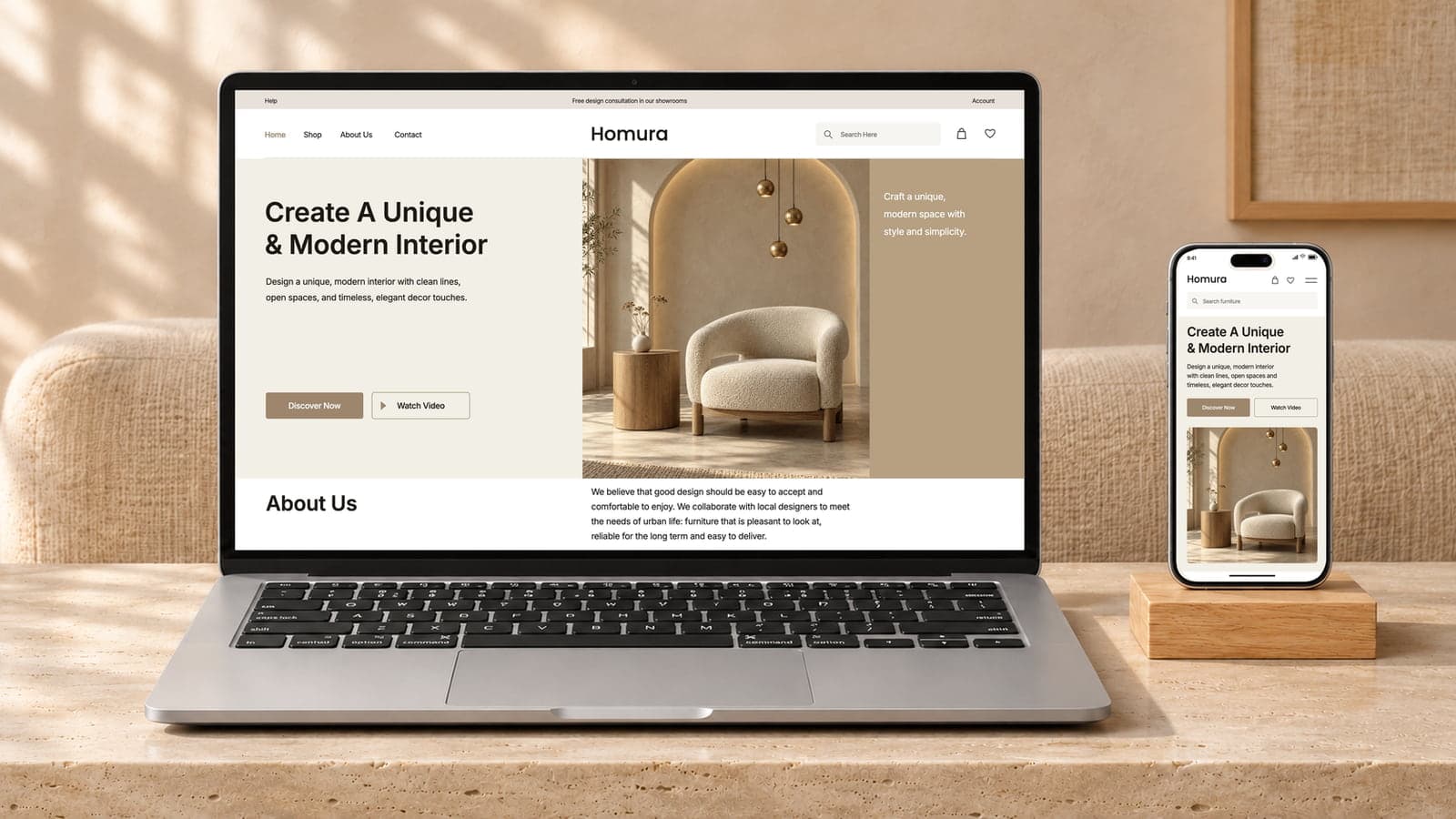
Client project
Furniture website design and development, from the showroom to the doorstep
A furniture store website, and the catalog, delivery and showroom booking behind it.
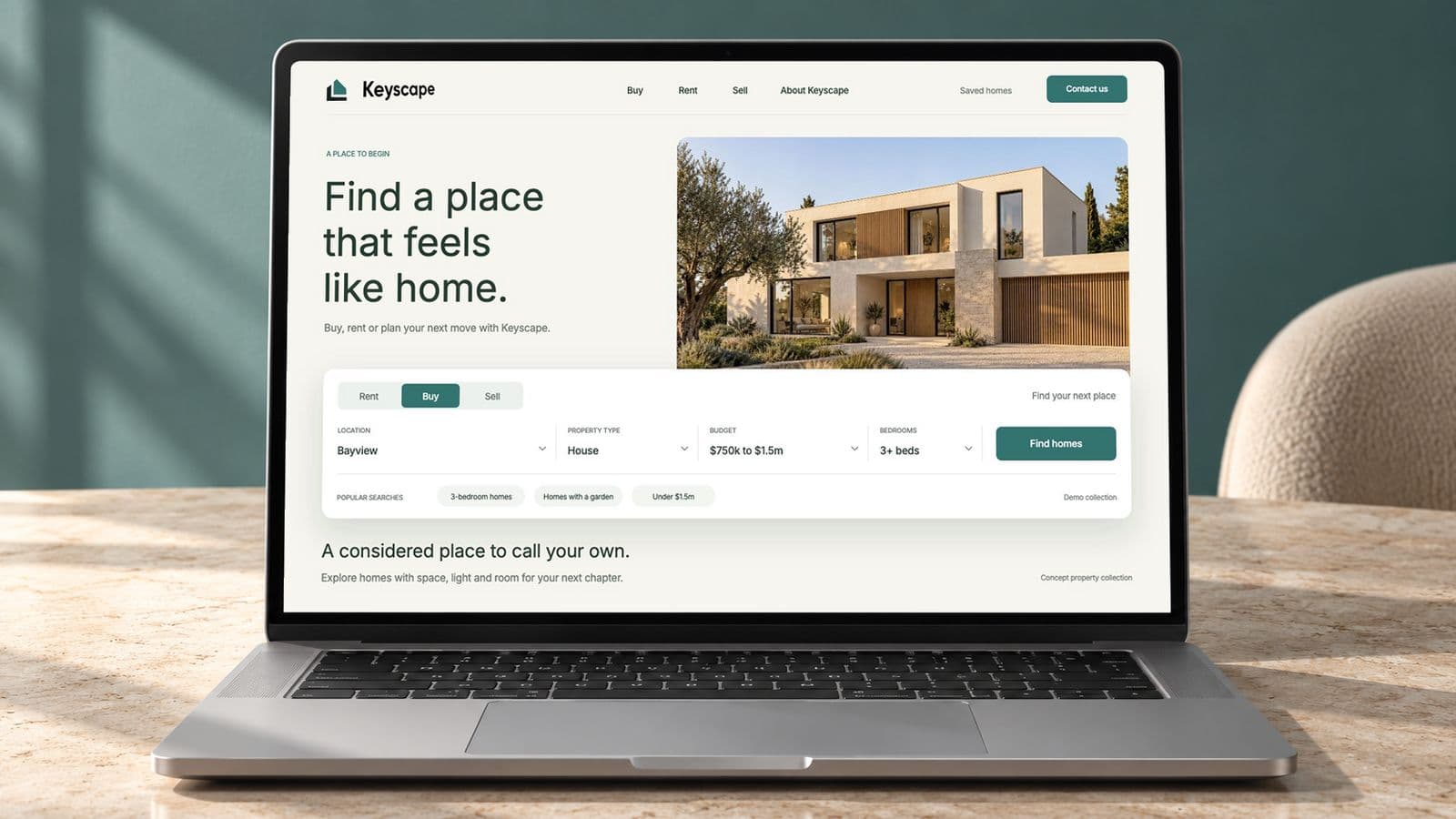
Client project
Real estate website design and development, built around one home search
A real estate homepage built around one search, and the IDX build behind it.
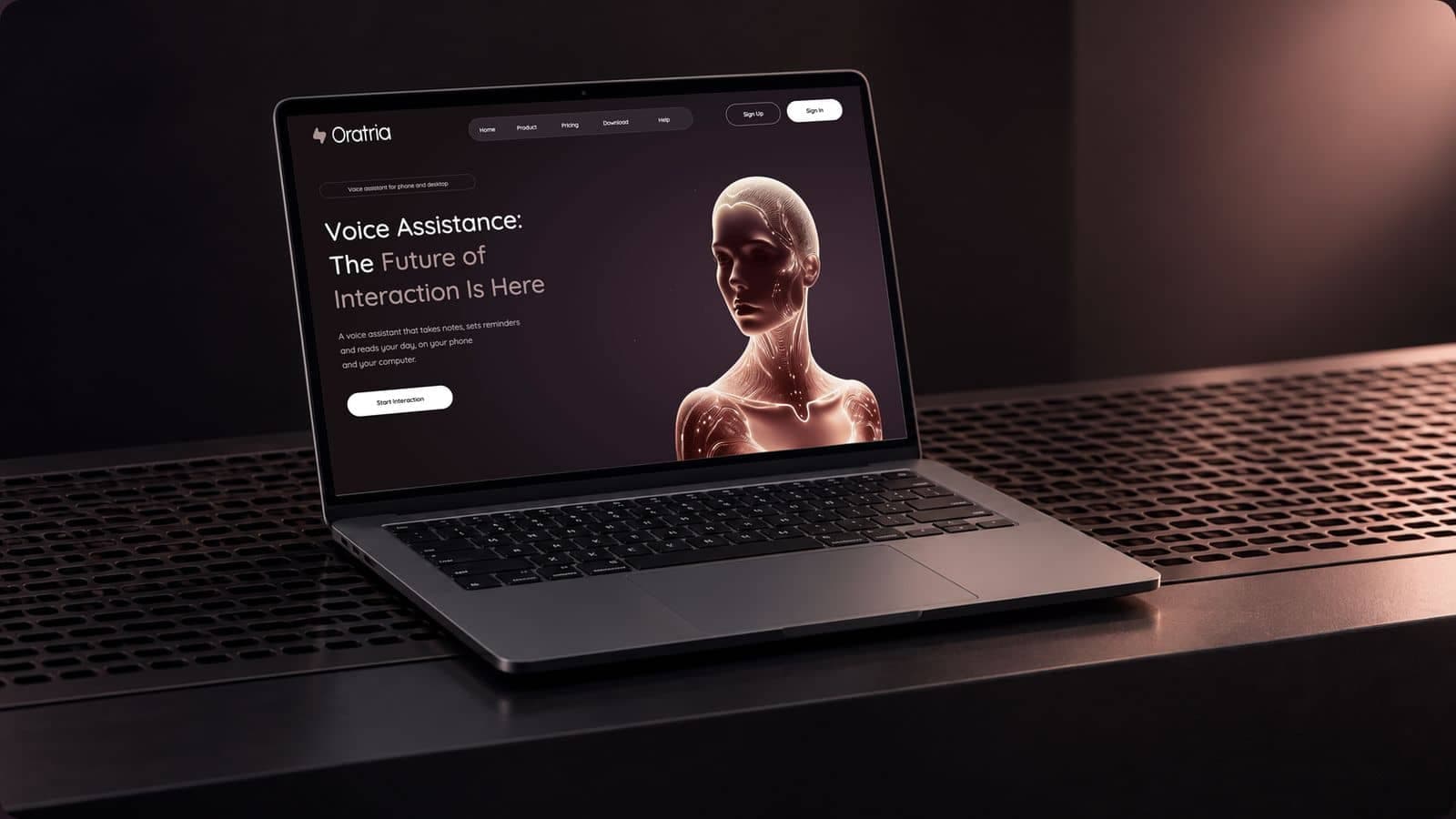
Client project
Software company website design and development for a voice assistant product
A dark website for a voice assistant product, and the downloads, accounts and billing behind it.
Who you’ll work with
The engineers you talk to are the engineers who build it
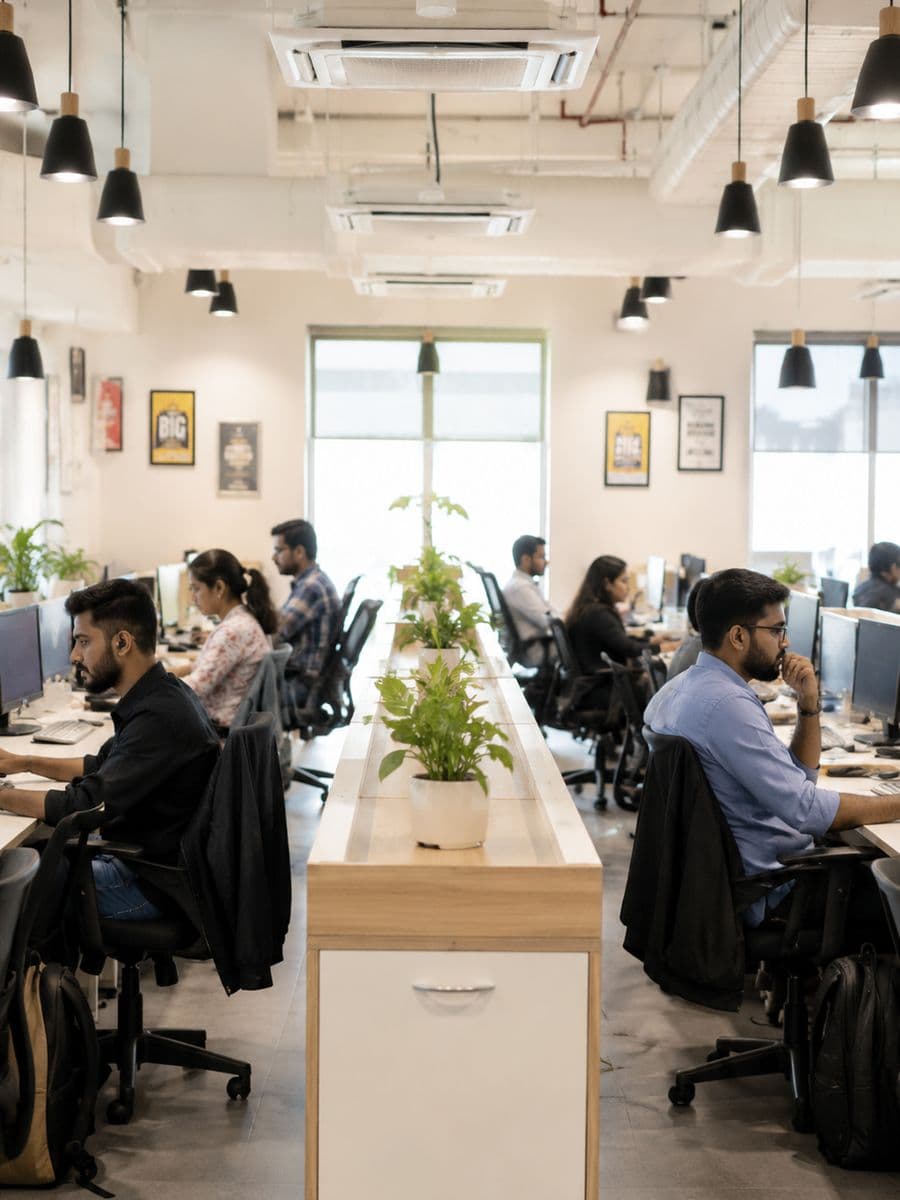
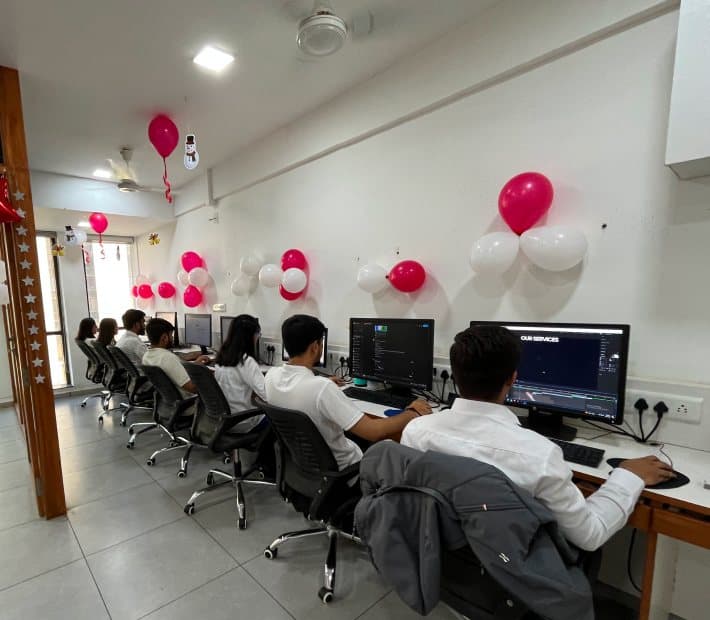
A team in Ahmedabad, India, working with clients around the globe. No account layer between you and the work.
- 2014
Building software since
Twelve years of systems for clients around the globe.
- 20
People on the team
Engineers, designers and project managers in one office.
- 6+
Years per engineer, minimum
Every engineer has 6+ years of experience. Project managers have 12+.
- 35+
Systems in production
Still running for the clients who commissioned them.
- 5.0
On Clutch and Google
15 Clutch reviews and 32 Google reviews, all public.
- 12h
Reply to every inquiry
And a written scope within 48 hours of the call.
Talk to us about a virtual reality website
Thirty minutes with the people who would design and build it: the experiences you show, how people book, and how much video and 3D the site carries.
- We reply within 12 hours
- A quote within 48 hours of the scoping call
- Direct access to the delivery team
- Peer-reviewed releases
- NDA before your first call

Mayursinh Jadeja
Founder, Redlio Labs