UI/UX design services built on user research and tested prototypes

Our UI/UX design services begin with research among the people who use a SaaS product, internal tool, dashboard or app every day. Prototypes are tested with them before any code is written. The handover is a set of Figma files with every state specified, and the same company can build what it designs.

  • Research with the people who use it daily
  • Prototypes tested with real users before any code
  • Figma handover with every state your engineers need

Reviewed by Mayursinh Jadeja, Founder ยท Last updated October 13, 2026

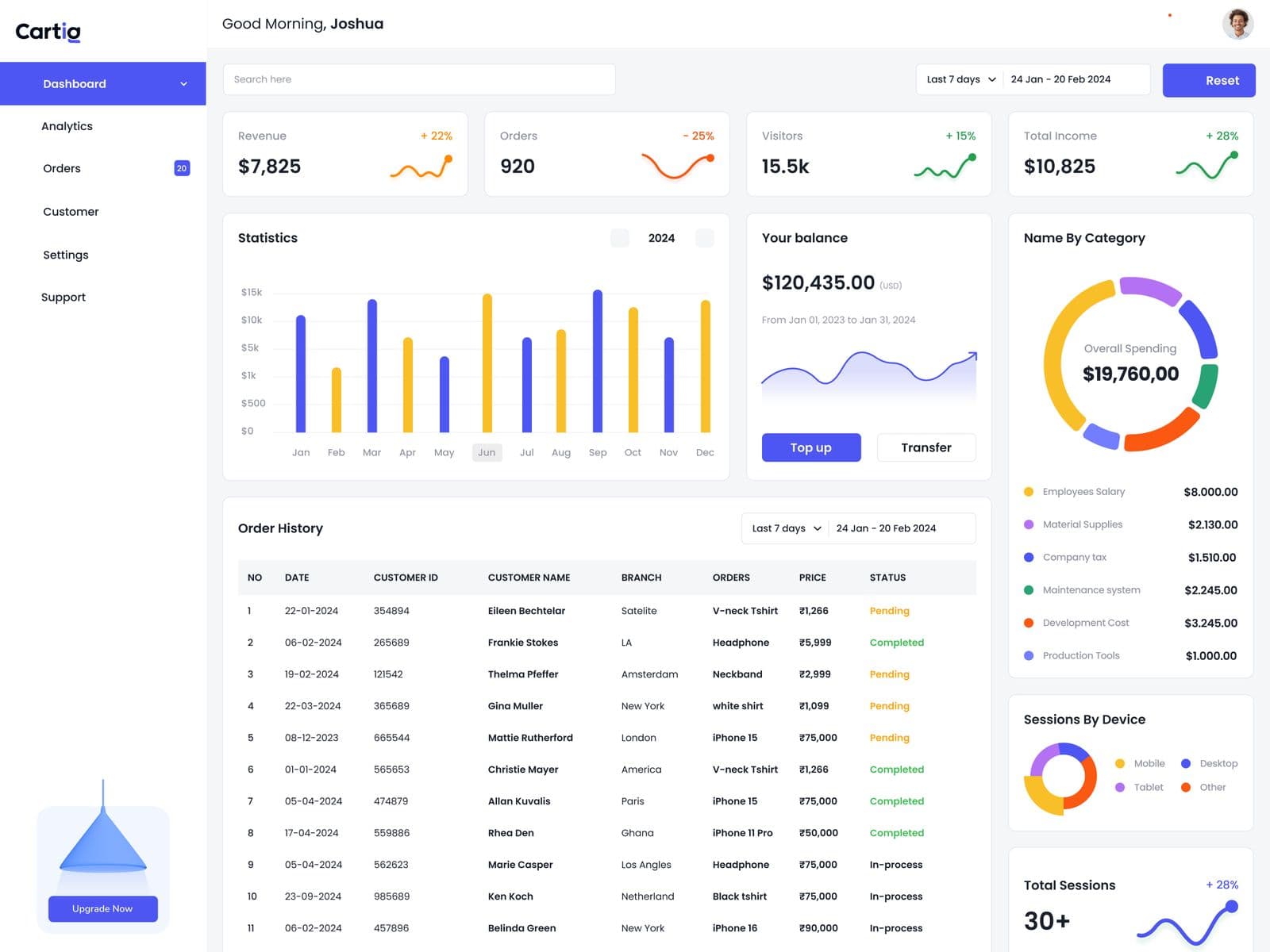
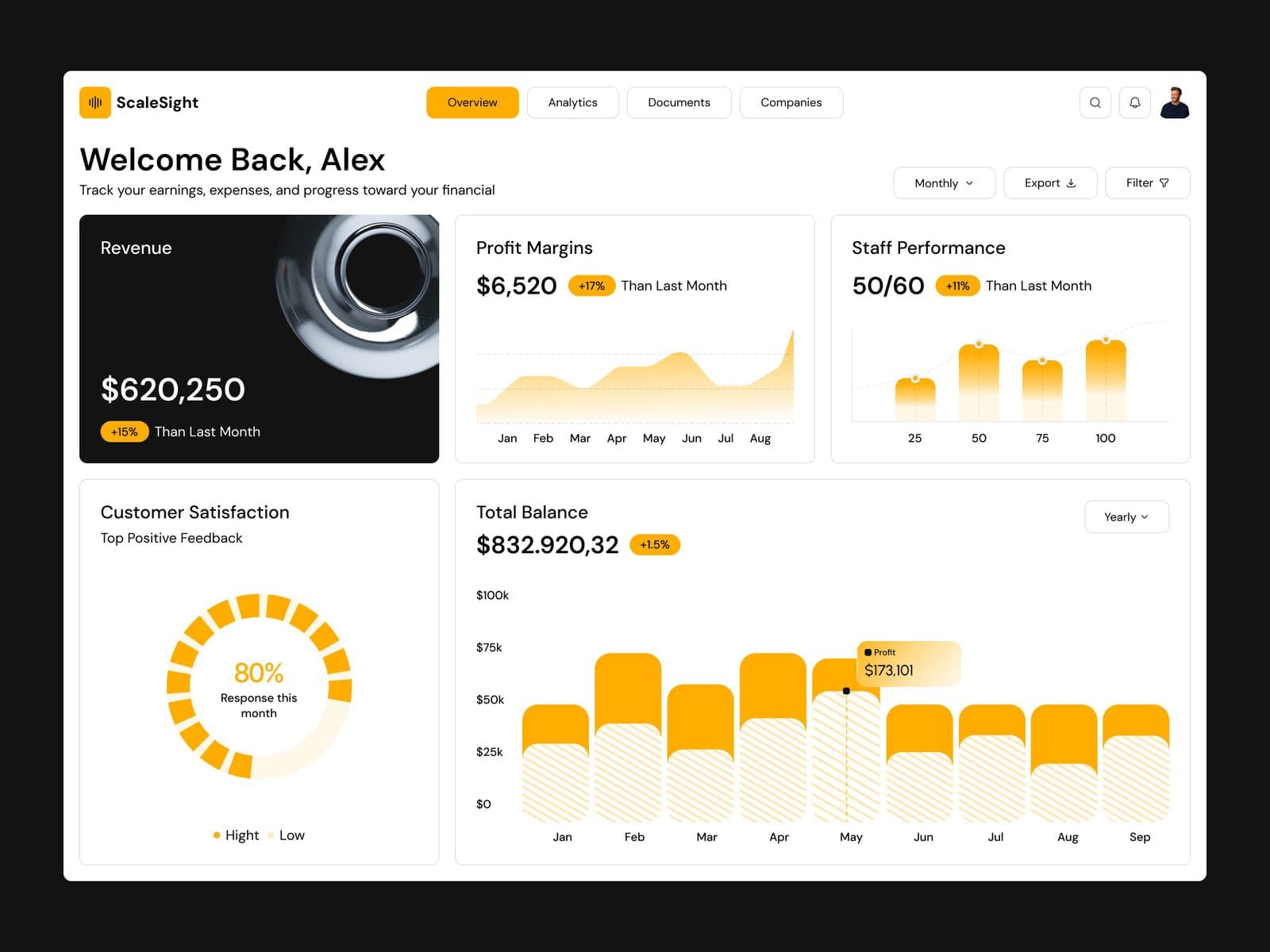
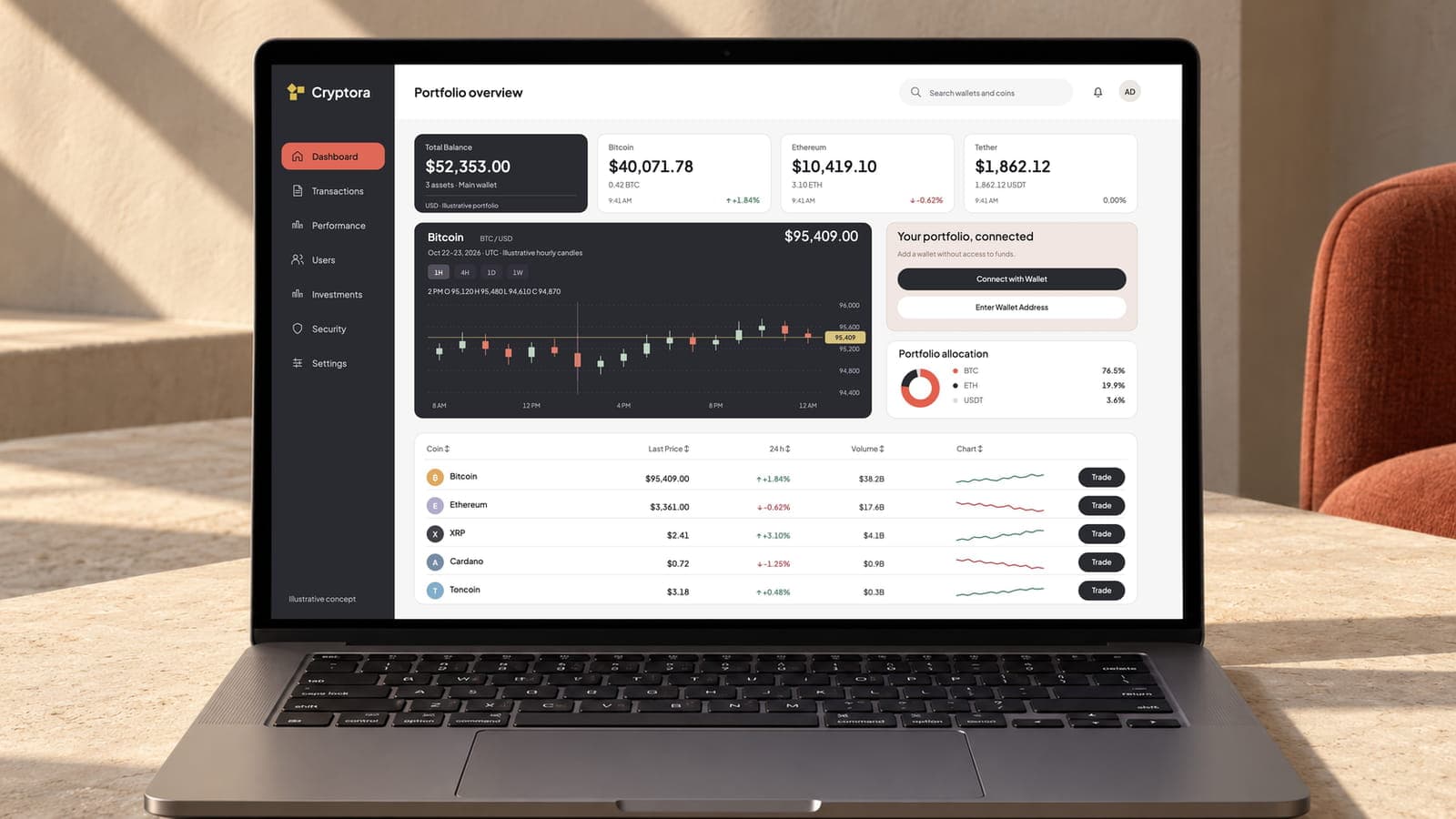
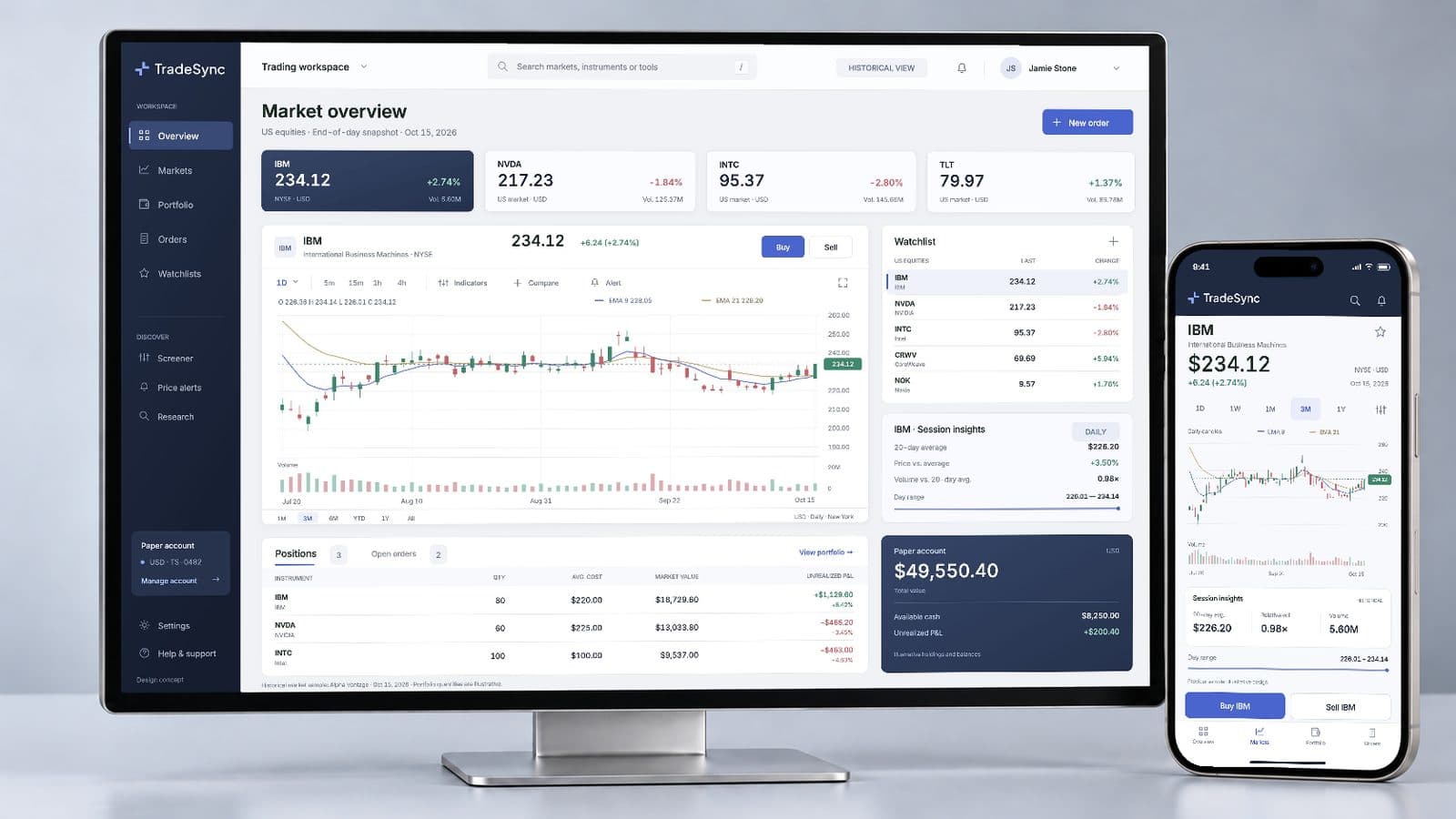
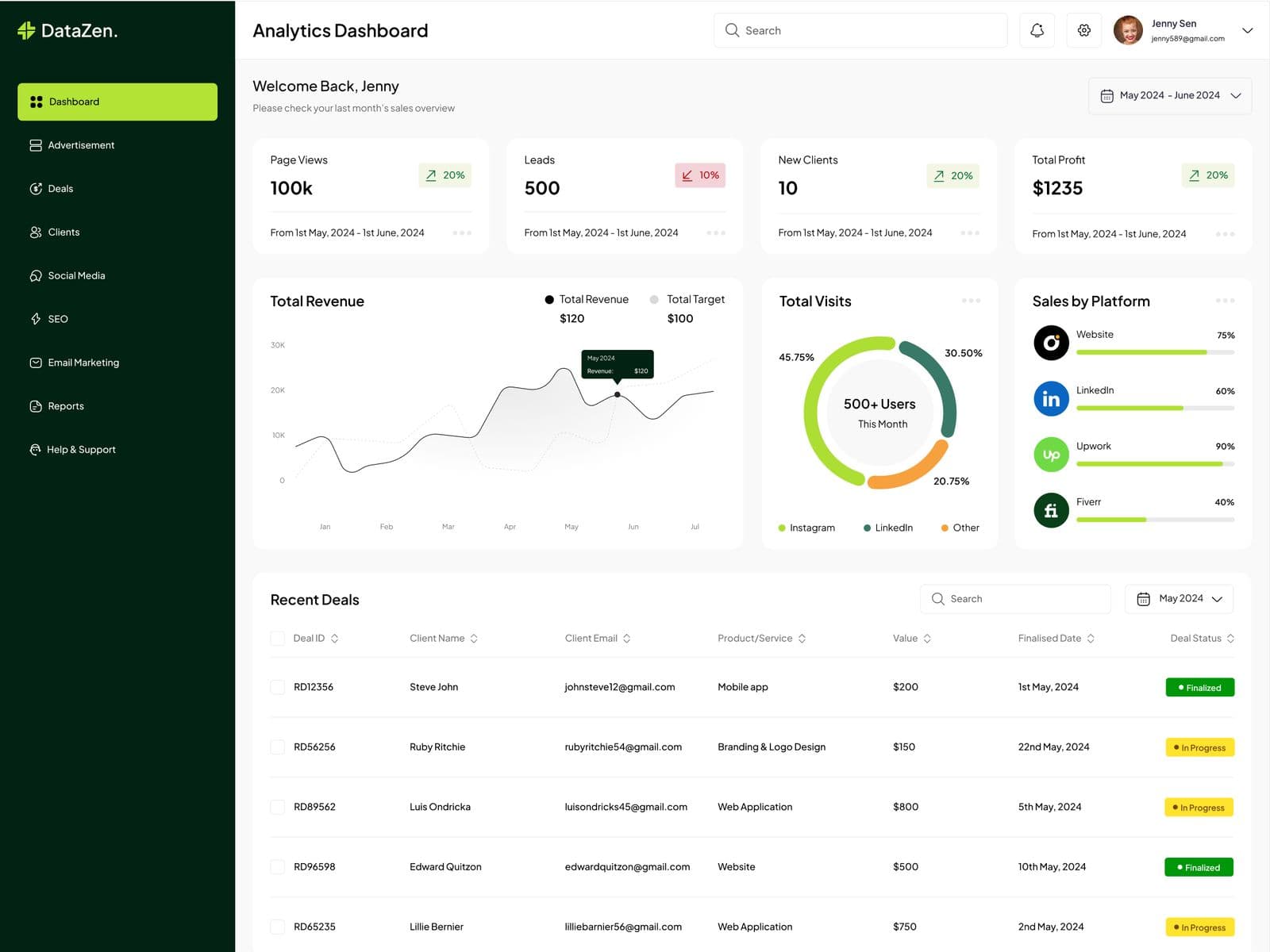
An analytics dashboard designed by Redlio Labs
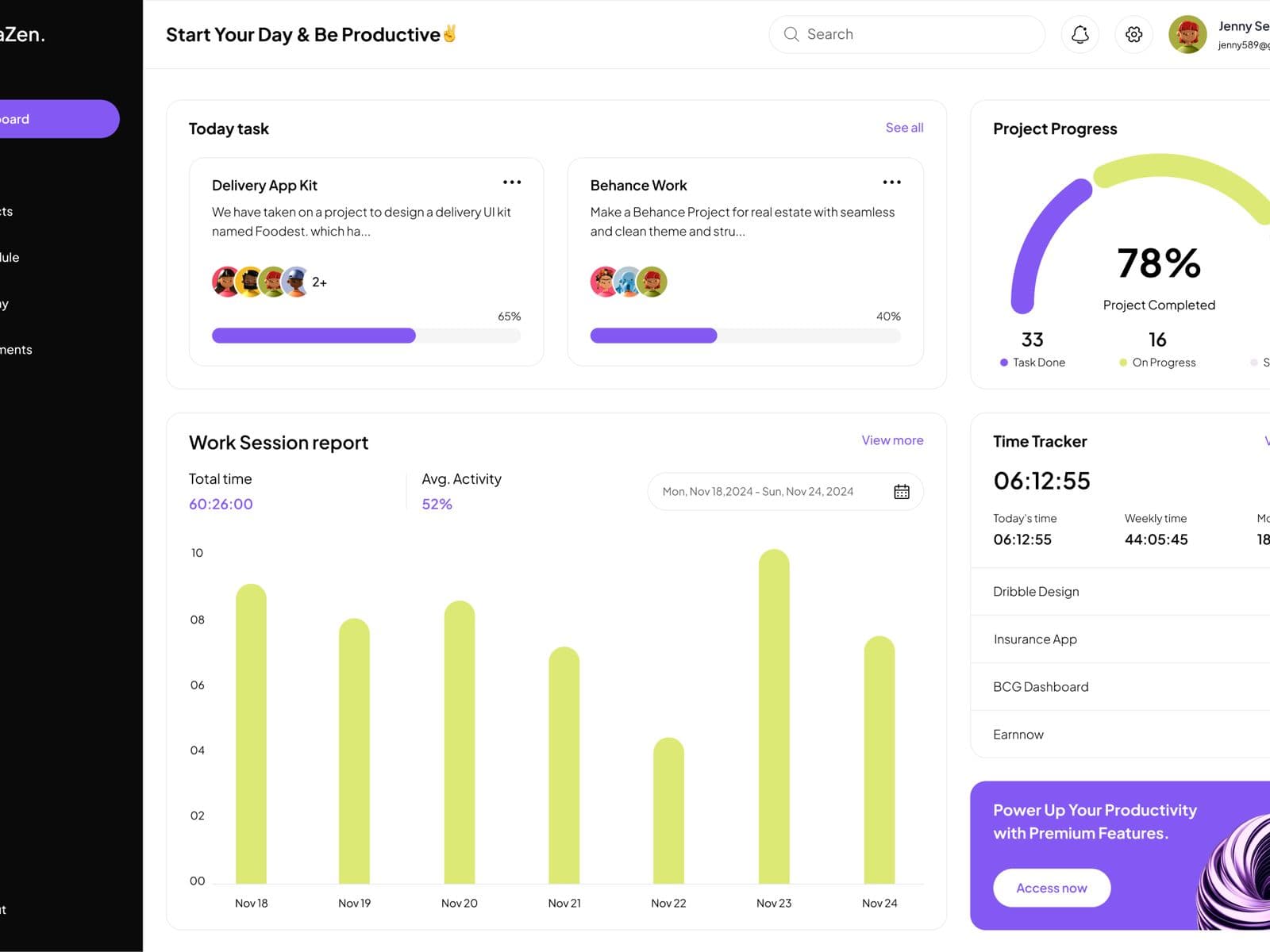
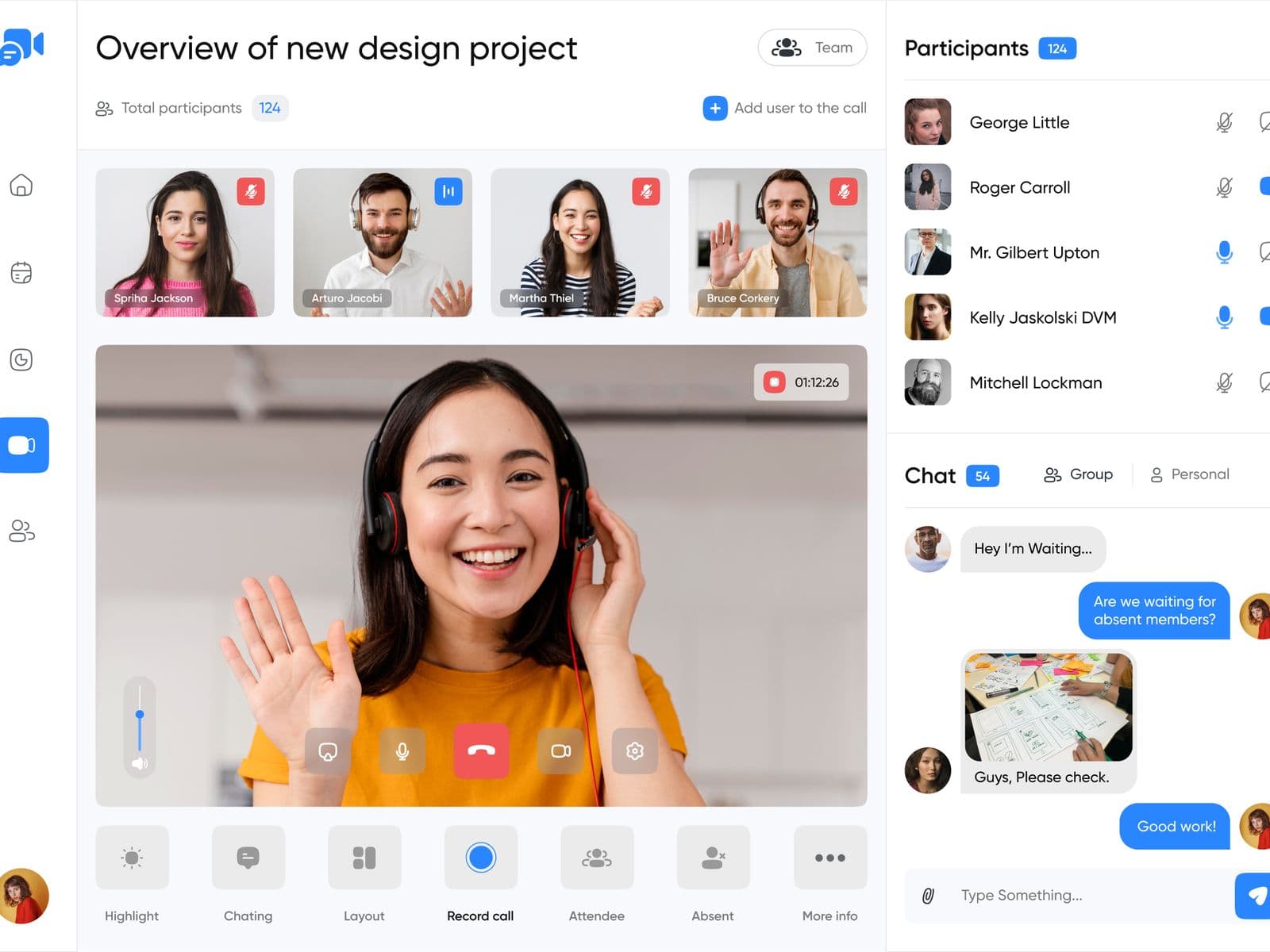
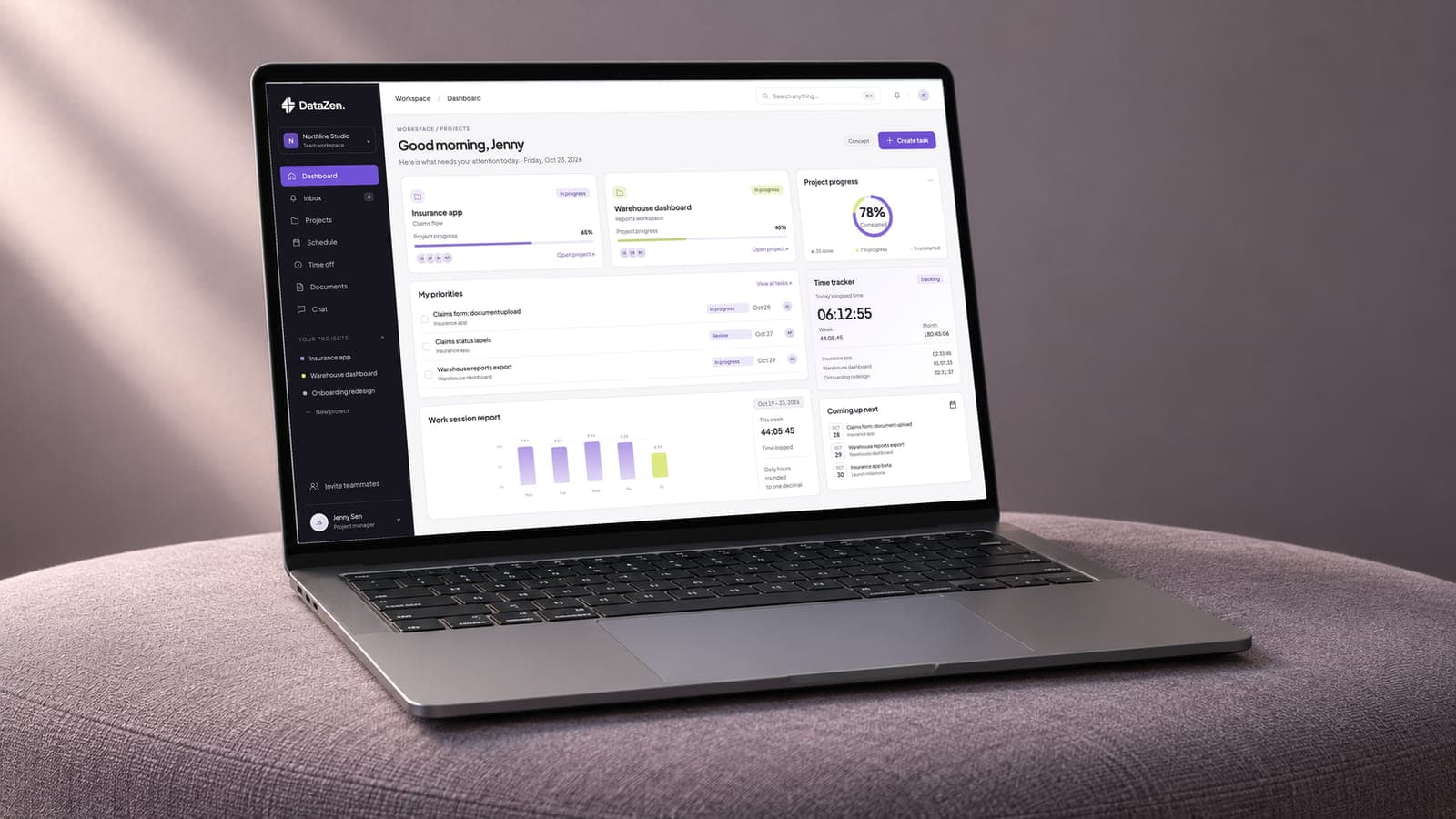
A project management dashboard designed by Redlio Labs

Rated 5.0 on Clutch and 5.0 on Google

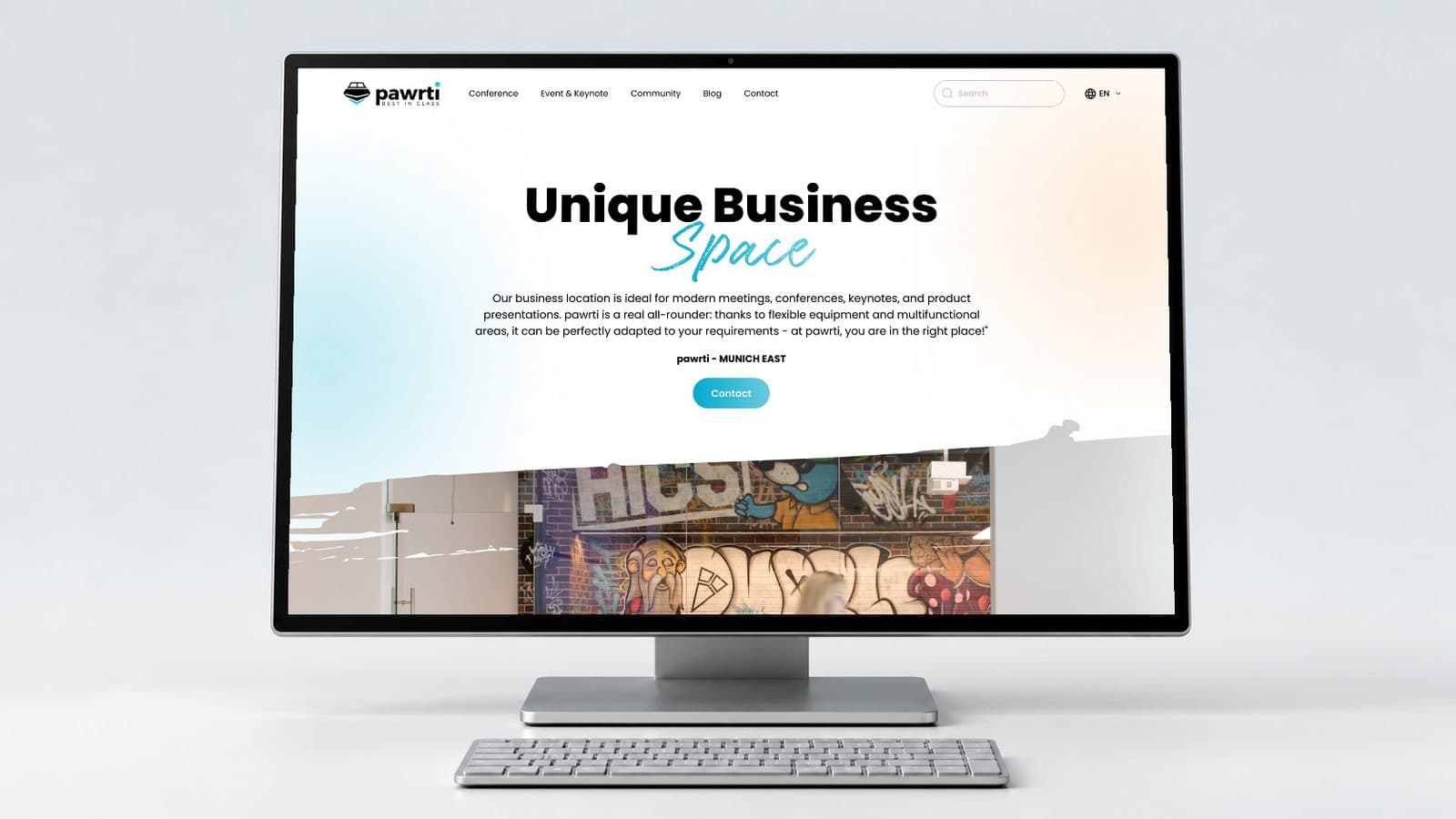
โ€œThey were available all the time, the whole team was highly engaged and very friendly all the time.โ€

Head of PawrtiVerified review on Clutch

Trusted by growing businesses

Our approach to UI/UX design

We design with the people who will use the product every day, because an interface that passes its review can still fail in training. That failure shows up months later as a workaround, a spreadsheet open beside the screen, or a colleague pointing out where a feature went.

We start with the few tasks done a hundred times a day and make those fast before anything else. We then test the flows and screens as prototypes with those users before any code is written.

We treat the handoff as part of the design. Our files specify the states for errors, empty screens and slow data, so your engineers build what was signed off instead of filling the gaps themselves.

Engineers at a row of workstations in an open office
  1. The real usersWe design with the people who use the product daily, alongside the people who sign it off.
  2. The daily taskWe make the few things done a hundred times a day fast before anything else.
  3. The handoffWe specify every state, component and rule, so your engineers can build it the way it was designed.

Our UI/UX design services

We offer six kinds of design work. A new product usually needs the first three. An existing one usually starts with a UX audit, which ranks what costs your users the most so it is fixed first.

  • UX research and audits

    Our UX research services cover interviews, task analysis, user personas and journey maps. We also run UX audits that rank what costs users most.
  • Design systems

    We build component libraries, tokens and rules your designers and engineers share, so each new screen is made from the same parts.
  • Usability testing

    We test interactive prototypes with real users before a line of code is written, and measure again once the product is live.

UI/UX design case studies

Client projects are told from the clientโ€™s own review. Design work is shown as work, with no client result claimed.

See all case studies

Client story

Six product screens for a US notary platform, each round sharper than the last

A US platform that connects people and companies with local notaries asked us to design its product in Figma: a landing page and six product pages covering sign-up, the dashboard, the calendar, orders, the profile and an overview.

The work ran in rounds. Each round of the clientโ€™s comments came back reflected in the next version, which is how an interface gets settled before a developer is paid to build it.

Client
Notary platform, United States
Designed
Landing page and six product pages
Tool
Figma
Cadence
Review rounds until settled

โ€œThe turnaround time was very quick.โ€

The client, on Clutch
Read the review on Clutch

Get a straight answer on whether design is the fix

Thirty minutes with the designers who would do the work. We ask who uses your product, what they do most and where it slows them down.

Mayursinh JadejaFounder

Request a scoping call
  • Reply within 12 hours
  • A quote within 48 hours of the call
  • NDA before the first call
  • A straight answer on fit

Dashboard design

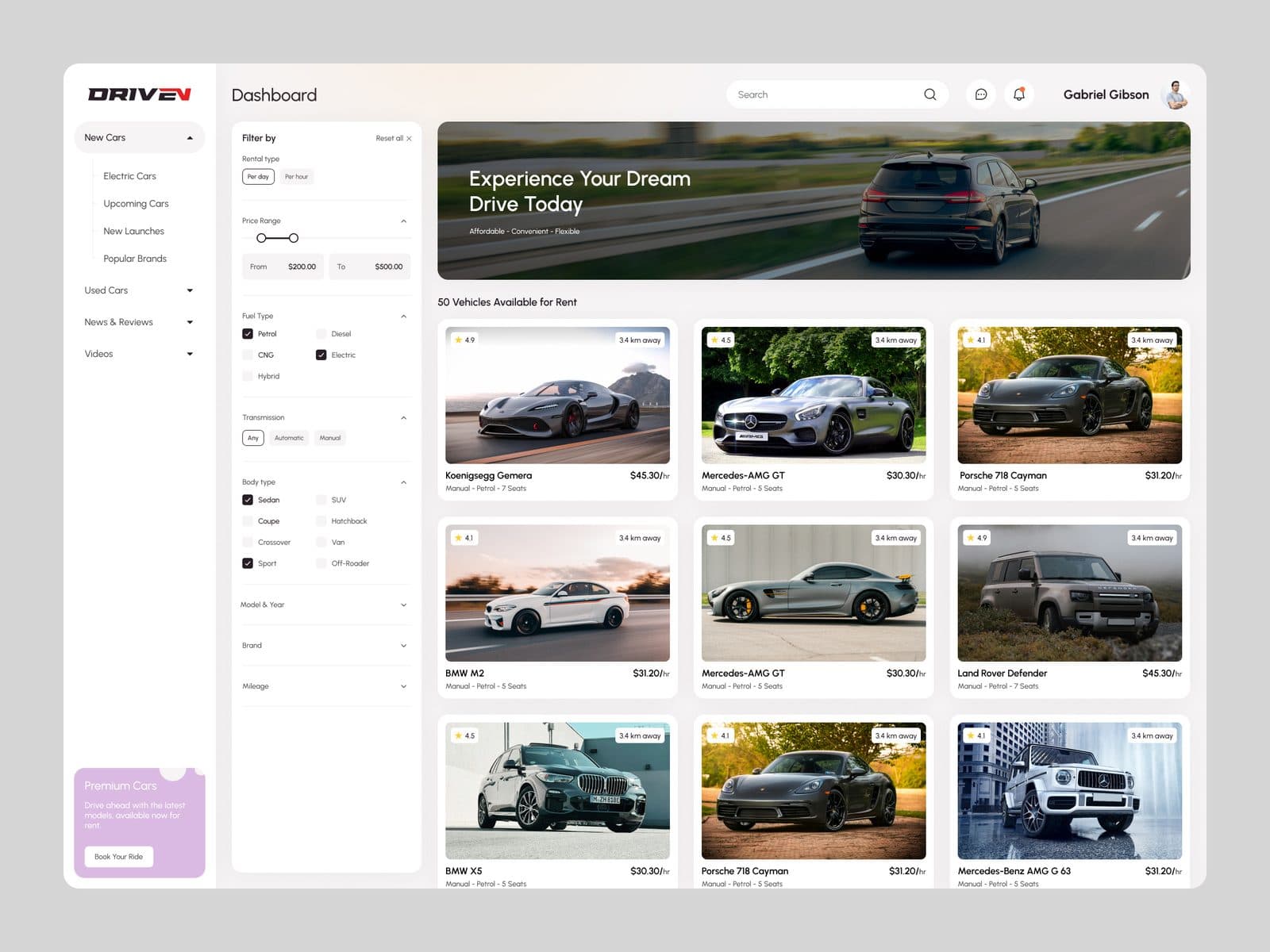
Dashboard UI design for data people act on

We design each dashboard around the decisions its readers make, so every view ends in something to do. Four rules shape the work.

  • One decision per view

    We build each screen to answer one question your team asks every day or every week.
  • Numbers with their comparison

    We put last month, the target or the norm beside each figure, so your team sees what the number means.
  • Drill-down that keeps context

    We let your team go from a total to the record behind it and keep the place they started from.
  • Speed as a design limit

    We design for your real data volumes and treat load time as a limit the design has to meet.

What UX audit services should deliver

We deliver the six things below in every UX audit, and we advise asking any UX audit agency or UX audit company for the same. The list holds for a website UX audit and for an internal tool staff use all day. Each audit ends in a ranked list of fixes a team can build from.

  1. The tasks users do most, and how long each one takes today
  2. Where users fail or give up, from analytics and from watching them
  3. Each problem ranked by how much time or revenue it costs
  4. A recommended fix for each, with the effort it takes to build
  5. Accessibility issues against a named standard
  6. The quick fixes separated from the ones that need a redesign

When UI/UX design is the wrong choice

Three cases where we will say so on the first call:

  • The problem is the product, not the screens

    A better interface will not save a product its users do not need. We advise testing the idea first.
  • No access to the people who use it

    We treat design without the people who use the product as guesswork. Where nobody can reach them, we advise settling that first.
  • Nobody will build it

    A design that never ships is only a cost. Where engineering capacity is the gap, we advise starting there, and we can provide both.

Design earns its cost when people use your product every day and the interface is what slows them down.

Our UI/UX design process, from user research to developer handoff

Step 1 of 5

Discovery

We map your workflows, systems, and constraints with the people who use them every day, before anything is scoped. For design, we interview and observe the people who use your product and review its analytics, so the scope rests on real use.

Discovery

  • Workflow map
  • Systems inventory
  • Constraints and risks
Two colleagues reviewing a reporting dashboard on a monitor

Why companies choose Redlio Labs as a UX design agency

  1. Designed with real users

    We design with the people who use your product daily, as well as the people who approve it.
  2. Files engineers can build from

    We specify every state, component and rule, so your engineers build from the design you signed off.
  3. Design and engineering together

    We also build software, so our designers work to what engineers can build.
  4. Measured on adoption

    We read success in adoption and task times after launch: how fast your people do their work.

Further reading on UI/UX design

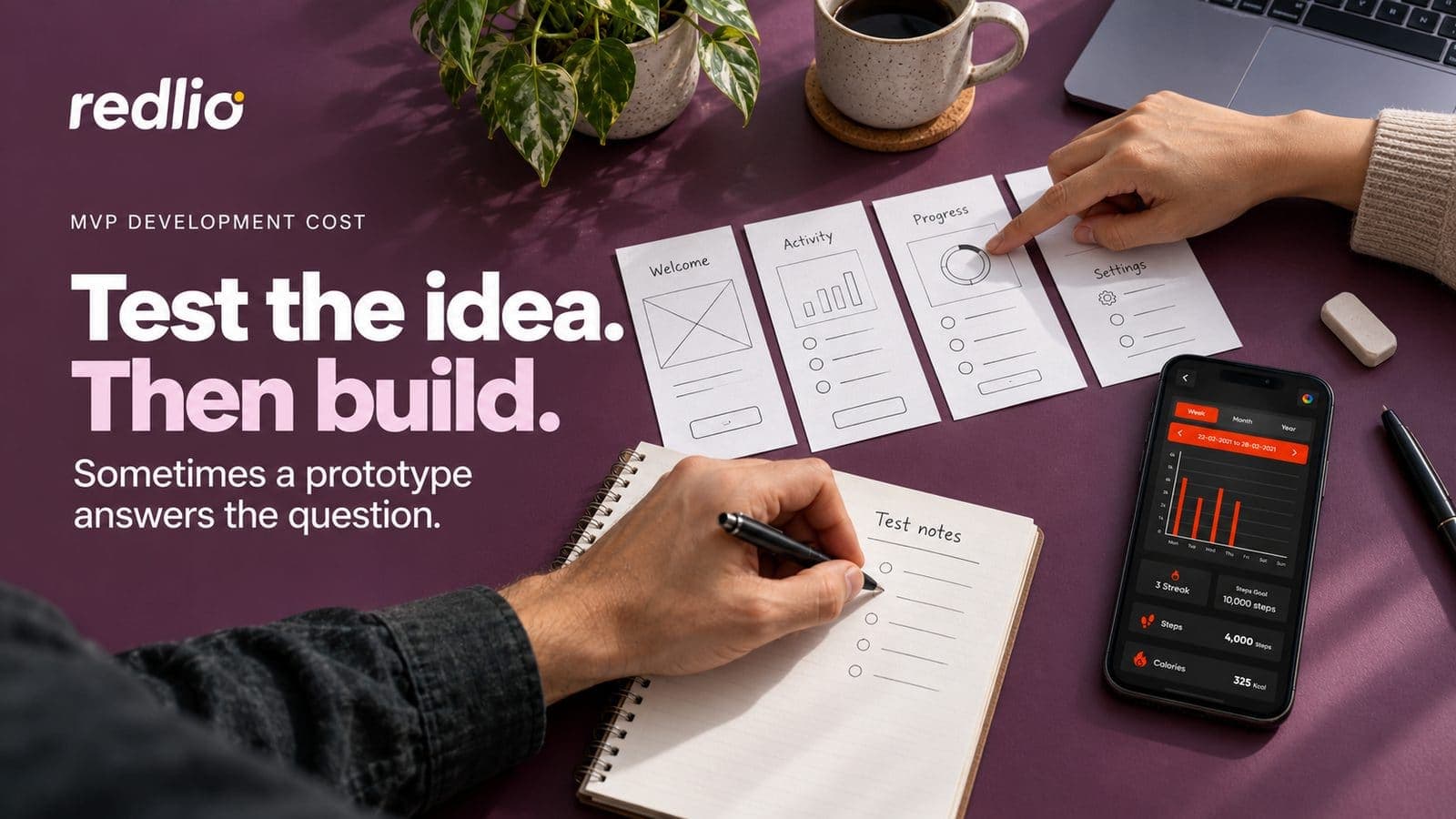
  • Testing paper app wireframes and recording findings before committing to an MVP build

    Software Development15 min read

    MVP development cost, and when a prototype is enough

    How to tell whether you need a prototype, an MVP or the full product, what published data says each first version costs in total and per month, which parts to build to last, and the answers that set a quote.

UI/UX design services and UX audit FAQs

If something here does not answer it, ask the founder directly.

Mayursinh Jadeja

Talk to the people who do the work

A 30 minute scoping call with the team that would take the project on. We reply within 12 hours.

Request a scoping call

Prefer email?info@redliolabs.com

What do UI/UX design services include?

Our UI/UX design services include research with the people who use the product, the flows and information architecture (UX), and the user interface design: screens, layout and visual design (UI). They also cover a design system with its component library, interactive prototypes tested with users and a handoff your engineers can build from. Most projects need all of it. Some start with a UX audit to find where to begin.

What is the difference between UX and UI design?

UX design decides how a product works: the information architecture, the flows and what happens at each step, including errors and edge cases. UI design decides how it looks and reads: layout, type, color and components. We do both in one team, because a clear flow on unclear screens still fails, and so do polished screens on a confusing flow. We settle the UX first and test it as interactive prototypes, then finish the UI on the flows that passed.

What should a UX audit service deliver?

A UX audit service should deliver what ours does: a ranked list of fixes, each with the effort it takes to build. We review your product against how people use it: the tasks they do most, where they fail, and what each problem costs in time or revenue. That ranking lets your team decide what to build first.

What decides a UX audit price?

We set a UX audit price by how much of the product is in scope and how the evidence is gathered. The drivers are the number of flows we review, whether we watch users at work or rely on analytics alone, and whether we check accessibility against a named standard. We scope those first and price against them.

How much do UI/UX design services cost?

We price UI/UX design services on three things: the number of flows and screens, the research involved, and whether a design system is part of the work. We scope those first and quote against them.

How long does a UI/UX design project take?

We set the timeline for a UI/UX design project in scoping, because it follows the number of flows, the research involved and the rounds of usability testing. We rank the flows by how often people use them and design the most used first, so the screens that matter most are settled earliest. Where engineers are waiting, we hand over in stages, flow by flow, instead of holding everything for one final file.

How do you hand designs over to developers?

We hand designs over in Figma, with components, every state (loading, empty, error) and the rules for spacing and behavior written down. Our designers stay available through the build, so your engineers get answers instead of guessing.

Do you design for accessibility?

Yes, we design for accessibility. We treat contrast, keyboard use, screen reader labels and readable type as part of the design, and check them against a named standard rather than leaving them to the end.

Can you redesign an existing product?

Yes, we redesign existing products, and we start with an audit. Our UI/UX audit services rank what costs your users the most, so the redesign fixes those problems first and keeps what already works.

Are you only a product design agency, or do you build the product too?

We are a UI/UX design company that also builds the product. As a product design agency we handle the research, flows, screens and design system, and the same company builds what it designs: custom software, SaaS products and web applications.

Talk to the designers who would work on your product

Tell us what your product does and who uses it every day. We reply within 12 hours, sign an NDA before the first call and set up 30 minutes with the designers who would do the work. We then give a straight answer on whether design is the fix.

Prefer email?info@redliolabs.com

We use what you send to understand and answer your inquiry. Privacy policy

  • We reply within 12 hours
  • A quote within 48 hours of the scoping call
  • You talk to the people doing the work, never an account manager
  • Peer-reviewed releases
  • NDA before your first call
Mayursinh Jadeja

Mayursinh Jadeja

Founder, Redlio Labs

Rated 5.0 on Clutch and 5.0 on Google