
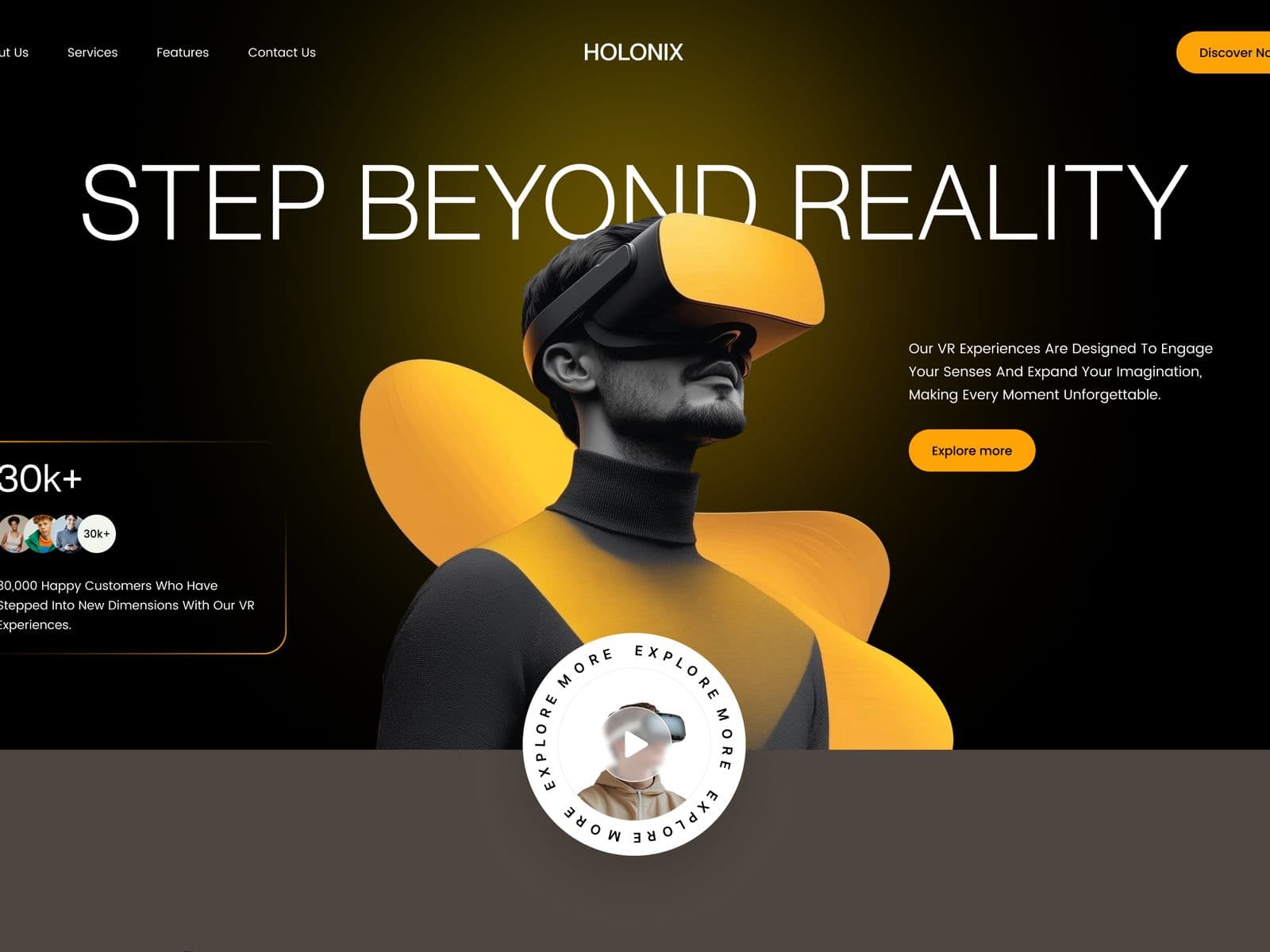
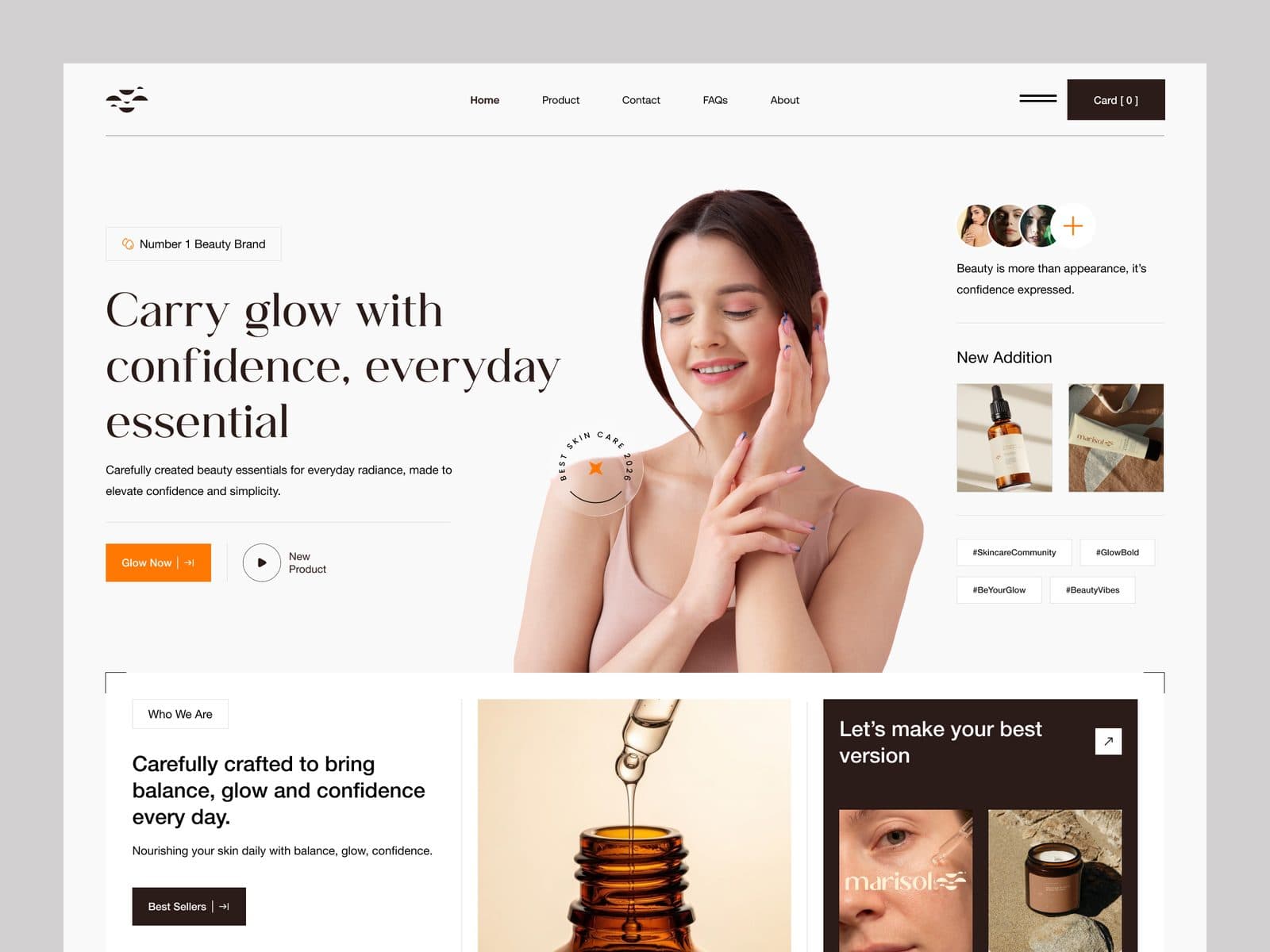
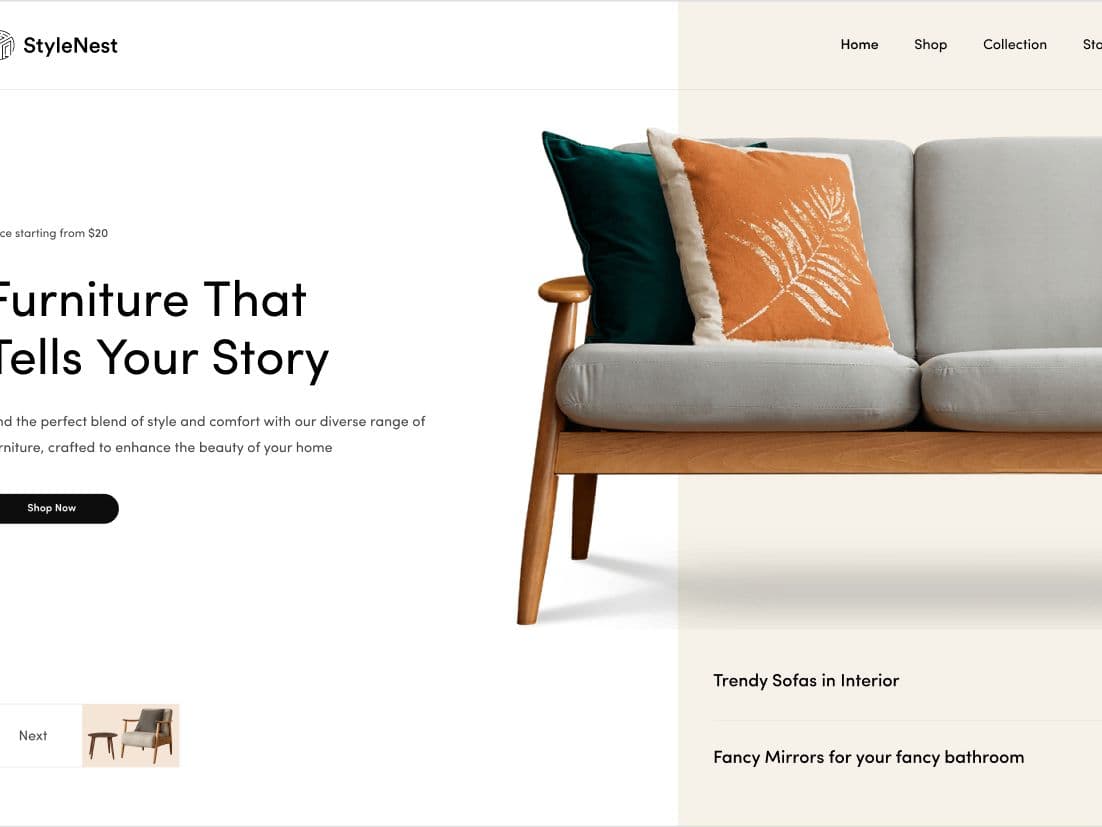
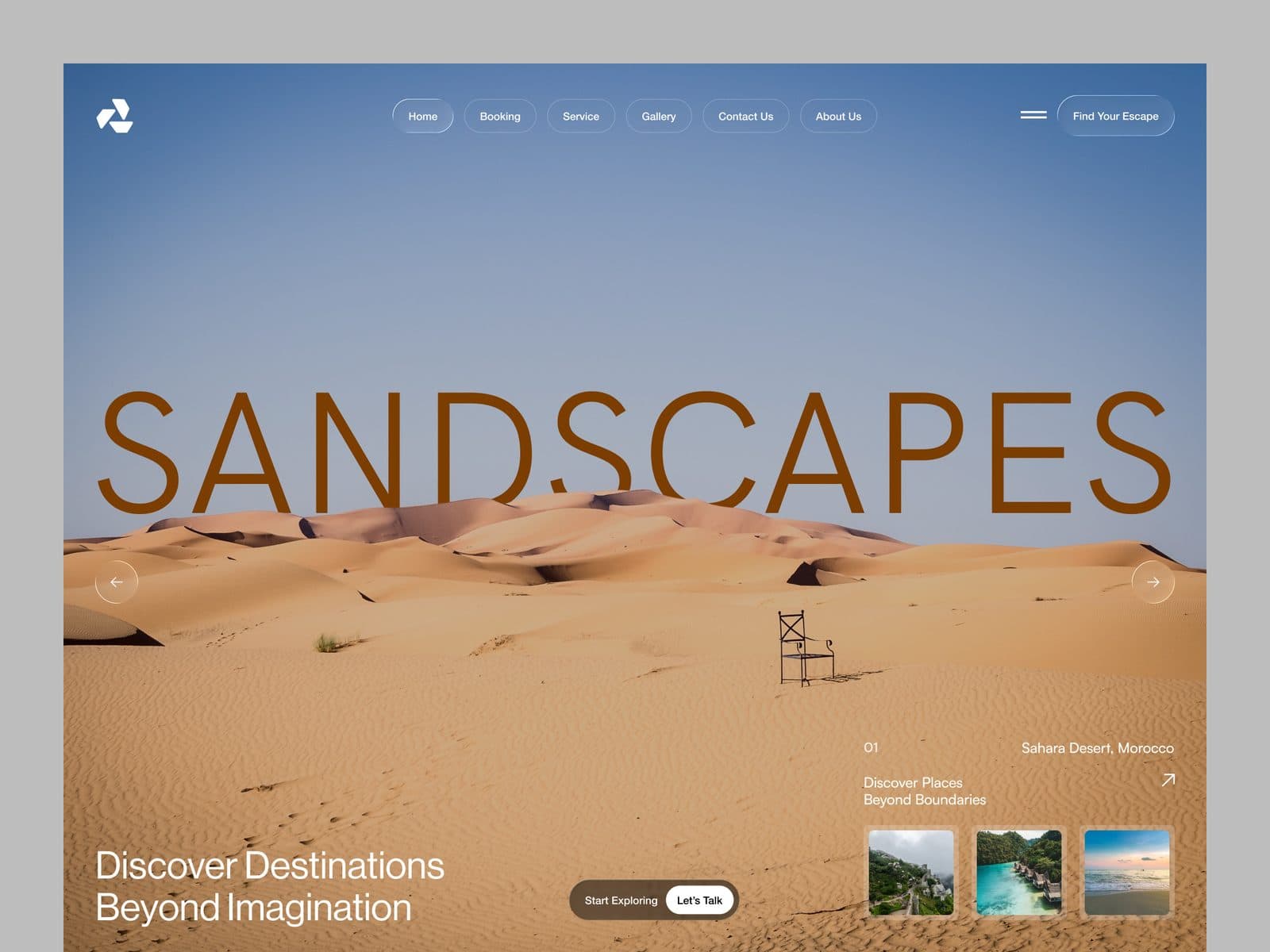
Custom web development services for a site you won’t rebuild in three years

Websites, web applications and portals connected to your CRM, ERP and analytics. Fast, accessible, and edited by your team without a developer.

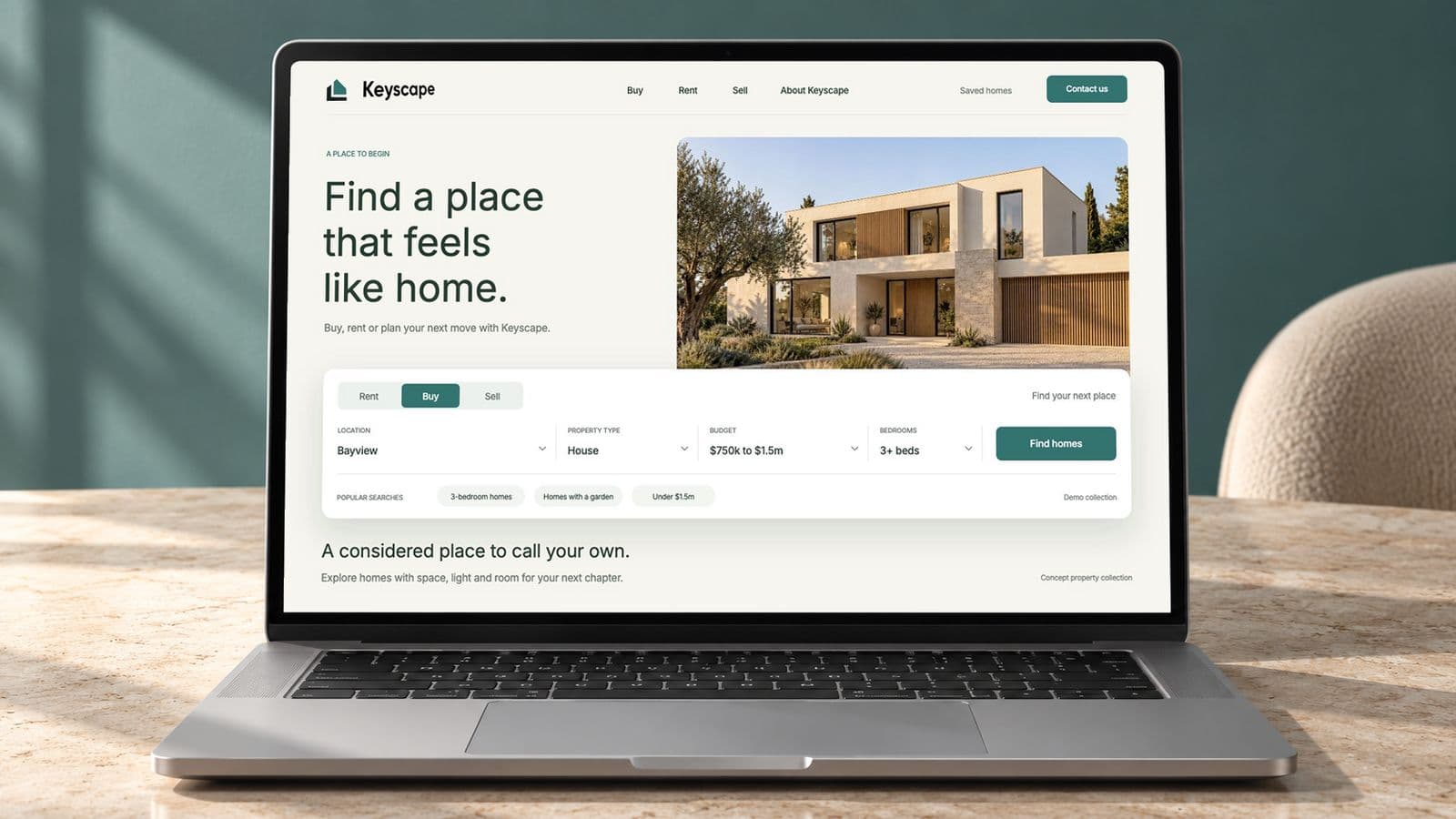
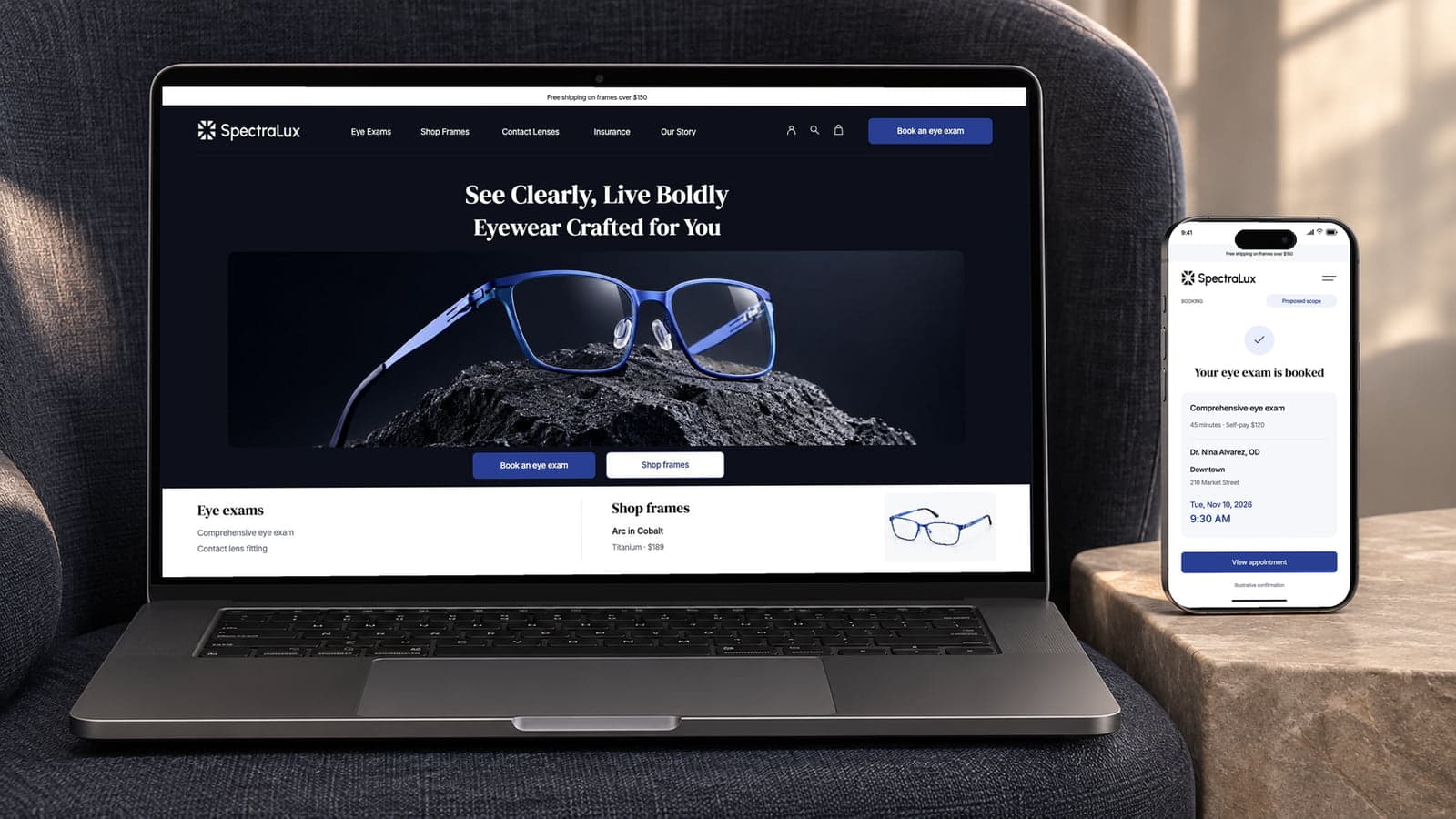
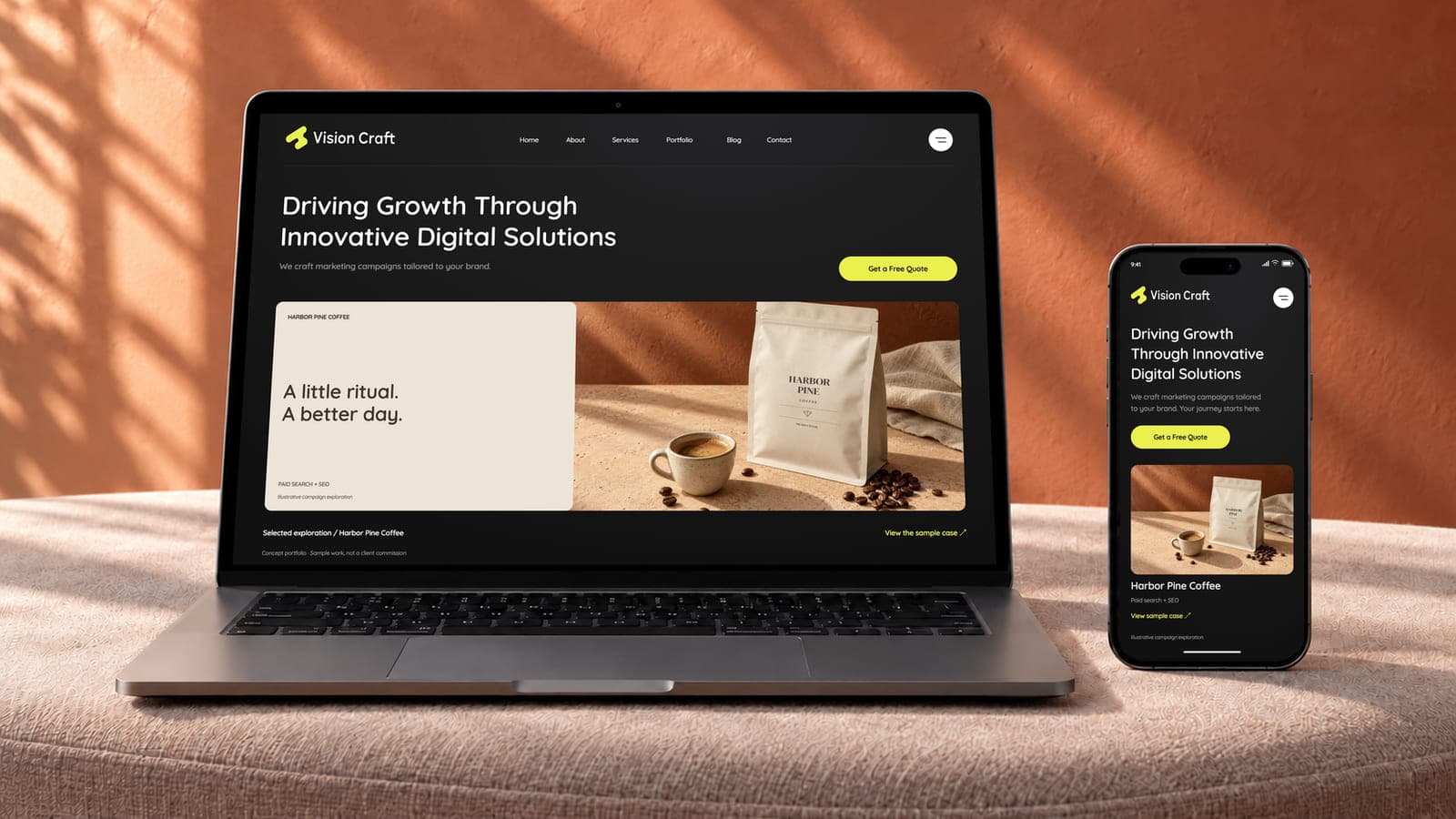
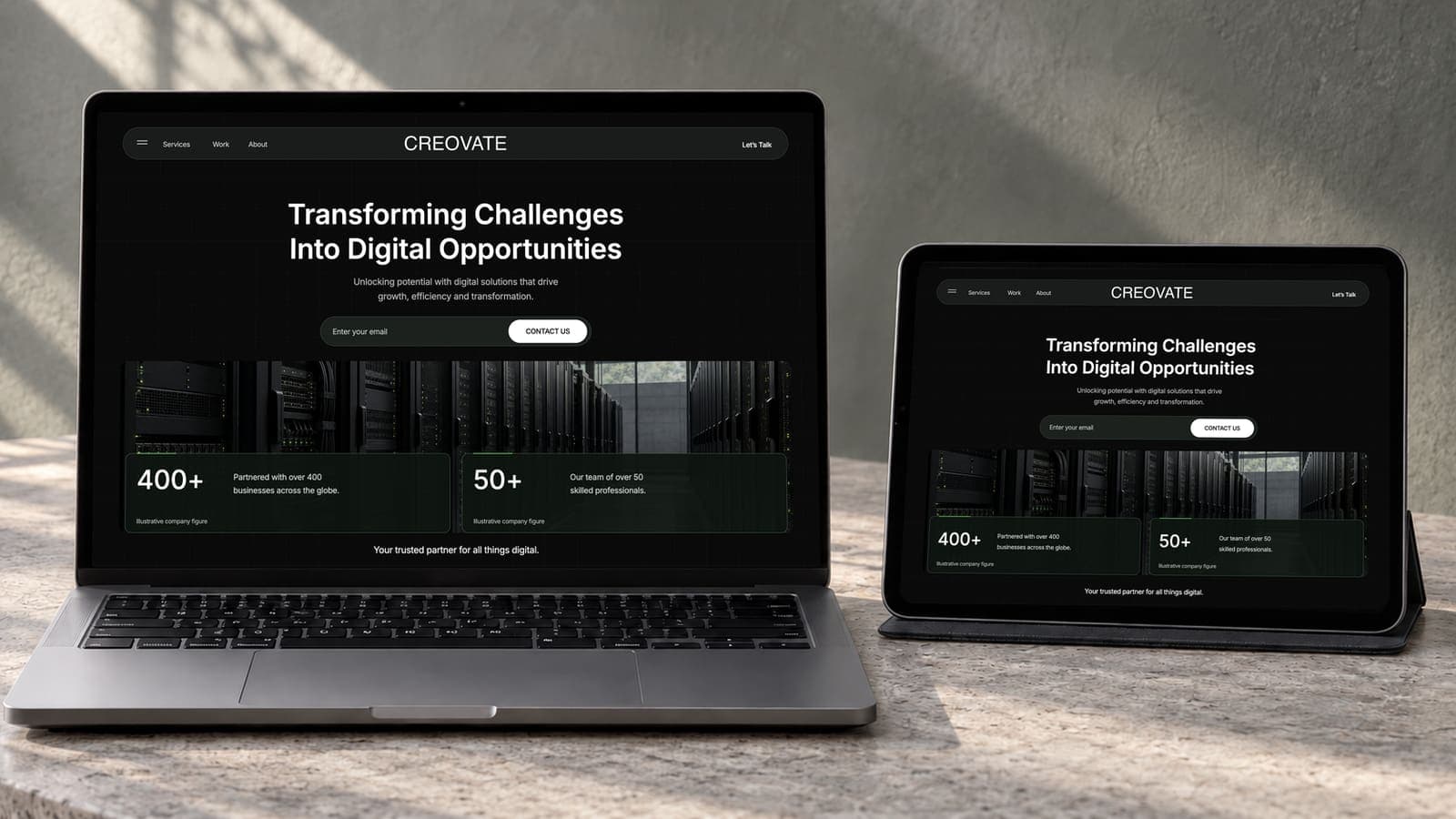
A browser window with code and responsive content blocks
  • Integrations, content model and speed targets agreed before design
  • A content system your team runs without a developer
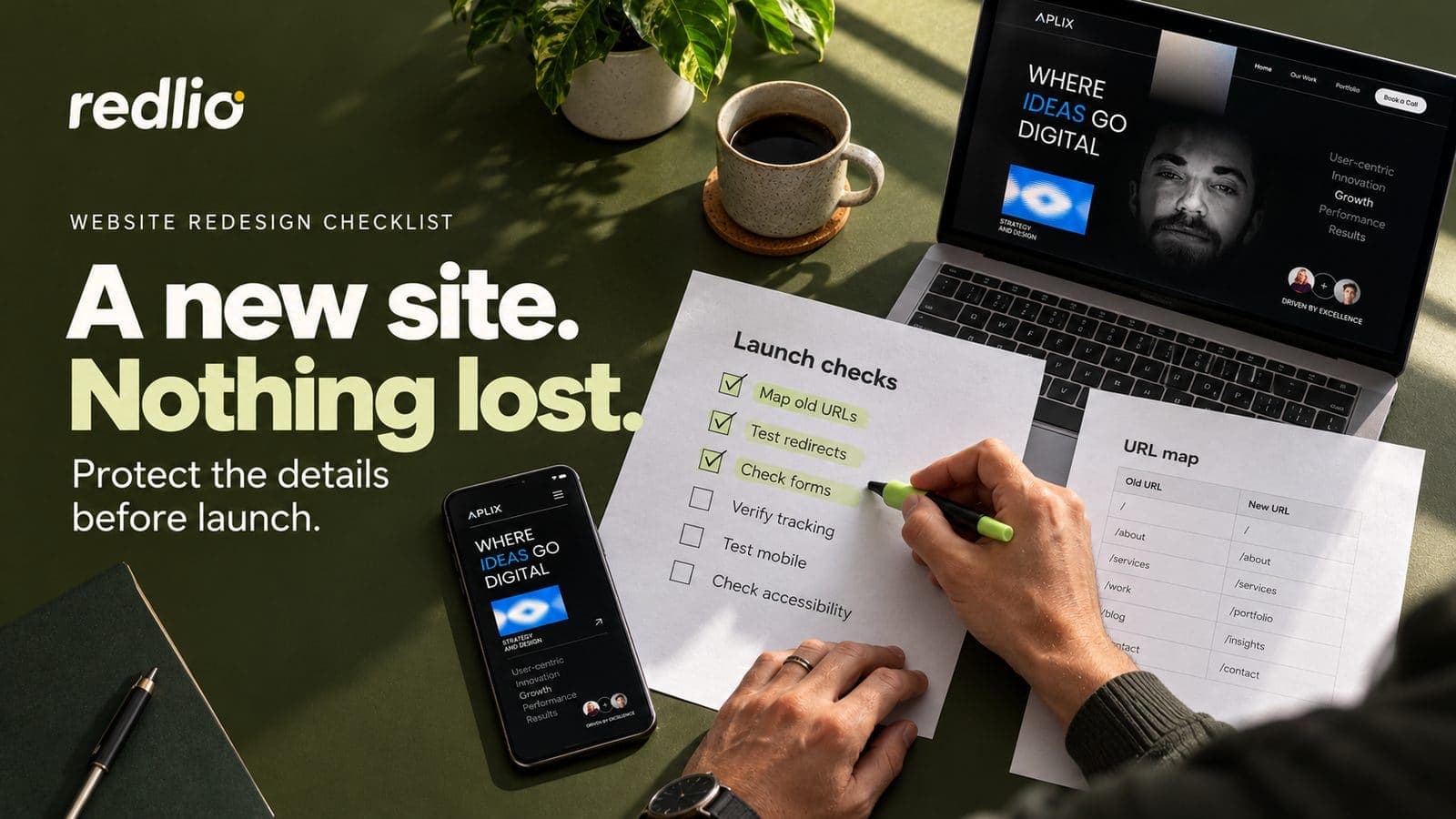
  • Redirects mapped and tracking verified before launch

Reviewed by Mayursinh Jadeja, Founder · Last updated November 5, 2026

Rated 5.0 on Clutch and 5.0 on Google

“The team was responsive to our feedback and remained present throughout the engagement. Their patience and design work were stellar.”

Ezequiel DelaneyVerified review on Clutch

Trusted by clients around the globe

Why websites get rebuilt every three years

A new design on old foundations buys the same three years

None of these is about how the site looks.

We settle the integrations, the content model and the performance budget before design starts. Those three decide whether your site lasts.

  1. The platform chosen for launchIt was picked for day one, not for the integrations that came after.
  2. Every change waits on a developerMarketing can’t publish a page without a ticket, so the site goes stale.
  3. Slower with every featurePages bloat as features are bolted on, and tracking breaks in the redesign.
Two colleagues reviewing a reporting dashboard on a monitor

Case studies

Custom web development case studies

View all case studies

Custom web development services

The site your buyers see, and the app behind it

Six kinds of web build, one team. Most companies need two at once.

  • Custom website development

    Built for speed, search and accessibility, on a content system your marketing team runs.
  • Custom web application development

    Custom web app development around your customers or staff, from the data model to the screens.
  • Customer and partner portals

    Accounts, orders, documents and self-service, connected to the systems that hold your data.
  • Headless CMS and content platforms

    A content model your team edits once and publishes everywhere, with no developer ticket.
  • Custom ecommerce web development

    Catalogs, pricing rules and checkouts for cases a standard storefront can’t fit, like B2B ordering.

Client story

A school replaced a generic CMS with one built around how it describes itself

A progressive, values-led school in India needed a new website and chose a custom content system over an off-the-shelf one. We built a twelve-page Next.js site with that CMS and a media server behind it, and deployed it on the school’s own server with DNS, SSL, documentation and a full handover.

The admin panel mirrors the site: 11 pages, 77 sections and 485 editable fields, so an editor always knows what they are changing. Requirements evolved through several review cycles, and by the client’s account the project was delivered within the agreed timeline. Their team now runs it on their own.

Client
School in India, 51 to 200 staff
Built
Next.js site, custom CMS, media server
Admin panel
11 pages, 77 sections, 485 fields
Handover
Their server, their team runs it

“The admin panel feels like it was made specifically for us, because it was.”

Director of the school, on Clutch
Read the review on Clutch
Buyer’s checklist

What to settle before the build starts

The decisions, comparisons and checks we work through with every buyer. Put them to any supplier, us included.

Builder, theme or custom: when each one wins

Custom isn’t automatically right. Compare all three on fit, editing, cost and risk first.

Website builderCMS with a themeCustom build
Fits whenA marketing site with no integrationsContent-led sites with standard featuresIntegrations, portals, or performance the others cannot reach
What your team editsEverything, inside the builder’s limitsContent, inside the theme’s limitsContent in a model designed for your pages
Cost shapeLow build, a subscription for everModerate build, plugin and upkeep costsHigher build, no platform rent, lower upkeep
The real riskOutgrowing it in a yearPlugins that break on updateOver-building a site that needed a theme

For a brochure site with a contact form, we recommend a builder or a theme. We recommend a custom build when the site has to do work.

Who you’ll work with

The engineers you talk to are the engineers who build it

A team in Ahmedabad, India, working with clients around the globe. No account layer between you and the work.

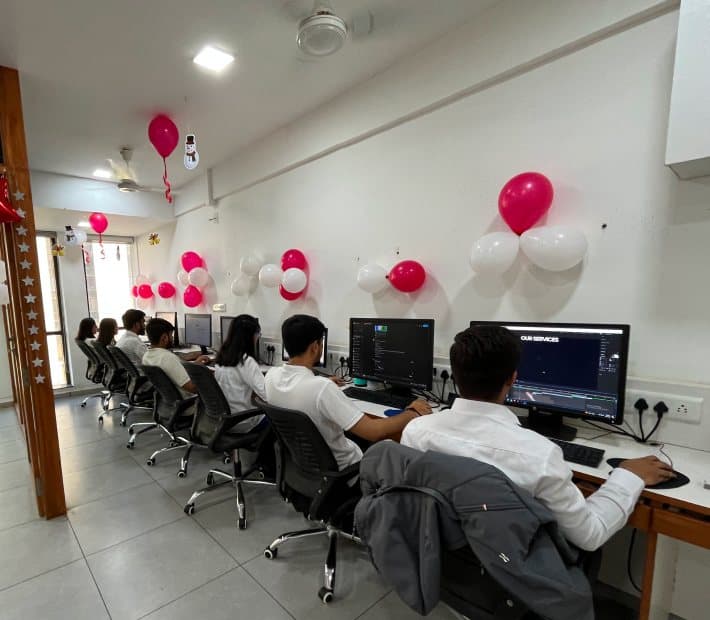
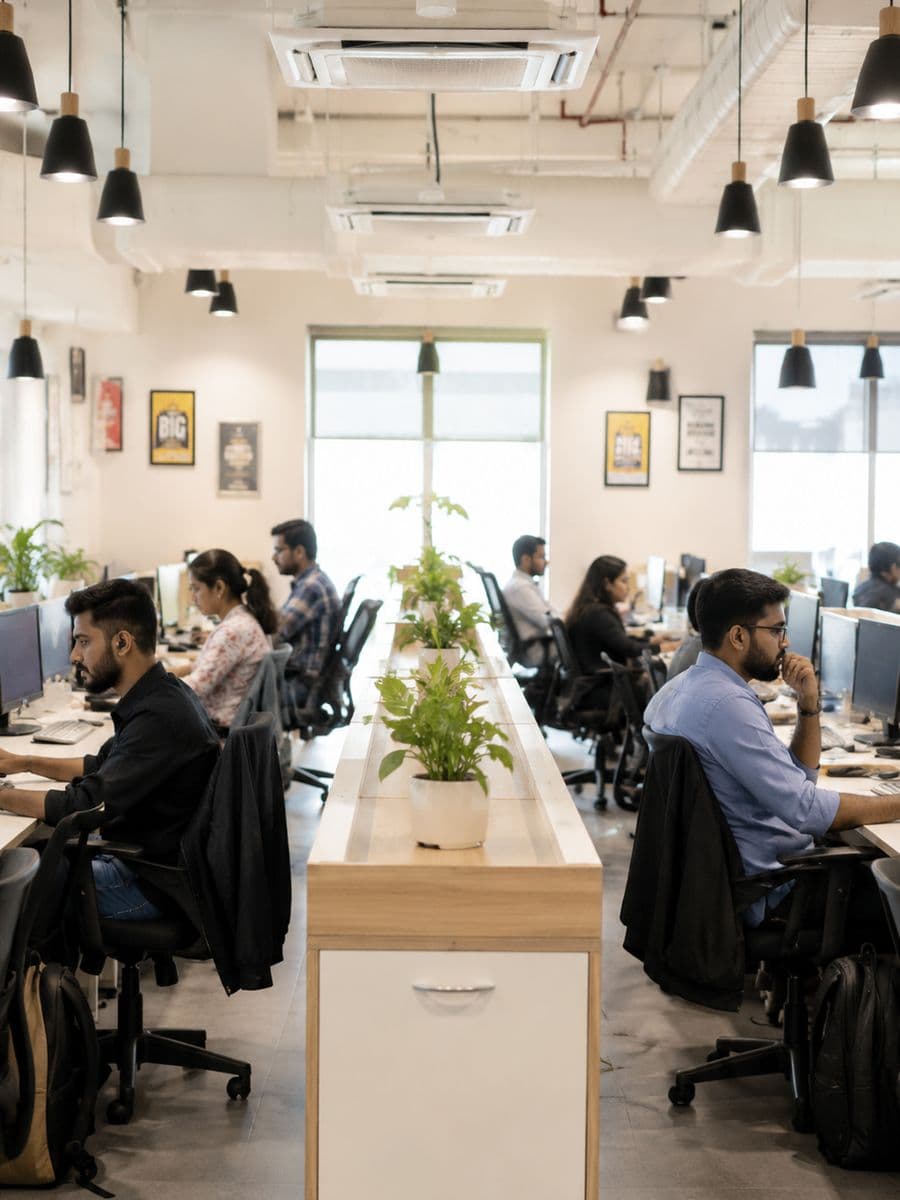
  • The Redlio Labs engineering team together in the office
  • 2014

    Building software since

    Twelve years of systems for clients around the globe.

  • 20

    People on the team

    Engineers, designers and project managers in one office.

  • 6+

    Years per engineer, minimum

    Every engineer has 6+ years of experience. Project managers have 12+.

  • 35+

    Systems in production

    Still running for the clients who commissioned them.

  • 5.0

    On Clutch and Google

    15 Clutch reviews and 32 Google reviews, all public.

  • 12h

    Reply to every inquiry

    And a written scope within 48 hours of the call.

  • Team members working at their desks in the Redlio Labs office in Ahmedabad

Why Redlio Labs

Why companies choose us as their custom web development company

Enterprise web development is decided by what surrounds the pages: owned integrations, tested accessibility, a tracking plan and a real handover.

Foundations before design

Integrations, content model and speed budget settled first, so the site extends instead of being replaced.

Talk to the engineers and designers who would do the work.

Talk to our team

Our custom web development process

From first call to working pages on staging

A clear clock from the moment you contact us.

  1. 12hours

    Within 12 hours of your message

    01Talk to our team

    Tell us what the site has to connect to and who edits it. You speak with the people who would build it.

    • NDA before the call
    • 30-minute call
  2. 48hours

    Within 48 hours of the call

    02Receive your scope

    Pages, templates, integrations and speed targets listed and priced, with a timeline.

    • Templates
    • Integrations
    • Price
  3. Day 1

    From sign-off

    03Start delivery

    Templates ship to a staging site you can click through from stage one. Redirects and tracking checked before launch.

    • Staging site
    • Redirect map
    • Verified tracking

Industries

Sectors we build for the web

Each sector brings its own data rules, auditors and systems. We build to them.

Contactless card payment at a real checkout counter

Fintech

Payments, lending and wealth platforms built on your licensed partners, with card data and funds left where they belong.

What we build for fintech

  • Payments and wallets
  • Lending platforms
  • Wealth and investment tools
  • Onboarding and KYC flows
  • Back-office and reconciliation
  • Reporting and compliance data
Fintech software development

Insights

Guides for web buyers

Custom web development FAQs

Not answered here? Ask our team directly.

Mayursinh Jadeja

Talk to the people who do the work

Speak with the team that would lead your project. We respond within 12 hours and can sign an NDA before the call.

Talk to our team

Prefer email?info@redliolabs.com

What is custom web development?

Custom web development is building a website or web application around your content, integrations and users, instead of fitting them into a builder or a theme. We cover the front end people see, the back end that holds the data, and the connections to the systems the business already runs.

It earns its cost when the site has to integrate, perform, or serve customers in ways a template cannot.

How much does custom web development cost?

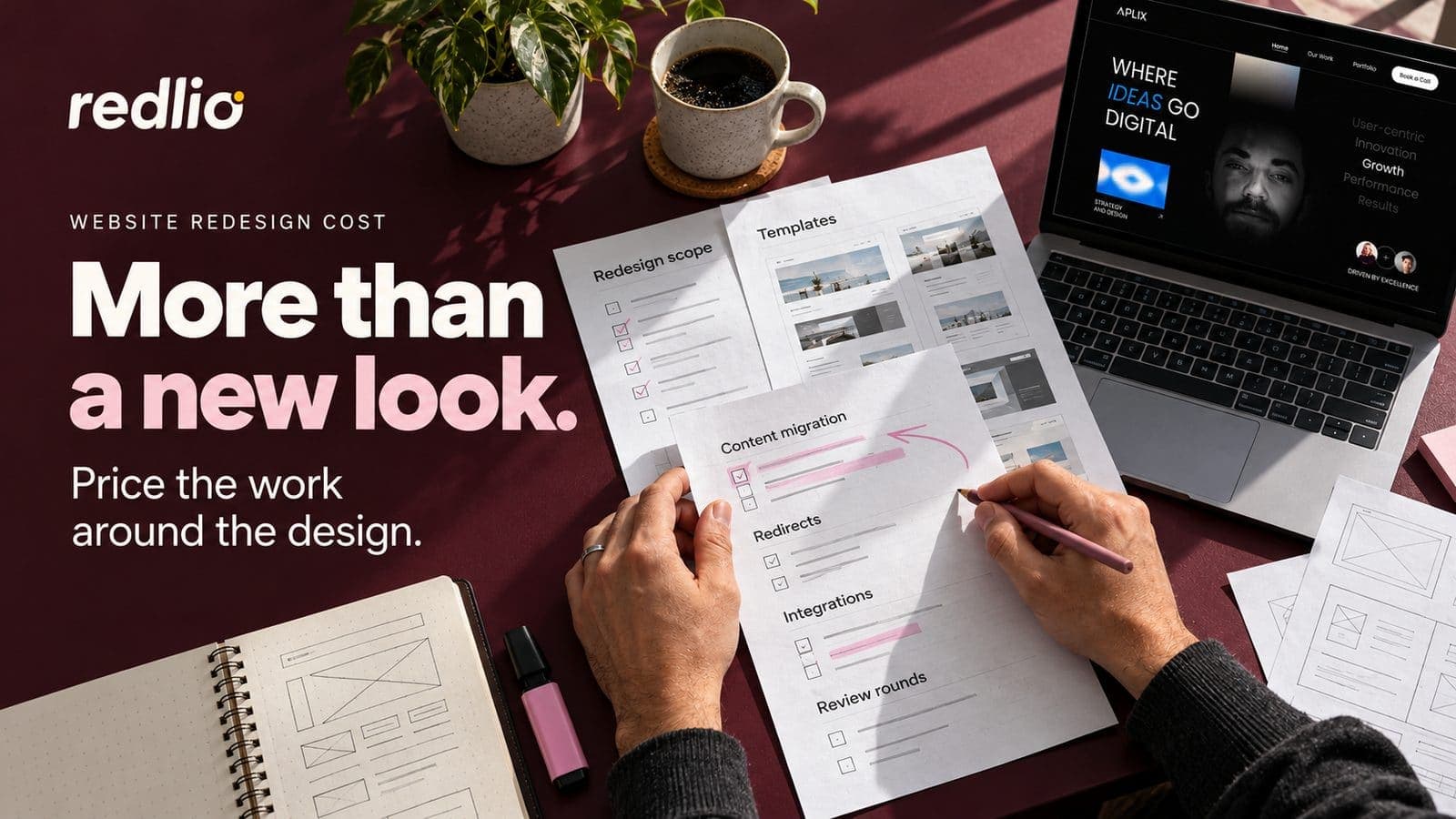
We price custom web development on the integrations, the number of templates and the content model, far more than on the number of pages. We list those three first and price against them before design starts, so the price is tied to a listed scope.

For a brochure site with no integrations, a builder or a theme costs less, and we will say so.

What is custom web application development?

Custom web application development is building software that runs in the browser around your own data and process, rather than adapting a product someone else designed. Typical examples are a customer portal, an ordering system, a booking tool or an internal dashboard.

We build them from the data model to the screens, and connect them to the systems that already hold your data.

What makes enterprise web development different?

We treat enterprise web development as different in what surrounds the pages, more than in the pages themselves. A large organization needs every integration with its CRM, ERP and analytics to have a named owner, an accessibility standard that is tested, a tracking plan, and a handover with documentation and access.

We build for mid-size and large companies, and we agree those points in writing before the build starts.

What is the difference between web design and web development?

Web design decides what the site says, how it looks and how a visitor moves through it. Web development builds it: the code, the content system, the integrations and the performance. We do both with one team, so the design is built by the people who made it.

See web design. Bringing buyers to the finished site is a third job, set out on our B2B SEO agency page.

Which technologies do you use for web development?

We build most of our web projects on Next.js and React, with a headless CMS your team edits. Where there is an application behind the site, we use Node, PostgreSQL or MongoDB. Where your team already runs a stack, we build on that.

Do you offer front end web development services?

Yes. As a front end development company, our front end web development services cover the component library, responsive templates, accessibility to WCAG 2.2 AA and the performance budget, built in Next.js and React from a designer’s files or our own web design work. Most projects pair the front end with the back end, and we also build the front end alone against an API that already exists.

How do you handle data security in a custom web build?

We build data security into the plan before the first page: who can see which data, where it is stored, and how each integration authenticates. Access is set by role, traffic runs over HTTPS, and keys and passwords stay out of the code. Hosting sits on AWS, Azure or Google Cloud, in an account in your name. After launch we apply security updates to the framework and its dependencies. Where a site handles patient data, we sign a business associate agreement before any access to it.

How do you plan for scalability and performance?

We plan scalability and performance before design, with a performance budget: load time and Core Web Vitals targets for the pages that matter. We check each template against that budget on staging, so a slow page is found before launch. For applications, we design the data model and the hosting on AWS, Azure or Google Cloud for the traffic and data the business expects, with caching where pages allow it. After launch we monitor speed and errors, so a slowdown shows up in the data first.

Can a custom website improve conversion rates?

We treat conversion rates as a build concern where the cause is technical: slow pages, failing forms, or tracking that cannot show where visitors leave. We set the performance budget, test every form and verify the tracking plan before launch, so the rate can be measured from the first day. What a page says and how it leads a visitor to the form is design work, which our web design team handles alongside the build.

Who owns the website and the hosting?

We build the website for you to own: the code, the hosting account and the domain are in your name. Our handover includes documentation and access.

Can you build from our designer’s files?

Yes, we build from your designer’s Figma files and design systems. We flag anything that will not perform or work on a phone before it is built, rather than after.

When is custom web development the wrong choice?

Three cases where we recommend something else.

A brochure site with no integrations: A good builder or theme does it well. Spend the difference on content and search.

Nobody will own the content: A custom site with no editor ages as fast as any other. Name the owner first.

The design isn’t settled: Building before design and content are agreed means building twice.

Custom earns its cost when the site has to integrate, perform or serve customers in ways a template can’t.

Tell us what your site has to do

Share what it connects to and who edits it. You’ll talk to the people who would build it and hear straight whether custom is the right fit. We reply within 12 hours.

Prefer email?info@redliolabs.com

We use what you send to understand and answer your inquiry. Privacy policy

  • We reply within 12 hours
  • A quote within 48 hours of the scoping call
  • Direct access to the delivery team
  • Peer-reviewed releases
  • NDA before your first call
Mayursinh Jadeja

Mayursinh Jadeja

Founder, Redlio Labs

Rated 5.0 on Clutch and 5.0 on Google